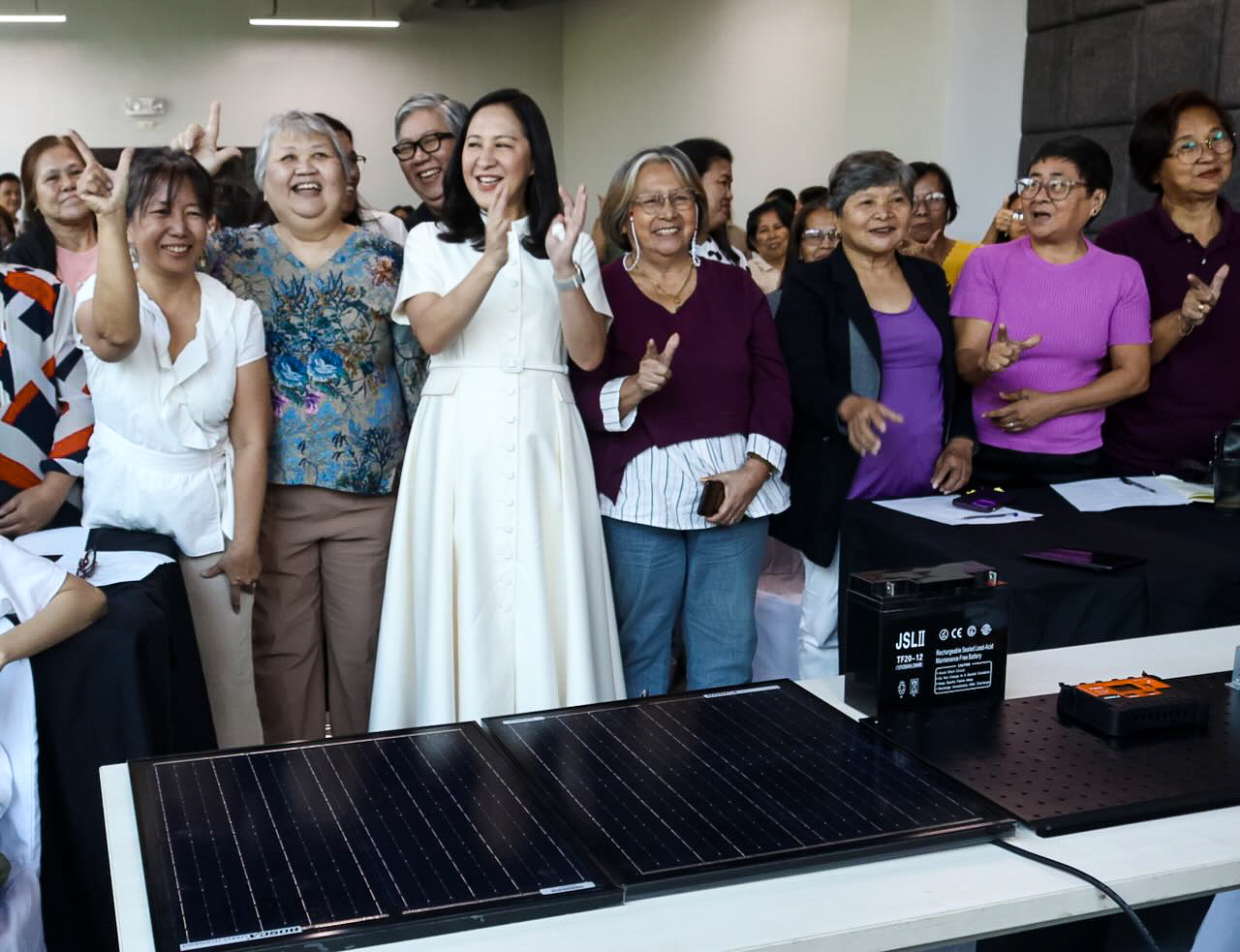
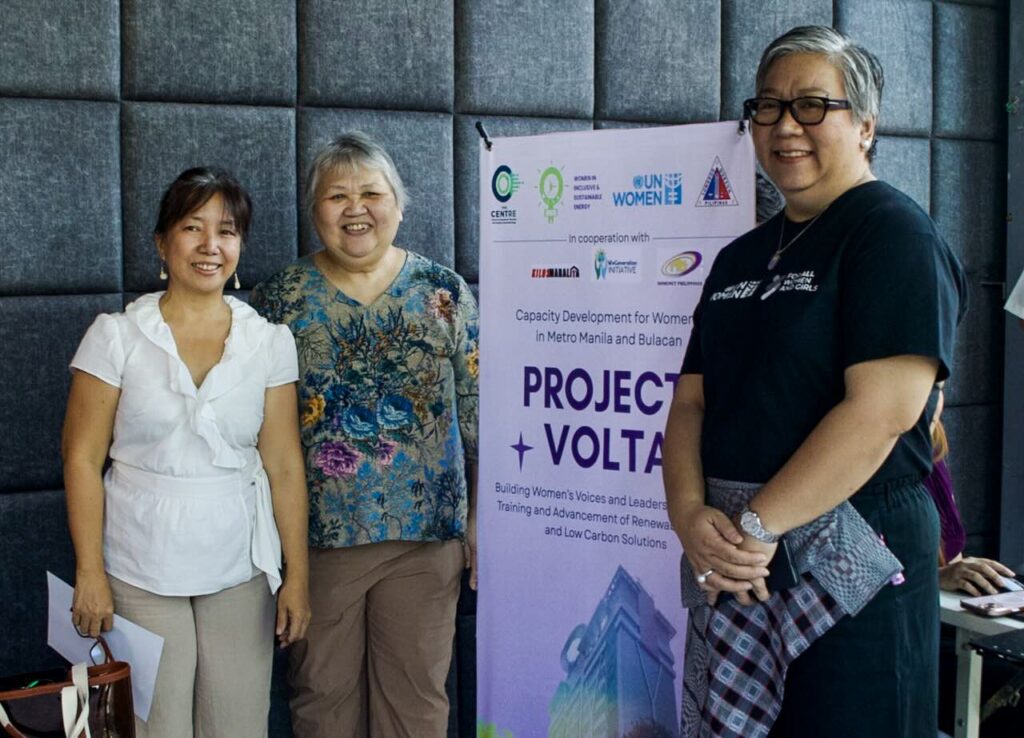
Mayor Joy Belmonte, UN Women Country Programme Coordinator Rosalyn Mesina, and the Center for Empowerment, iNnovation and Training on Renewable Energy (CentRE) launched Project VOLTA on Wednesday. The launch took place at the MICE Center inside Quezon City Hall. The event marked the start of a nationwide drive to train women in renewable‑energy skills. Sixty women from Quezon City, Metro Manila and Bulacan attended the ceremony. The gathering celebrated Women’s Month and highlighted the role of women in the country’s energy transition.
Project VOLTA stands for “Building Women’s Voices and Leadership through Training and Advancement of Renewable Energy and Low Carbon Solutions.” The programme is run by CentRE under the EmPower Programme of UN Women. It is delivered in partnership with the Women in Inclusive and Sustainable Energy (WISE) network. Local partners from academe, civil society and government also support the effort. The partnership blends technical expertise with gender‑advocacy guidance.
The goal of Project VOLTA is to train at least two‑hundred community women leaders and entrepreneurs across the Philippines. The training will focus on renewable‑energy and low‑carbon solutions. The aim is to give women the skills, knowledge and confidence to lead the country’s just energy transition. The programme targets women from Metro Manila and the provinces of Bulacan, Cavite, Sorsogon, Panay‑Negros, Cebu and Davao.
Participants will take part in a series of short, practical sessions. The curriculum covers basic solar‑panel installation. It also includes household‑energy consumption measurement. Basic energy audits form another module. Women will learn green‑entrepreneurship and business‑development skills. In addition, the training will explain how the electricity industry works. It will address electricity charges and why power costs are high. The sessions will also explore renewable‑energy technologies and the concept of a just transition. A special focus will be placed on the role of women in these areas.
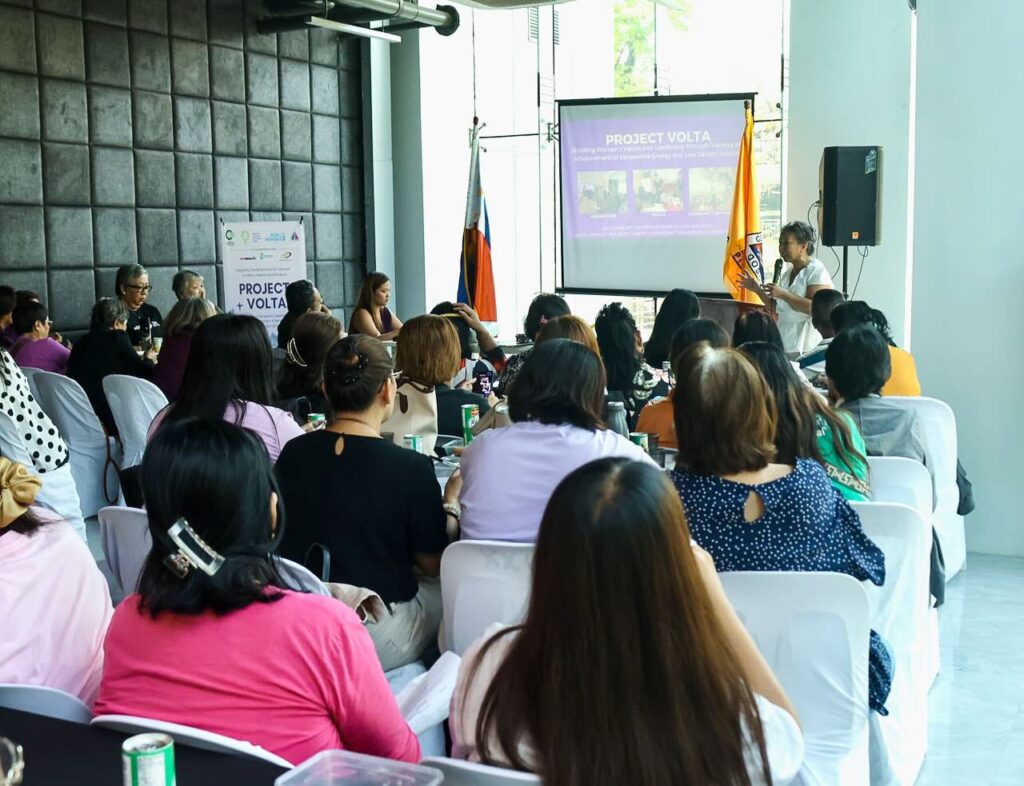
Beyond technical instruction, Project VOLTA seeks to build women’s capacity to lead renewable‑energy projects. It aims to raise community awareness of low‑carbon solutions. The programme will also create a collaborative platform. On this platform, women advocates, professionals and community leaders can share experiences. They can co‑create inclusive, sustainable‑energy solutions. The platform is expected to foster peer learning and networking.
CentRE’s director said the initiative “bridges the gap between technical training and gender empowerment.” Mayor Belmonte added that “empowering women in clean energy will speed up our city’s transition to sustainability.” Rosalyn Mesina noted that “the project aligns with UN Women’s vision of inclusive climate action.” These statements underline the shared commitment of local and international partners.
The launch ceremony featured a short demonstration of solar‑panel assembly. Women participants assembled a small panel under the guidance of expert trainers. The hands‑on activity illustrated the practical value of the training. Attendees expressed enthusiasm for the upcoming sessions. Many said they felt more confident about starting green businesses.
Project VOLTA will run for several months. Training sessions will be held in community centers and partner institutions. Each session will last no longer than two hours. The short format is designed to fit the busy schedules of women entrepreneurs and community leaders. Progress will be monitored through pre‑ and post‑training assessments. The data will help refine the curriculum for future cohorts.
The initiative is part of a broader effort to meet the Philippines’ climate‑change commitments. It supports the nation’s goal of increasing renewable‑energy capacity. It also contributes to the United Nations Sustainable Development Goal 7, which calls for affordable and clean energy for all. By focusing on women, the project also advances SDG 5 on gender equality.
Local government units in the participating provinces have pledged logistical support. Academic partners will provide research materials and certification. Civil‑society groups will help with community outreach. Together, these partners ensure that Project VOLTA remains grounded in both technical rigor and community relevance.
The launch of Project VOLTA signals a new chapter for women’s empowerment in the Philippines. It shows how renewable‑energy training can be a catalyst for economic opportunity. It also demonstrates that gender‑inclusive policies can accelerate the shift to low‑carbon futures. As the programme rolls out, the participating women will become ambassadors of clean energy in their neighborhoods. Their voices are expected to shape the next wave of sustainable development across the archipelago.