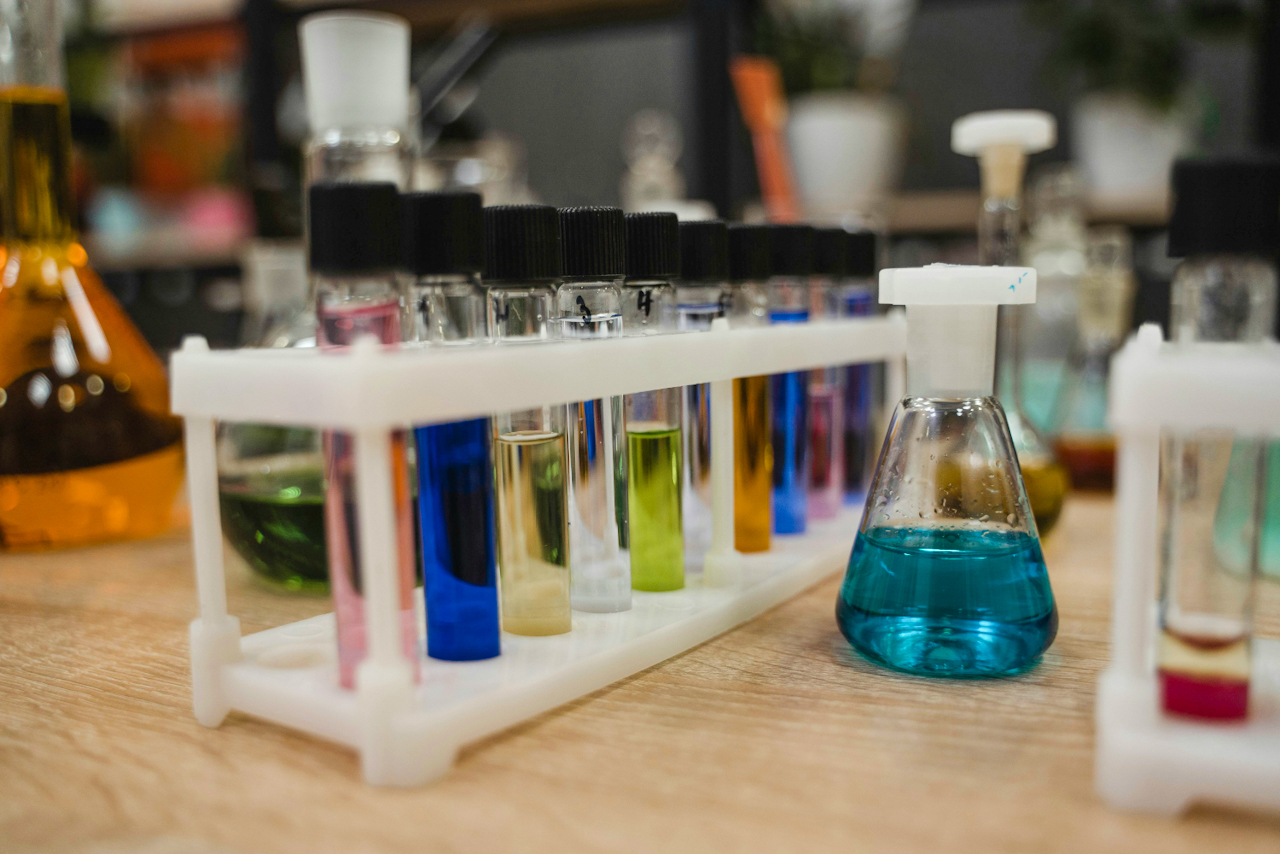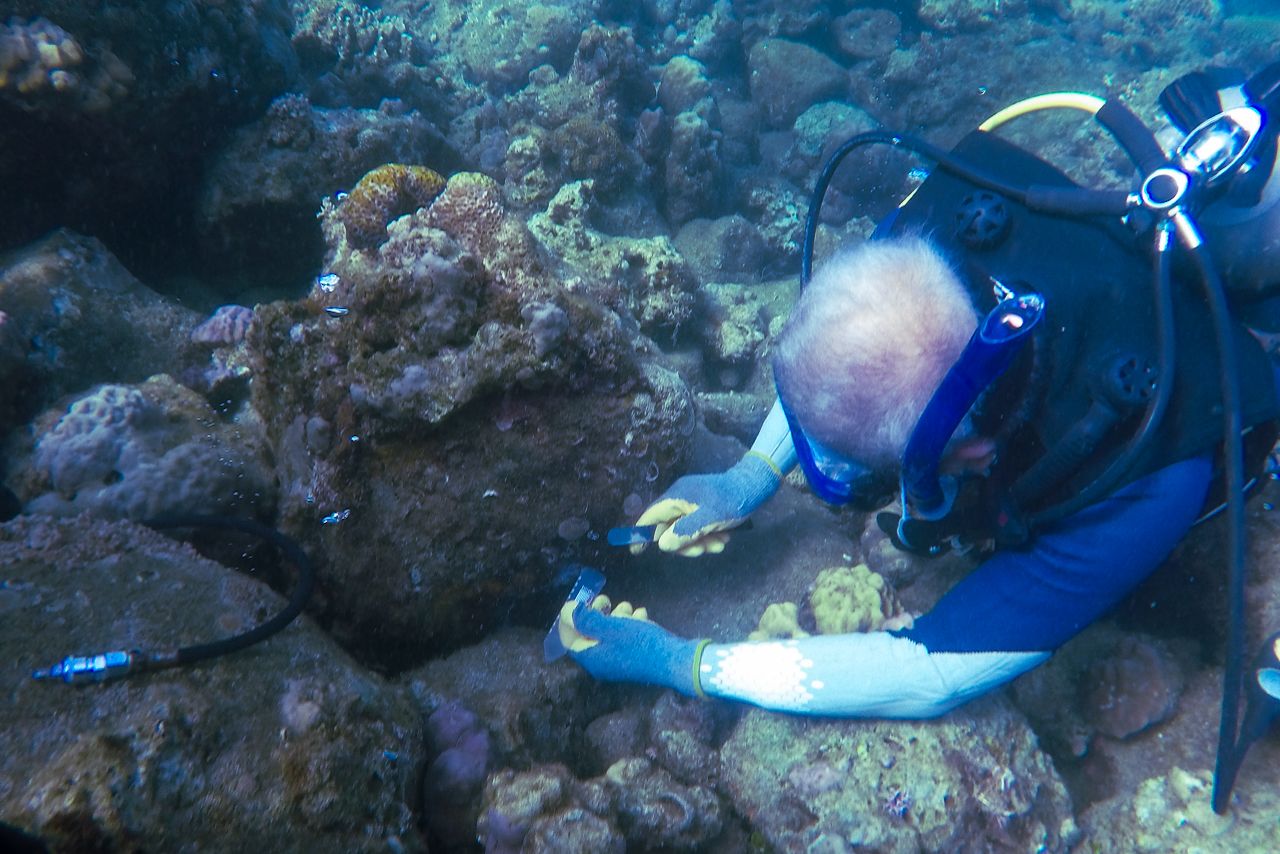
A University of the Philippines (UP) chemist is bringing attention to the crucial role chemistry plays in global treaties. These treaties are aimed at ensuring peace and security. Dr. Emily Castriciones comes from the UP Diliman College of Science’s Institute of Chemistry. She recently explained how chemical expertise supports the enforcement of the Chemical Weapons Convention (CWC). She spoke during the fifth Innovation Impact Stories webinar hosted by the UPD-CS Innovation Program.
Chemistry has long powered progress in agriculture, healthcare, energy, and infrastructure. It improves lives and drives economies. But it has a dual nature. The same knowledge that creates life-saving drugs can also be misused to produce harmful substances.
That is why international treaties like the CWC exist. They aim to stop the misuse of chemical, biological, radiological, and nuclear (CBRN) materials. The Philippines ratified the CWC years ago. But it lacked a national law to fully enforce it.
This changed in April 2025. President Ferdinand Marcos, Jr. signed Republic Act 12174, also known as the Chemical Weapons Act of the Philippines. The law provides the legal backbone needed to implement the treaty.
Dr. Castriciones played a key role in shaping the new law. She served as a technical consultant during the drafting of RA 12174. She also joined stakeholder consultations led by the Senate Committee and the Anti-Terrorism Council. These groups acted as the Interim Philippine National Authority for the CWC.
“As chemists, we stay with a chemical from cradle to grave,” Dr. Castriciones said. “We do the synthesis. We test raw materials and finished products, like medicines.”
“You also monitor chemicals when they become waste,” she added. “From start to end, a chemist is always involved.”
She stressed the need for strong collaboration. “In government, we monitor and regulate,” she said. “But we must not forget law enforcement.”
The Philippine Drug Enforcement Agency and the PNP have forensic labs. They play a crucial role. Her team is working with them through a project with the Department of Science and Technology (DOST). They are also partnering with the Bureau of Fire Protection.
Good recordkeeping and documentation are just as important. “All these efforts support national security,” she said.
Dr. Castriciones called for broader involvement. “For any law to succeed, stakeholders must be part of it,” she said.
“I am pushing for an all-of-society approach. This includes government, industry, academia, and private labs.”
She also highlighted the value of academic-government partnerships. Scientists can boost the technical skills of agencies. They can also conduct research that supports national security.
The Innovation Impact Stories webinar series showcases how science and innovation create real change. It shares the challenges and successes behind research that matters. It aims to inspire students, researchers, and faculty to pursue purposeful innovation.
For more information, email cs.innovation_committee@science.upd.edu.ph.
Chemistry in Action: UP Expert Links Science to Global Peace Efforts