


Deep within the heart of Aklan in the Philippines, generations have transformed the humble pineapple leaf into exquisite textiles. They have woven stories of cultural heritage and artistic brilliance. This ancestral craft is known as Aklan piña weaving. It recently received a prestigious honor as an Intangible Cultural Heritage (ICH) of Humanity. This is a recognition from UNESCO. This recognition isn’t just a feather in the cap of the Aklan weaving community. It shines a global spotlight on an art form that deserves to be celebrated and preserved.
Imagine the delicate touch of skilled artisans extracting fibers from pineapple (piña) leaves, painstakingly preparing them for weaving. Then, the nimble fingers work their magic, transforming these fibers into intricate designs. Each piece of Aklan piña showcases generations of knowledge. This knowledge is carefully passed down from mother to daughter and father to son. The resulting textiles are nothing short of breathtaking. They are imbued with the spirit of the community and showcase the unique identity of Aklan.
But the inscription on the UNESCO list isn’t just a recognition of the past; it’s an investment in the future. By placing Aklan piña weaving on the international stage, UNESCO ensures that this art form continues to thrive. The recognition opens doors to new opportunities. It fosters cultural exchange. It also inspires generations to carry on this treasured tradition.

The journey toward this recognition started with the National Commission on Culture and the Arts (NCCA). They focused on preserving the weaving industry. The NCCA engaged its numerous representatives with Chairman Victorino M. Manalo. The impending entry of Aklan Piña handloom weaving into UNESCO aims to enhance its visibility. It promotes awareness of its significance. This entry fosters dialogue that respects cultural diversity. The 18th Session of the Intergovernmental Committee for the Safeguarding of the ICH took place in Kasane, Republic of Botswana.
The journey to UNESCO recognition wouldn’t have been possible without the unwavering support of passionate individuals. Senator Pro Tempore Loren Legarda is one such supporter. She is committed to Filipino culture and has initiated projects like the School of Living Traditions (SLT). These initiatives provided invaluable resources and support to Aklan weavers. They empower them to share their talents with the world. Senator Legarda introduces the Senate Bill No. 624 or the Linangan ng Likhang Bayan Bill. This Bill further expresses her commitment to safeguarding and promoting Filipino culture. It aims to establish an Institute for Living Traditions.
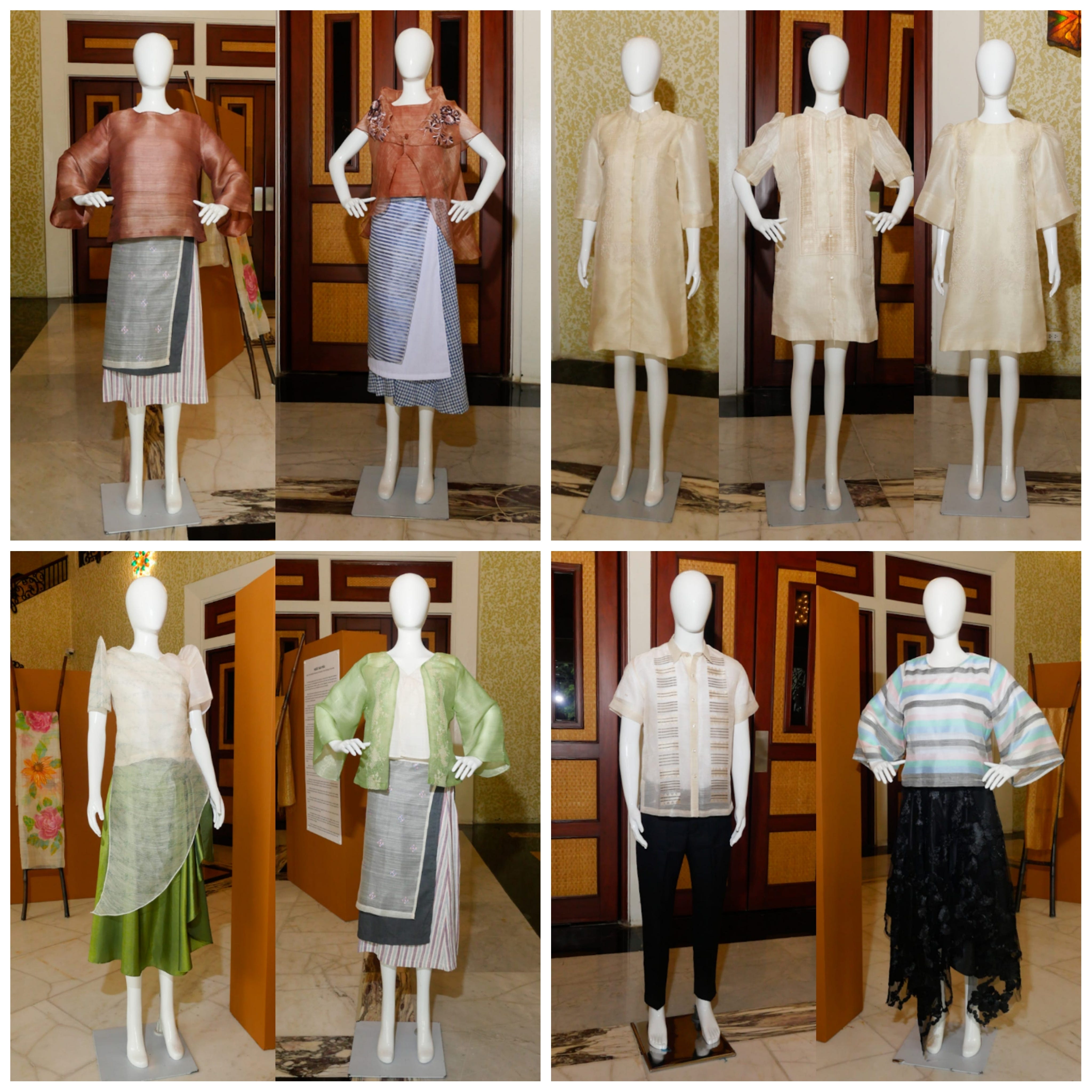
Today, Aklan piña isn’t confined to the pages of history books. Contemporary designers are integrating this traditional fabric into modern fashion. They are breathing new life into the craft. This ensures its relevance for years to come. From intricate piña barongs to stunning contemporary clothing, Aklan piña showcases its versatility. It also demonstrates its adaptability. It captivates audiences around the globe.
So, the next time you encounter an article of clothing or textile crafted from Aklan piña, keep this in mind. You’re not just admiring a fashion statement. You are appreciating cultural heritage. You’re witnessing artistic innovation and the enduring spirit of a community. Aklan piña goes beyond being just fabric. It represents a cultural treasure woven with love. It is crafted with skill and a deep respect for tradition.