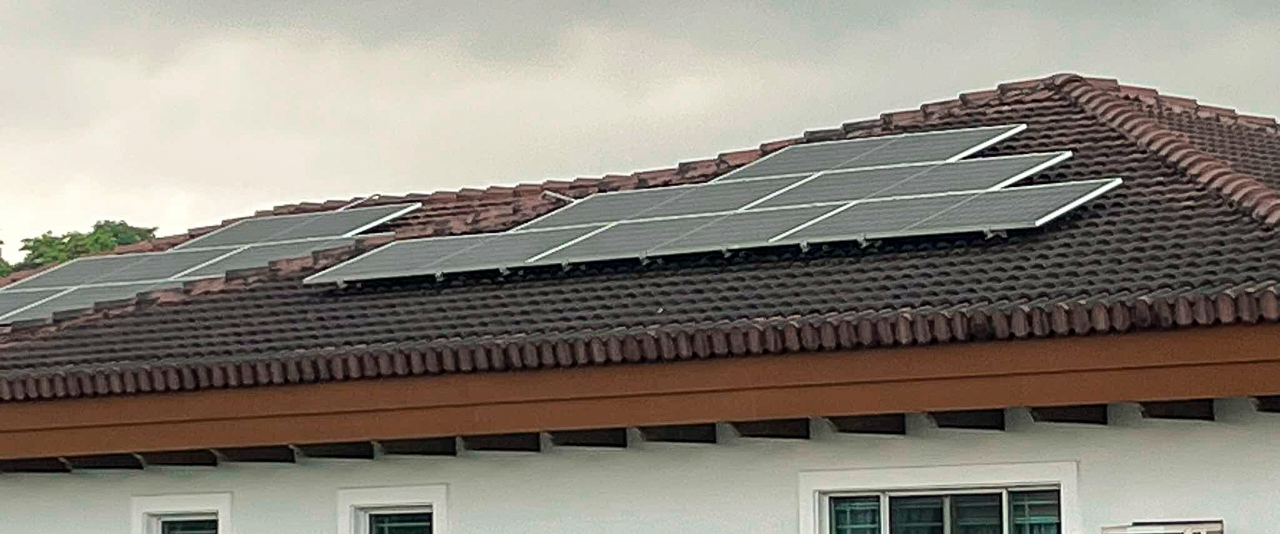
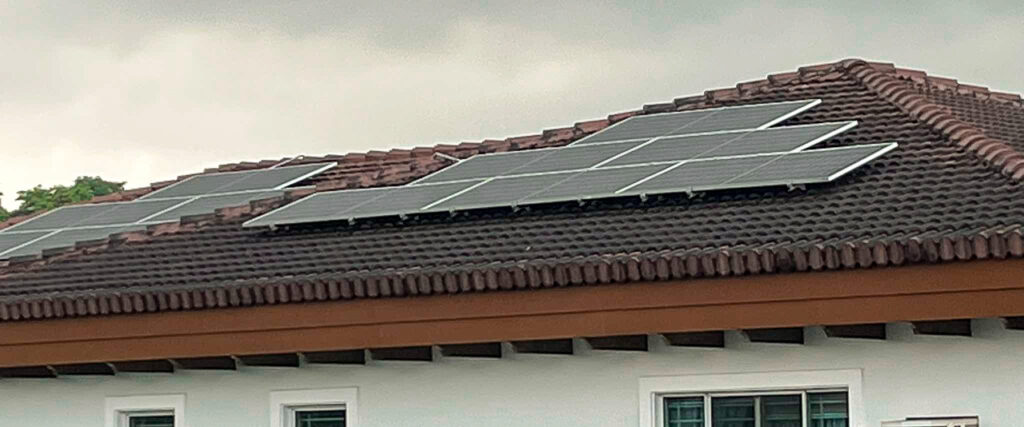
The Philippines enjoys abundant sunshine and faces high electricity costs. Despite these conditions, the adoption of rooftop solar power (RTSP) is widespread. However, high upfront costs and a lack of public awareness continue to hamper progress, according to a new study.
Research from Ateneo de Manila University, published in Challenges in Sustainability, surveyed 403 households in Metro Manila and surrounding areas. While acknowledging the long-term savings – potentially significant given the country’s high electricity rates (averaging $0.20/kWh, compared to $0.06/kWh in Malaysia) – and environmental benefits, the study revealed significant hurdles.
The initial investment for a home RTSP system can easily exceed $1,700, a considerable sum for many Filipino households. However, cost alone wasn’t the sole deterrent. The study found that consumer confidence in providers is crucial. Clarity on warranties matters greatly. Perceived installation quality is also an important factor influencing adoption decisions.
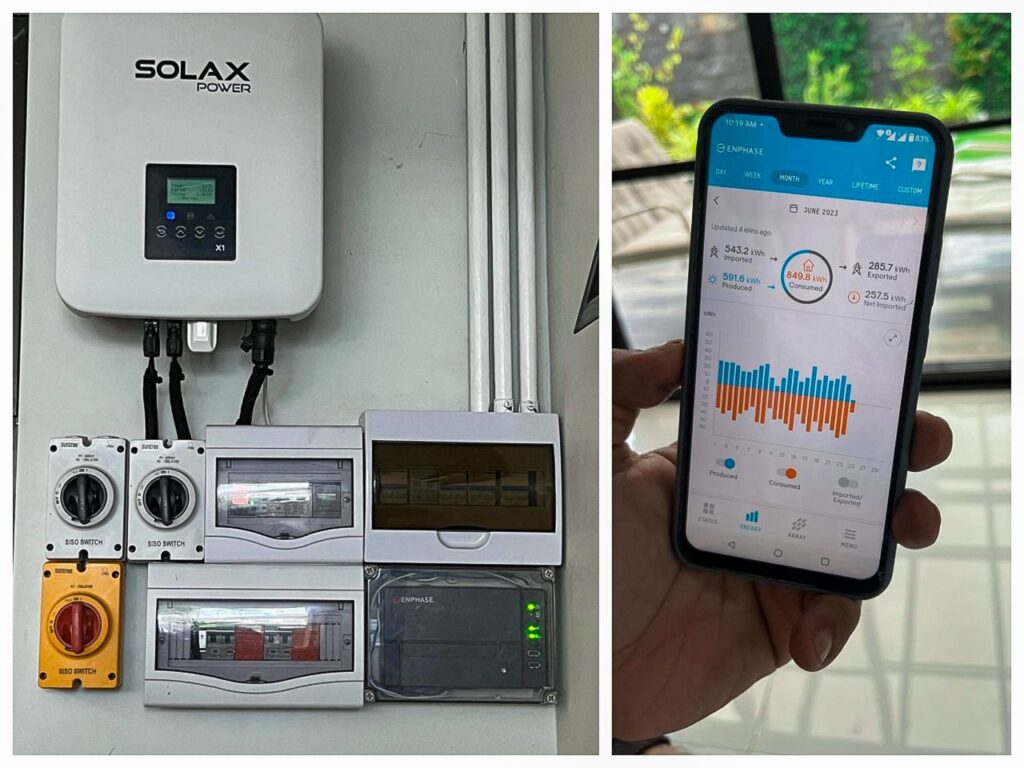
While 82% of respondents expressed some interest in solar panels, only 20% had concrete plans to install them. This gap highlights a critical need for public awareness campaigns. Many understood renewable energy concepts but lacked detailed knowledge of RTSP benefits and reliable installation services. Concerns over material quality, maintenance, and provider trustworthiness further dampened enthusiasm.
The study recommends government intervention, including improved net metering rates, expanded financing options, and accreditation of trustworthy RTSP providers. Leveraging the power of word-of-mouth by showcasing successful installations and community testimonials could also significantly boost adoption rates. The potential for solar energy in the Philippines is immense. Bridging the awareness and cost gaps is key to unlocking it.