
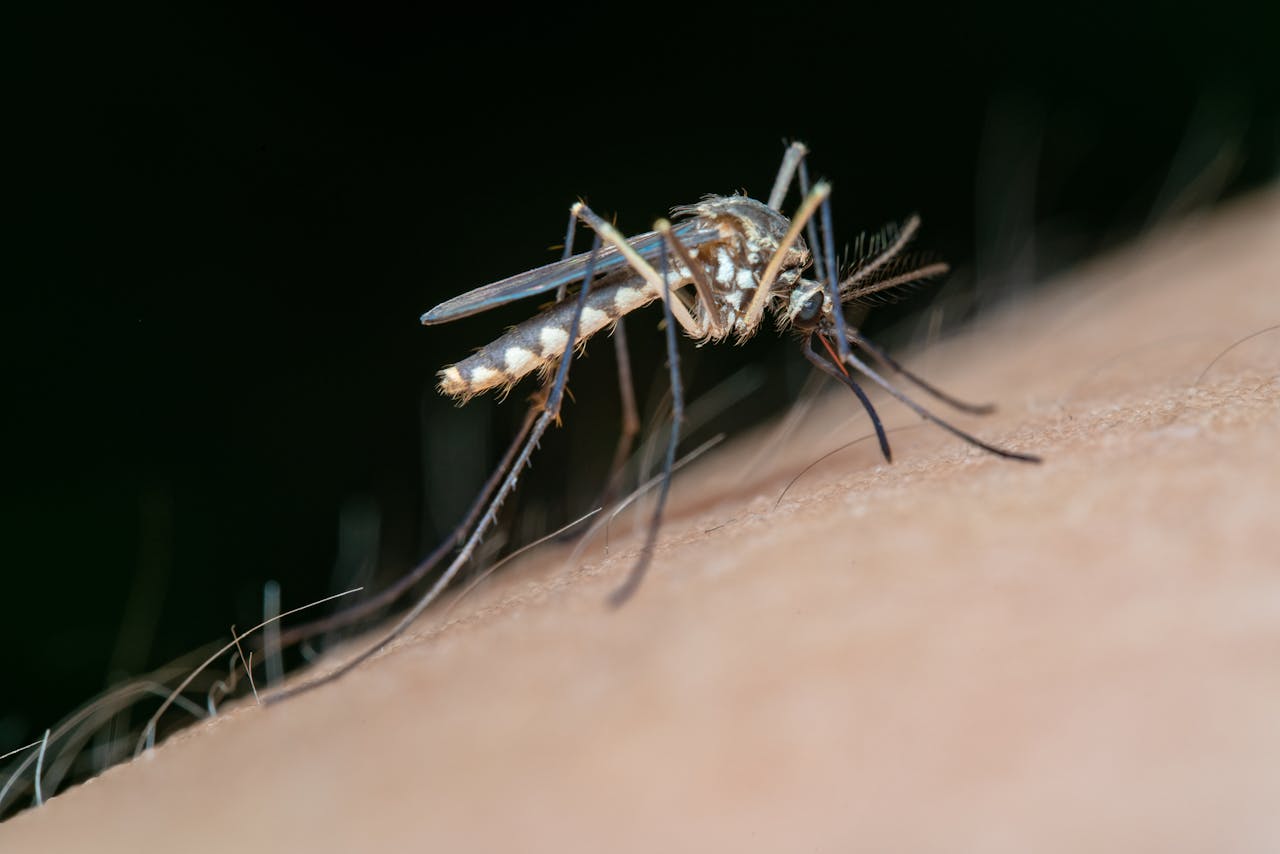
Human activity changes the landscape and how viruses spread among mosquitoes. A new study from the University of the Philippines Diliman shows that mosquitoes in urban areas host more diverse viruses than those in forests.
Researchers studied Aedes aegypti and Aedes albopictus mosquitoes. These insects are known to carry diseases like dengue, Zika, and chikungunya. The team analyzed mosquitoes from three sites in Los Baños, Laguna.
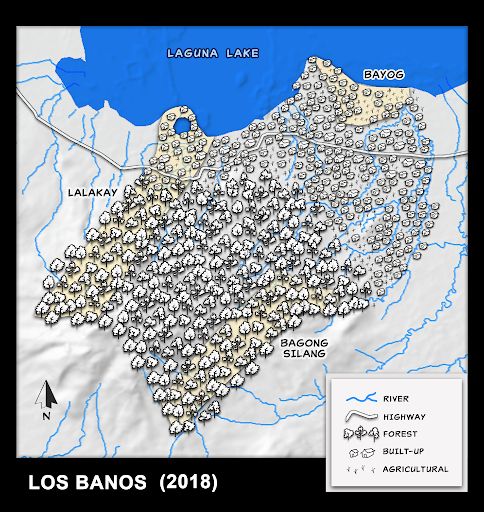
The sites included a mountain forest, a midstream area, and a flat lakeshore location. The forests in the mountain site remained largely untouched over the last 40 years. In contrast, the other two sites transformed from agricultural land into urban areas.
“Based on the land cover maps, Bagong Silang retained its forest cover in the last 4 decades as of the study date. At the same time, both Lalakay and Bayog underwent conversion from agricultural to built-up areas during that period,” the researchers reported.
The study found viruses from 12 different groups. Most were insect-specific viruses that do not infect humans. The researchers found more virus types in the urban sites compared to the forested area.
“These mosquitoes are usually disturbance-resilient and are more competent hosts for several viral isolates or strains,” the team noted.
The mosquitoes did not carry dengue, Zika, or chikungunya. However, some carried the Cell Fusing Agent Virus. This virus may stop the growth of dengue and Zika.
The team emphasized the importance of monitoring insect-borne diseases. “The potential risk of emerging and possibly unknown arboviral threats calls for strengthened surveillance programs and advanced research on arboviral diseases—those transmitted by insects like mosquitoes,” they said.
Using tools like virome sequencing helps experts track virus activity in real time. This assists in managing potential health outbreaks.
“Mosquitoes act like biological syringes, feeding on multiple kinds of hosts,” the researchers explained. “Because of this, they can provide valuable insights into viral diversity across space, time, and species.”
The study, titled “Virome sequencing and analysis of Aedes aegypti and Aedes albopictus from ecologically different sites in the Philippines,” appears in the journal Parasites & Vectors. The Department of Science and Technology and the University of the Philippines supported this work.