
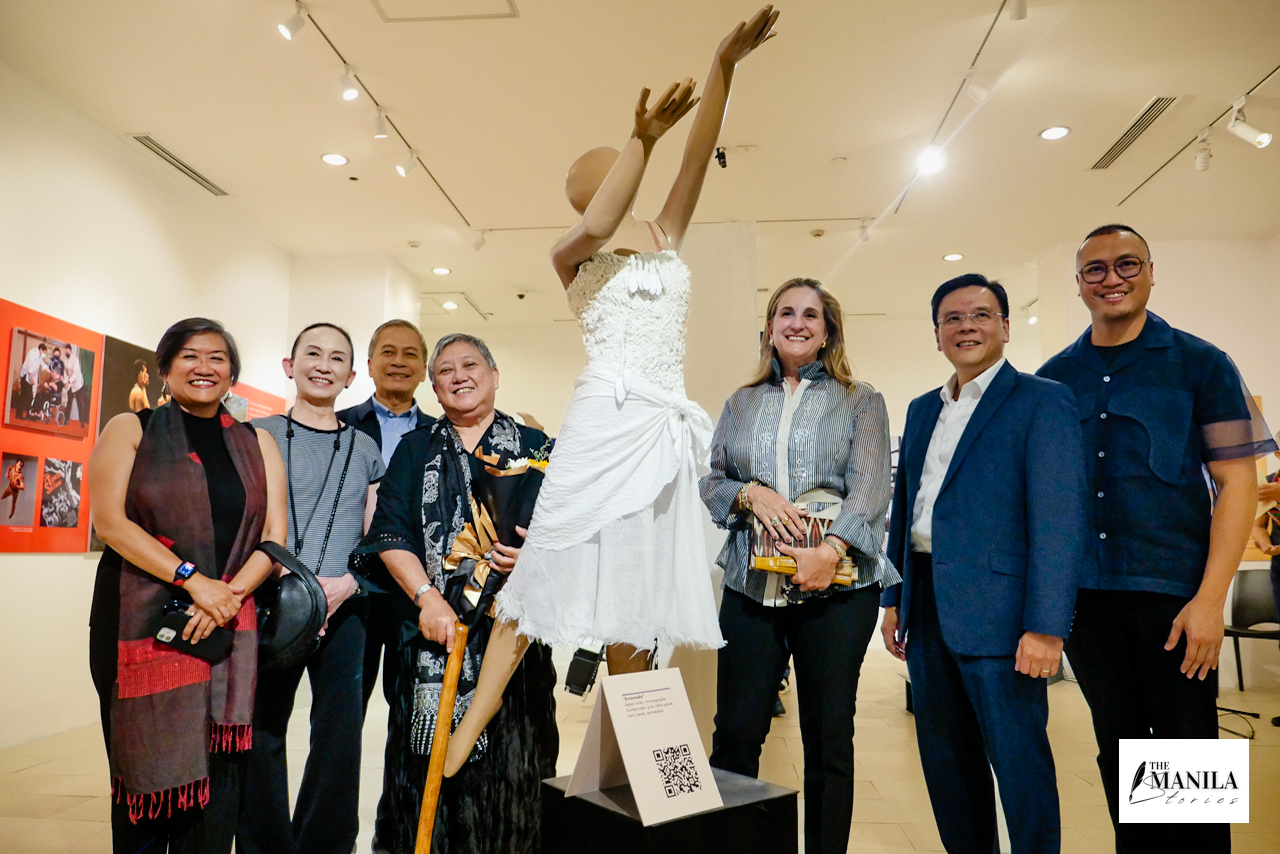
A new traveling exhibit celebrates the career of National Artist for Dance Agnes Locsin. The exhibit opened on June 10, 2026, at the Ayala Museum.
The Carmen D. Locsin Foundation organized the event. The National Commission for Culture and the Arts (NCCA) partnered in this project. Oscar Casaysay initiated this project. Talented curators Pam and Igy Castrillo designed the display.
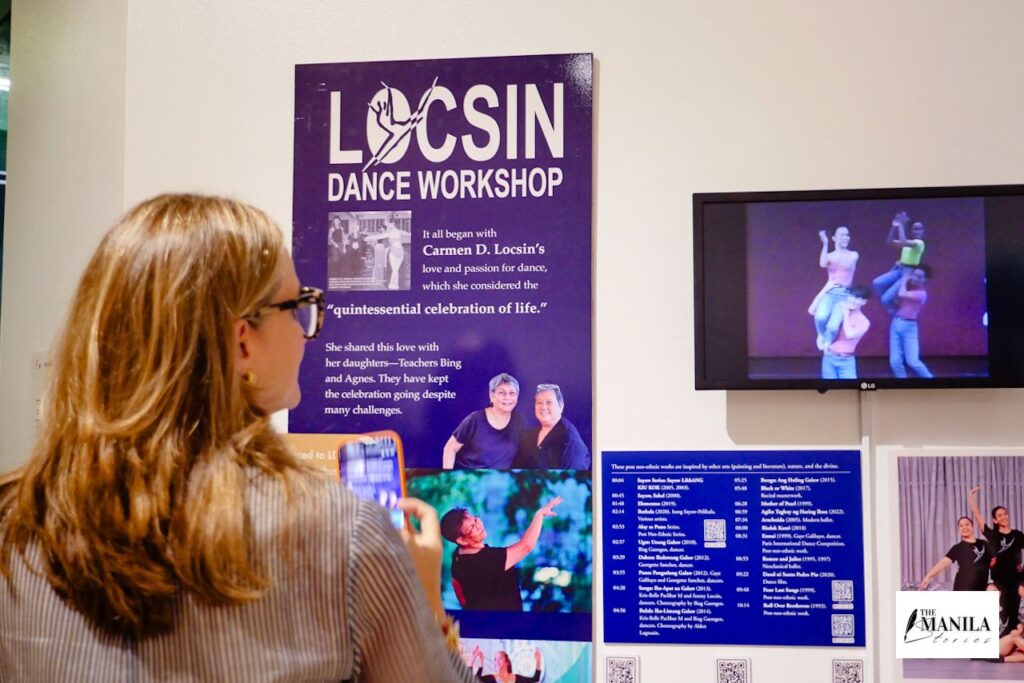
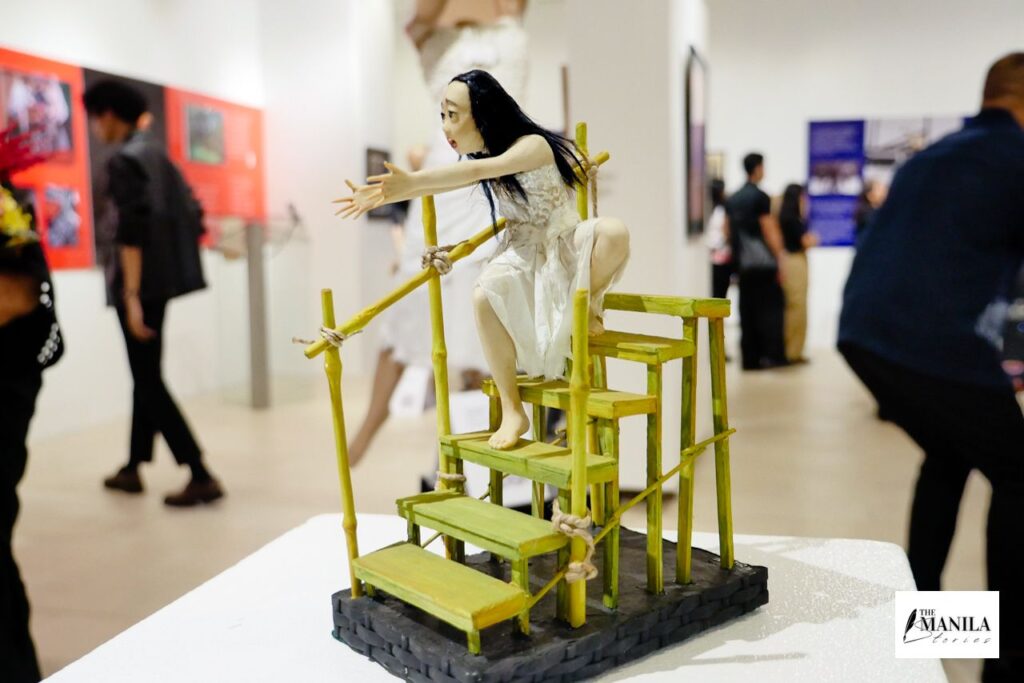
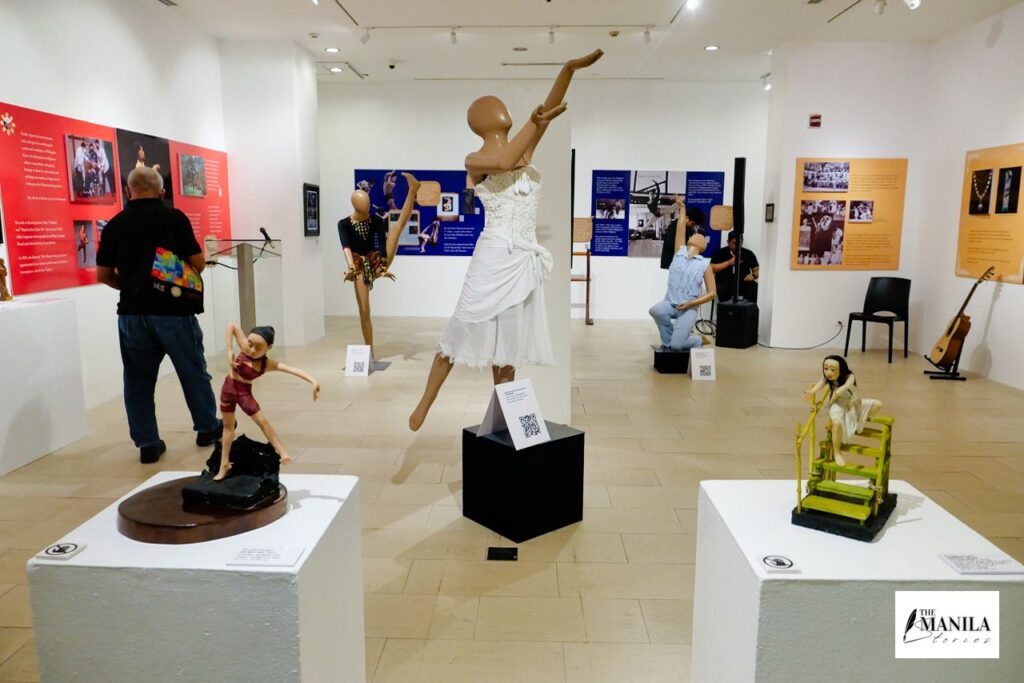
The exhibit showcases Locsin’s life. It begins with her childhood. It tracks her growth into a renowned choreographer. Visitors can view personal items and artistic works. These artifacts reveal her creative process.
Locsin is a pioneer in Philippine dance. She created the neo-ethnic choreography without even realizing it. This style adapts ethnic Filipino movements into ballet and modern theater. She remains the only artist to bridge these forms successfully.
The display highlights her signature works. These include Encantada, Igorot, and Babaylan. The collection offers a deep look into cultural memory.
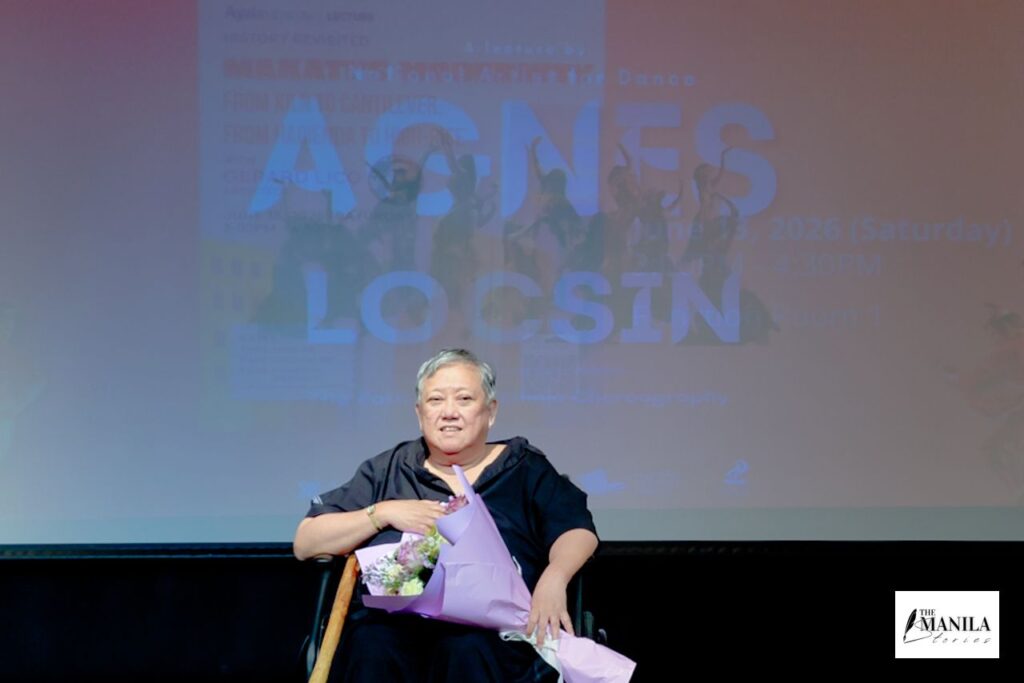
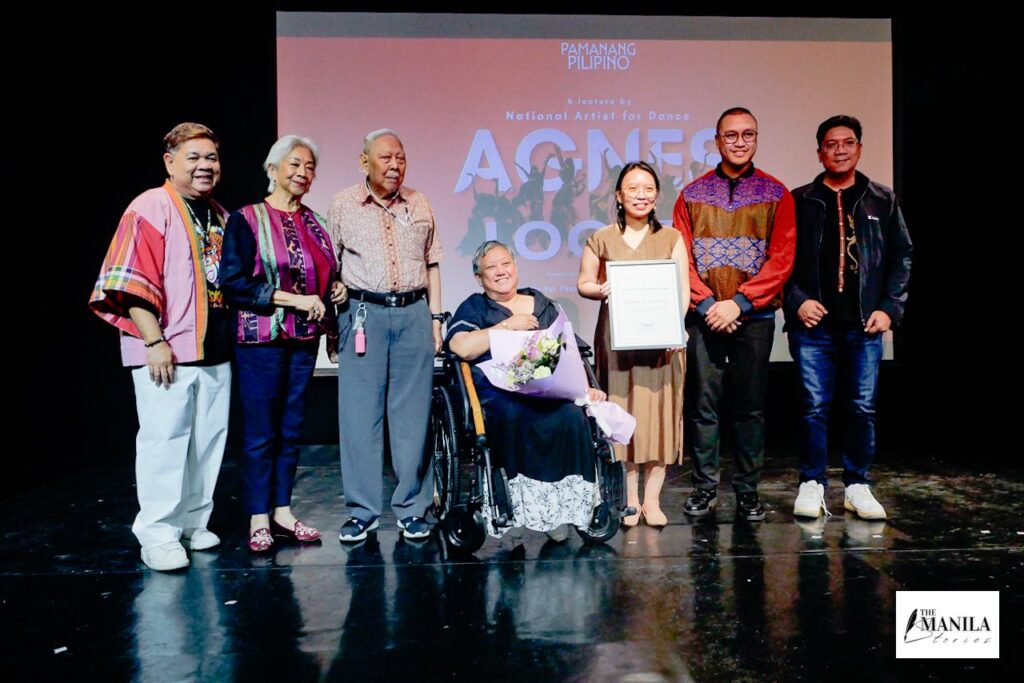
A special lecture followed the opening on June 11. Locsin spoke about her lifelong journey. She discussed the influence of her parents on her career. Her home played a major role in her creative process.
Her mother, Carmen D. Locsin, was her first dance teacher. Her father was a photographer. She took hintsnof photography into movement. Their sala was their dance studio.
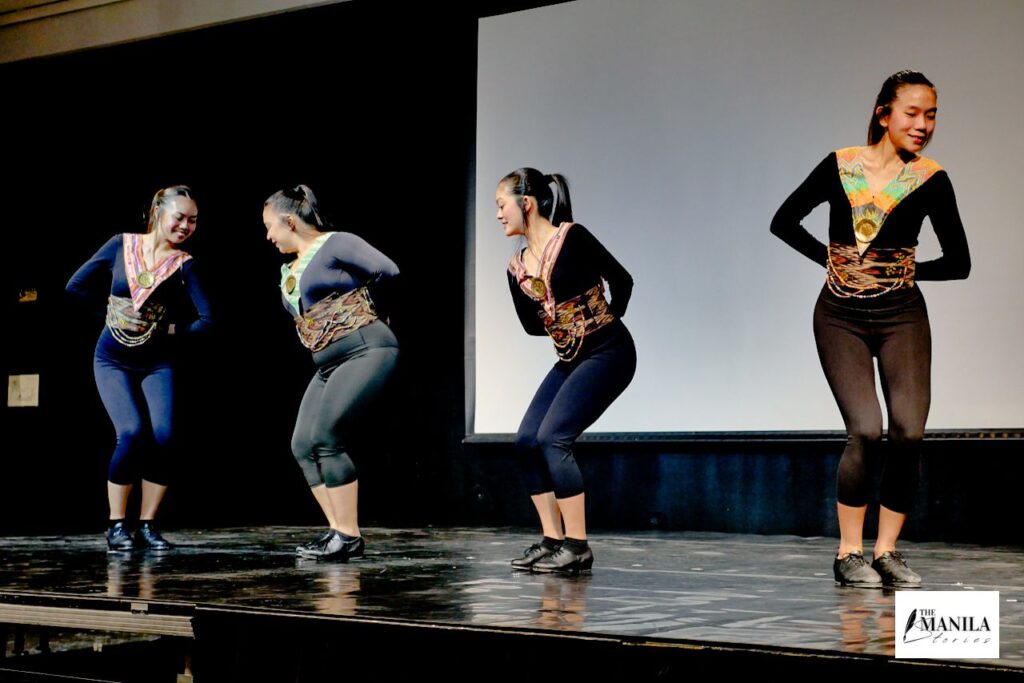

The session titled “The Path to Neo-Ethnic Choreography” explored her movement language. She shared stories behind her most famous dance pieces. The event included a live performance. Dancers fused neo-ethnic style with tap dance. This experiment shows her ongoing innovation.
The exhibit will remain at the Ayala Museum for three weeks. It is part of the Order of the National Artist program.
The show provides a direct look into her artistic practice. It honors her role as a mentor to Filipino dancers. Her work continues to shape the future of Philippine performance art.
Schedule details are available at the museum. The exhibit is open for free to the public. You can find it on the second floor of Ayala Museum.