
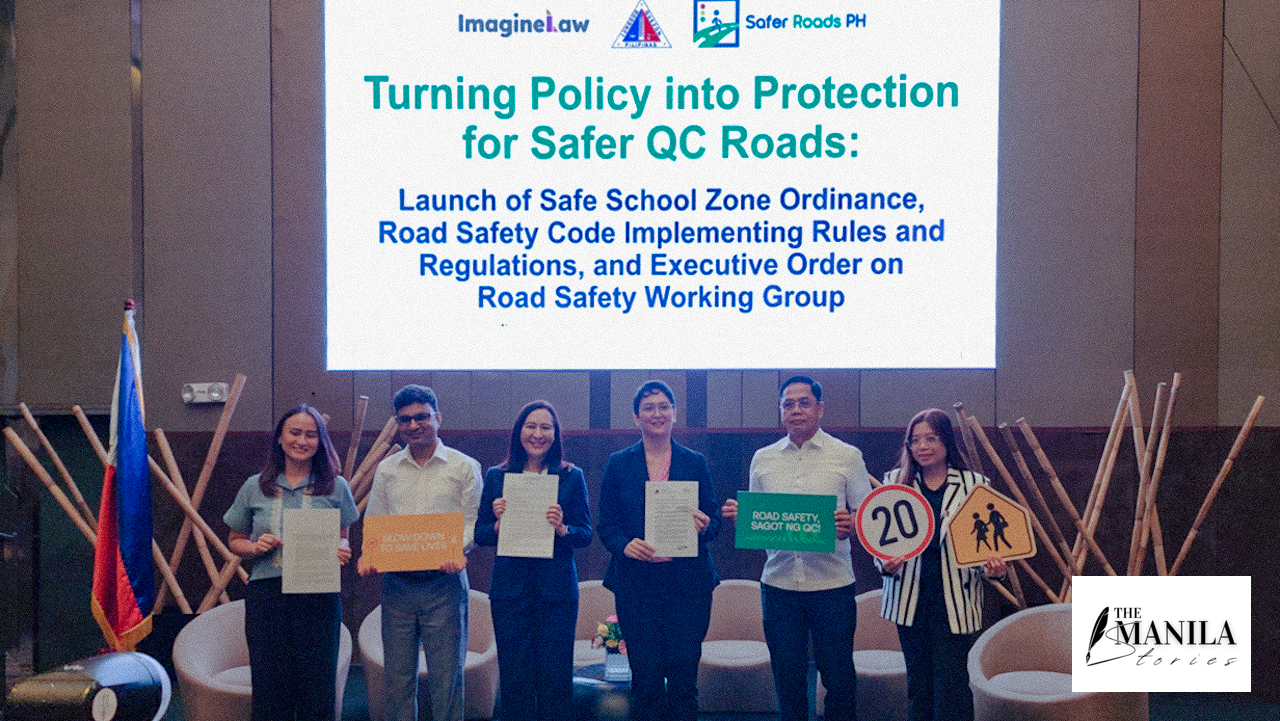
The local government launched three new road safety policies on June 29, 2026. These measures aim to prevent traffic injuries and deaths. The initiative is part of a global partnership to promote public health.
Quezon City currently records the highest number of road crashes in Metro Manila. Officials hope the new rules will reverse this trend.
The city government introduced the Implementing Rules and Regulations (IRR) for its Comprehensive Road Safety Code. This code was first enacted in 2018. It is the first policy of its kind in the Philippines. It uses a “Safe System Approach” to design roads that prevent serious accidents.
The city also passed a “Safe School Zone Ordinance.” This law mandates lower speed limits near schools. It also requires improved pedestrian facilities and better traffic management.

“The Safe School Zone Ordinance aims to strengthen measures that will ensure the welfare and protection of students within and around school premises, including protection from road and traffic injuries,” Councilor Aly Medalla said.
Finally, the city established the Road Safety Working Group (QC-RSWG). This group will monitor the city’s road safety action plan and evaluate traffic programs.
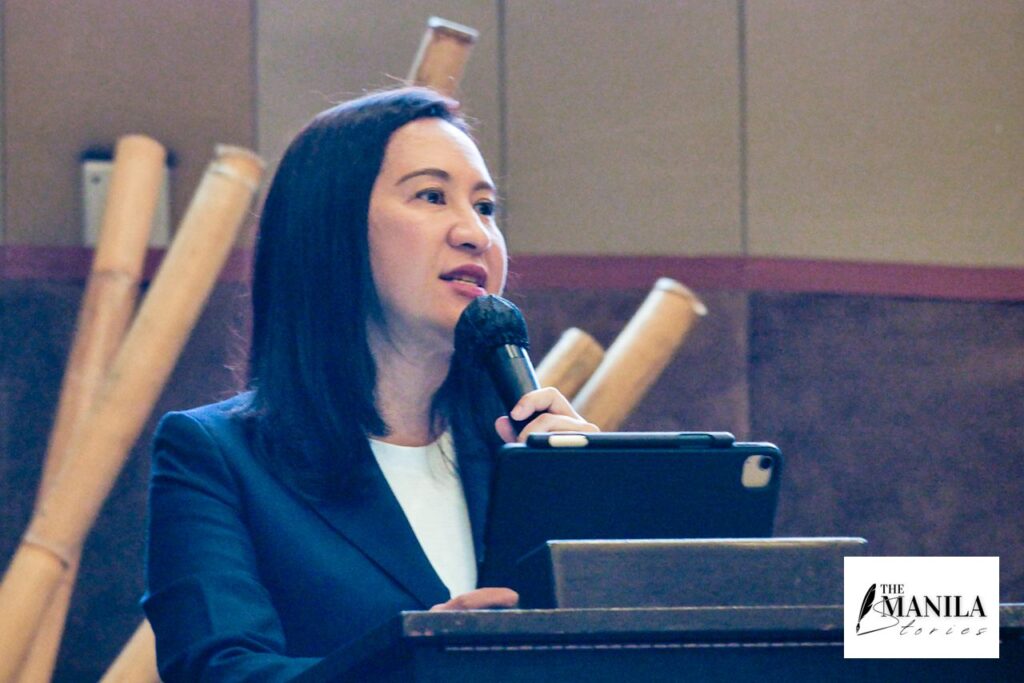
Mayor Joy Belmonte emphasized the city’s commitment to these changes.
“We will continue working to ensure that everyone is safe on Quezon City roads,” Mayor Belmonte said. “We are also proud that Quezon City has prepared for this next phase by training assessors who will help conduct school road safety audits and identify opportunities for road safety engineering interventions,” she added.
Traffic and Transport Management Department Head Dexter Cardenas oversaw the development of these new measures. The QC-RSWG will now guide the long-term enforcement of these rules.
Experts praised the city for these steps. Road accidents are a leading cause of death for people aged 5 to 29 worldwide.
“We commend the Quezon City Government for continuously championing safer roads for all,” said Atty. Sophia San Luis, Executive Director of the law group ImagineLaw. “As a pioneer in enacting a comprehensive road safety code, we hope that Quezon City inspires more cities and municipalities to do the same.”
The project is supported by the Partnership for Healthy Cities. This is a global network of over 70 cities. They focus on preventing injuries and noncommunicable diseases.
“As a member of the Partnership for Healthy Cities, Quezon City and its leaders demonstrate how decisive local action can create safer roads and save lives,” said Farhad Ali, Deputy Regional Director for Asia Pacific at Vital Strategies.
City officials expect the new policies to make daily commutes safer for students and the general public. Enforcement will begin immediately as the city shifts from planning to active implementation.