
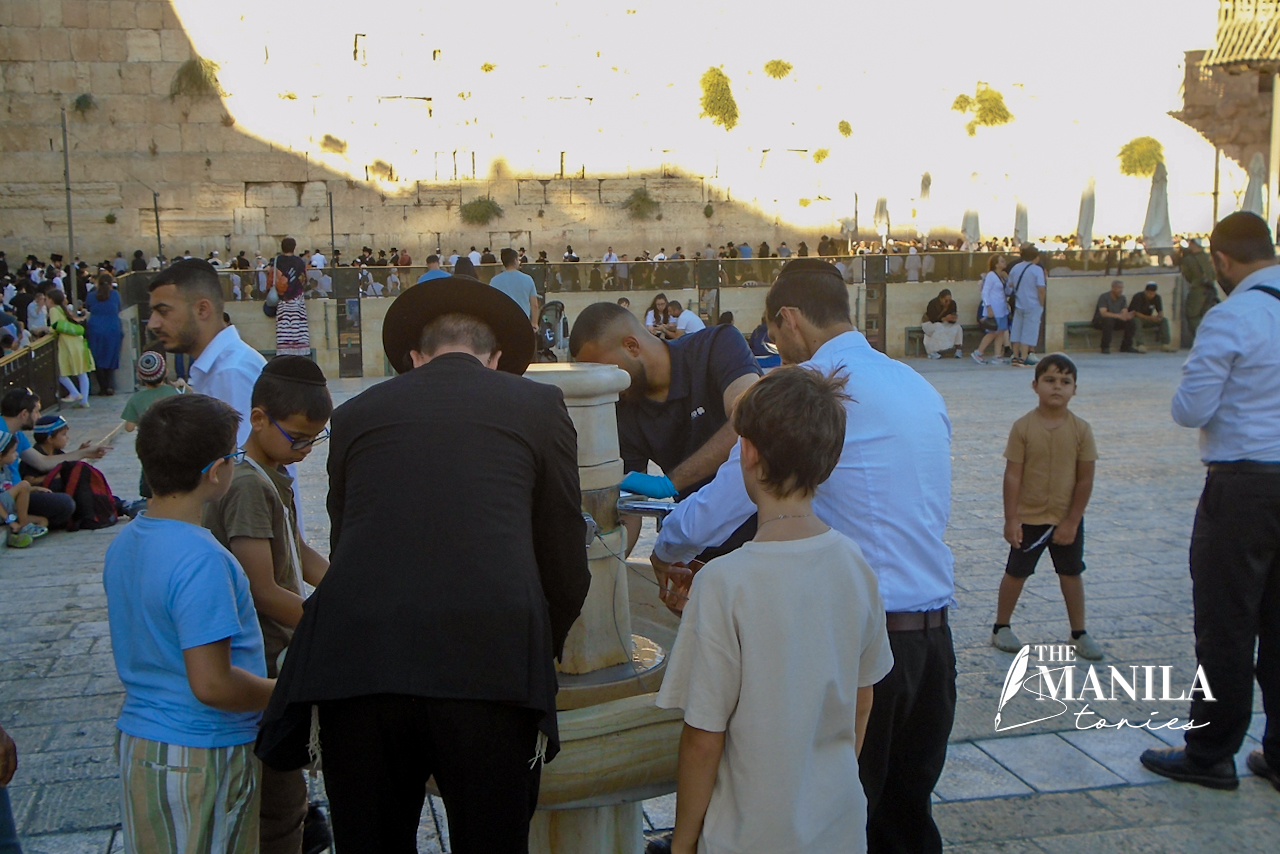
Jerusalem is a city, district, and municipality, but it offers more. It is more than just a pilgrimage destination for Christians or Muslims. There are places that you never thought to visit in Jerusalem.
We came to Jerusalem in its hottest month. Their summer is a chill season for Filipino tourists. Yet, the urban settlement in the desert is typically peaceful and cooler than Tel Aviv. Most probably, the presence of well-planted trees in its urban landscape.
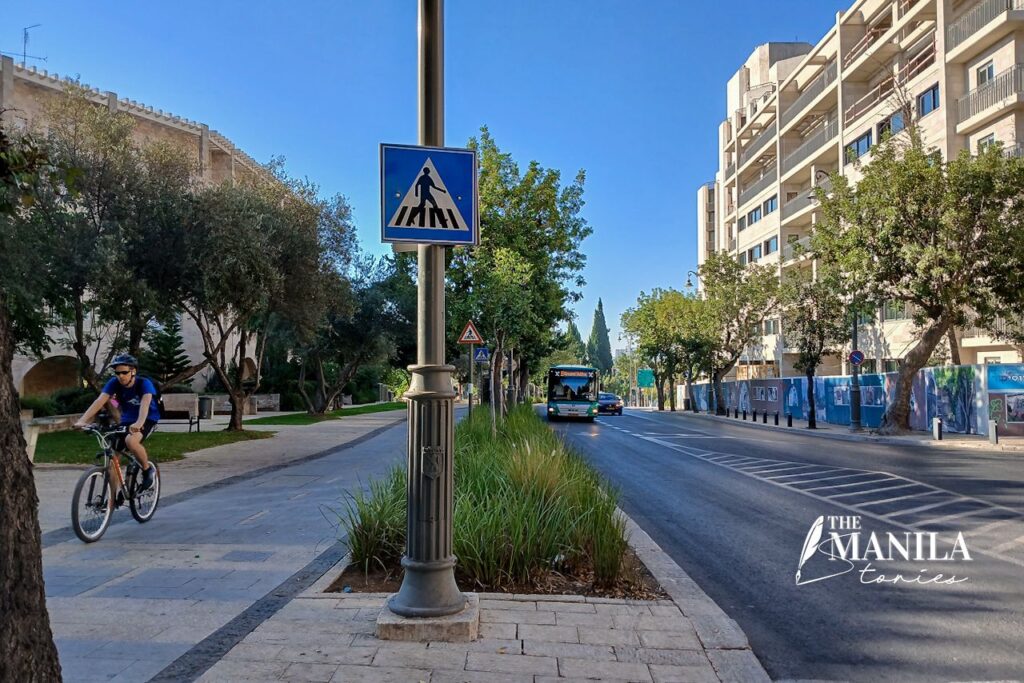
Keren Kayemeth LeIsrael – Jewish National Fund (KKL-JNF) planted all of these trees in the State of Israel. Each tree planted commemorates a once-living human life. Evidence that life is respected everywhere else in the country.
Jerusalem, a place to remember religious origins, but it is also a place of rich history. The Old City at the Temple Mount unravels more of this history. A history that shaped human societies through conquest and religion. Knowing a bit of that history helps us understand Israel’s role in the Middle East.
Deep into the Old City
Synonymous with the name The Holy Land, Jerusalem is no stranger to pilgrims. However, it falls short in its tourism. There are other tourist destinations besides the Western Wall itself.
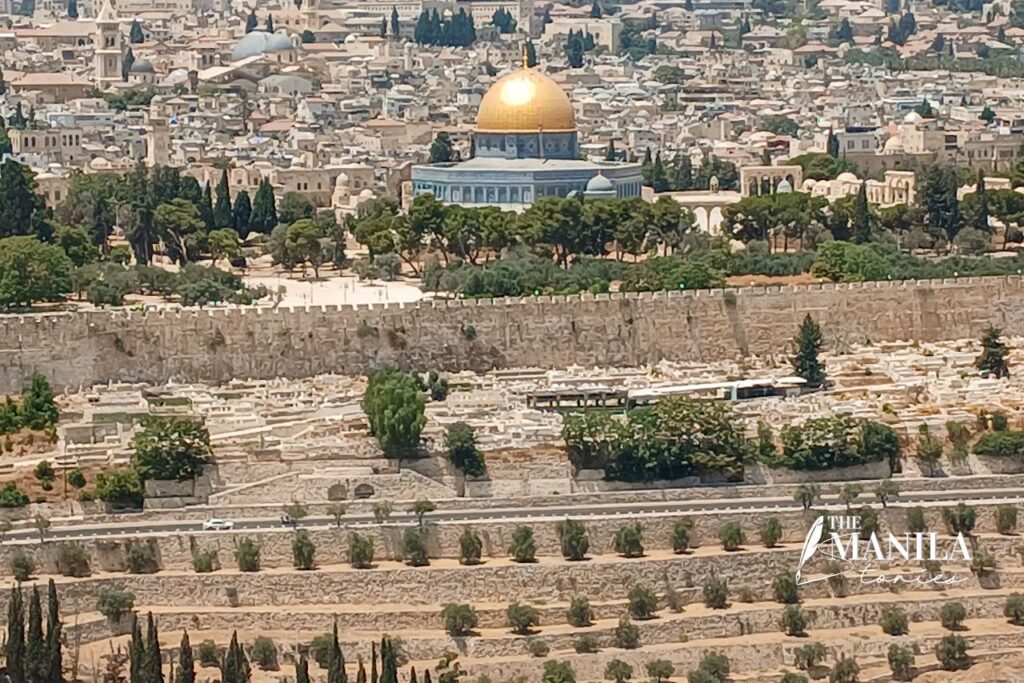
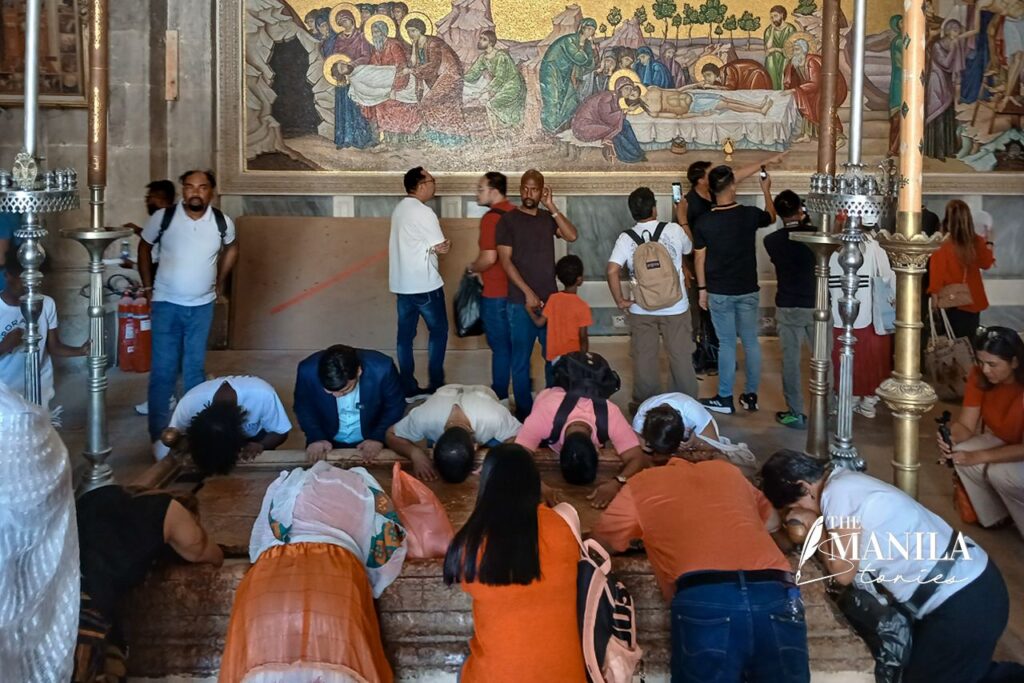
The Temple Mount has religious importance to the Jews, Christians, and Muslims alike. Visitors could know more when they delve into its Western Wall.
Underneath the Western Wall are several layers of history. The story begins long after the Tabernacle stood on permanent ground, from the vision of the great King Herod. Yes, that same King that the Christians despised has a heart for the Temple Mount. Below the Temple walls are the scars of that history.
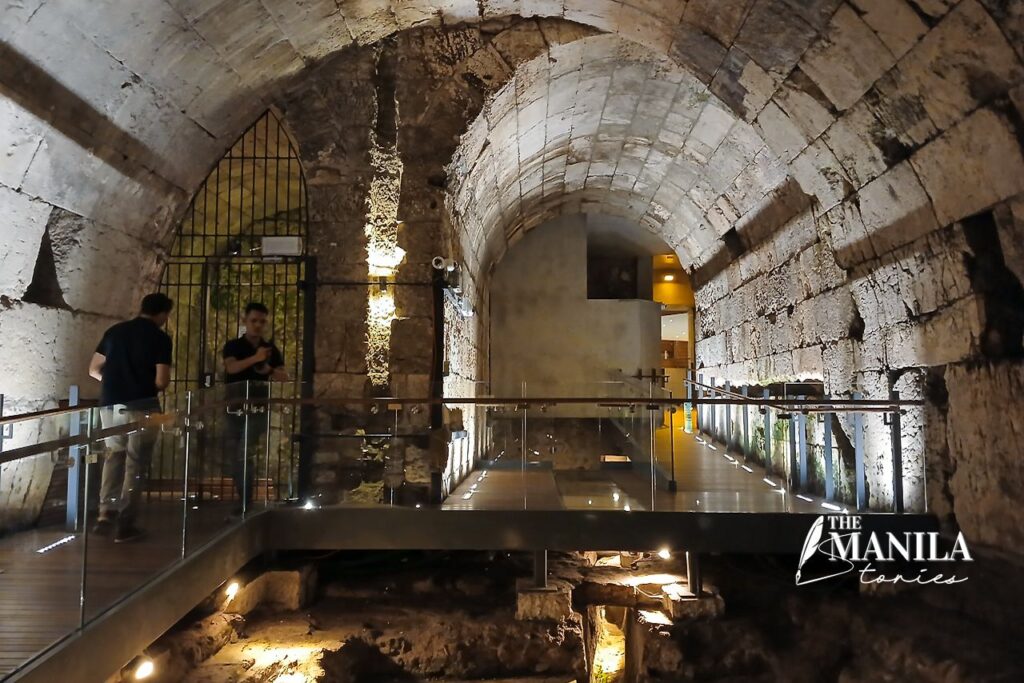
The network of tunnels beneath the Western Wall can tell a lot. Stories from the Romans up to the Ottoman Empire. You can clearly see the rebuilding and renovations done to the Temple underneath its wall. Realizing that these tunnels served more than just pathways and water irrigation. They also serve as a space for the high officials and even commoners who existed under the village.
Get into The Shuk
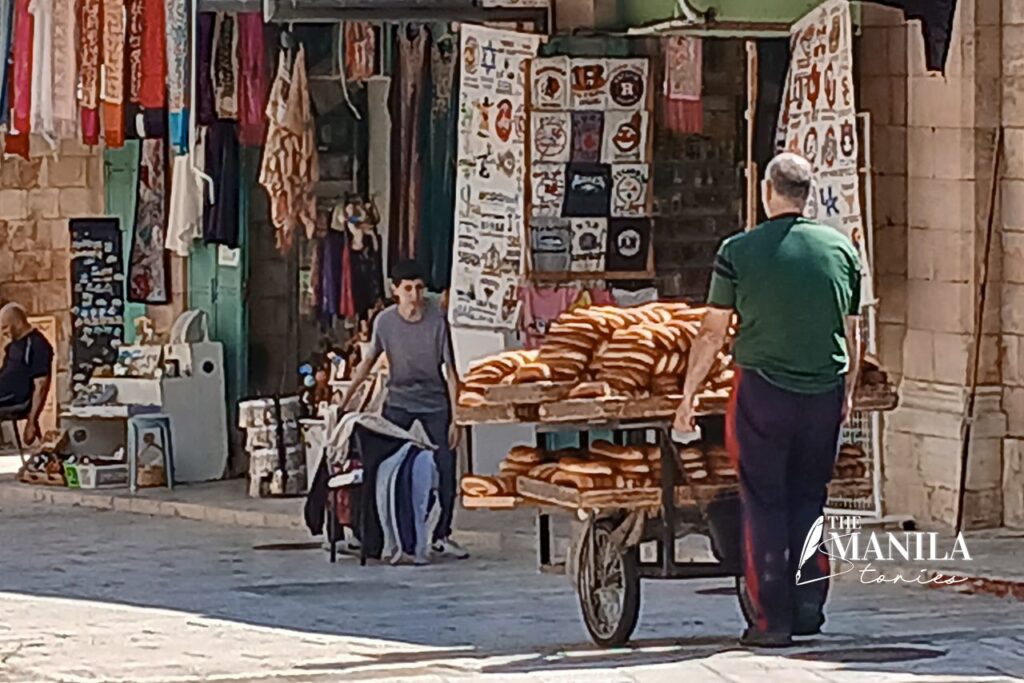
While life has moved outside the Old City. Modern cultures from several points of the Middle East get mixed in new Jerusalem. The best place to see all these cultures is at The Shuk. The nickname for the popular Mahane Yehuda Market in the new Jerusalem.
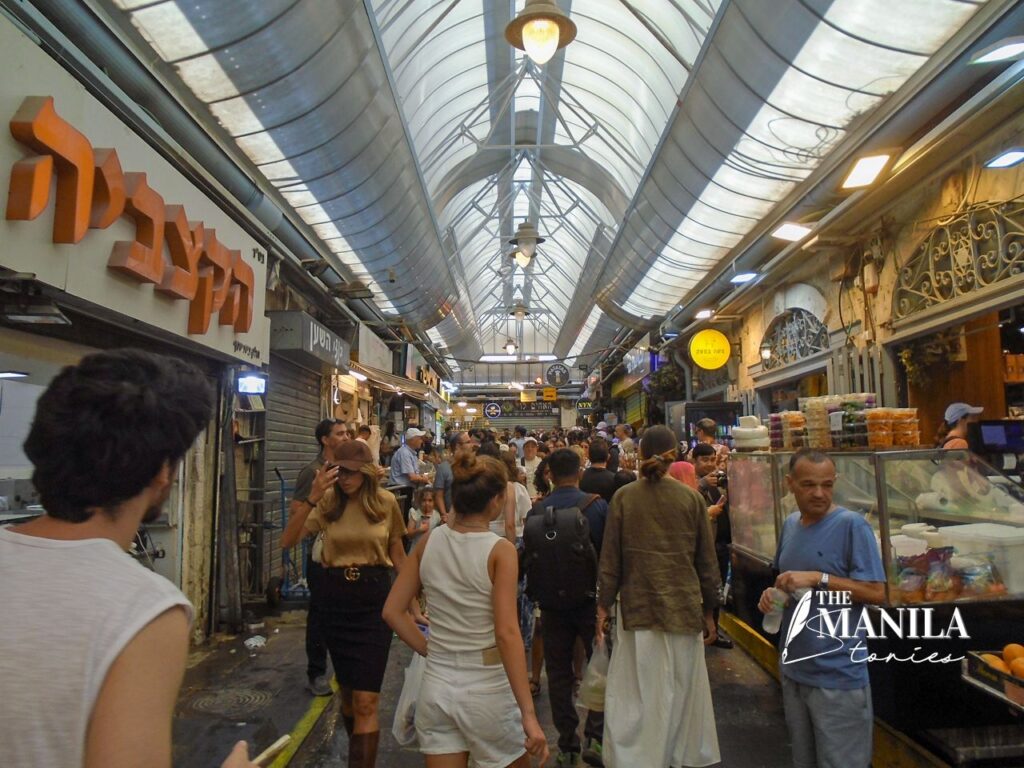
A popular marketplace of Jerusalem where every culture gets mixed in their own way. Heck, our guide through this market is a Yemenite, Adi Sharabi. With her, we get through the busy aisles of The Shuk. You’ll find Palestinians and Jews everywhere. They’re selling from food stores and afternoon bars on every corner. You feel the daily grind, the heat, and the chattering noises that a market should be.
A raw experience of what Jerusalem is all about. The Mahane Yehuda welcomes everyone, including tourists like us. Sometimes you want to get lost in the market. When you get lost, people are genuinely happy to help and welcome you to their store. They’ll even volunteer to take a picture of you. They’ll chat with you and offer you a bite of their food. They’ll even ask to celebrate with you.
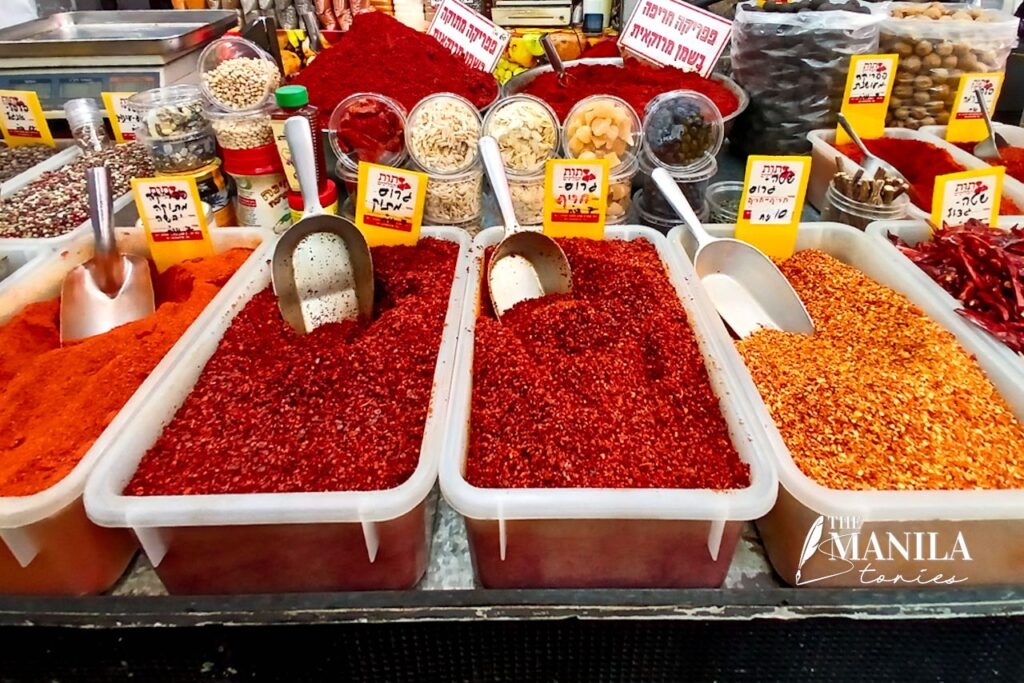
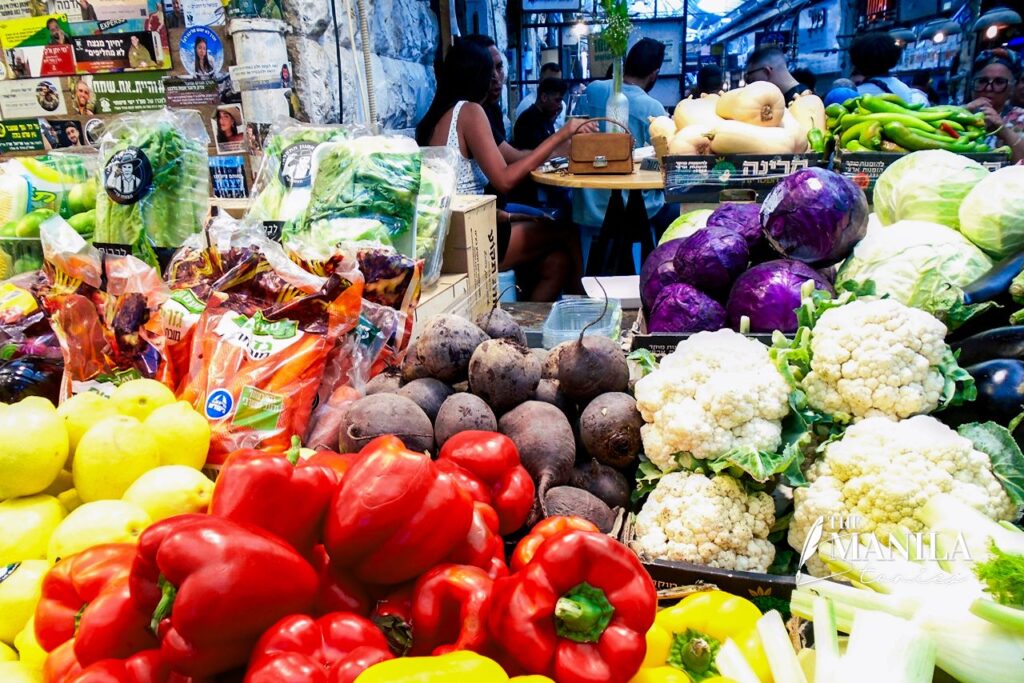
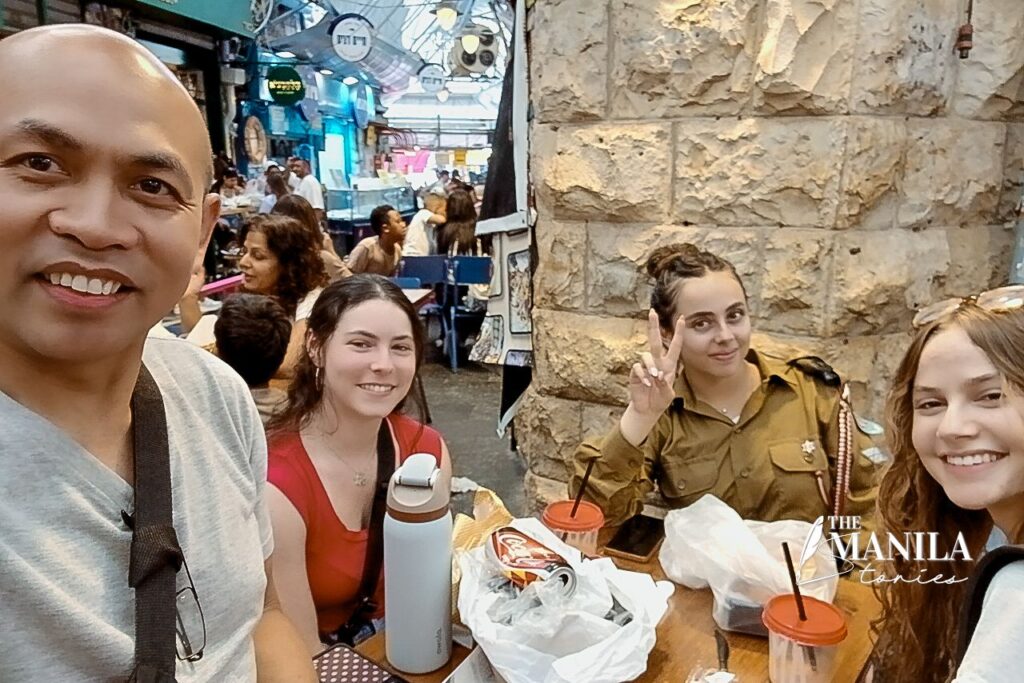
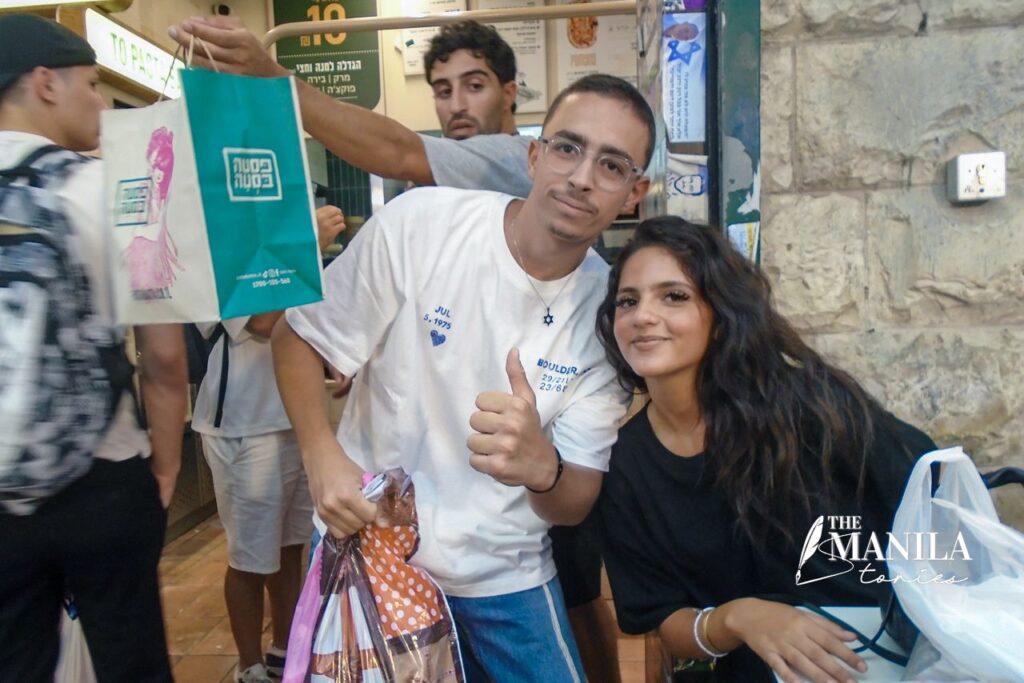
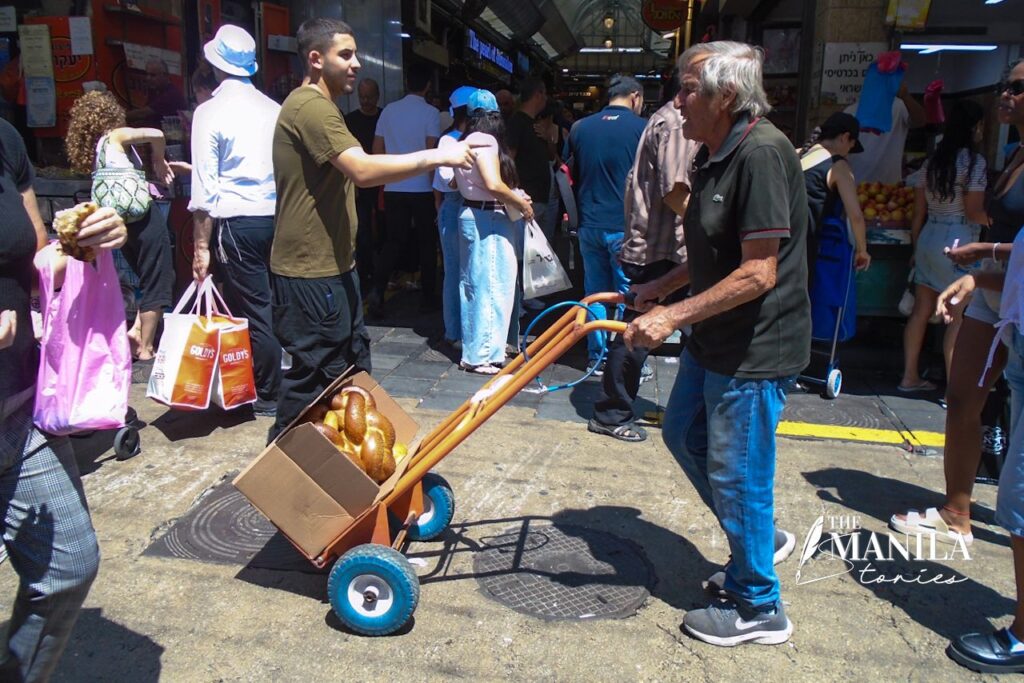
The market is truly colorful with all the cultures in it. Forgetting to mention the murals and arts all over the place. Beggars also don’t shy away. Frankly, the market beggars are more presentable than the ones in Manila.
Crawling through the night streets
While the market is all revealing. The streets of Jerusalem can tell it all. An evening walking through the city tells a lot about the city. The night streets can tell how safe and secure the place is.
Unlike the era of dictatorship in the Philippines, the streets of Jerusalem are safe for everyone. While there are strict national protocols, due to the ongoing conflict, they are hardly noticeable.
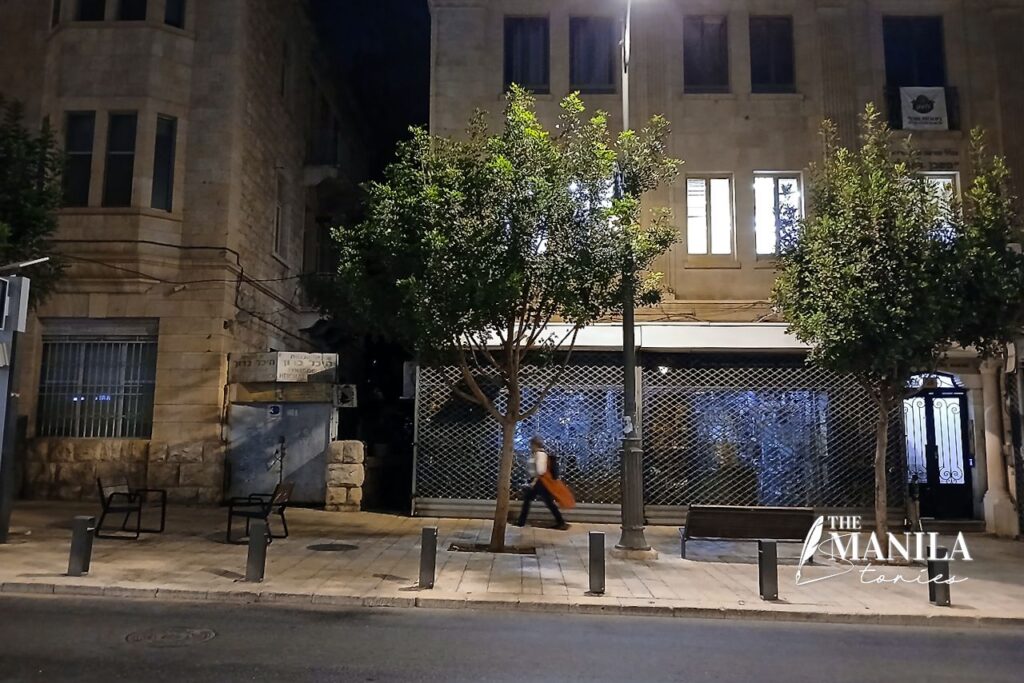
You can confidently get lost in the side streets. As long as your handy Google Maps is working with mobile data, you can find your way back to your hotel. In the spirit of exploration, I’m both naive and a risk-taker.
While that sounds exciting, it became boring. First, it was the Sabbath, when the streets were quiet and empty. Second, I’m using a borrowed smartphone that doesn’t have an eSIM. Without it, Google Maps is useless, and the details for that are in another discussion.
Because I grew up in an era without smartphones, I found my way back. But I learned a lot from the four-kilometer walk.
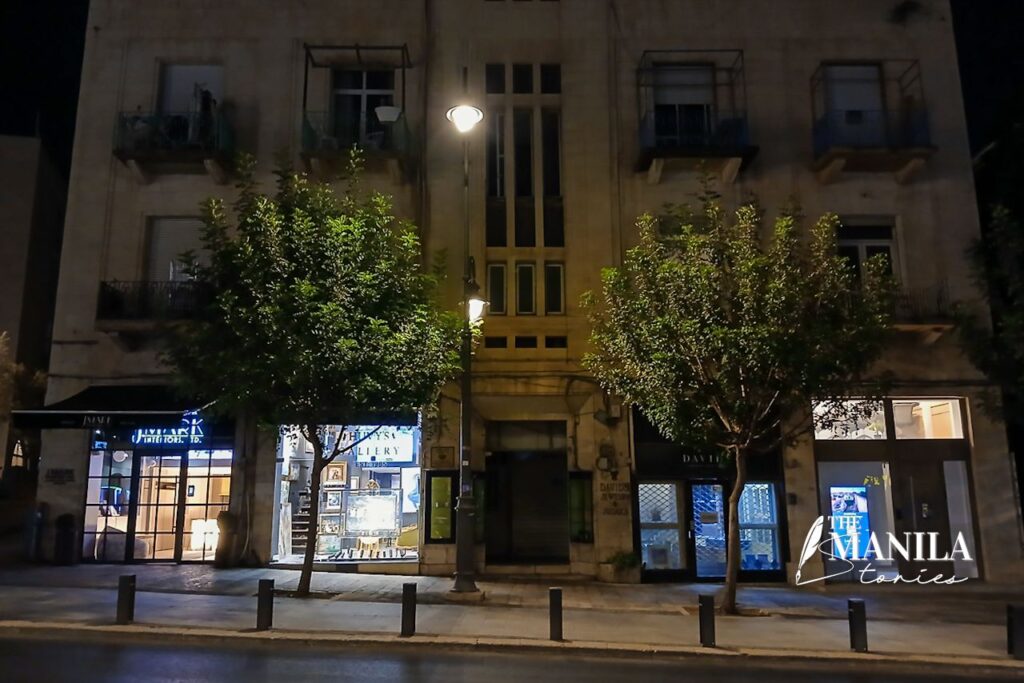
Shops are either half lit and/or partially closed. Cars would stop if you stood too close to the edge of the sidewalk at a pedestrian crossing. People wander the streets at their own time. Despite the Sabbath, not everyone strictly practices it.
No big distracting electronic Ads on the streets of Jerusalem. No homeless person on the streets or any wandering dogs, but some cats move freely. There is no 7-Eleven at all in Jerusalem. After a few corners, you can find a convenience store. Then I went into a speakeasy bar for a drink.
After everything else, the three-day stay in Jerusalem is not enough. There is a lot to discover what the district has to offer. The weather is more convenient for a Filipino in their summer season. If there is a chance to visit Israel, I would definitely come back to Jerusalem.