Ateneo de Manila University is helping shape a new national innovation blueprint. The initiative aims to help Philippine universities turn research into real-world products and technologies.
The Commission on Higher Education leads the national project. The University of Southeastern Philippines implements the study. It is called the Innovation Blueprint of Higher Education in the Philippines.
The nationwide project creates a data-driven roadmap. The roadmap strengthens the country’s research and innovation ecosystem. It examines six key areas. These areas include discovery and technology development. They also cover product development and technology transfer. Funding structures and entrepreneurial ecosystems round out the focus.
Ateneo was chosen as a key institution for the study. Its policies and governance structures provide vital evidence. The school shows how research operates under actual Philippine conditions.
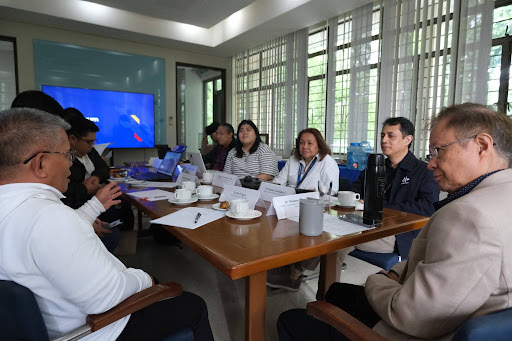
A CHED-IBP delegation visited Ateneo. The group engaged with the university’s ecosystem through presentations and interviews. They also visited relevant campus facilities.
Dr. Rec E. Eguia led the delegation as project leader. Study leaders included Dr. James Jade S. Lasquites and Dr. Mildin J. Retutas. Dr. Rey A. Castillo and Dr. Ariel L. Reyes also joined the team. Dr. Filmann T. Simpao served as a study leader too. Research associates Michael John L. Galendez and Ana L. Pantonial participated. Jerell Paden served as the administrative assistant.
Ateneo leaders represented the university during the visits. Dr. Filomeno Aguilar Jr. served as a primary representative. He is the assistant vice president for research, creative work, and innovation.
Dr. Proceso Fernandez Jr. also joined. He directs the Ateneo Intellectual Property Office. Dr. Maria Leonora Guico participated as well. She is the executive director of the Ateneo Research Institute of Science and Engineering.
Dr. Lea Macaraig took part in the discussions. She directs the Ateneo Innovation Center. Dr. Jose Mario Diaz completed the team. He is the research coordinator for the School of Science and Engineering.
Their participation highlighted several university strengths. These included knowledge generation and interdisciplinary research. They also showcased intellectual property and technology transfer.
Participation gives Ateneo a clear chance to examine its own progress. The school can assess its strengths and gaps. This happens as the national framework takes shape.
“The steady growth of our international and local collaborations has never been by compulsion, but by attraction,” Dr. Aguilar noted. “You make an ecosystem that naturally encourages people to do their work. It doesn’t happen overnight but in time.”
The project will produce an Institutional Case Study Report. Findings will identify practices that other schools can replicate.
Ultimately, the findings will inform concrete policy recommendations. They will support the proposed CHED Innovation Blueprint. The blueprint gives universities a clear pathway from ideas to commercialization. It also lets each institution develop unique innovation niches.