Israel is more than one way similar to the Philippines. Israel is the only Jewish country in Western Asia, or the Middle East. The Philippines was the only Christian country in ASEAN before 2025. Timor-Leste, which has 99.6% of Christians, joined ASEAN on 26 October 2025.
We need to dive into Israel’s culture for us to love and hate this country. To understand that culture, we need to know their religion. Here we will try to scratch the surface of Judaism to understand Israeli culture.
Israel’s population is 76% Jews, 21% are Muslims, and the rest are neither. A country that harbors non-Jewish citizens harmoniously. It also means that religion can influence its political system. Unlike the Philippine Constitution, which separates religion from politics, Filipino lawmakers still use religion for justification.
The Foundation of Oral and Written Traditions
Religion is influential to Israeli culture, politics, and history. A foundation that we need to understand even just on the surface.
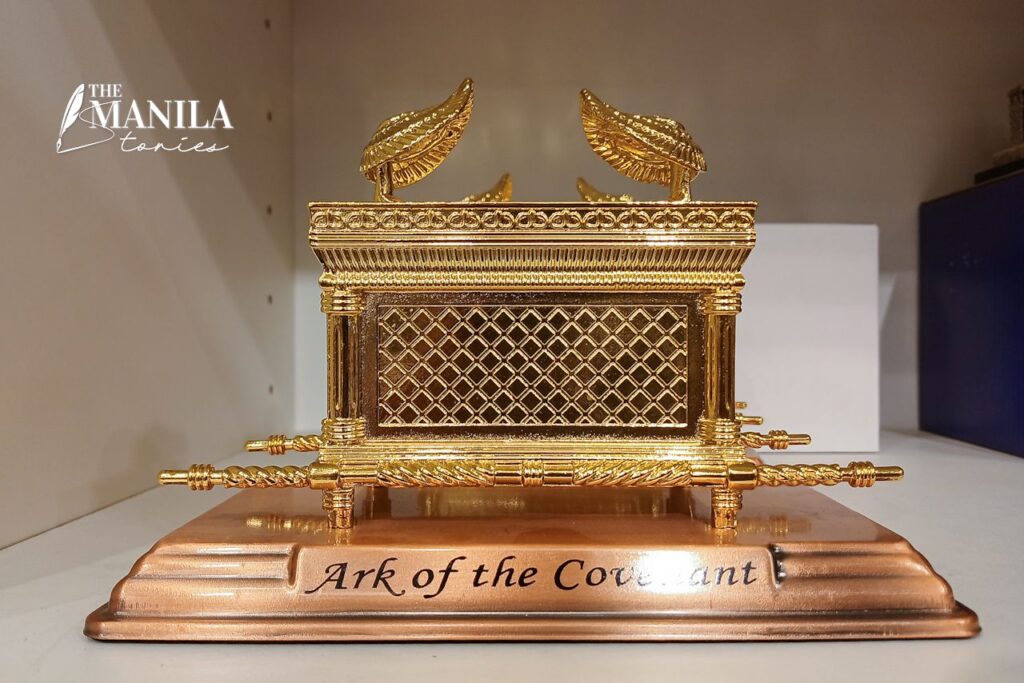
Judaism is recognized as a predecessor of both the Christian and Islamic faith. Despite that, we still misunderstand this religion. A religion where the Jewish people have to keep the sacred Covenant.
To scratch the surface, we need to look at the foundation of Judaism. The Tanakh and the Talmud are its core foundation. The Tanakh is the Written Law divided into three sections. The Talmud is an Oral Law that expands and explains the Tanakh with other supporting sacred documents.
Christians would look at the Tanakh as the Old Testament, but not exactly. The Tanakh is an acronym of the Torah, Nevi’im, and Ketuvim (TNK), which are 24 books. These books are arranged according to law. The Old Testament holds 39 books arranged by genre but looked at in chronological order.
The Torah is the Five Books of Moses built when Moses talked to God at Mount Sinai. Next, the Nevi’im, which are books on the Prophets. Lastly, the Ketuvim are about the Writings. Understand its arrangement as Christopher Nolan’s cinematic storytelling. The Torah is the main plot or core of the story, then the Nevi’im introduce other characters, and then a flashback to Ketuvim as a narrative.
The laws and practices of the Tanakh are overwhelming that the Talmud exists. Rabbi Joshua Weisberg, also a wonderful chef, gives us an insight about the Talmud. He shares that “It is an enormous record of rabbinic teaching, legal discussion, biblical interpretation, stories, arguments, ethical reflection and religious thought.” An oral scripture that Jesus Christ, as a Jew, would gladly use to what constitutes the Tanakh. The Talmud can be compared to the complexity of the Catechism of the Roman Catholic Church.
Key Figures of Judaism
This Oral tradition was later established five centuries after Jesus Christ’s time. It was written after the collapse of the Temple Mount. It created the Jewish Rabbinic system, which places the Jewish Priesthood aside. Judaism became a community-centered religion.
The Rabbi, or “my teacher”, now becomes the religious figure to keep Judaism alive. A separate entity that doesn’t answer to the Jewish Priesthood. Yet becoming a Rabbi is not an easy task. “Rabbinic training generally involves years of intensive study of the Tanakh, the Talmud, and Jewish legal tradition. Rabbis often need much more than textual knowledge, though. A modern Rabbi might be required to teach, preach, counsel families, visit the sick, conduct weddings and funerals. They answer questions of Jewish law, lead communities, and deal with everything from education to family crises. Modern Rabbinical schools often include pastoral and professional training alongside traditional textual study,” Rabbi Weisberg shares this insight.
You might wonder what happened to the Jewish priests? These are descendants of Aaron, Moses’ brother, who was given a divine task. Technically, they are called Kohen and are inseparable from the Temple Mount in Jerusalem. Because the Temple Mount was destroyed in 70 CE, the Rabbinic system took over. Rabbi Weisberg said, “Priests nevertheless retain certain roles and customs in Jewish life. For example, in traditional synagogues give a special priestly blessing.”
This is why citizens in Israel efficiently follow laws and norms. It is also why many famous scientists, like Albert Einstein, are intellectually gifted.
Different Views of Judaism
Like any other religion, it is still unavoidable to have several perspectives. Christianity has several branches of belief, from the Greek Orthodox to the Roman Catholic Church. Judaism itself has four movements, but we look at three of them. The Reconstructionist is a relatively new movement that we will put aside for now.
The Orthodox Jews, including the Ultra-Orthodox, follow a secluded and stricter traditional lifestyle. Then the Conservative group observes traditional Jewish practices that balance with modern life. Lastly, the Reform Judaism follows more ethical teachings and adapts rituals fit for a more contemporary life. These movements somehow startle the political layer of the country. One of them is the mixed view on the mandatory military service after the incident on 7 October 2023. Ultra-Orthodox Jews are exempted from military service.
Mission to Exist and Move On
Now, we understand a little more about Jewish culture. We see different initiatives to keep the Israelite spirit alive. In a spirit of the right to exist and reliving through the Jewish community. A community that has experienced several displacements. Scattered throughout several regions from their homeland and then back. But getting back and continuing to exist is not easy.
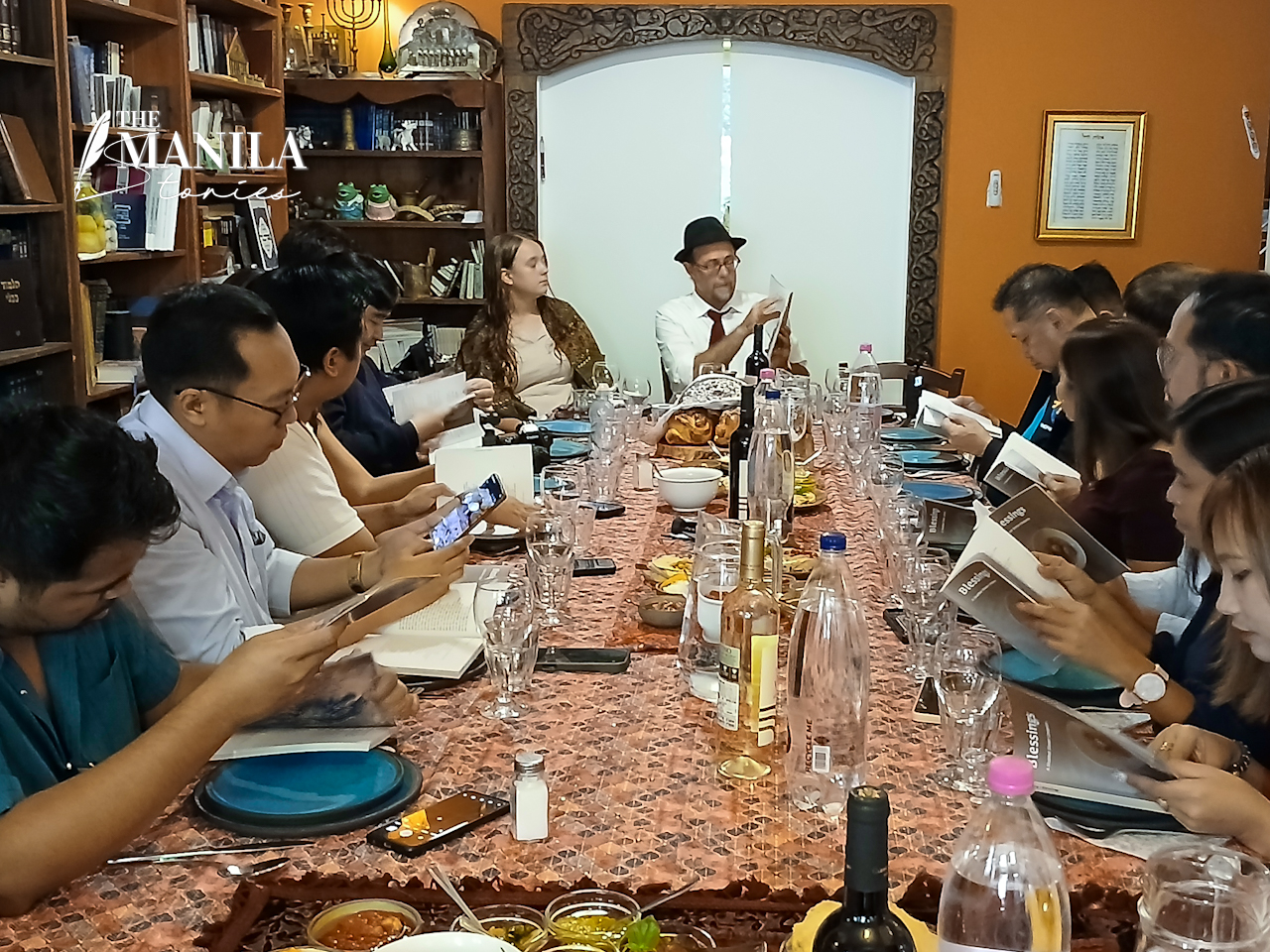
This is why many Jews still exist outside of Israel. An extraordinary commitment for Jews to help other Jews, which leads us to the Chabad House. It can be looked at as a Jewish Community Center.
The Orthodox Jewish communities establish these centers to provide a safe space for Jewish socialization, practice, and traditions. These are communal places that don’t replace a synagogue or a house of worship.
Chabad Houses are not meant to displace others or to recruit them. Unlike Christian missionaries or Islam’s Da’wah that encourages others to join their religion. Jews don’t have such efforts. Rabbi Weisberg would say, “No Rabbi would ever try to convince someone to convert. It is a person’s free choice. It is difficult to be a Jew. And not responsible to push that on anyone. Especially since God loves both Jews and non-Jews.”
Sabbath for everyone
The Sabbath is one of the Jewish practices that everyone can adapt. One of the practices that many Christians misunderstood.
The Sabbath is derived from the Hebrew word shabbat. The word means “to rest”, “to cease,” or “to stop”. A tribute to God when he stopped and rested after six days of creation.
In Jewish practice, the Sabbath starts after Friday sunset and ends on Saturday sunset. In modern Jewish practice is a complete disconnect from worldly things and a time for your wellbeing. This means peace of mind, self-care, rest, relaxation, time for family, mental calmness, no job or career work, no social media, no TV or gadgets, and a complete time for yourself.
In Filipino culture, this can constitute “Mahal na Araw” or the Holy Week. Yet Holy Week happens once a year. Filipinos can adapt this as a Sabbatical practice as a weekly event. American work society uses this as a Sabbatical leave from a more stressful job.
With all the things happening in the world, we need a voluntary Sabbatical leave. A time for us to reset, rest, and enjoy life.