
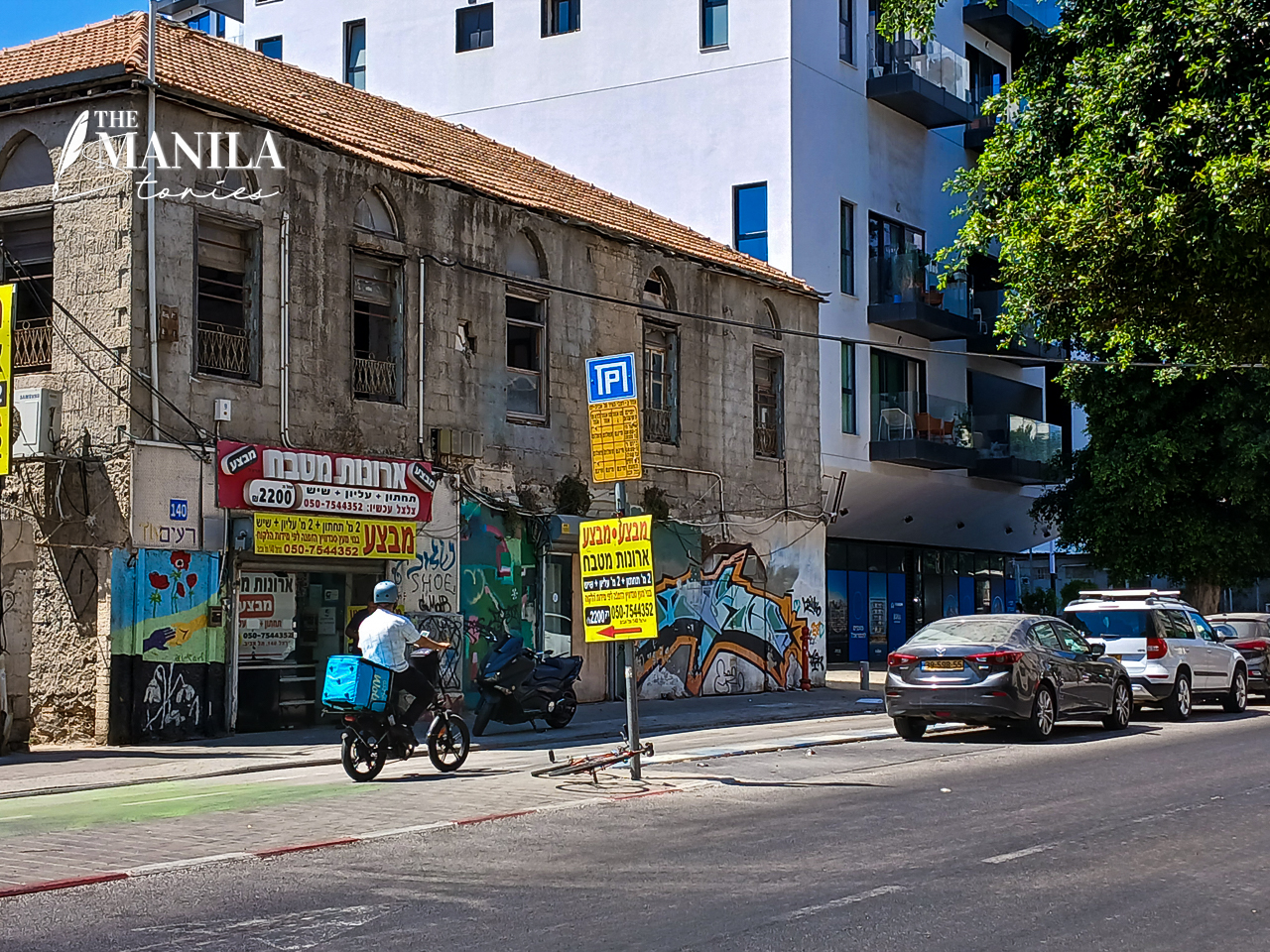
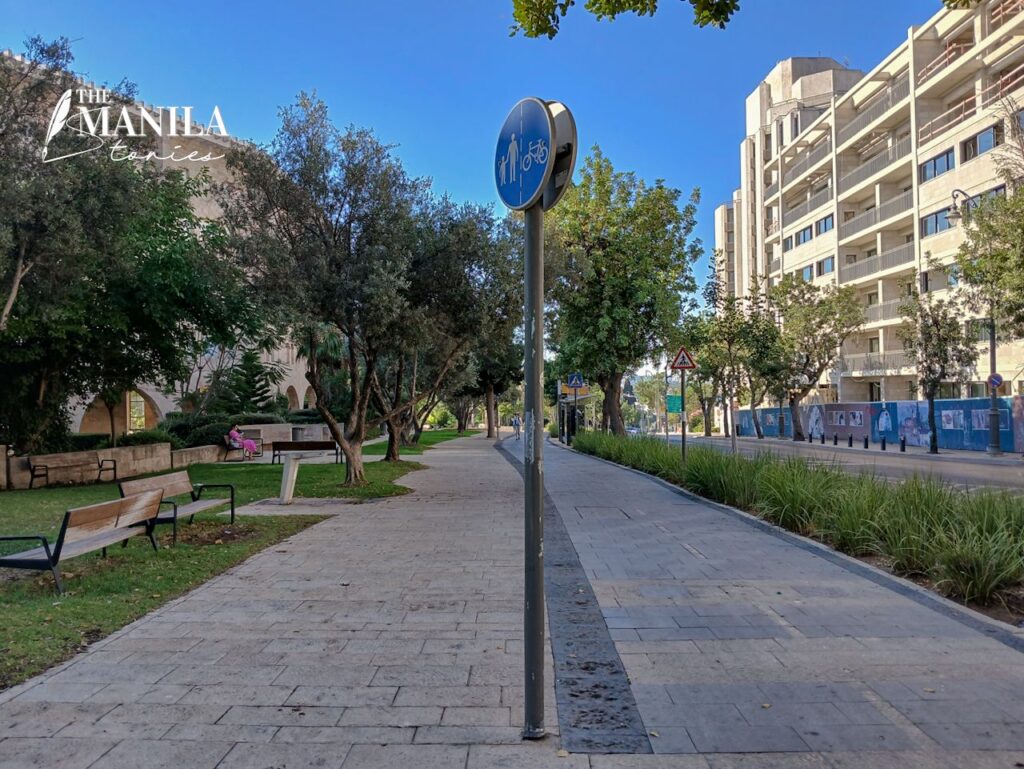
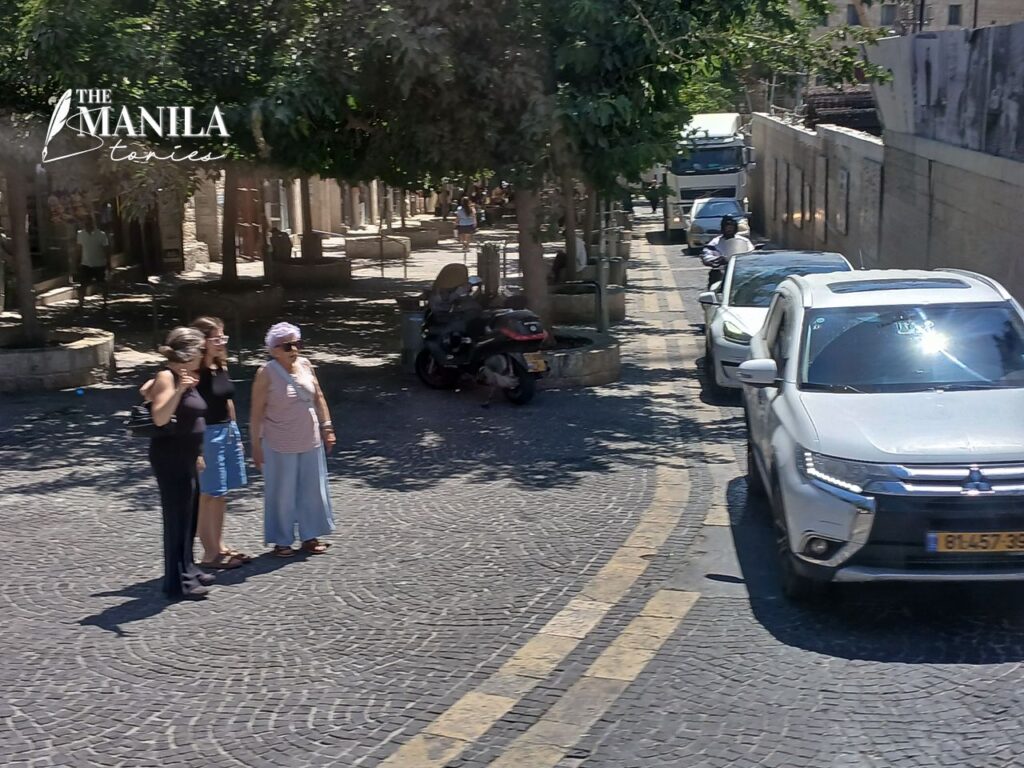
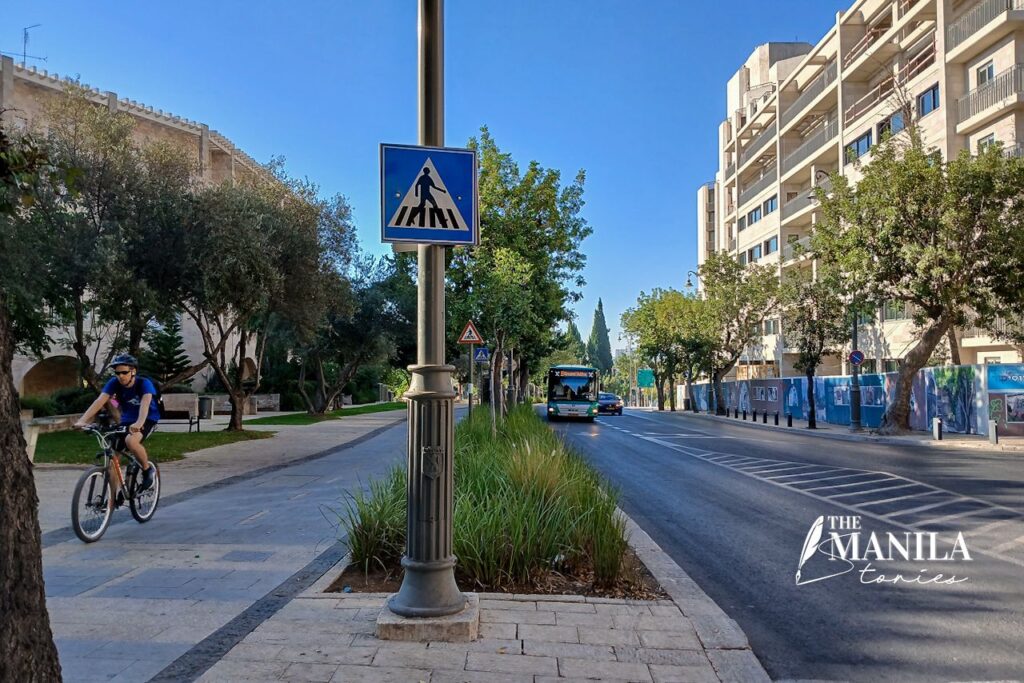
A Filipino stepping onto the streets of Jerusalem for the first time is likely to notice something extraordinary before even looking at the ancient landmarks: the sidewalks are roughly as wide as a two-lane motor roadway. The kerb step is comfortable. It is about four or five fingers high that offers an easy, natural transition for walkers of all ages. It stands in stark, immediate contrast to recent infrastructure overhauls in Metro Manila (MM). Where new sidewalks in MM are off the ground at an unnatural eight-finger jump that creates an inconvenient hurdle for pedestrians, disrupts natural foot traffic, and invites accidental trips and falls.
For many older Filipinos, walking through these streets evokes a sense of nostalgic familiarity. The road infrastructure feels strikingly reminiscent of Metro Manila in the mid-1980s to 1990s. An era before the Metro Manila Development Authority (MMDA) took over street management, when local police managed traffic, annual vehicle registrations were capped at 100,000 cars, and drivers showed genuine consideration for vulnerable road users. In Israel, pedestrians and cyclists are treated not as obstacles, but as the fundamental priority of urban space.
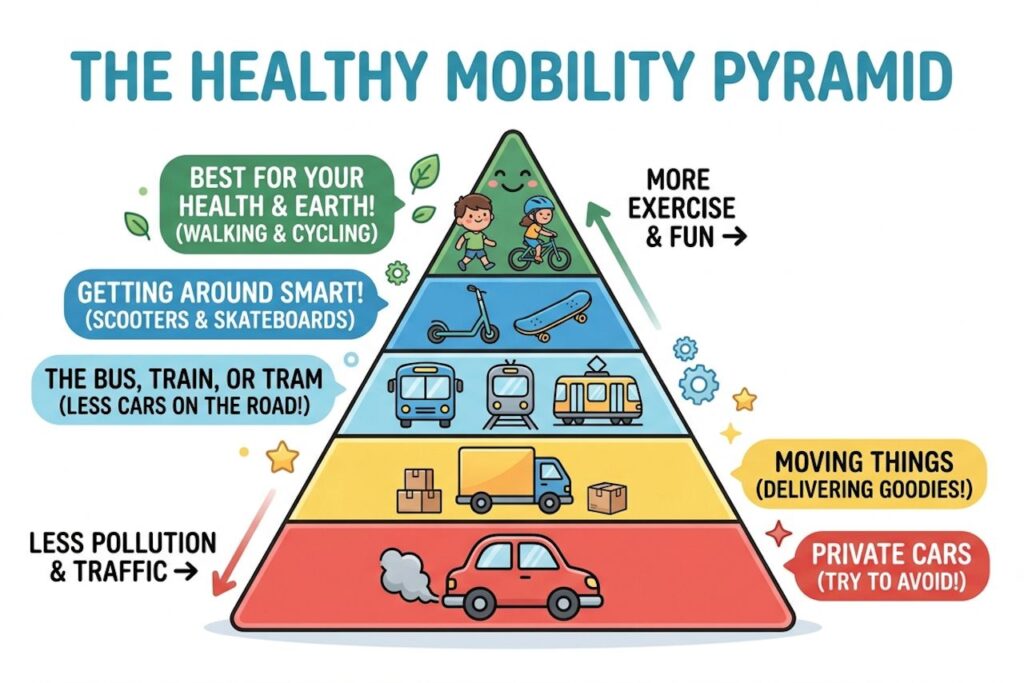
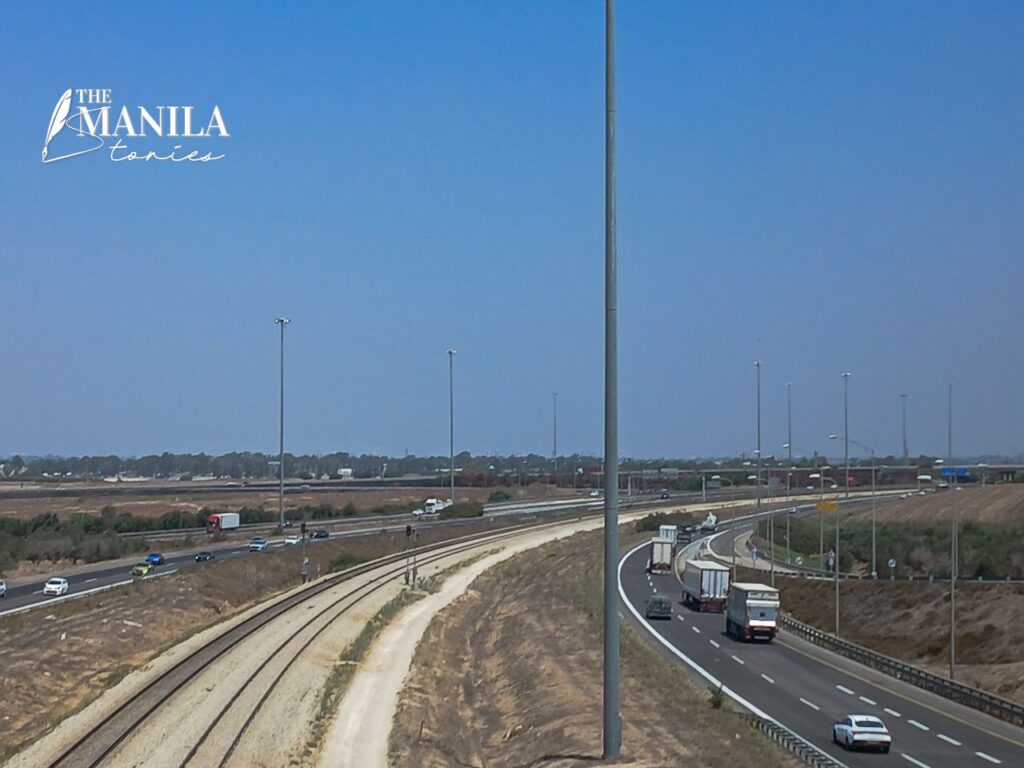
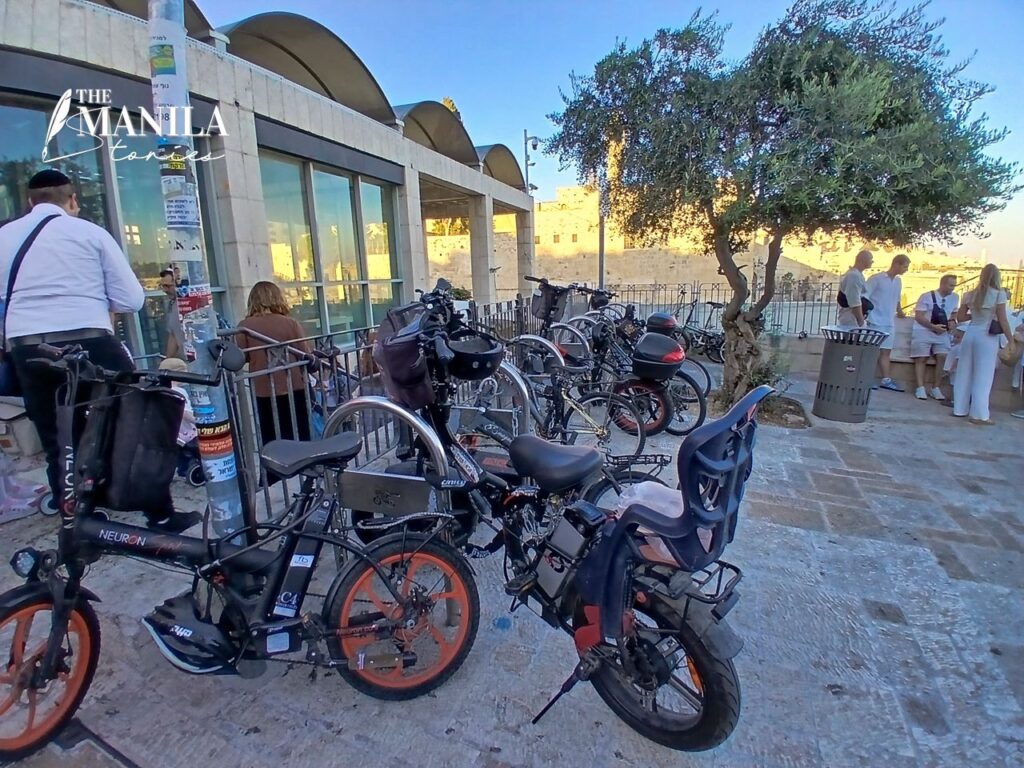
This urban environment reflects Israel’s deliberate shift toward soft, green transportation—a framework that balances street design by prioritizing people over motor vehicles. Walking through Jerusalem or Tel Aviv feels physically safe. Motorists routinely slow down and stop well before a pedestrian even steps off the kerb to cross. Meanwhile, high-speed freeways like Highway 6 are completely segregated between regions. Thanks to high-speed license plate recognition and electronic RFID systems, these expressways have no physical toll booths, eliminating the bottleneck-induced traffic jams that plague expressways in the Philippines.
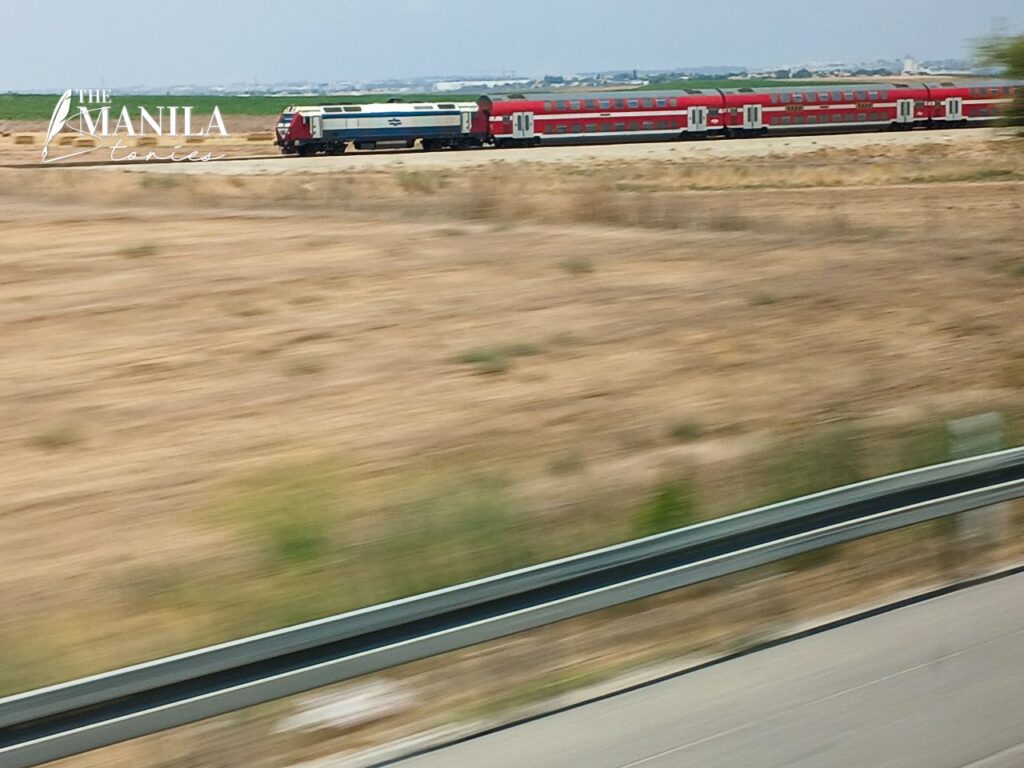
At the core of this transformation is a national strategic policy aimed at systematically reducing private car dependency. In Tel Aviv, vehicle lanes have been reallocated for protected bicycle highways and wide walking plazas. In Jerusalem, modern light-rail trains and cablecar networks run smoothly through the city center. It is without worsening street-level congestion. These cable cars climb steep, historic hills effortlessly, offering a quiet, high-capacity transit solution that leaves the ground beneath intact.
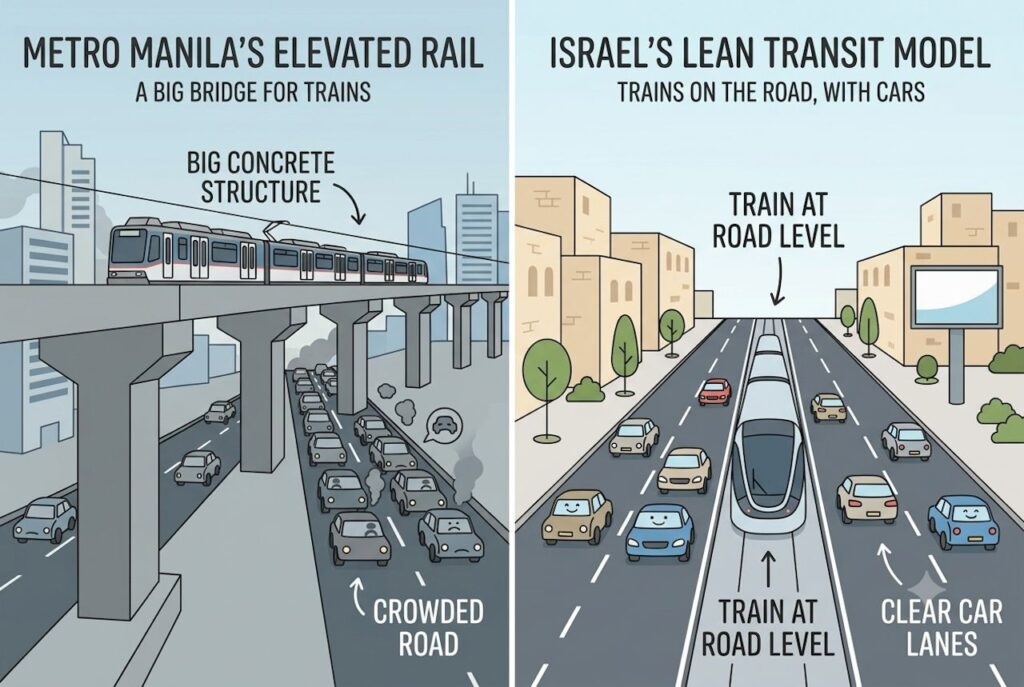
This stands in stark contrast to Metro Manila’s LRT and MRT networks, where massive concrete pillars were planted directly into existing road medians, narrowing ground-level lanes and creating bottleneck congestion that has lasted for decades. Applying Israel’s light-footprint transit framework could provide the missing blueprint to revive long-stalled Philippine urban transit ideas, such as the proposed Metro Manila cable car lines connecting Marikina and Pasig.
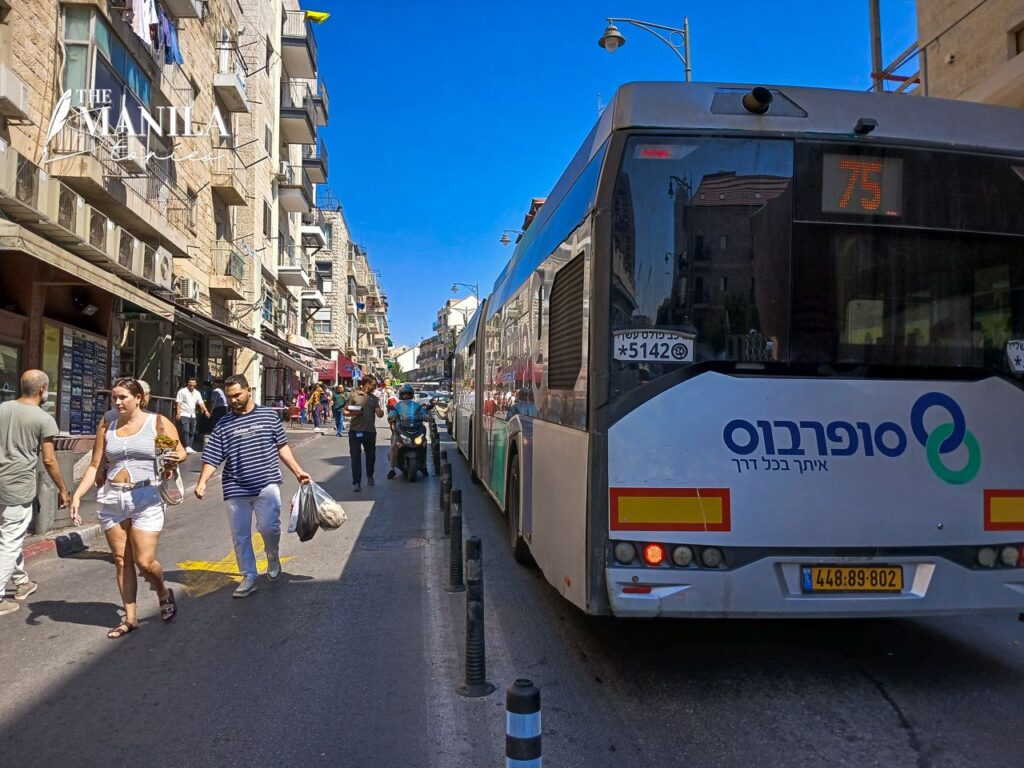
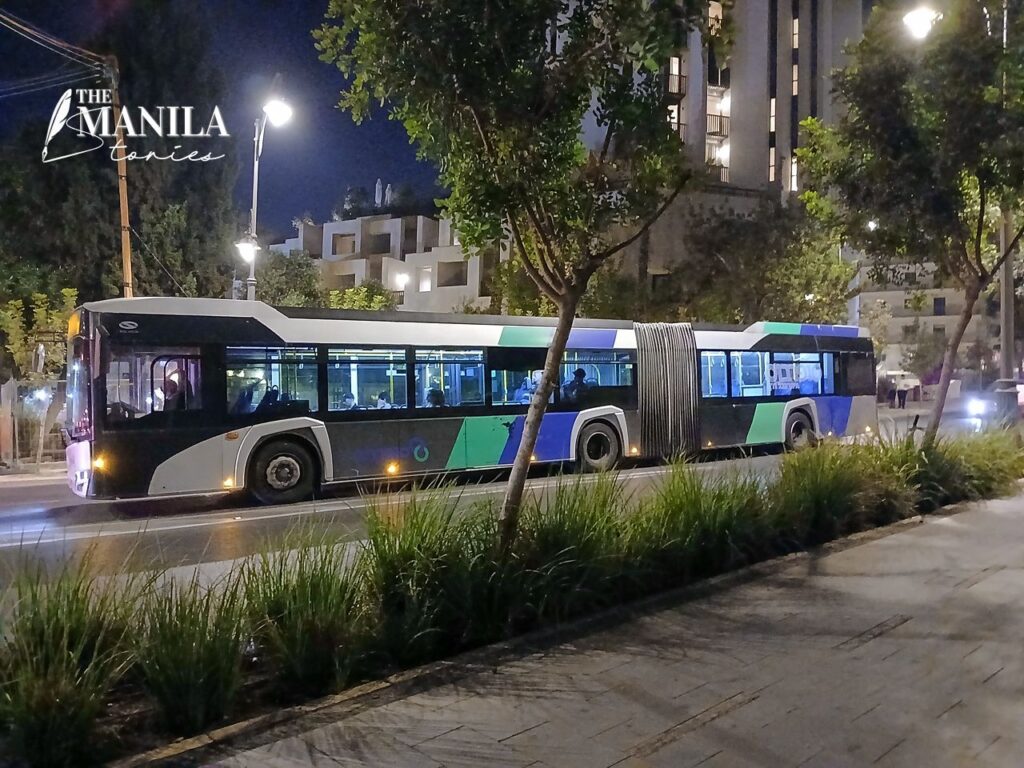
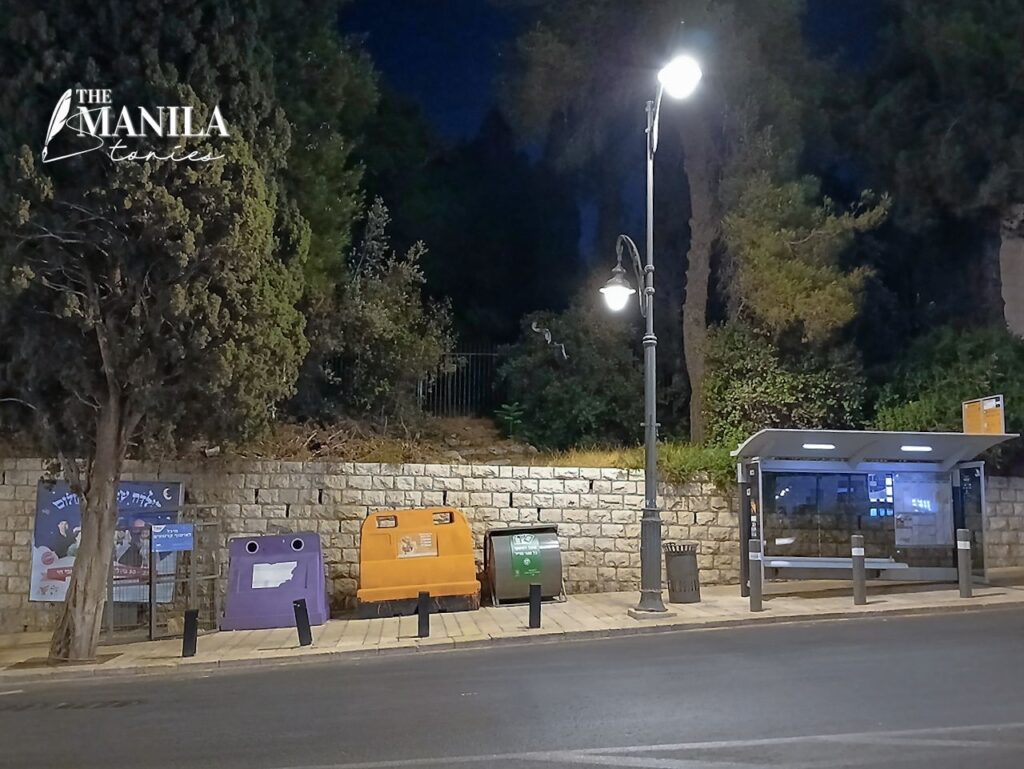
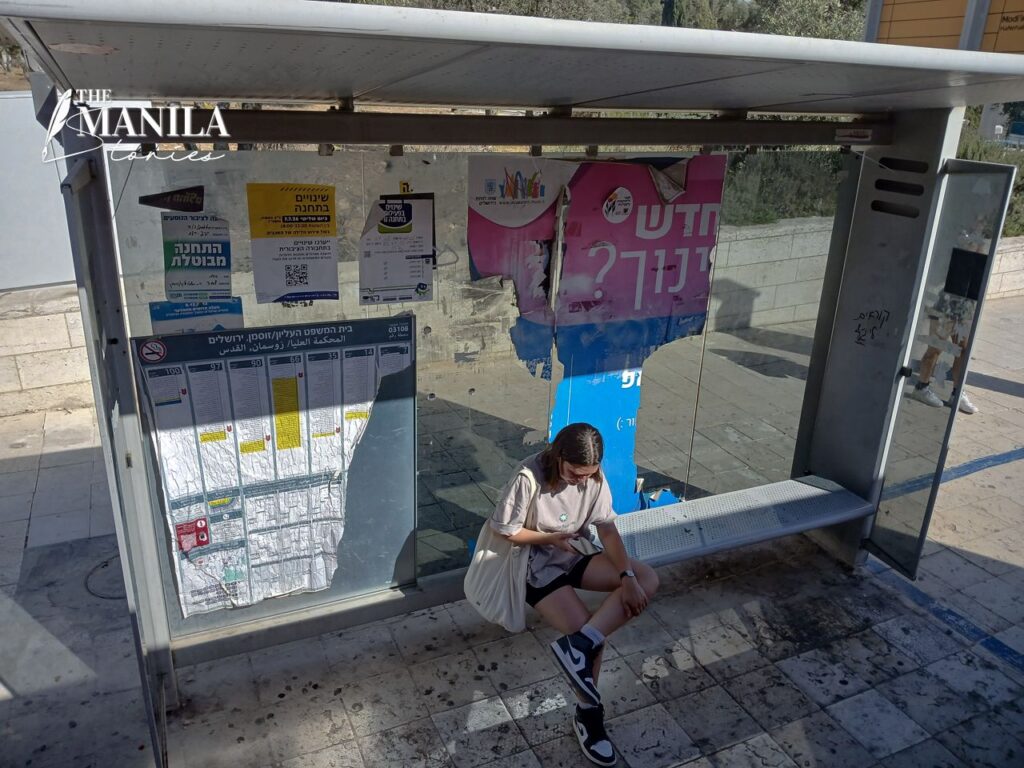
Israel’s strategic shift gained momentum over the past decade as rising population density rendered car-centric development unsustainable. The national goal is clear: lower urban private vehicle trips to roughly 30% while shifting 70% of commuters to active mobility and rapid mass transit.
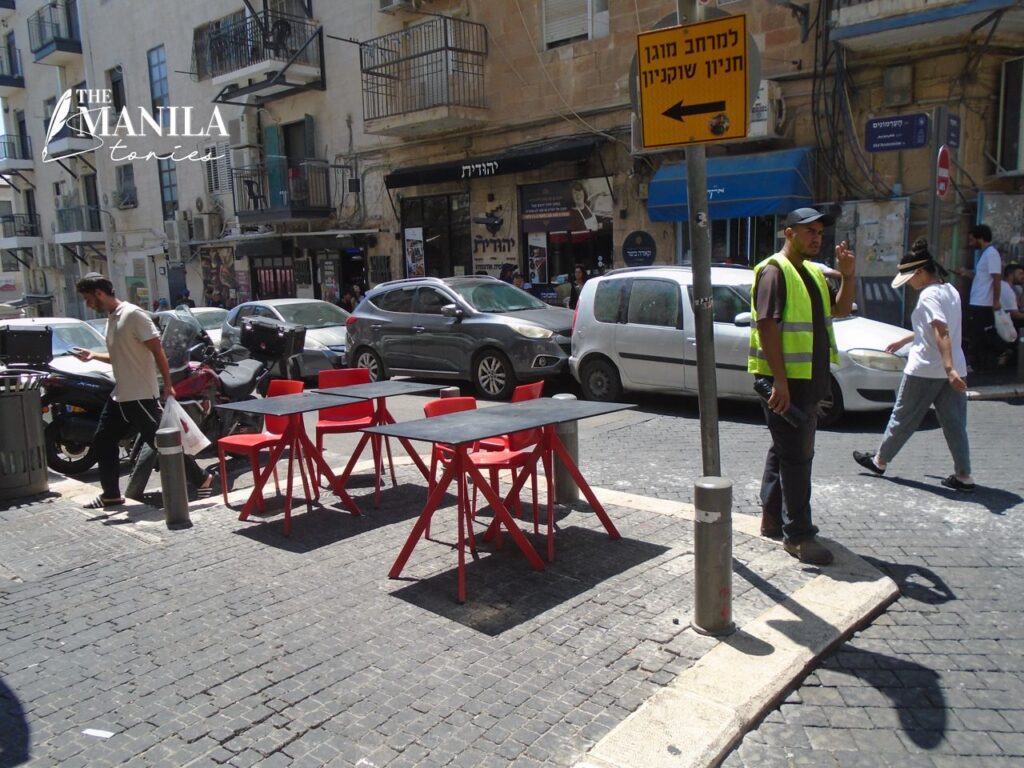
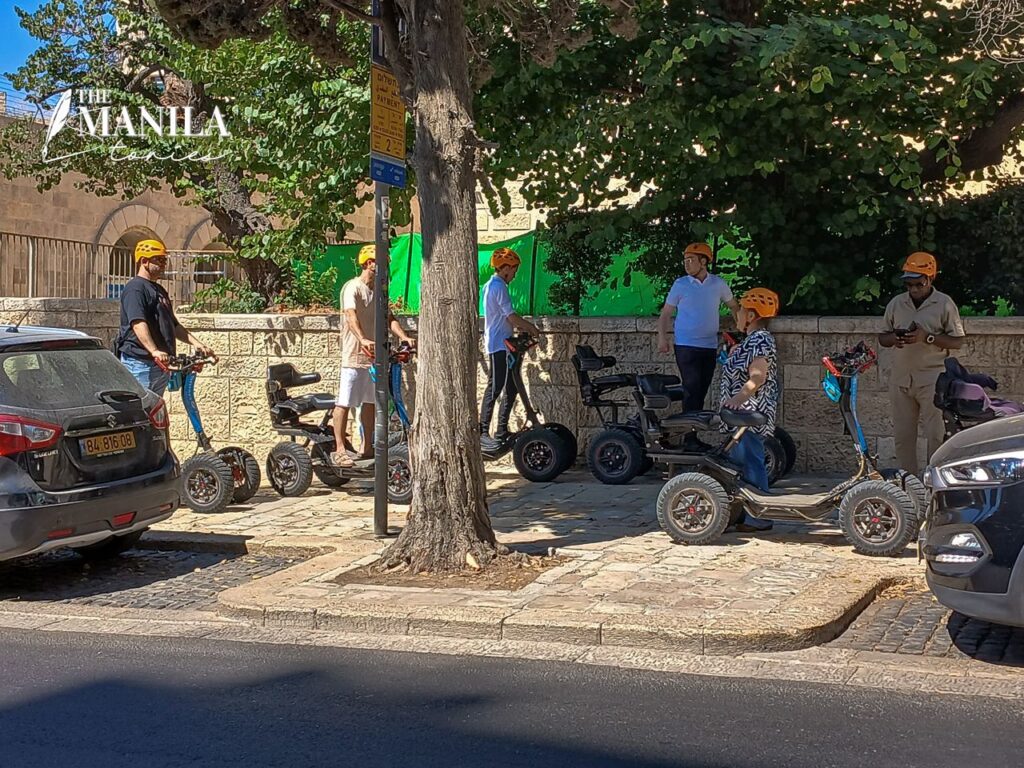
This people-first framework makes elevated expressway projects—like San Miguel Corporation’s proposed Expressway Link (SALEX) and Pasig River Expressway (PAREX)—appear increasingly outdated and counterproductive. Strongly opposed by urban planners and public advocacy groups, such profit-driven corporate projects sacrifice natural waterways, air quality, and street-level comfort to accommodate more private cars.
When full-scale urban overhauls are constrained by budget or space, governments must abandon elevated motorways in favor of soft transportation. By designing wide, accessible sidewalks and prioritizing vulnerable road users, cities can build human-centered transit systems where every step is safe, comfortable, and sustainable.