
For many Filipinos, getting medicine means crossing mountains and streams. A trip to the nearest pharmacy can require traveling almost a dozen kilometers without public transport. A single trip to town can cost more than ₱400 one way. Other residents must walk for over an hour.
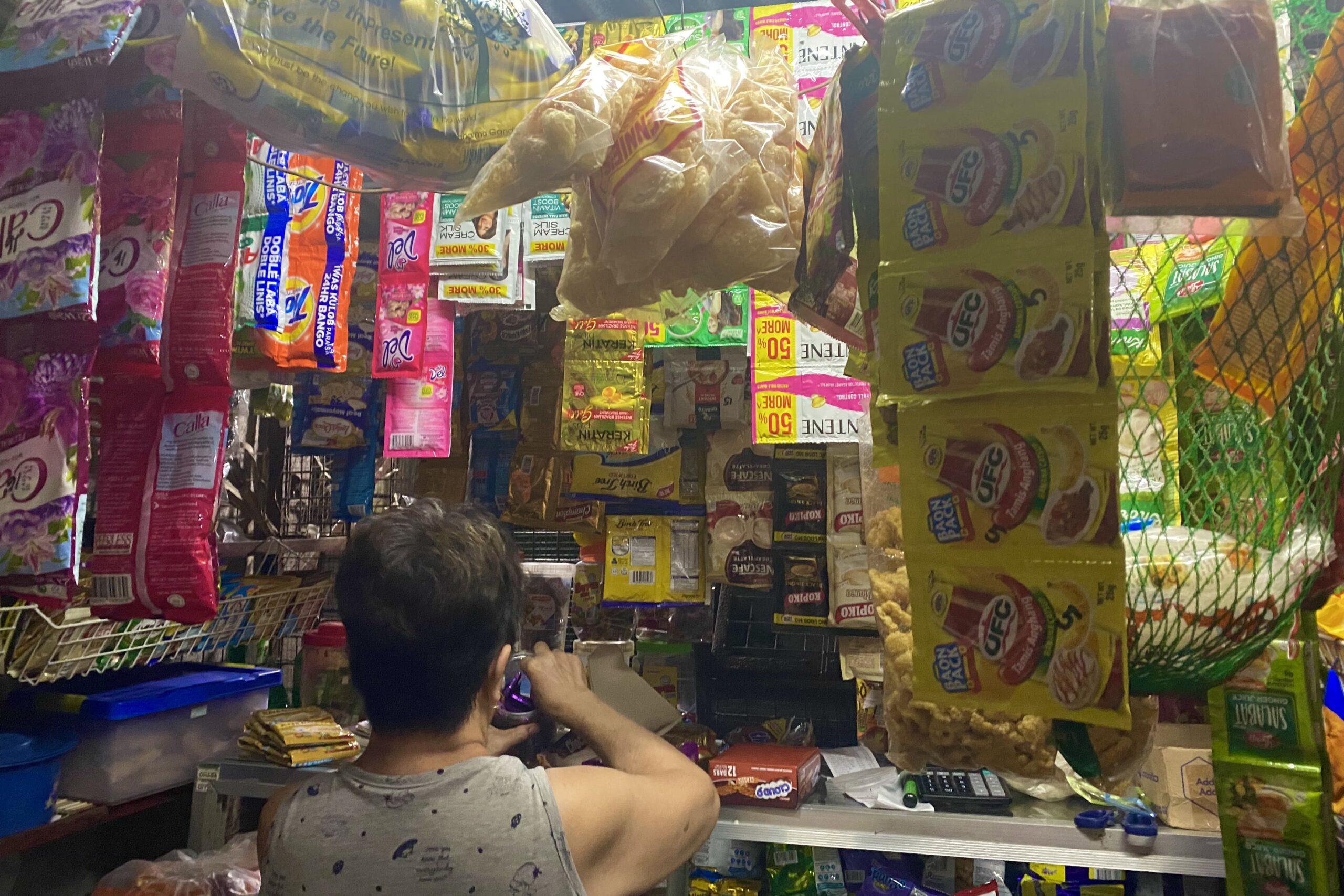
A new study by Ateneo researchers explores sari-sari stores as vital points of access to medicine. The study highlights their ubiquity within local communities. Most medicines sold by tindera, or store owners, treat common illnesses. These include headaches, diarrhea, fever, colds, and stomachaches. Stores stock familiar over-the-counter drugs like paracetamol and loperamide, often selling them in small, piecemeal quantities known as tingi-tingi.
This scene is ordinary and almost invisible. A neighbor walks to the nearest store, asks for a few tablets, and goes home. Behind this transaction lies a larger story of proximity and gaps in formal healthcare.
“The sari-sari store, as a venue to observe interactions between the consumers, the government, and the medical and pharmaceutical world, shows us its social, political, and economic relevance,” the researchers write.
The study relies on ethnographic interviews with 14 sari-sari store tinderas. Findings show distance is a major factor for selling medicines. In remote areas, keeping common drugs on hand saves residents time and travel costs. Store hours also help. One tindera kept her shop open until midnight, making medicines available after pharmacies closed.
Tinderas act as the eyes and ears of their neighborhoods. They learn what medicines people ask for and what they can afford.
“Sari-sari stores bring valued ‘things’ in proximity to the people who look to them for healing and comfort,” the researchers explained.
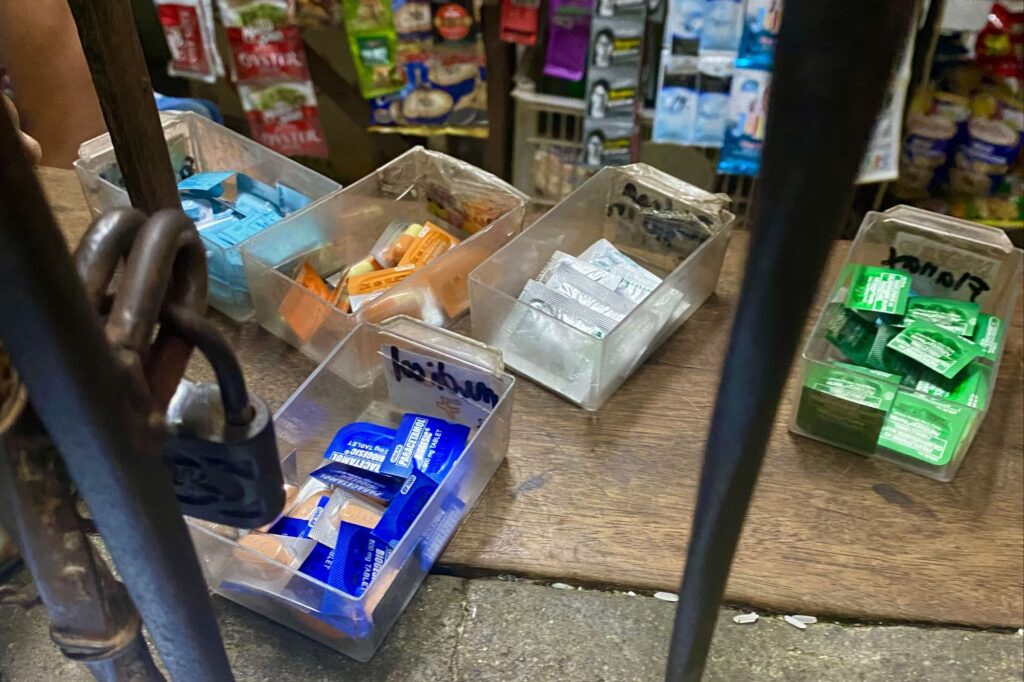
Sari-sari stores reveal how people rely on informal care alongside formal institutions. Yet, the study notes clear boundaries. Tinderas do not see themselves as doctors. Eleven of the 14 refuse to sell antibiotics and advise customers to seek professional care.
Legally, selling pharmaceuticals through sari-sari stores is generally illegal without an FDA license. However, researchers note exceptions for remote areas and unlisted medicines. They advise against blanket bans and punitive measures.
“We see the value in recognizing the role of sari-sari stores in the health system, as well as in accounting for economic and geographical barriers before imposing top-down prohibitions,” the researchers say.
Sari-sari stores do not replace hospitals. Instead, they occupy a necessary space between households and formal institutions. Researchers Melissa Louise M. Prieto, Gamaliel P. Galigao, Ana Rica S. Navarra-Cruz, Louise Gabriel R. Jimenez, and Gideon Lasco published this study in the August 2026 issue of Acta Medica Philippina.