
Decentralized power can solve the ongoing Visayas energy crisis, a clean energy think tank said. Distributed renewable energy and battery storage offer the fastest relief. They shield consumers from frequent power failures and high costs.
The Institute for Climate and Sustainable Cities urged a swift shift away from centralized power plants. The call follows recurring grid alerts and high market prices across the region. Unplanned shutdowns at major coal plants triggered these alerts.
Coal fuels about 60 percent of the generation of electricity in the Philippines. In recent months, coal plants in Visayas suffered extended outages.
Therma Visayas Inc. Unit 1 lost 150 megawatts of capacity. It stayed offline for 125 days starting May 3. Officials expect its return by Sept. 15.
Therma Visayas Inc. Unit 2 also lost 150 megawatts. It went offline for six days starting Sept. 9. The unit previously stayed offline for 161 days between March 24 and Aug. 31. It has no official return date.
Panay Energy Development Corp. Unit 3 went offline Aug. 29. The loss removed 150 megawatts from the system. Outage plans shifted from early October to the end of October.
Cebu Energy Development Corp. Unit 1 went offline for 42 days. The plant lost 82 megawatts from July 24 to Sept. 3.
Coal units generate hundreds of megawatts on a single unit. Sudden failures create instant shocks across the power network. Simultaneous outages compound capacity losses and drive up electricity prices.
The Visayas grid recorded 134 alert days in 2026 as of Sept. 14. The total includes 94 yellow alerts and 40 red alerts.
Unplanned outages primary drive grid alerts during peak demand hours. The system has minimal room to absorb large capacity losses. Sharing power across regions fails when neighboring grids face similar limits. The grid requires flexible generation to handle sudden spikes.
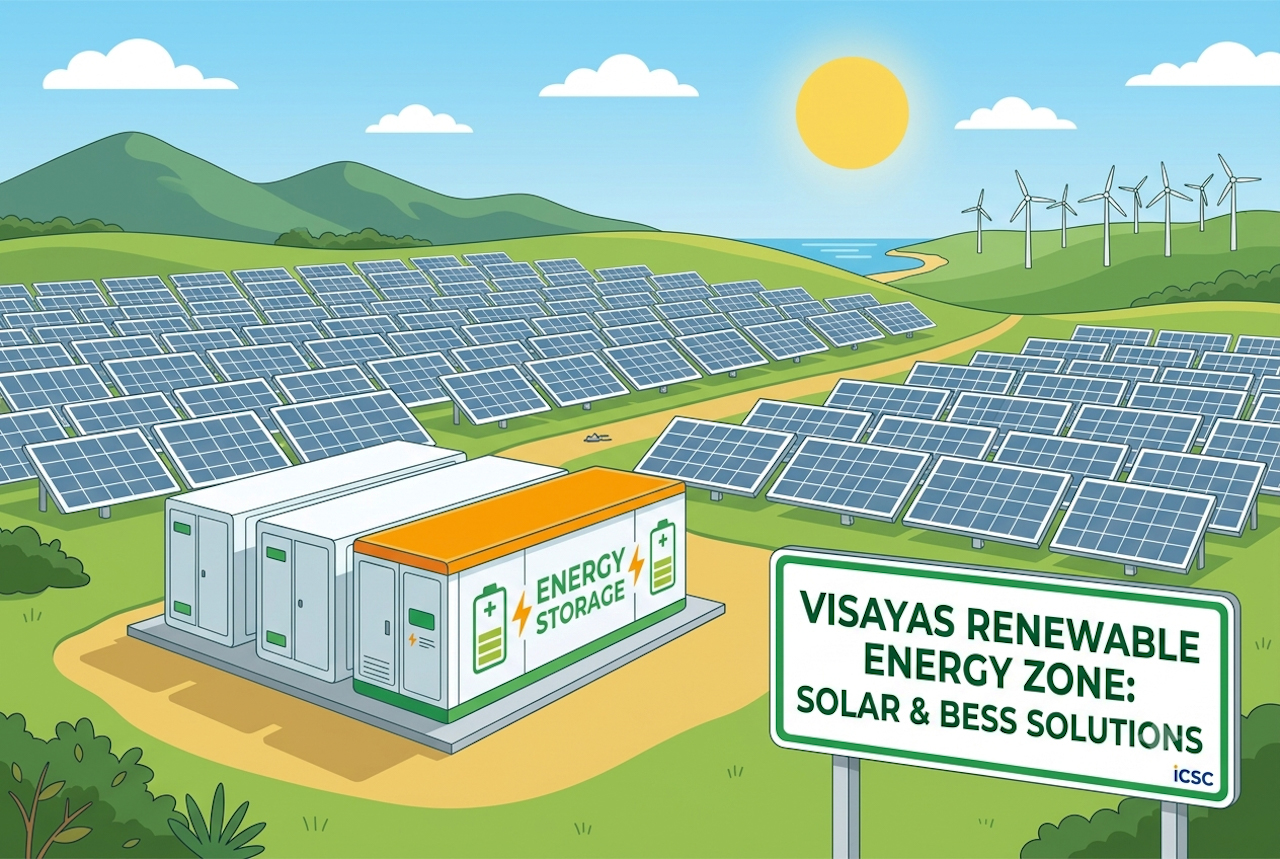
Distributed renewable energy paired with battery storage meets this flexibility need. Placing power sources near consumers cushions the system against plant failures. Rooftop solar panels serve local daytime demand. Batteries deliver fast response power during evening peak hours.
These solutions do not replace large power plants or transmission lines. They add vital protection around existing infrastructure. Rapid deployment offers immediate protection for consumers.
The group supports Department of Energy plans for battery facilities in Visayas. Energy simulations show 200 megawatts of battery capacity cuts alerts in half. Battery capabilities solve system constraints during peak hours.
“Battery energy storage systems should not be treated merely as a short-term fix to the unfolding power crisis in Visayas—they are the core solution on both the short and long-term,” said Alberto Dalusung III, energy transition advisor at the institute.
“When paired with renewable energy, battery storage directly bridges the critical supply gap without waiting years for new generation and transmission projects to be built. We can act now because these technologies can be deployed rapidly to meet our immediate energy needs,” Dalusung added.
The Department of Energy evaluates 3,000 to 5,000 megawatts of unbuilt coal projects. Massive coal plants require long development times and major grid expansion. They carry high fuel and maintenance costs.
Thermal facilities cannot open fast enough to fix present outages. Adding more coal deepens system dependence risks.
Rising grid alerts show the system cannot wait for multi-year builds. Capacity shortfalls happen during afternoon and evening demand peaks. Traditional coal plants will arrive too late and cost too much. Distributed power and battery storage complement existing thermal assets. They offer the fastest solution for the power grid.