
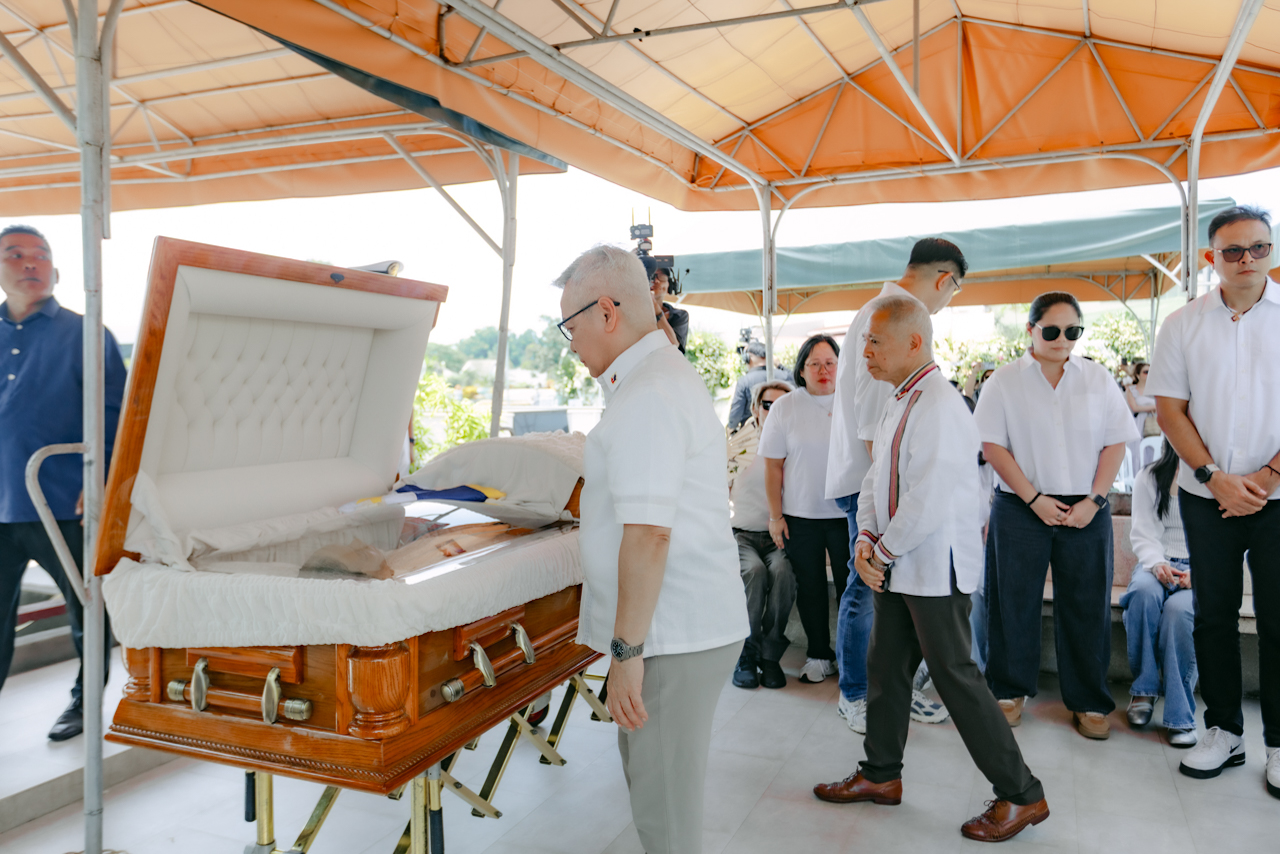
The Philippines mourns a literary giant. National Artist for Literature Resil B. Mojares has died. He passed away on September 5, 2026. His death came just one day after his 83rd birthday.
President Ferdinand Marcos Jr. responded to the loss. He declared September 12 as a National Day of Mourning. The declaration came through Proclamation No. 1434.
The proclamation honors Mojares and his profound contributions. He served as a teacher and a scholar. He worked as an essayist, a fictionist, and a historian. His work proved vital in promoting regional literature. He helped shape Cebuano culture and the national identity.
The Armed Forces of the Philippines honored the late scholar. Troops delivered a 21-gun salute during his necrological service. The military paid tribute to his immense contributions to literature and culture.
Academic institutions also remembered the great writer. The University of San Carlos and the University of the Philippines paid tribute. Both schools served as his alma mater.
Mojares fought bravely for press freedom. He worked as a journalist during the Martial Law period. He covered intense student demonstrations and protests. He wrote for Sun Star Cebu. His columns for the Freeman became vital points for grassroots politics. He also contributed greatly to cultural research and Philippine history.
His career centered on Philippine history. He also addressed critical cultural studies. He founded the Cebuano Studies Center. The center operates as a research library and cultural hub. It advanced the study of regional identity within the nation.
Mojares studied at the University of San Carlos. He earned a bachelor’s degree in English there. His studies tied him deeply to the writing field. He pursued his passion for writing with great vigor. He later completed his Ph.D. in Literature at UP Diliman in 1979.
Talent brought him many prestigious accolades. Mojares won National Book Awards for his exceptional writing. One famous winner is his collection of essays titled “House of Memory.”
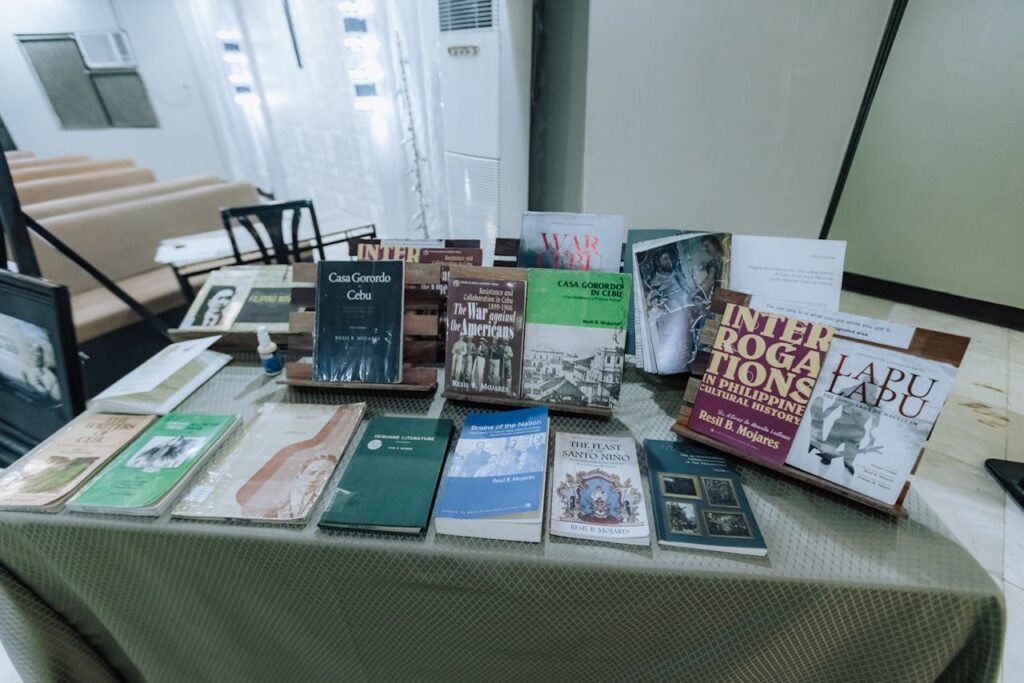
His books shaped Philippine literary and intellectual history. They inspired citizens to understand their past. His texts explored the late 19th century up to the Commonwealth period. They showed how various social forces controlled Filipinos. They revealed how economic and political forces drove people into oppression.
The legacy of Resil Mojares lives on. It remains firmly at the heart of all Cebuanos. His brilliant works mark the true essence of how literature can shape society.