
Climate change is reshaping how food is produced, transported, and consumed in the Philippines. Erratic rainfall, severe droughts, and extreme heat threaten local farms. Typhoons and shifting weather patterns also place growing pressure on rural communities.
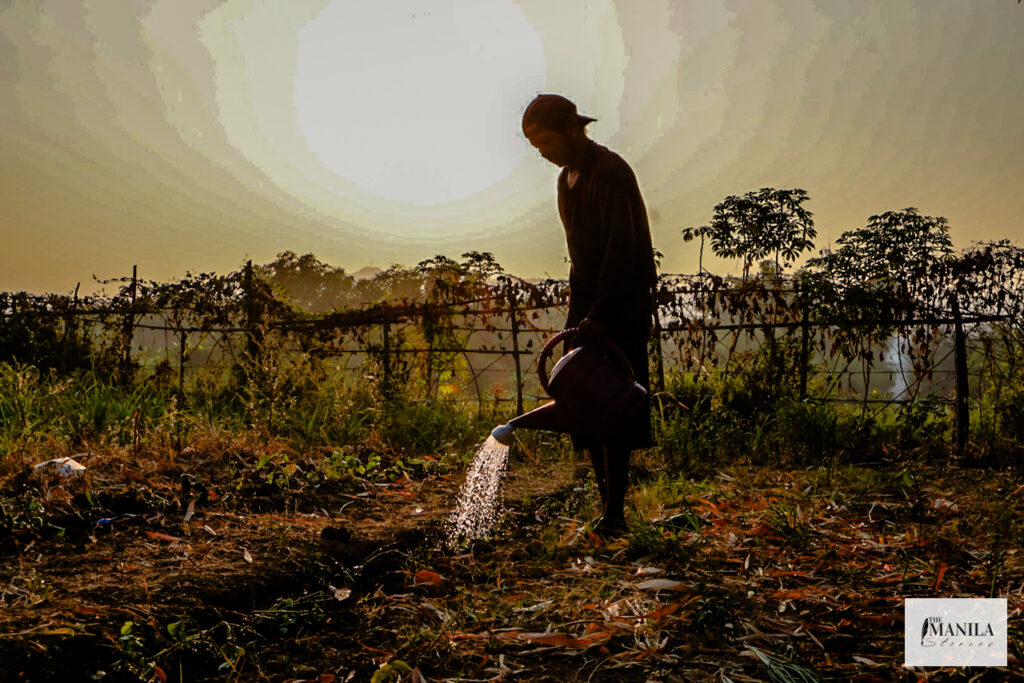
El Niño highlights the nation’s deep vulnerability to water scarcity. However, the challenge now goes far beyond individual climate events. Building food security requires a resilient agricultural system. This system must use resources efficiently and reduce post-harvest losses. It must also keep food moving from farms to markets despite climate disruptions.
Technology and innovation are central to this vital transition. Precision irrigation, digital crop monitoring, and agricultural data platforms are key tools. Post-harvest technologies, integrated farming systems, and climate-resilient transport infrastructure also help farmers manage risks. These solutions allow growers to sustain productivity during harsh weather.
For the Philippines, the main opportunity lies in adopting these solutions across the entire food system. Precision irrigation and digital agronomy improve water and input use. Data-driven tools help identify crop, soil, and weather risks early. Meanwhile, post-harvest technologies reduce food losses and preserve crop quality.
Integrated agricultural solutions combine infrastructure, technology, and training. They also include financing and technical expertise to build robust farming systems. Reliable farm-to-market connectivity is equally essential. It ensures that higher production translates into a stable food supply and better incomes for farmers.
International partnerships help advance these priorities across the agricultural value chain. Solutions in irrigation, crop monitoring, post-harvest protection, and automation matter greatly—integrated farming and resilient infrastructure support Philippine efforts to boost productivity. Cooperation now moves beyond individual gadgets. It targets integrated solutions for water, production, preservation, infrastructure, and market access.


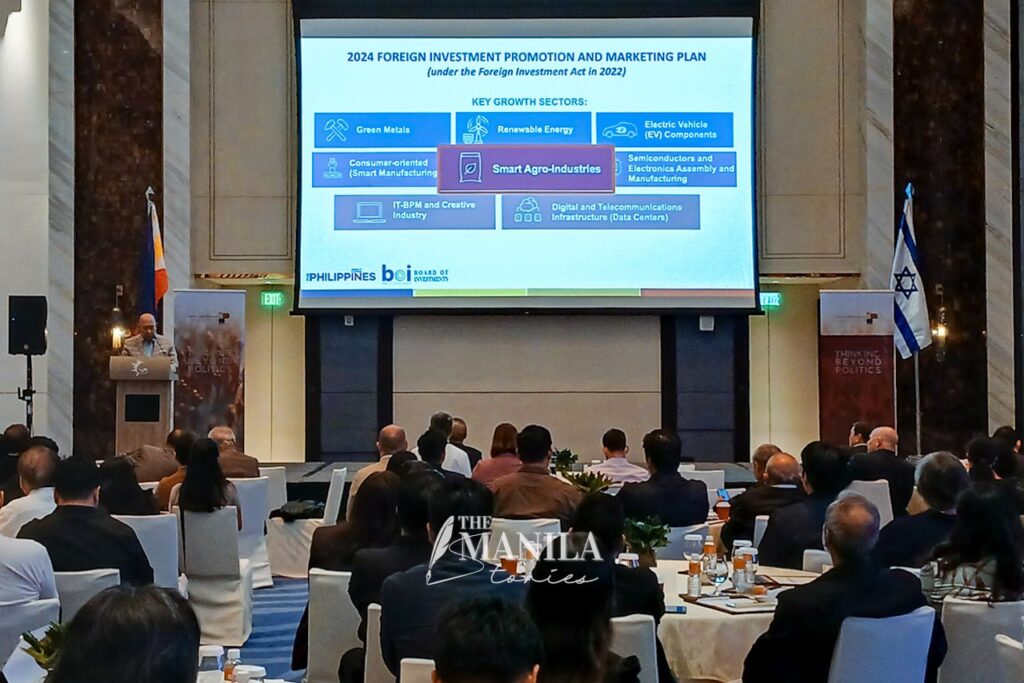
To support these goals, the Stratbase Institute partnered with the Embassy of Israel in Manila. They organized a major forum on October 22, 2026. Entitled “Beyond El Niño: Building Climate-Resilient Food Systems,” the event took place at Solaire Resort in Quezon City.



The forum brought together policymakers, agribusiness companies, and industry stakeholders. They examined practical strategies to strengthen the resilience of the Philippine food system. The discussion highlighted how innovation and agricultural expertise work together. They create solutions that are commercially viable and responsive to local climate needs.
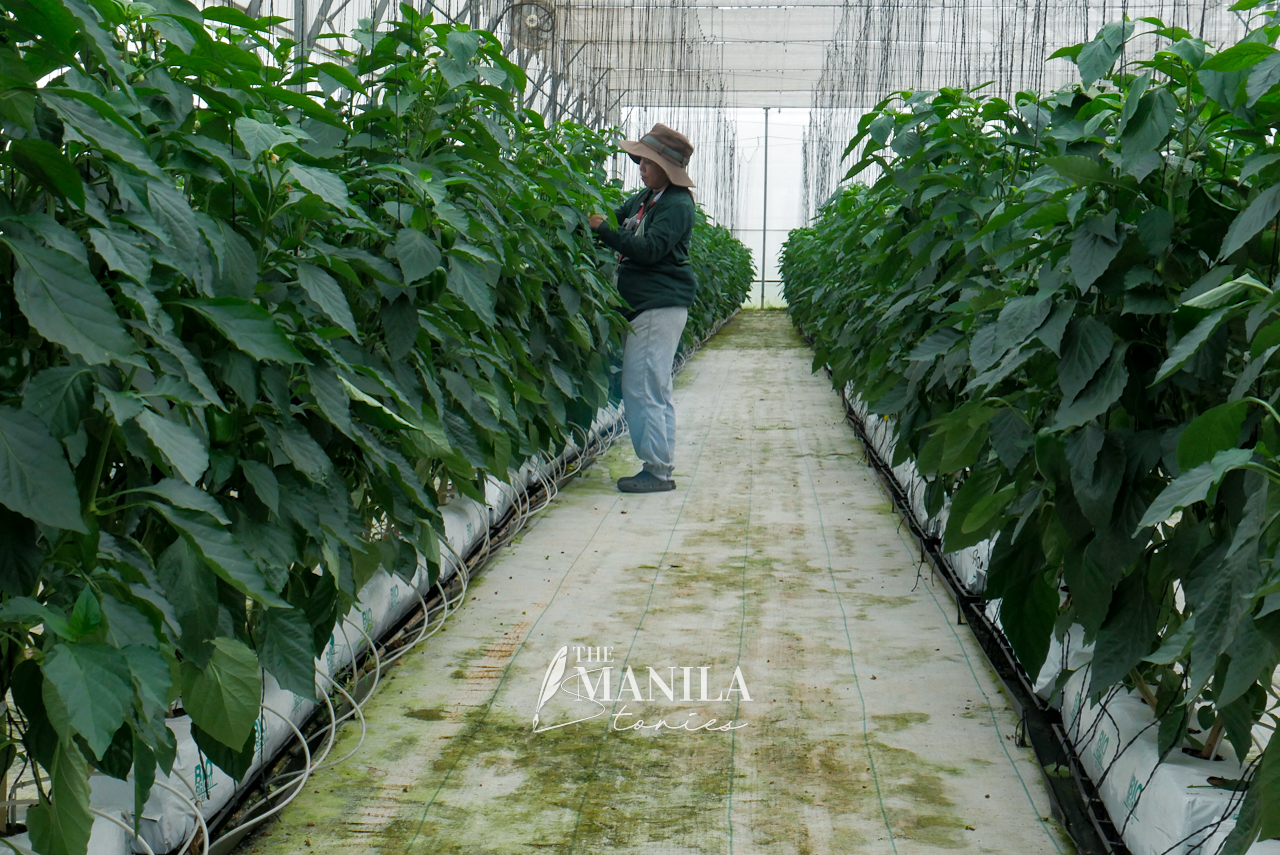
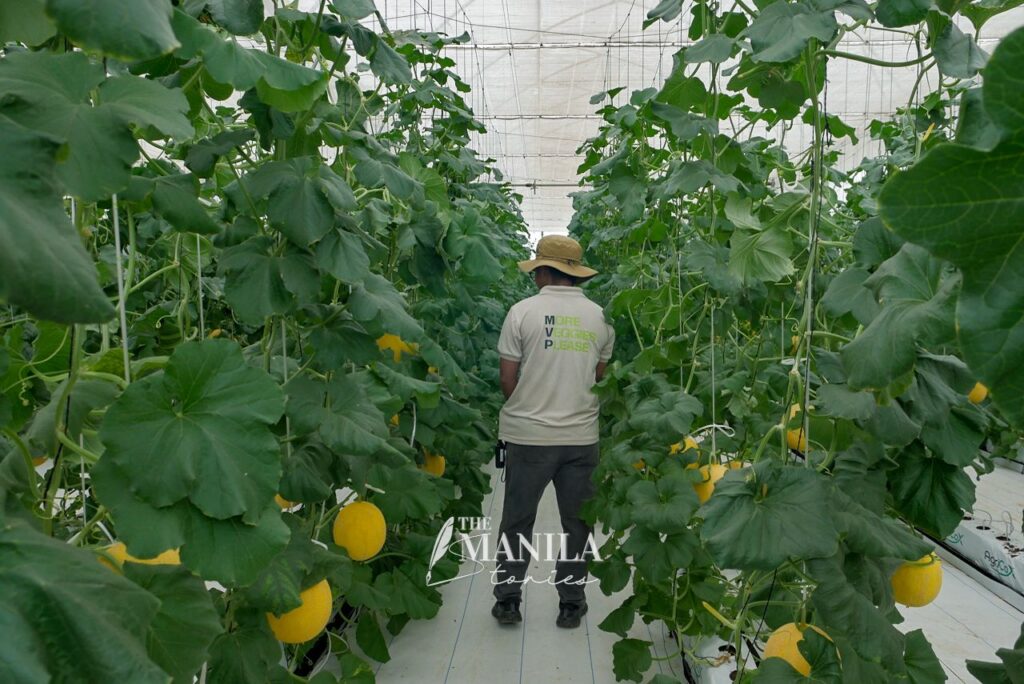
The next day, delegates and media members visited the Metro Pacific Fresh Farm in San Rafael, Bulacan. Attendees witnessed the powerful collaboration of Israeli technology and Filipino craftsmanship. Together, they built a resilient farm that can withstand a super El Niño.
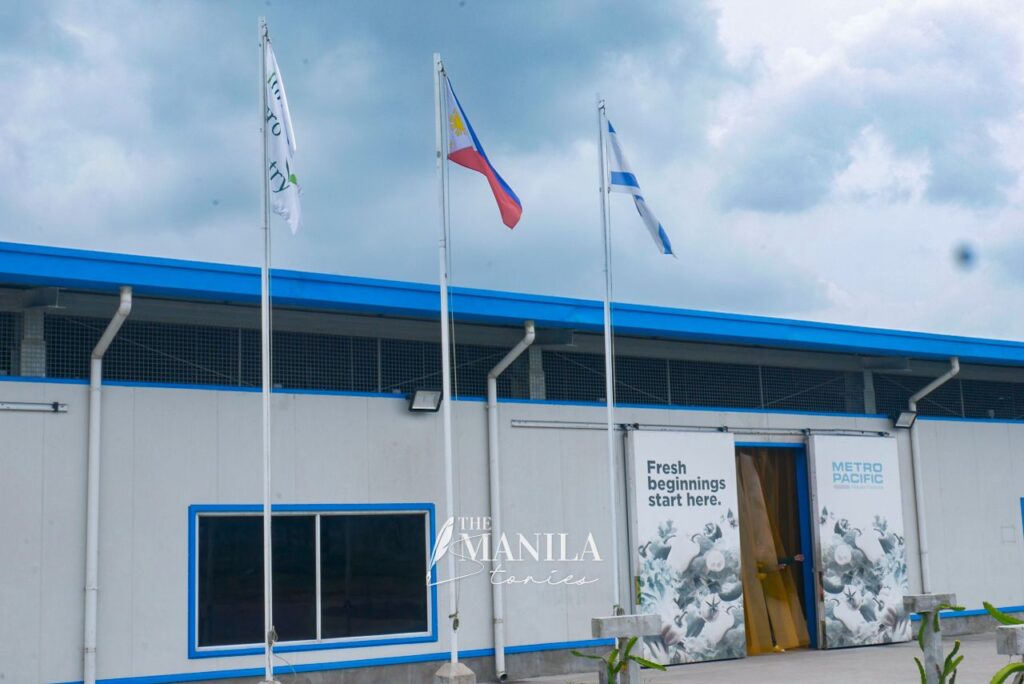
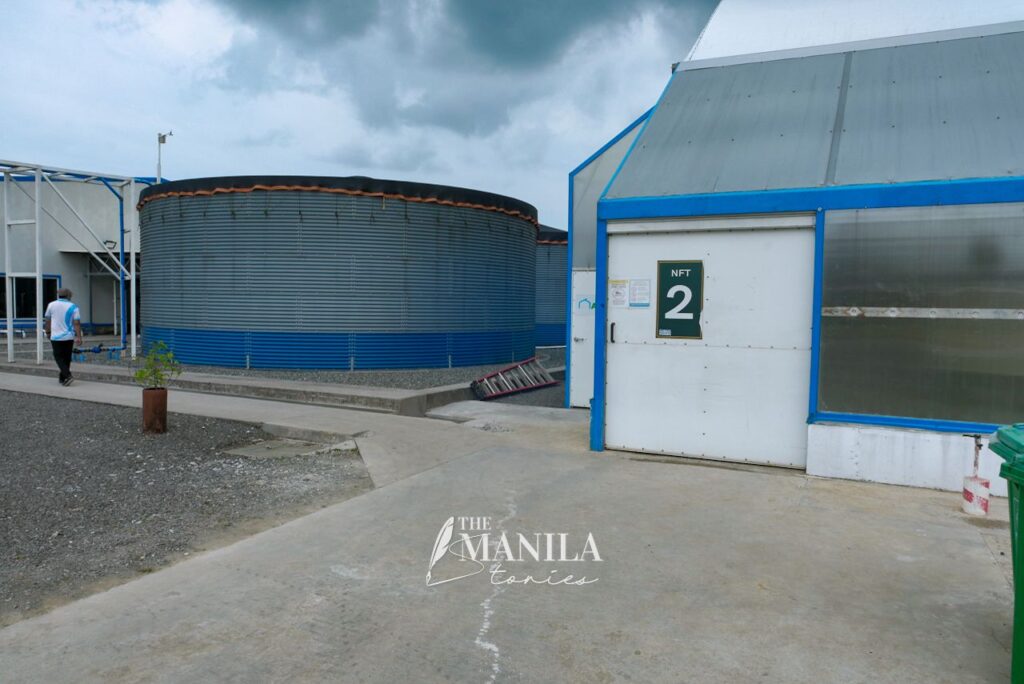
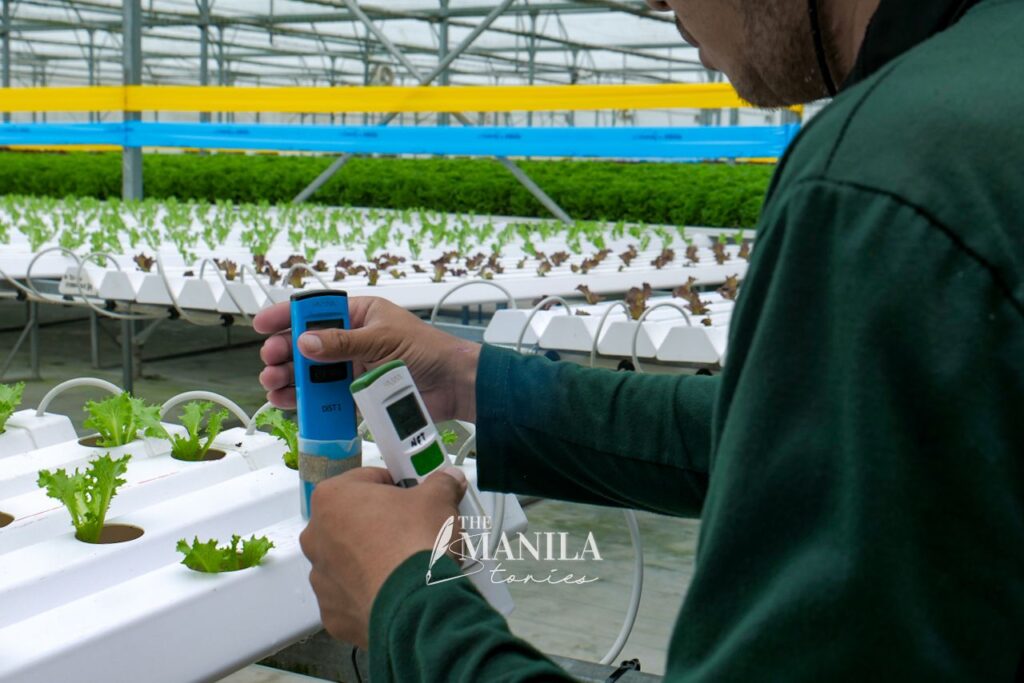
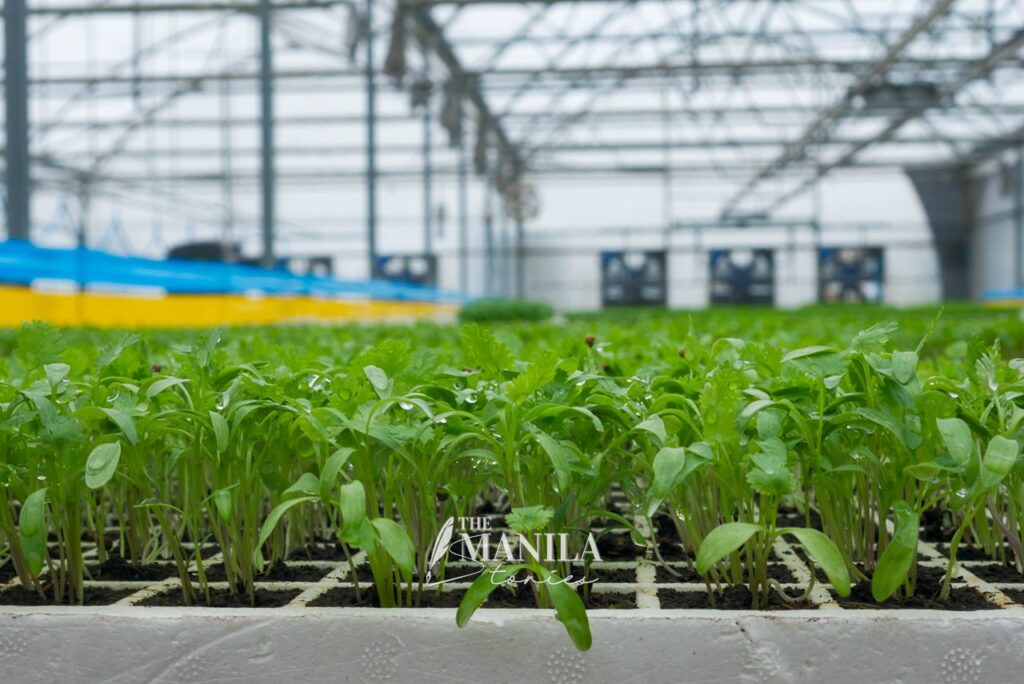
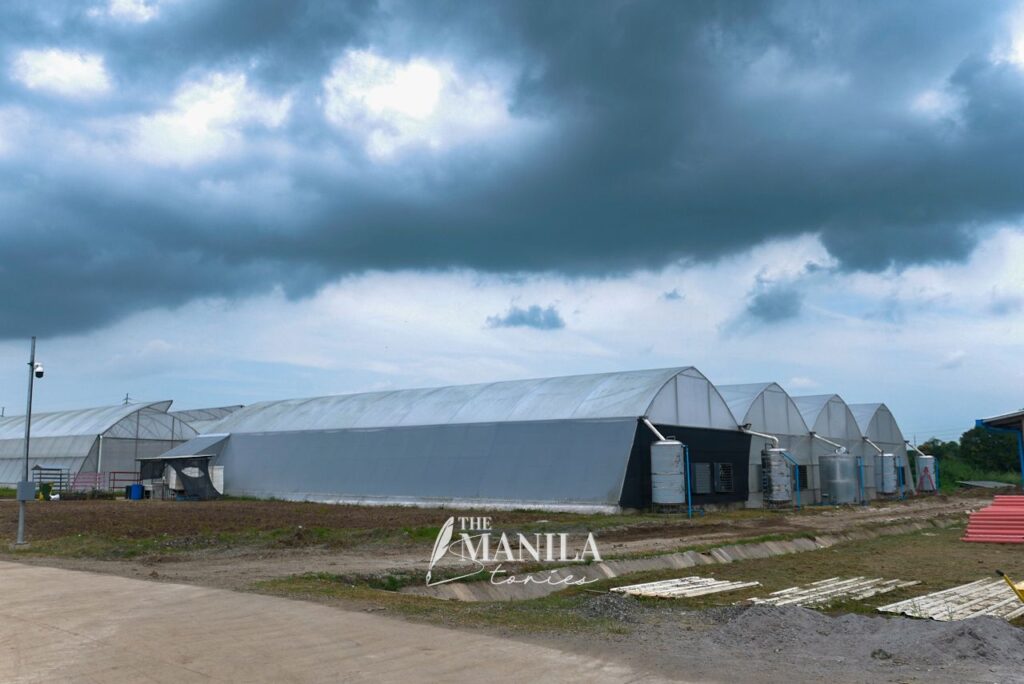
The LR Group from Israel transformed a barren lot into a thriving agricultural hub. It took them two years to recondition the land. It took two more years to construct the modern farm.
All crops are grown without the use of pesticides or toxic chemicals. Israel’s advanced technology in irrigation and greenhouses is applied here. Greenhouses provide consistent environmental conditions for the crops. This prevents insects and random weather conditions from ruining the harvest. This setup also organizes the overall farm production.
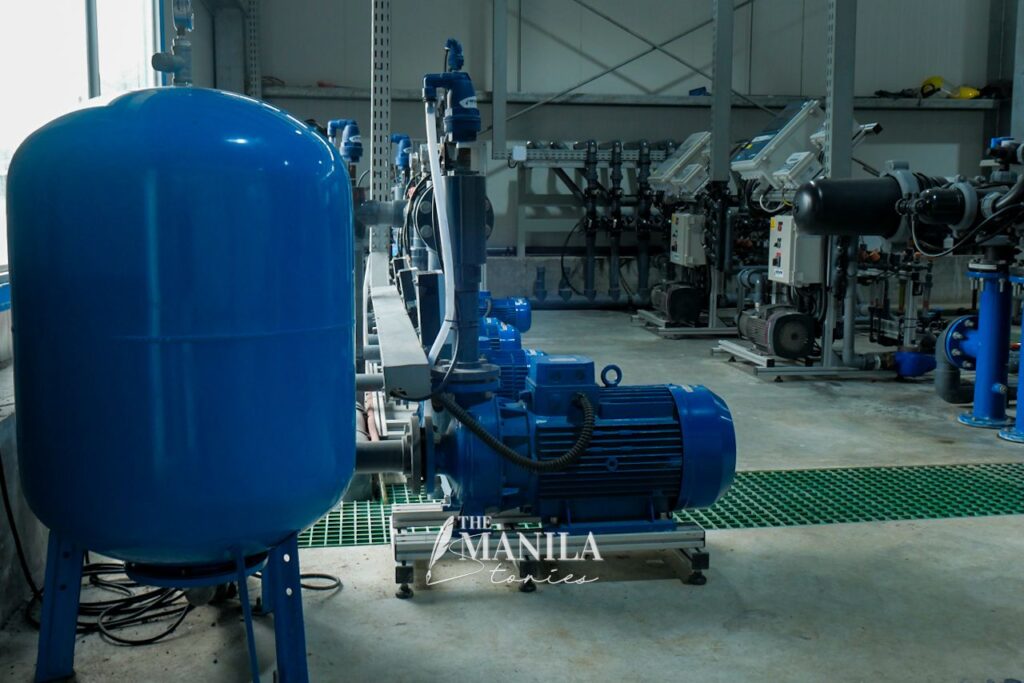
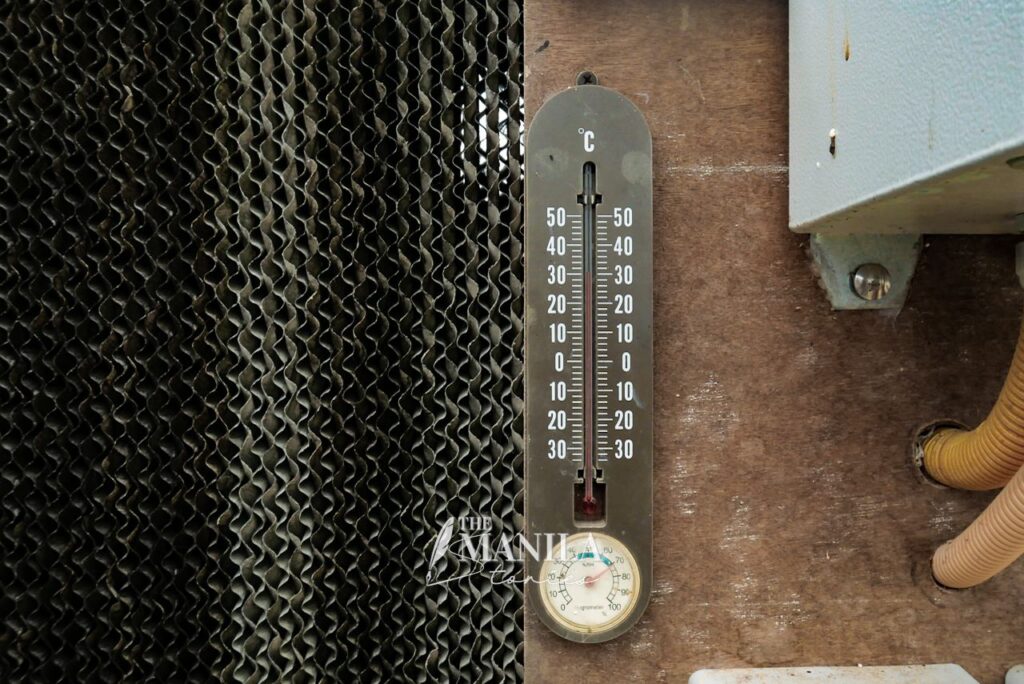
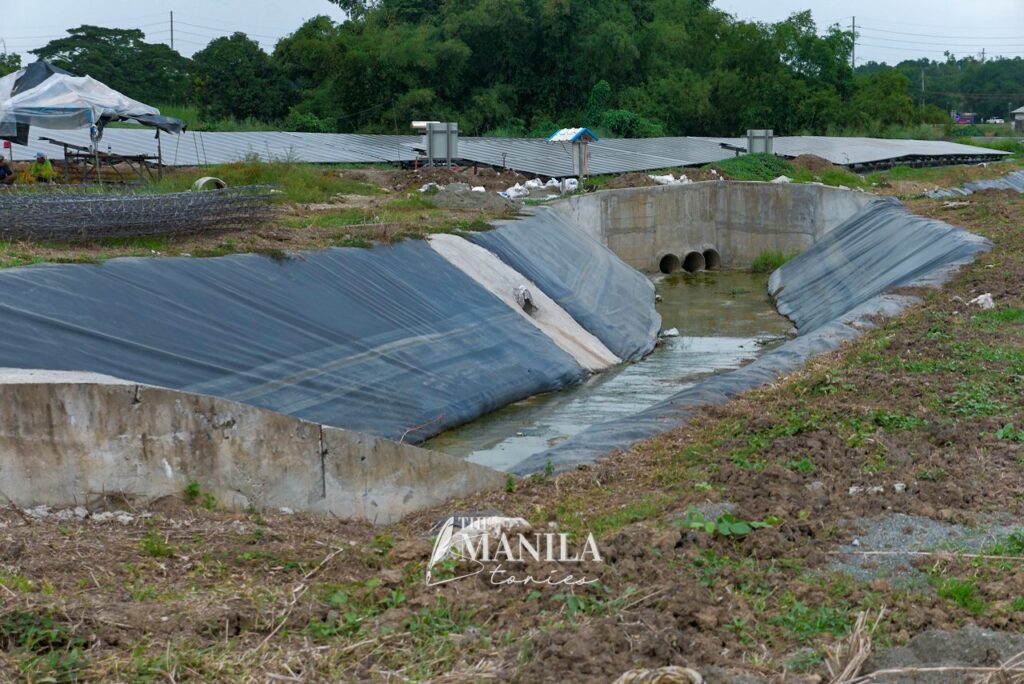
Solar technology powers the entire farm. This makes the farm operation independent from the local power grid.
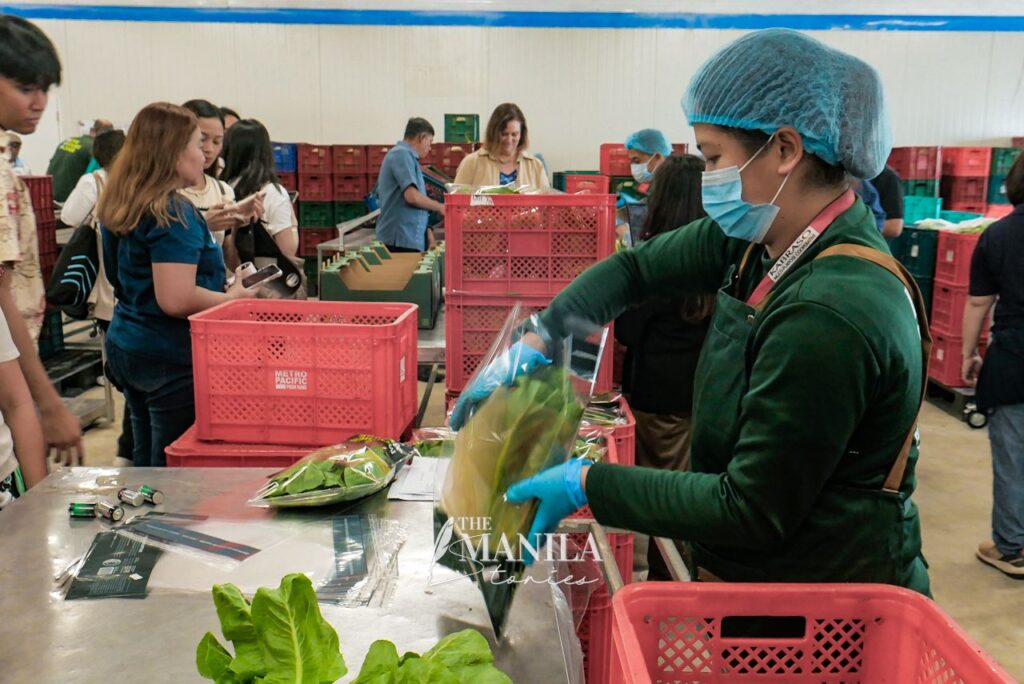
Produce from the Metro Pacific Fresh Farm is sold directly to local businesses. Buyers include hotels, supermarkets, and specialty shops. The farm also grows specialized crops for transport to other regions.
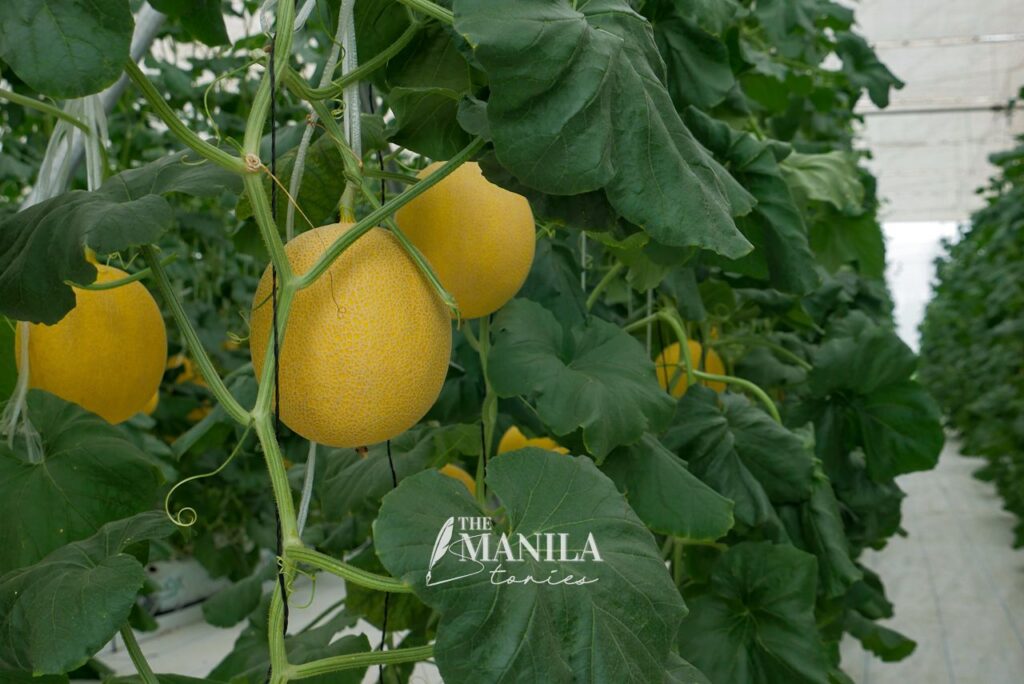
One standout crop is cherry tomatoes and strawberries. The strawberries are transported to Benguet at a certain age and replanted there.
Filipinos in the area run the farm from daily maintenance to final harvest. With the help of dedicated locals, the facility runs smoothly. The project also provides stable jobs to residents in the region.
This initiative stands as an example of a successful partnership between Israel and the Philippines. It marks a continuation of strong diplomatic ties that began several decades ago.