
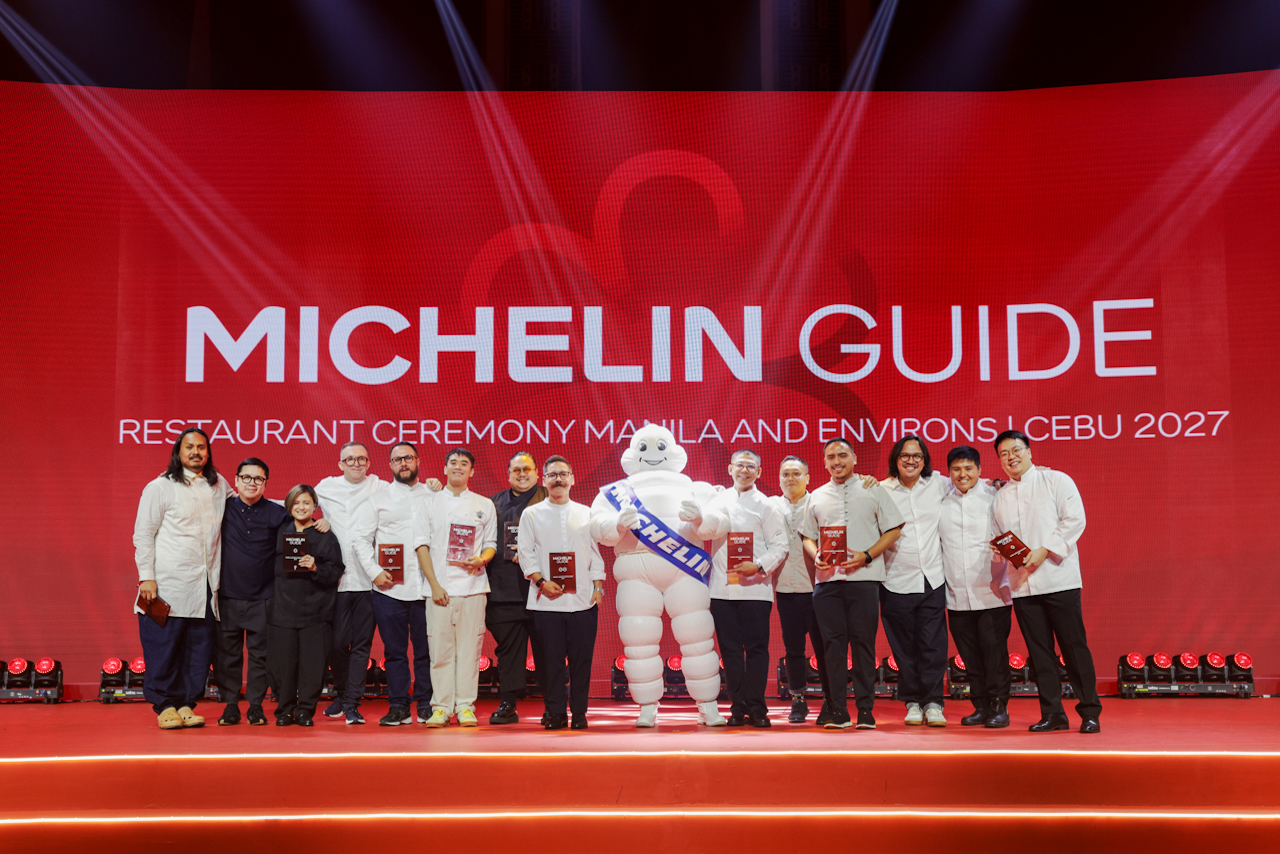
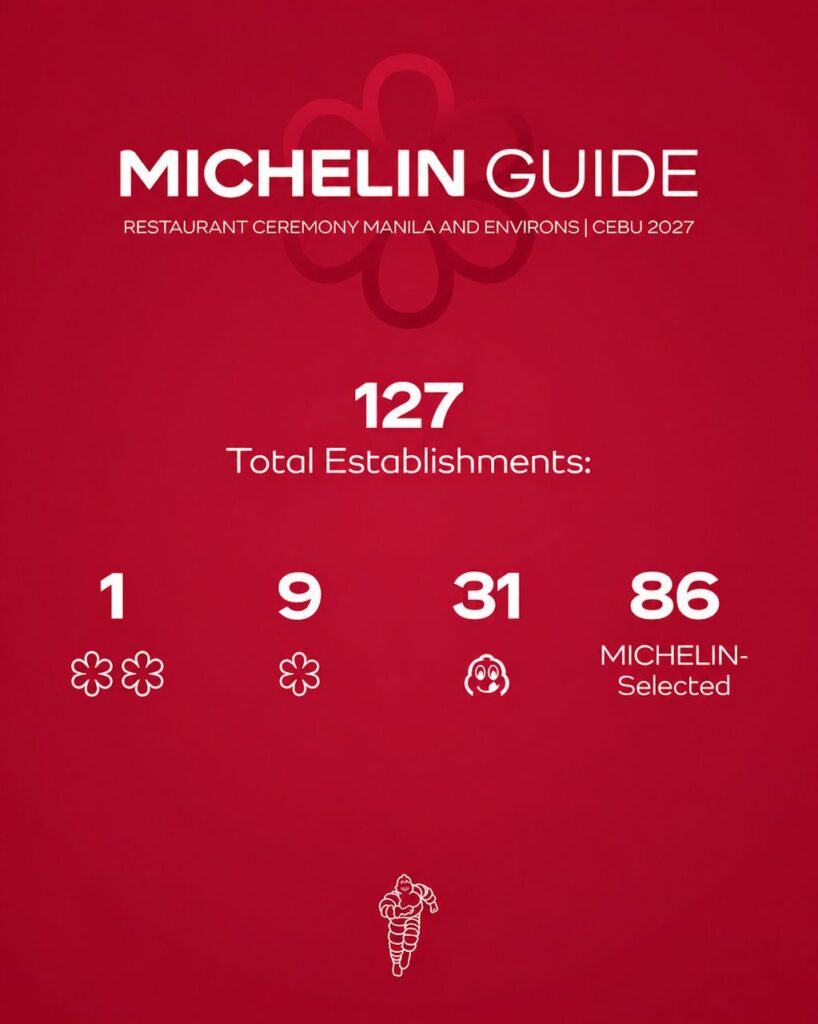
The MICHELIN Guide Manila and Environs & Cebu 2027 selection reveals 127 top dining destinations. The prestigious reveal took place at the Manila Marriott Hotel inside Newport World Resorts.
The new guide features one restaurant with Two MICHELIN Stars. It includes nine One MICHELIN Star establishments, featuring one exciting newcomer. Another category highlights 31 MICHELIN Bib Gourmand spots. An additional 86 venues join the MICHELIN-Selected roster.
Inspectors observed a dining scene growing in confidence, diversity, and culinary identity. Chefs across Manila, Cebu, Pampanga, and Cavite draw inspiration from local ingredients. They celebrate regional heritage and traditions.
Filipino cuisine emerged as a defining strength of this year’s selection. It accounts for nearly 60 percent of newly selected establishments. This trend reflects deep national pride in local culinary culture.
“The Philippines continues to impress with the way its culinary scene is evolving while remaining deeply connected to its roots,” said Gwendal Poullennec, International Director of the MICHELIN Guide. “Our Inspectors found chefs expressing a growing confidence in showcasing local ingredients, traditions and regional flavors, while bringing fresh perspectives and creativity to their craft. The result is a dining landscape that is increasingly diverse, distinctive and reflective of the country’s rich gastronomic heritage”.
Helm in Makati retains its Two MICHELIN Stars. Chef Josh Boutwood leads the kitchen with creative seasonal menus. The restaurant blends half-British and half-Filipino heritage with Spanish influences.
FLOW in Makati enters the guide with One MICHELIN Star. Chef Kevin Jonathan Uy leads the new culinary standout. Careful technique and clear vision define the dishes.
Eight other restaurants successfully retain their One MICHELIN Star distinctions. These include Asador Alfonso in Cavite and Celera in Makati. Gallery by Chele in Taguig also maintains its star. Hapag and Inatô in Makati keep their honors. Kása Palma in Makati joins the list. Linamnam in Parañaque retains its distinction. Toyo Eatery in Makati completes the group.
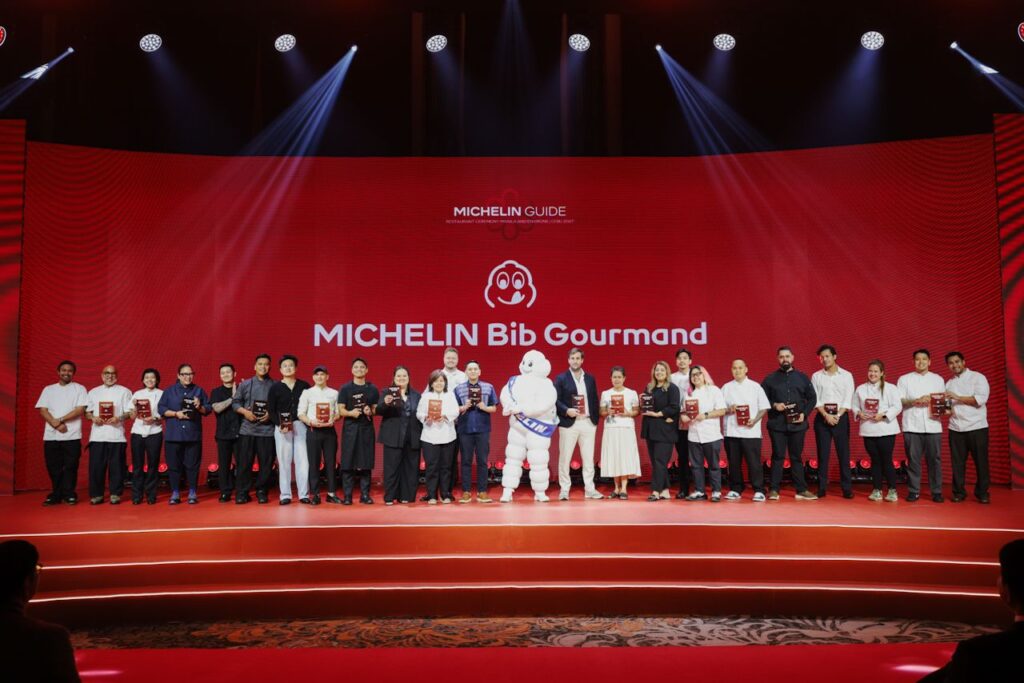
Value and quality define the 31 Bib Gourmand selections. Eight new spots join the list alongside two promotions. Traditional favorites and regional specialties anchor the category.
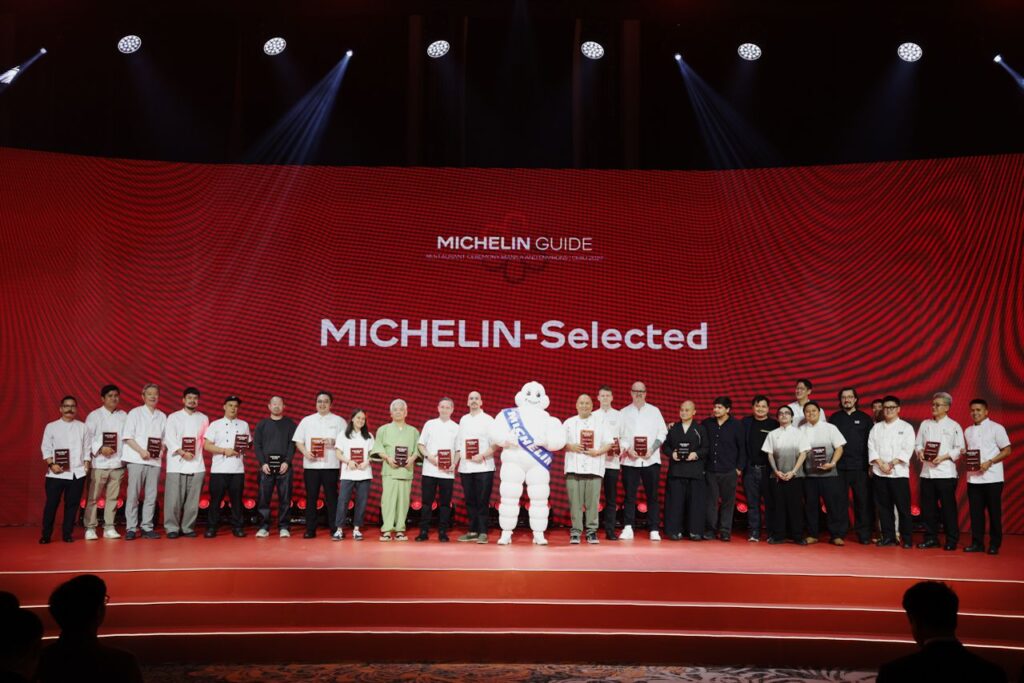
The MICHELIN-Selected category adds 18 new establishments. Neighborhood favorites and family-run institutions expand the collection. Diverse cuisines offer varied price points for diners.
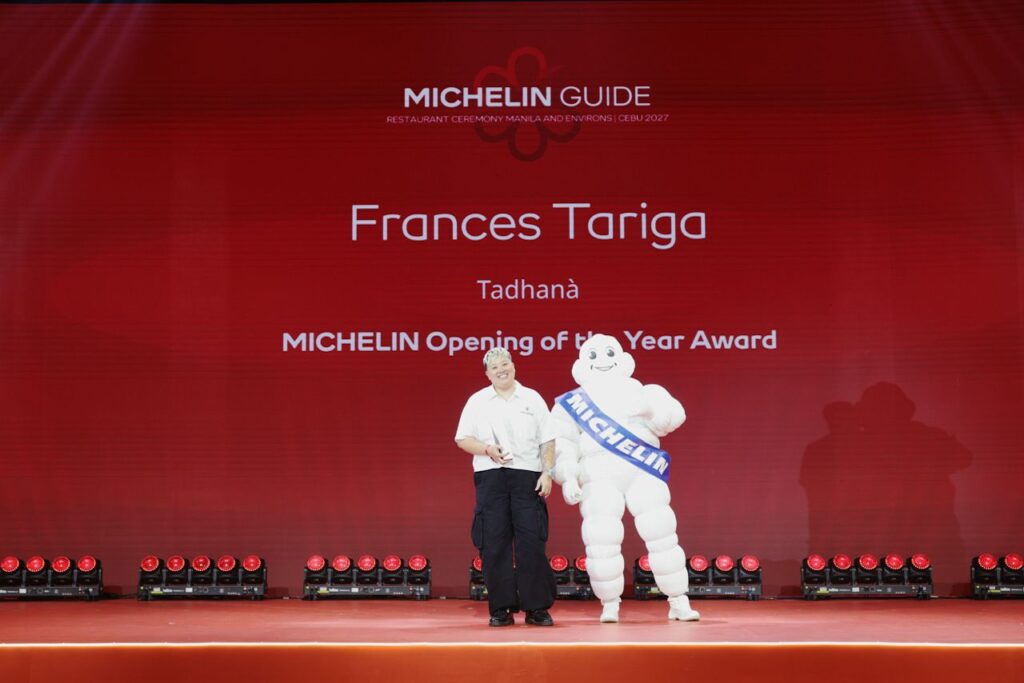
Four special awards celebrate exceptional hospitality professionals. Chef Frances Tariga wins the MICHELIN Opening of the Year Award. She leads Tadhanà in Makati. Her work reimagines Filipino cuisine with refined techniques.
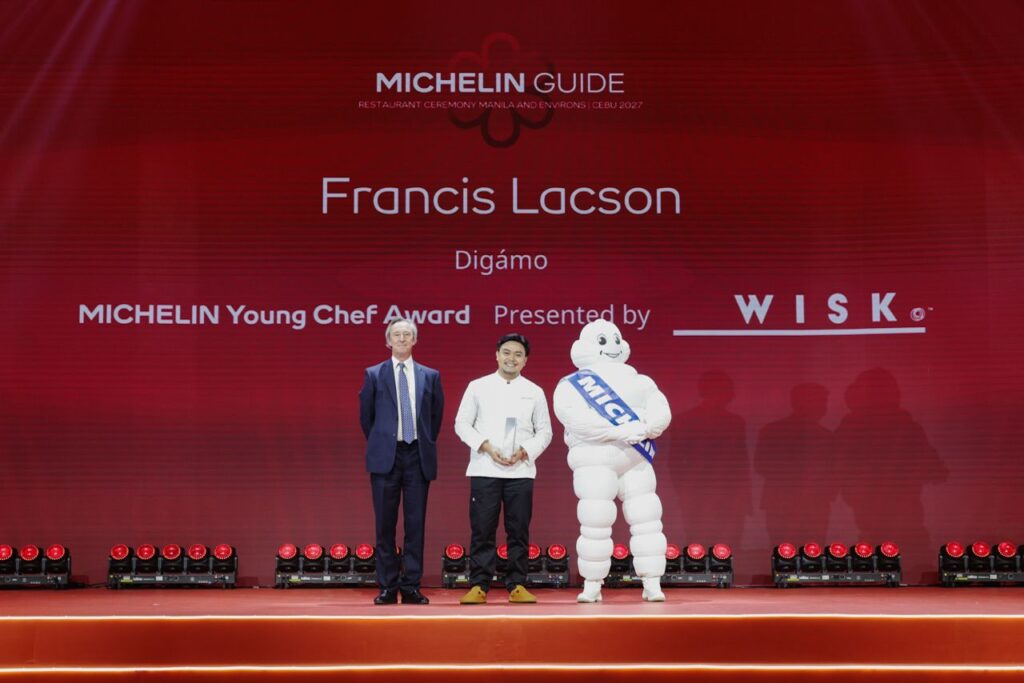
Chef Francis Lacson wins the MICHELIN Young Chef Award. He directs Digámo in Marikina. He transitioned from a seafarer to a culinary leader. His menu expresses a strong sense of place.
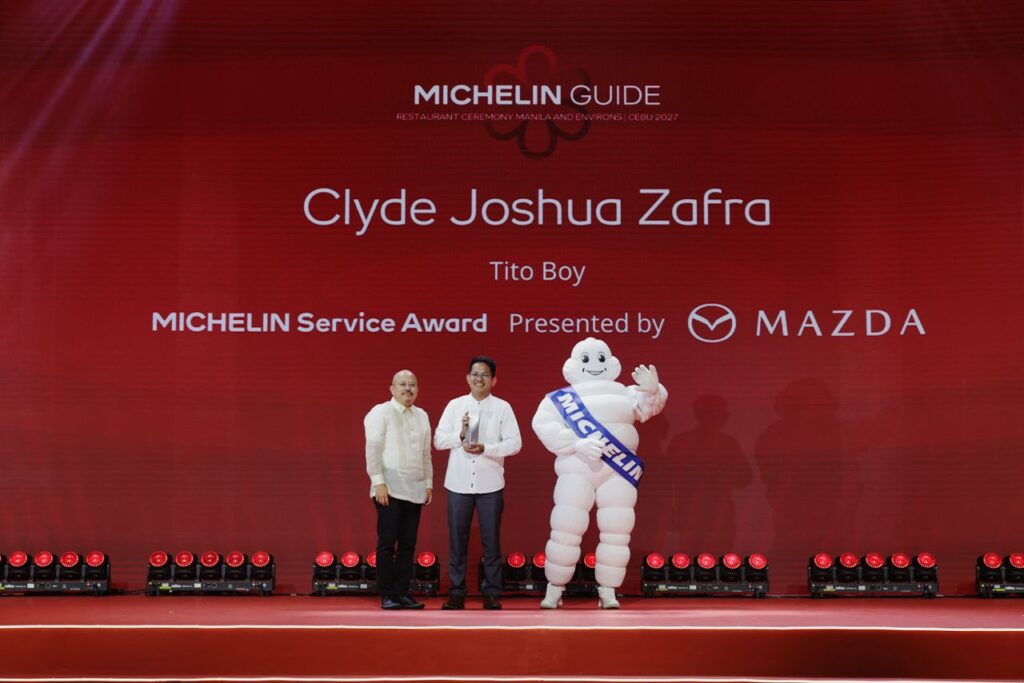
Clyde Joshua Zafra wins the MICHELIN Service Award. He manages Tito Boy in Pampanga. He leads a young team with genuine warmth.
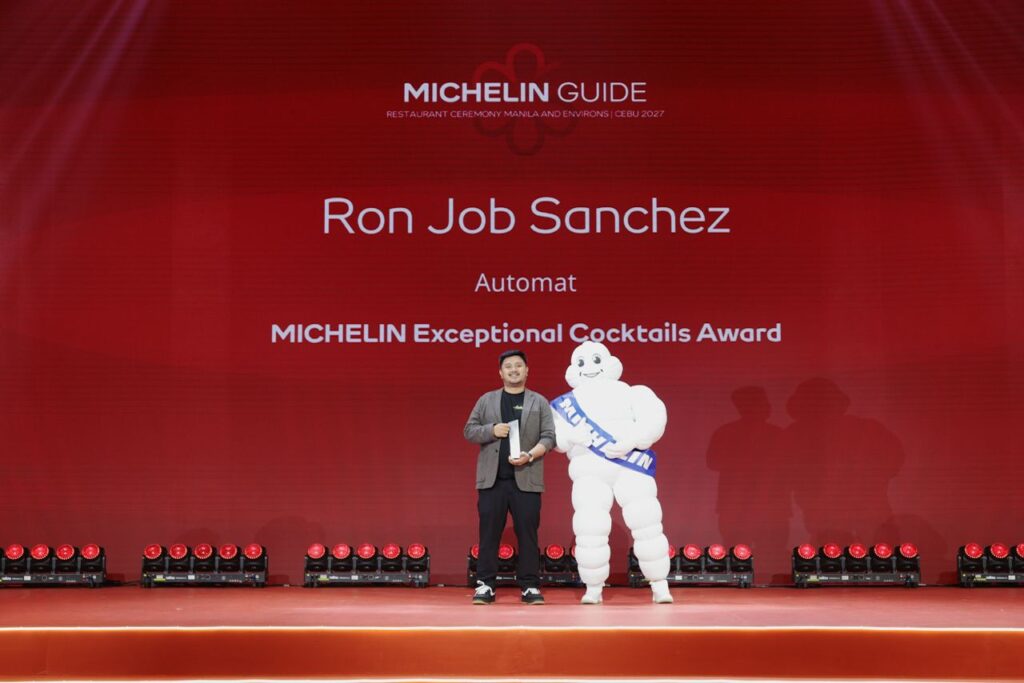
Ron Job Sanchez wins the MICHELIN Exceptional Cocktails Award. He works as Bar Beverage Manager at Automat in Makati. He uses fermentation and clarification to craft complex drinks.
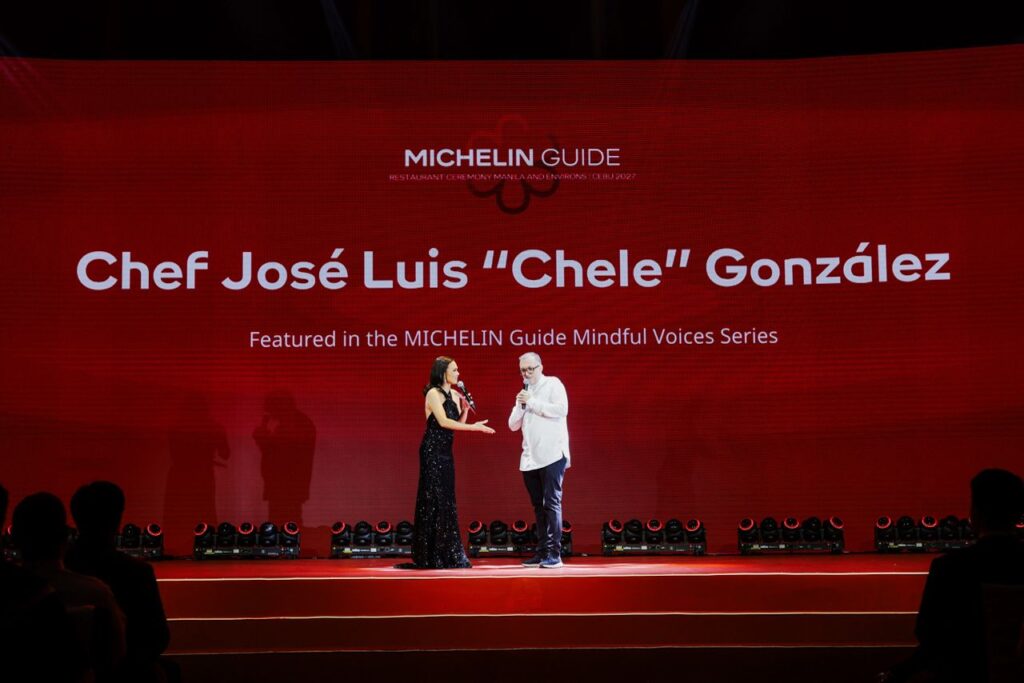
The guide introduces the Mindful Voices platform in the Philippines. This editorial space highlights pioneering practices in hospitality.
“Mindful Voices will give a platform to all those who are rewriting the rules in their respective fields,” said Gwendal Poullennec, International Director of the MICHELIN Guide. “This new framework draws directly from what our inspection teams witness firsthand: encounters and experiences that are transforming how things are done and that deserve to be shared. Staying true to its identity and values, the MICHELIN Guide will amplify and give full resonance to these voices from the worlds of gastronomy, hospitality and wine so that they can be heard, wherever they may be”.
Chef José Luis “Chele” González of Gallery by Chele speaks as the first Mindful Voice. His restaurant pairs culinary excellence with environmental responsibility. Around 90 percent of ingredients are sourced locally. Partnerships with farmers, fisherfolk, and Indigenous communities support local livelihoods.
An urban garden uses composted kitchen waste to supply herbs. Initiatives centered on cacao and rice create added value for farmers. The restaurant collaborates with the International Rice Research Institute to preserve heirloom rice. These efforts foster an inclusive food ecosystem. Women and marginalized farming communities benefit from sustainable partnerships.