
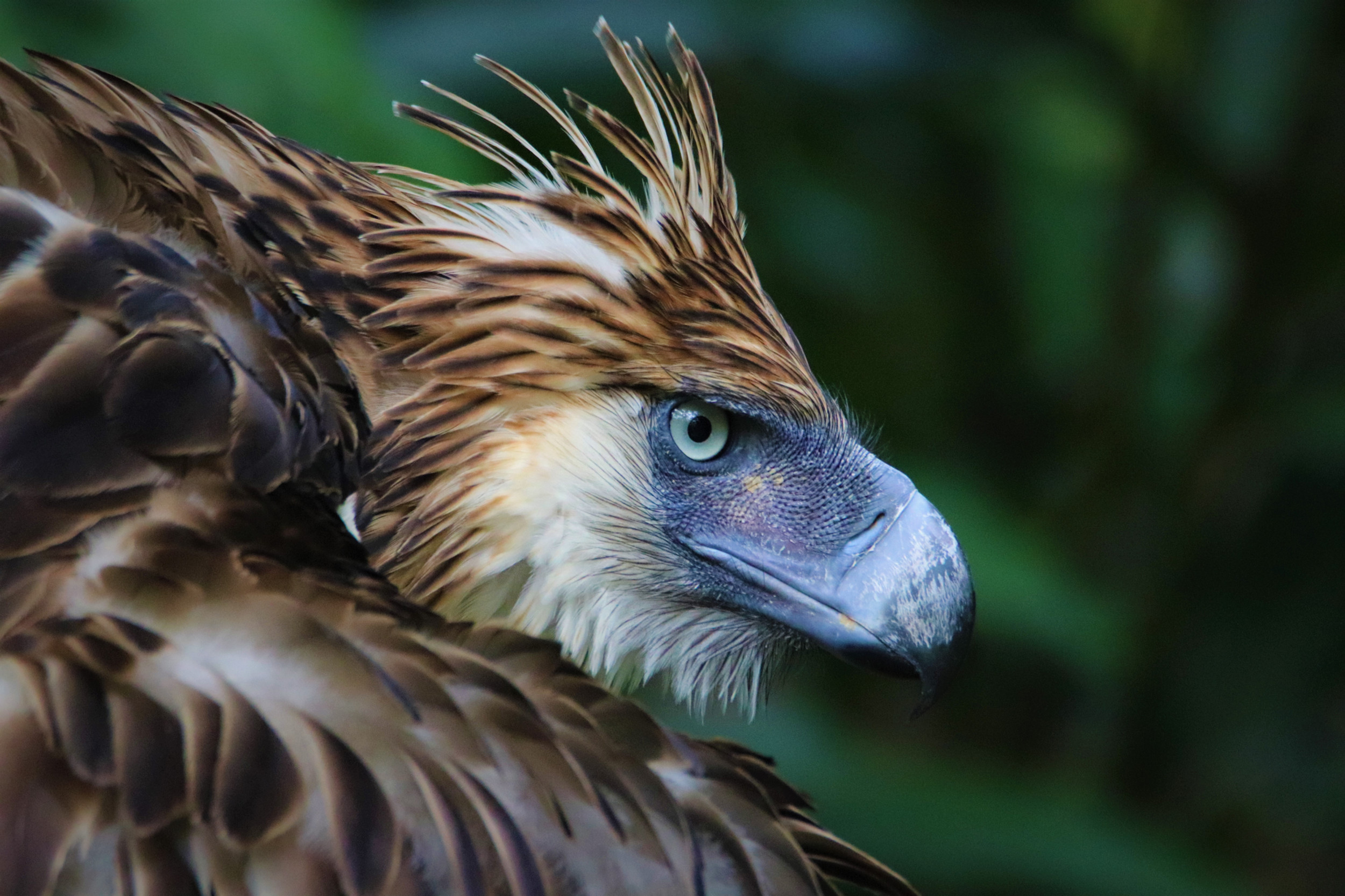
Science leaders gathered in Quezon City. They celebrated a major milestone for Philippine wildlife. The University of the Philippines and the Philippine Eagle Foundation marked a research success. The groups studied the DNA of the national bird.
The event took place on October 2, 2026. The UP Office of the President hosted a special dinner. The gathering happened at the Executive House in UP Diliman. Key leaders and researchers attended the night.
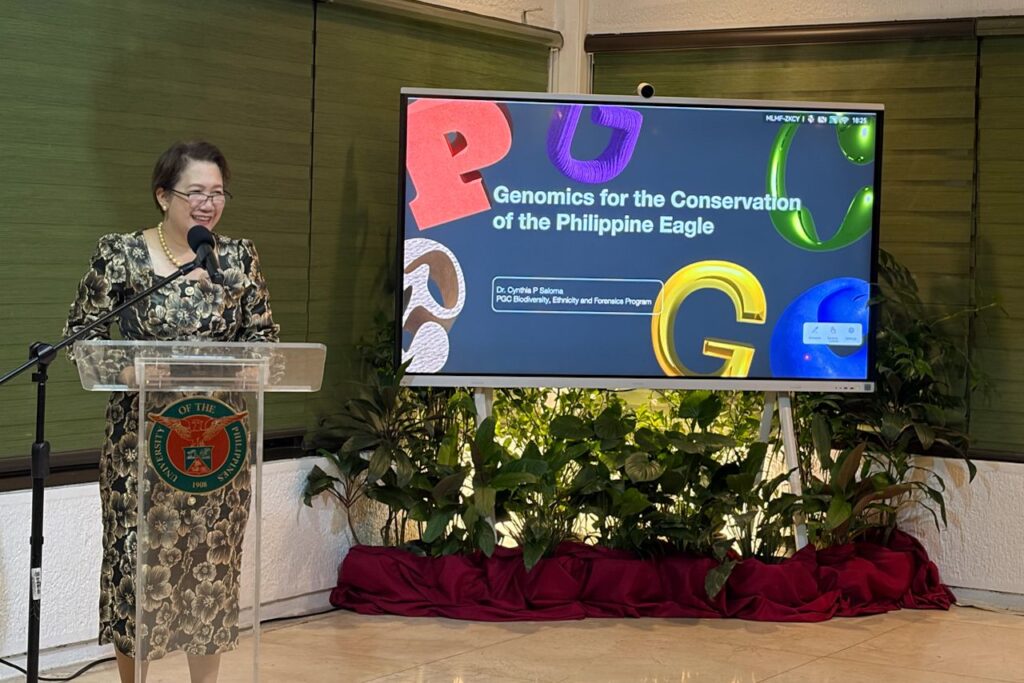
Dr. Cynthia Saloma led the groundbreaking scientific study. She works at the UP Diliman College of Science. Her group is the National Institute of Molecular Biology and Biotechnology.
Many other experts helped with the project. Franchesca Pascual and Dhan Mikhail Perdon served as lead authors from NIMBB. Francis Tablizo, John Michael Egana, and Renato Jacinto Mantaring joined the team. Carlo Lapid, Kris Punayan, and Shiela Mae Araiza also contributed. Jo-Hannah Llames and Ma. Celeste Abad completed the group from the Philippine Genome Center. Dr. Jayson Ibañez represented the Philippine Eagle Foundation. Dr. Juan Carlos Gonzalez joined from UP Los Baños.

The team achieved a major scientific goal. The scientists built a high-quality draft genome of the bird. They used this genetic data to find new ways to protect the species.
Previous findings showed a major problem. Wild Philippine Eagles have very low genetic diversity. Individuals show minimal genetic variation.
Dr. Saloma shared new evidence at the dinner. Captive-bred eagles at the foundation show better results. These birds display higher genetic diversity. They also show lower levels of inbreeding.
These findings prove something important. The captive breeding program is working well. Wild populations remain in a precarious genetic state.
Dr. Saloma spoke about the project during her presentation.
“This study’s groundbreaking results make a significant contribution to the field of biodiversity genomics in the Philippines,” Dr. Saloma noted.
She explained the broader impact of the work.
“Our research provides a master blueprint for how genomics can be used to study and conserve a lot of other organisms,” she stated.
The team hopes to protect more local animals.
“The foundational knowledge we have generated here can help safeguard not only the Philippine Eagle but also other endangered species across the Philippine archipelago,” Dr. Saloma added.
She issued a call to action for local experts.
“We hope to inspire other Filipino researchers and institutions to investigate the molecular data of endemic species in the region,” she said.
University leaders also shared their thoughts. UP President Atty. Angelo Jimenez attended the dinner. He talked about institutional partnerships. He said these projects advance science and help the economy.
President Jimenez stressed the duty of researchers.
“Science and scientists must speak up at this time,” he said.
He urged experts to be vocal.
“We have to speak very loudly because the nation is hungry for our voice,” the president noted.
He recalled past challenges.
“During the height of the crisis, the government was like a deer caught in the headlights,” he explained.
He highlighted the role of experts in hard times.
“The calls kept coming from government offices, asking for scientists. In times of crisis, that’s when they need us,” he added.
Other university officials joined the celebration. UP Vice President for Research and Innovation Dr. Joel Joseph Marciano Jr. was present. Philippine Genome Center Executive Director Dr. Windell Rivera attended the event. UP Mindanao Chancellor Dr. Lyre Anni Murao also joined the guests.
Dr. Ibañez spoke about real-world uses for the data. The new genetic knowledge has immediate value.
“I’m also very pleased to share that the knowledge generated from this research, together with many other studies, is now helping guide the latest 10-Year Species Action Plan for the Philippines,” Dr. Ibañez stated.
Government agencies are already using the data.
“At this point in the conservation program, the Department of Environment and Natural Resources is very much interested in knowing the parentage or bloodline of every eagle we are trapping in different regions of the Philippines,” he explained.
He sees this shift as a victory for conservation.
“We think that alone is a very positive development,” Dr. Ibañez concluded.
Photos: UP-PEF, 2026.