
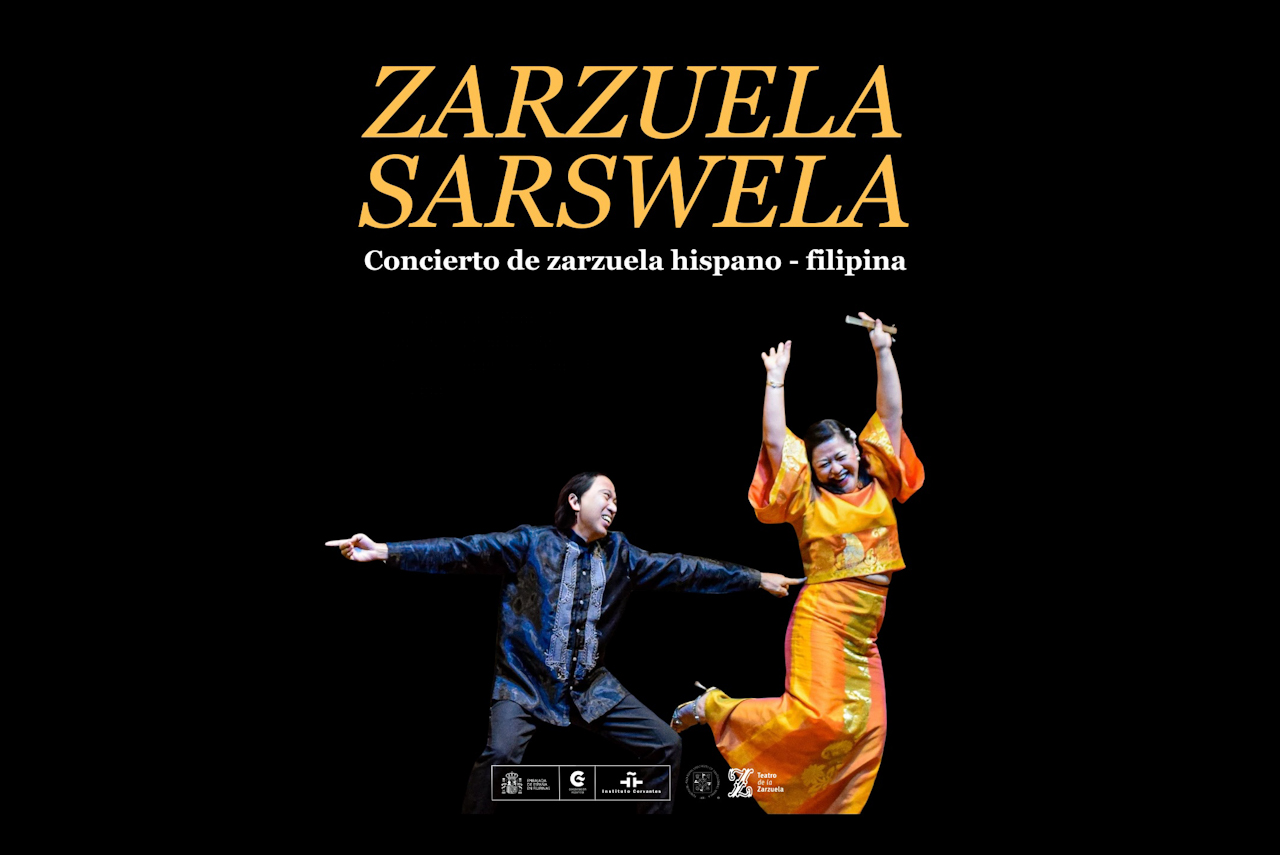
Classical music echoed across the University of Santo Tomas on November 14. The Conservatory of Music hosted a vibrant cultural showcase. The event marked the second consecutive year of the Zarzuela>Sarswela concert.
A Historic Diplomatic Milestone
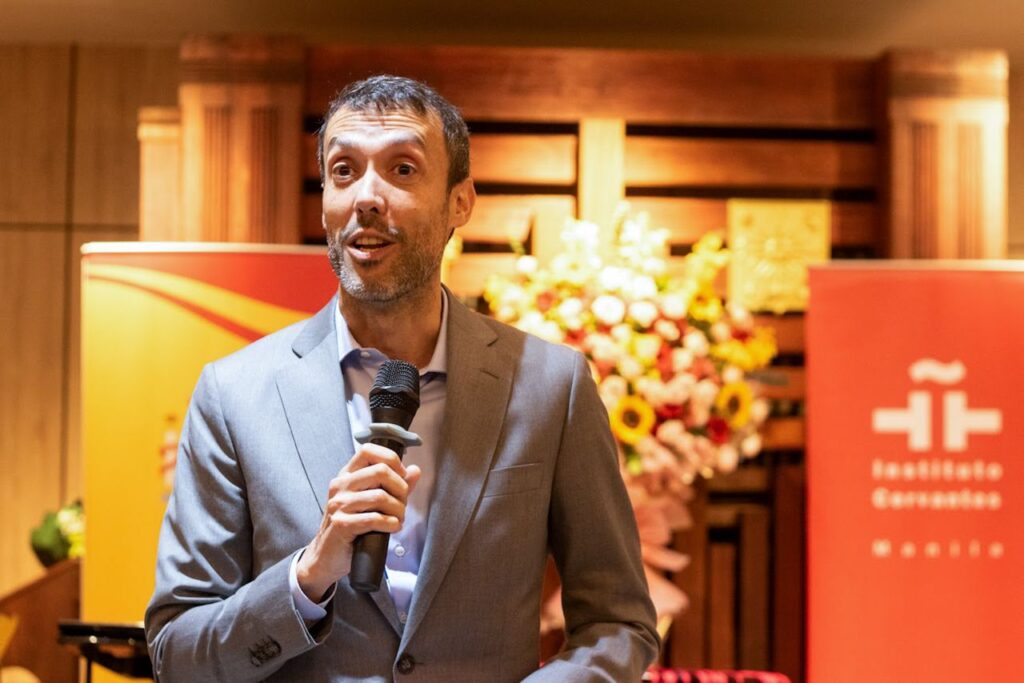
This special evening carried profound diplomatic significance. The new Ambassador of Spain in the Philippines attended the event. This gathering marked his first official public appearance in the country.
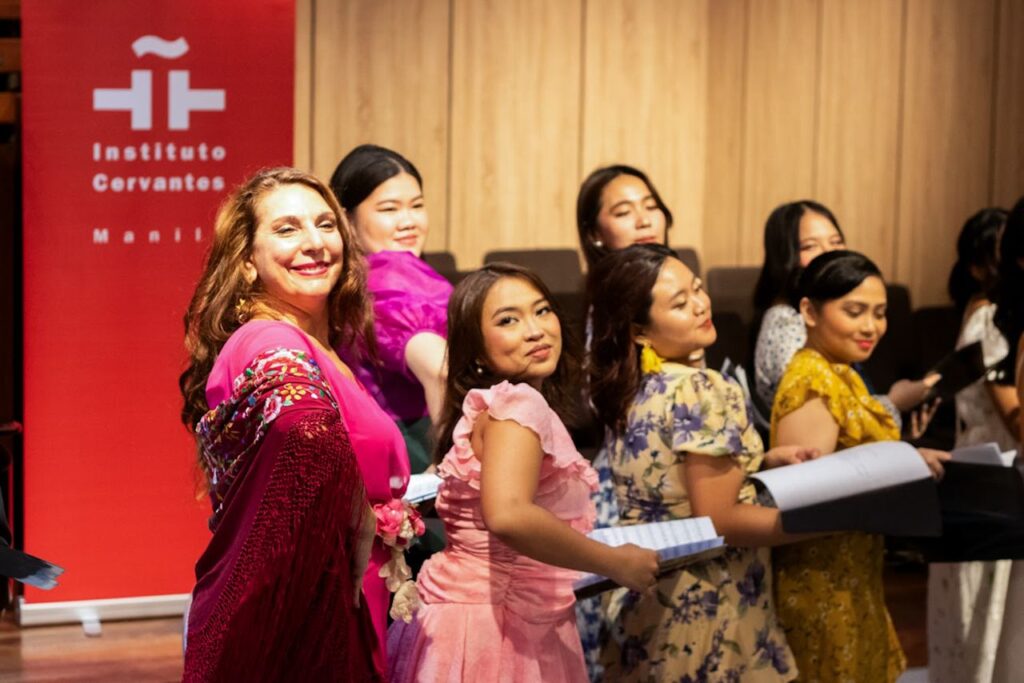
Four distinguished organizations united to present the production. Instituto Cervantes, the Embassy of Spain in the Philippines, the University of Santo Tomas, and Teatro de la Zarzuela collaborated on the project. Their partnership celebrates the shared cultural heritage of Spain and the Philippines.
Expert Workshops Led by Spanish Artists
A five-day educational workshop preceded the grand concert. The intensive training sessions ran from November 9 through November 13. Participants studied advanced vocal techniques and stage performance.
Two esteemed musical experts from Spain led the workshops. Spanish soprano María Rodríguez and Spanish pianist Belén Castillo directed the daily sessions.
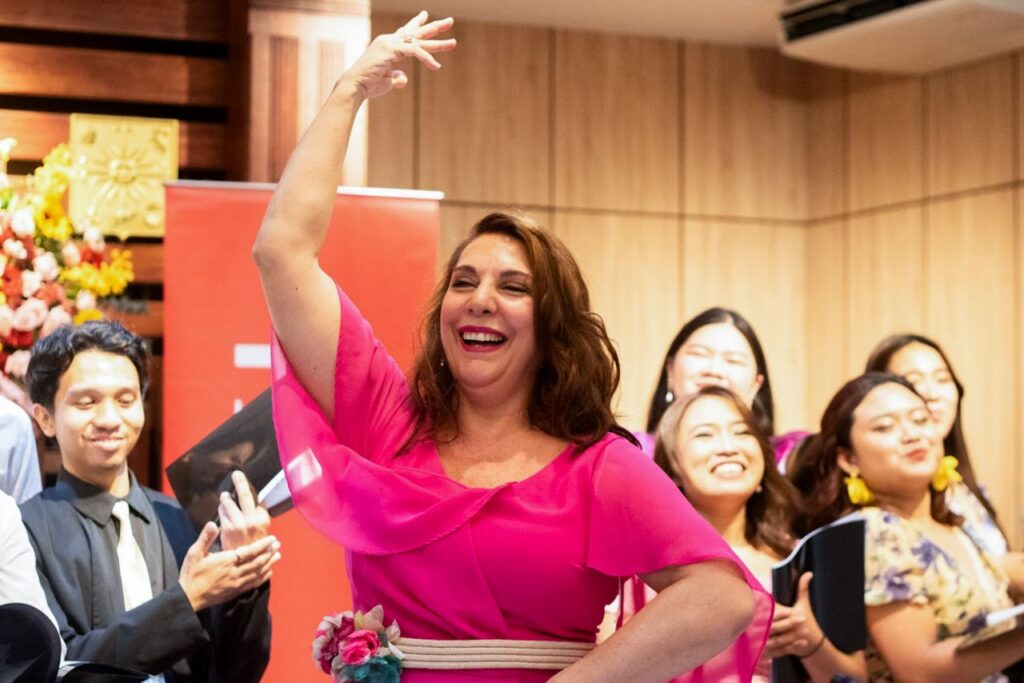
María Rodríguez is a renowned Spanish soprano. She specializes in classical opera and traditional Zarzuela. Music critics praise her expressive stage presence and exceptional artistic versatility.
She has performed on major national and international stages. She has collaborated with legendary opera icons like Plácido Domingo and José Carreras. She is deeply committed to promoting zarzuela worldwide. She combines musical tradition with a fresh and accessible approach. This modern approach introduces the theatrical genre to new generations of audiences.
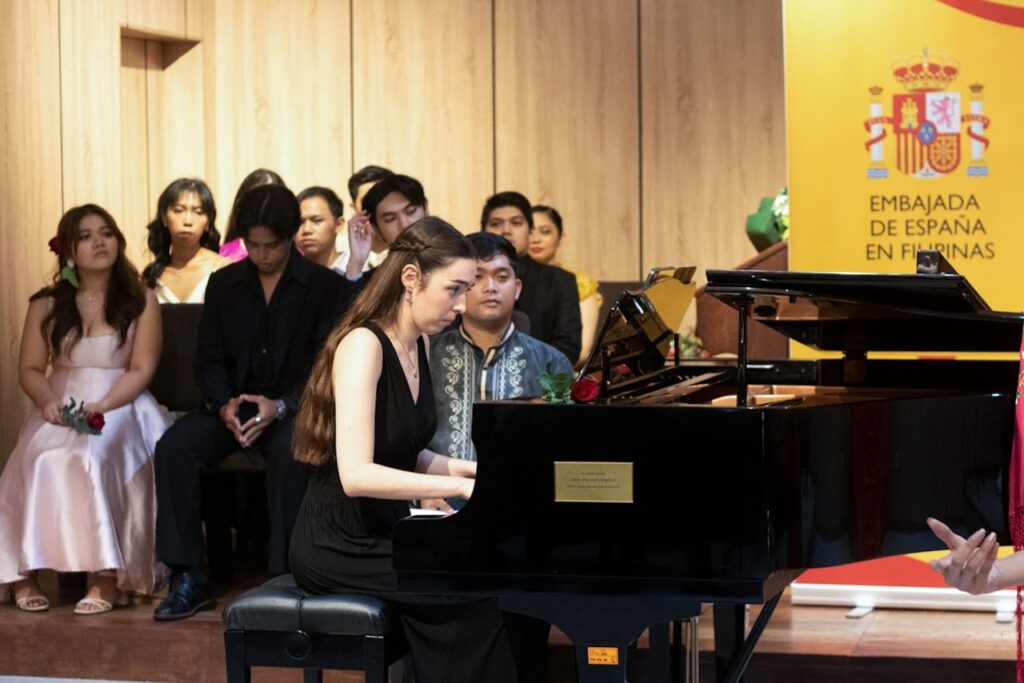
Belén Castillo is an accomplished Spanish pianist and vocal coach. She specializes in expert vocal accompaniment. She serves as a piano professor at the Escuela Superior de Canto de Madrid. She collaborates regularly with the renowned Teatro Real. She has participated in numerous opera productions and recitals across Spain.
Bridging Two Musical Traditions
Zarzuela is a traditional Spanish theatrical genre. It seamlessly combines music, singing, and spoken dialogue. It has remained a cornerstone of Spain’s cultural identity for centuries.
Spanish cultural influences eventually reached the Philippine islands. Local Filipino artists embraced and adapted the foreign medium. The adaptation transformed into the distinctly Filipino Sarswela.
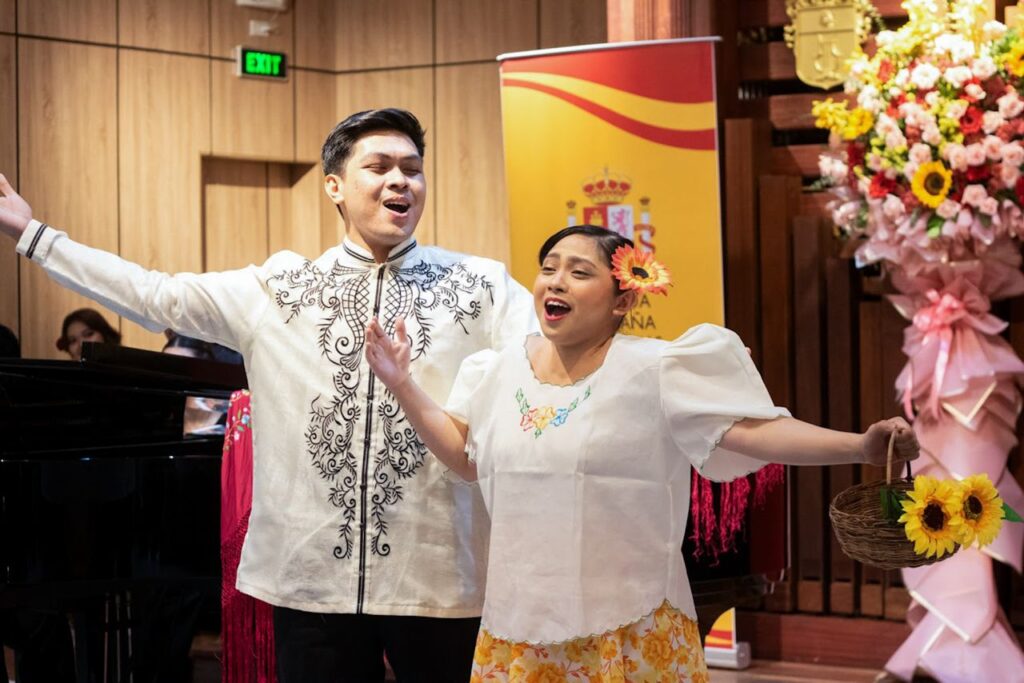
The Sarswela evolved into a powerful local art form. It reflects native stories, social realities, and community aspirations.
A Landmark Concert Program
The culminating concert on November 14 brought together two distinct musical worlds. The program featured landmark selections from classic Spanish Zarzuelas.
Performers highlighted El barberillo de Lavapiés. Francisco Asenjo Barbieri composed this famous piece in 1874. The ensemble also performed works from La del manojo de rosas. Pablo Sorozábal composed this beloved Zarzuela in 1934.
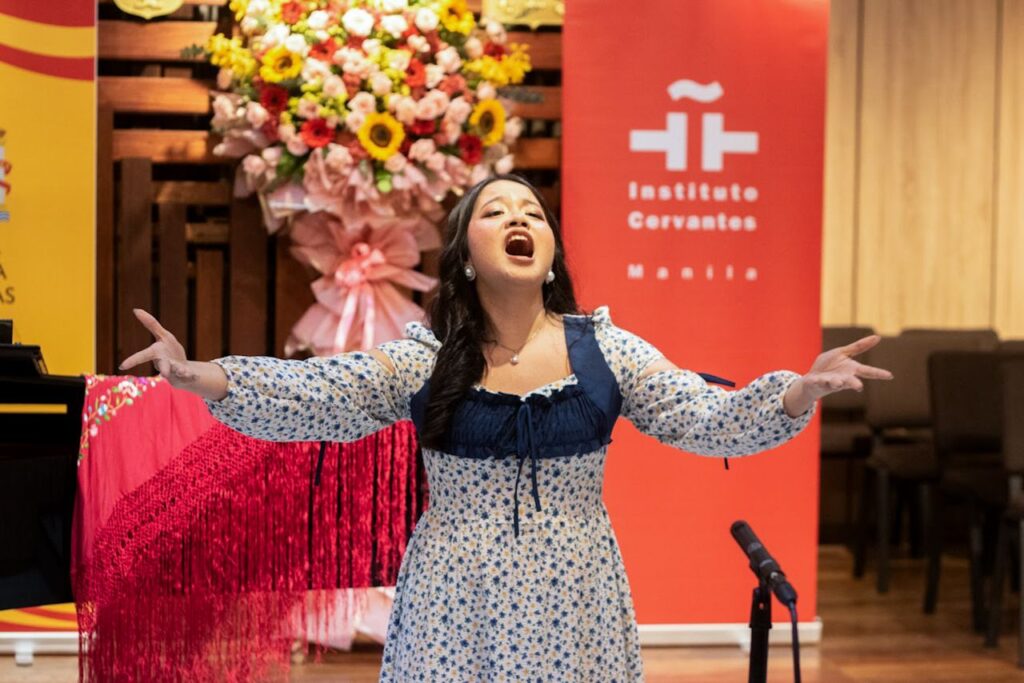
Filipino Sarswela masterpieces shared the spotlight. The program included celebrated selections from Filipinas para los Filipinos by Jose Estella. Performers also presented powerful highlights from Walang Sugat.
These musical selections honored the deep historical connections between the two nations. The program highlighted the Sarswela’s immense contribution to Philippine performing arts.
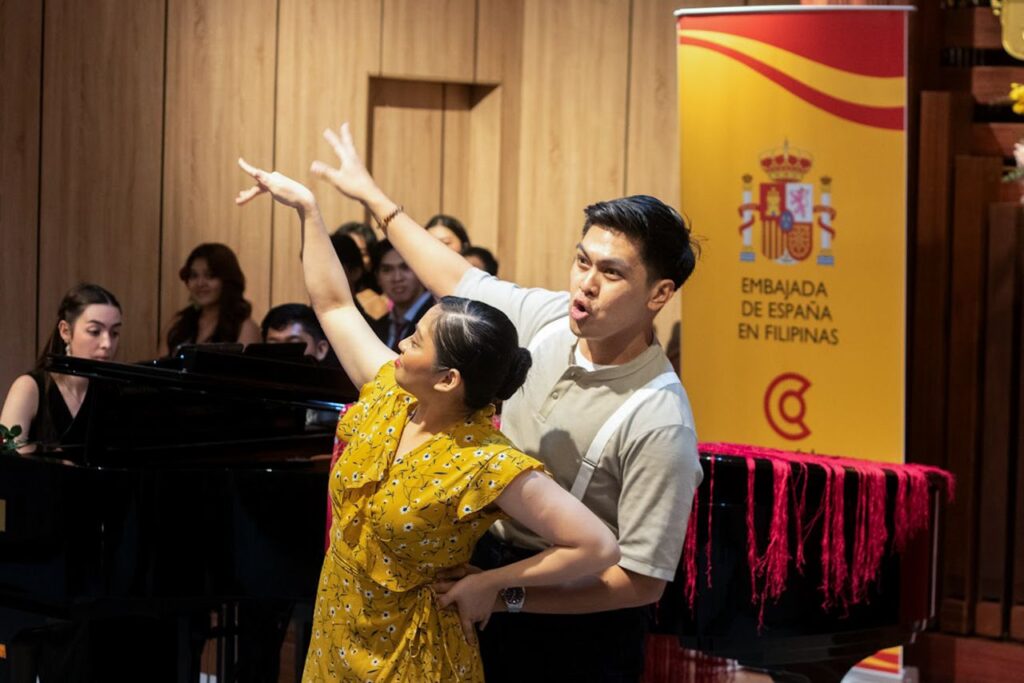
The genre successfully expressed genuine Filipino cultural identity. Rooted initially in Spanish theatrical traditions, it developed its own musical language. The unique narratives captured the lived experiences of Filipino communities.
Event Details and Outreach
Concert admission was entirely free for the general public. Online registration ensured organized attendance through a digital portal.
Music lovers can learn more about upcoming cultural events online. Instituto Cervantes de Manila shares regular updates regarding its cultural programs. Supporters can visit their official web portal or follow their official Facebook page for announcements.
Photos: Cultura Instituto Cervantes de Manila, 2026.