
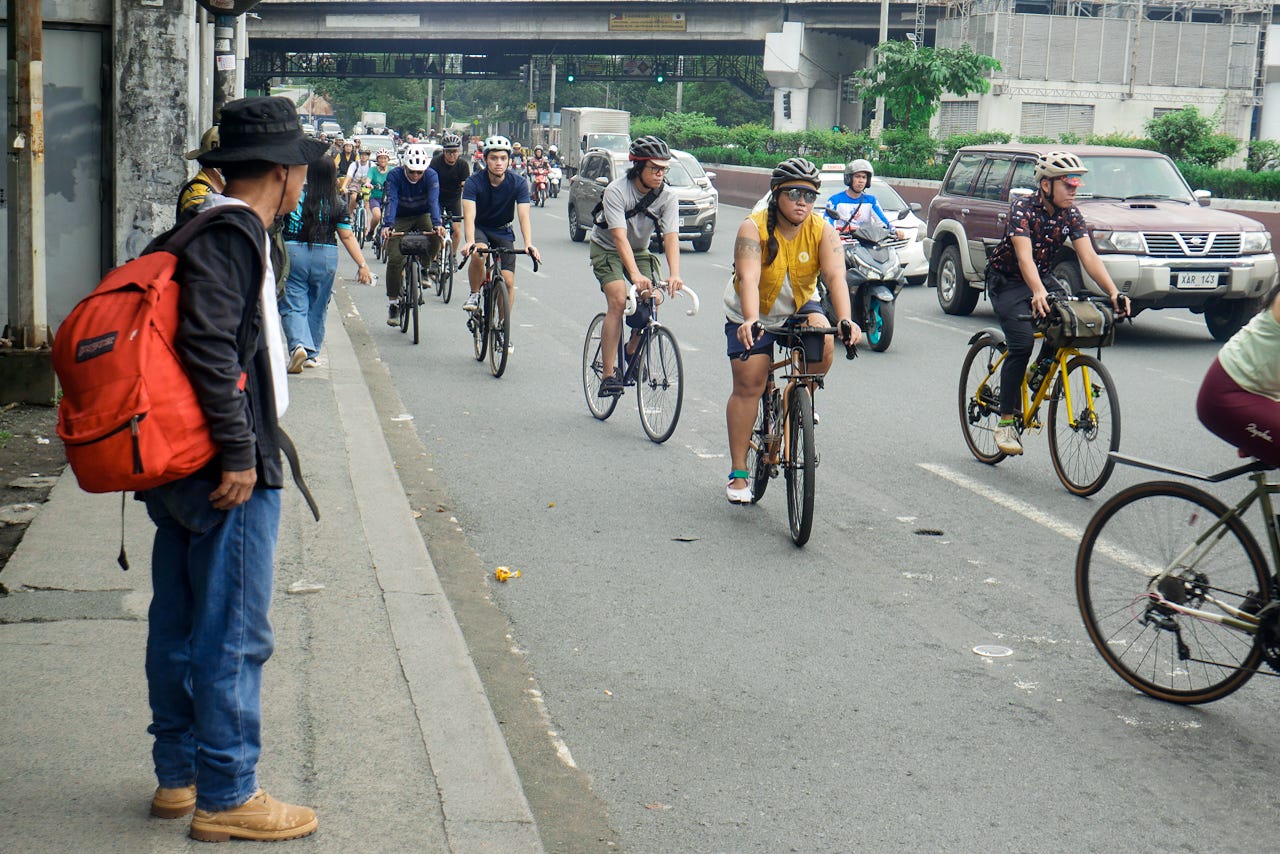
The Good Food Community and the Make It Safe Movement (MISMO) organized a small solidarity ride. They aimed to paint a powerful message for the rights of the city. This event took place on October 13th on the streets of Metro Manila. The community bicycle ride aimed to shed light on the struggles of marginalized communities often overlooked. It also emphasized the importance of fair access to urban spaces.
The journey began with a thoughtful discussion about agroecology and food security. The discussion also covered the farm food market fair. This fair is for World Hunger Day at the University of the Philippines (UP) Diliman. Participants then embarked on a cycling journey. They transitioned to the heart of the urban landscape. They experienced the city through the eyes of those who often bear the brunt of its inequalities.
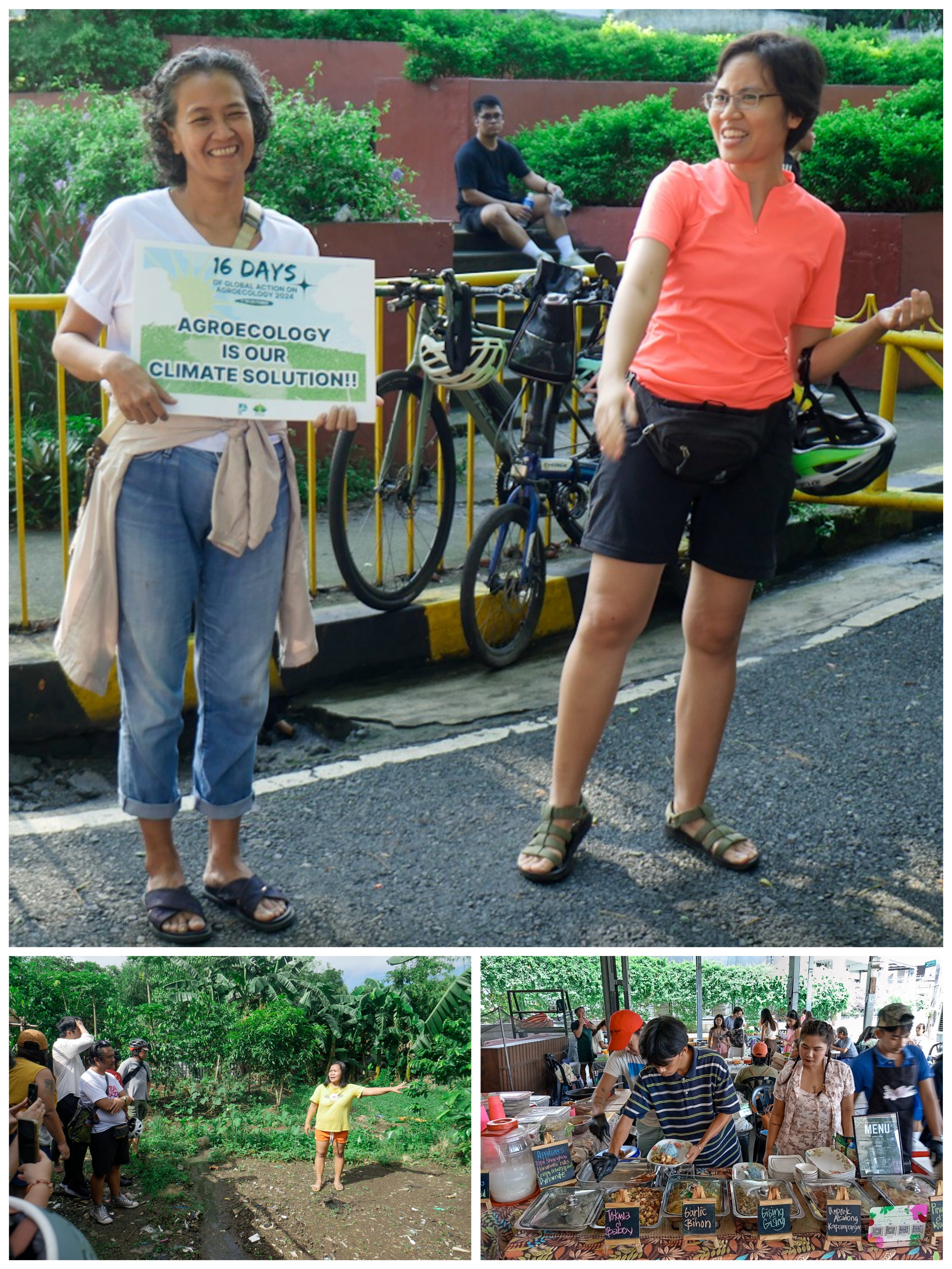
The ride’s first stop was Area 17. This is a community outside the UP Diliman campus. They have carved out a small plot of land, or “bungkal,” to cultivate their food. This small farm provides a vital source of sustenance for the community. It produces onions, okra (lady’s fingers), kangkong (water spinach), lettuce, and even rice. Yet, their vital source of food and livelihood is under constant threat. UP Diliman security guards often harass the community. They destroy crops and threaten their homes. This is all under the national university’s wish to build an “eco(nomic) park” for profit.
Area 17 is one of many resilient stories in the face of adversity. The community settled on abandoned land in 1986. They have consistently faced displacement efforts by the national university. This happened despite their legitimate claim to the land. This situation starkly highlights the realities of land grabbing and the power imbalances that exist within urban environments.
The final destination of this solidarity ride was the Good Food Community Sunday market in Mandaluyong City. The peloton cycled through the bustling streets of Metro Manila. They experienced firsthand the challenges of navigating urban infrastructure as commuter cyclists. The journey served as a powerful reminder that the road belongs to everyone, not just motorists.
Upon reaching the market, participants experienced a warm community atmosphere. They also heard a poignant message from Alyssa Belda, the head coordinator of MISMO. Belda emphasized the similarities between the cyclists’ challenges during the ride and the ongoing struggles of the Area 17 community. The riders face inconveniences like poor road conditions, incompetent motorists, and pollution. These are just a glimpse of the daily hardships of commuters. This is particularly true for those who are marginalized and vulnerable.
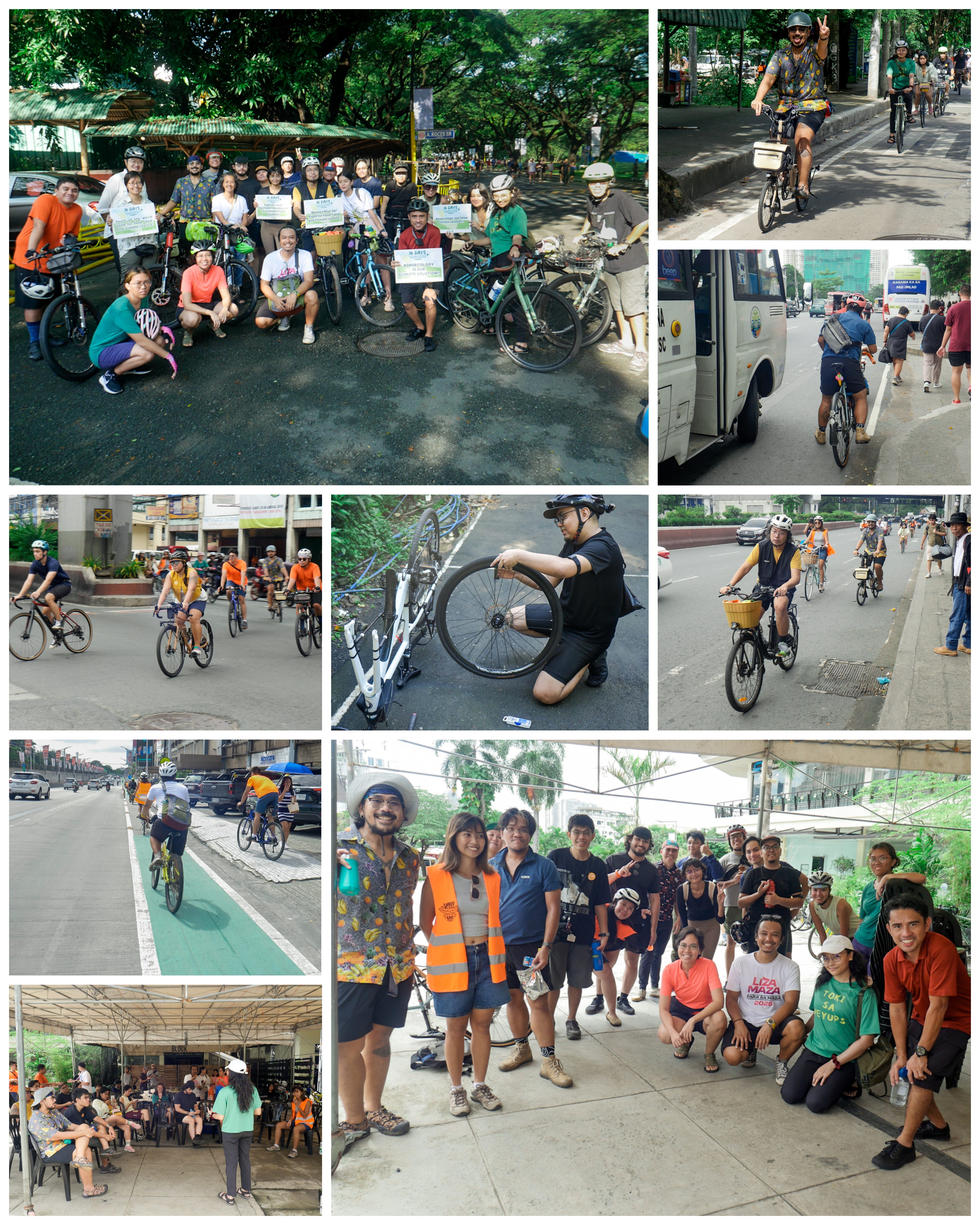
The ride concluded with a powerful message. Everyone deserves the right to the road. They also deserve the right to a home and the right to not go hungry. This event was a testament to the power of collective action. It served as a reminder that building a just and fair city requires acknowledging everyone’s needs. Addressing the needs of all its inhabitants is essential. Participants cycled through the city. They engaged with the Area 17 community. They gained a deeper understanding of the connection of urban issues. They learned the importance of standing in solidarity with those who are often overlooked.