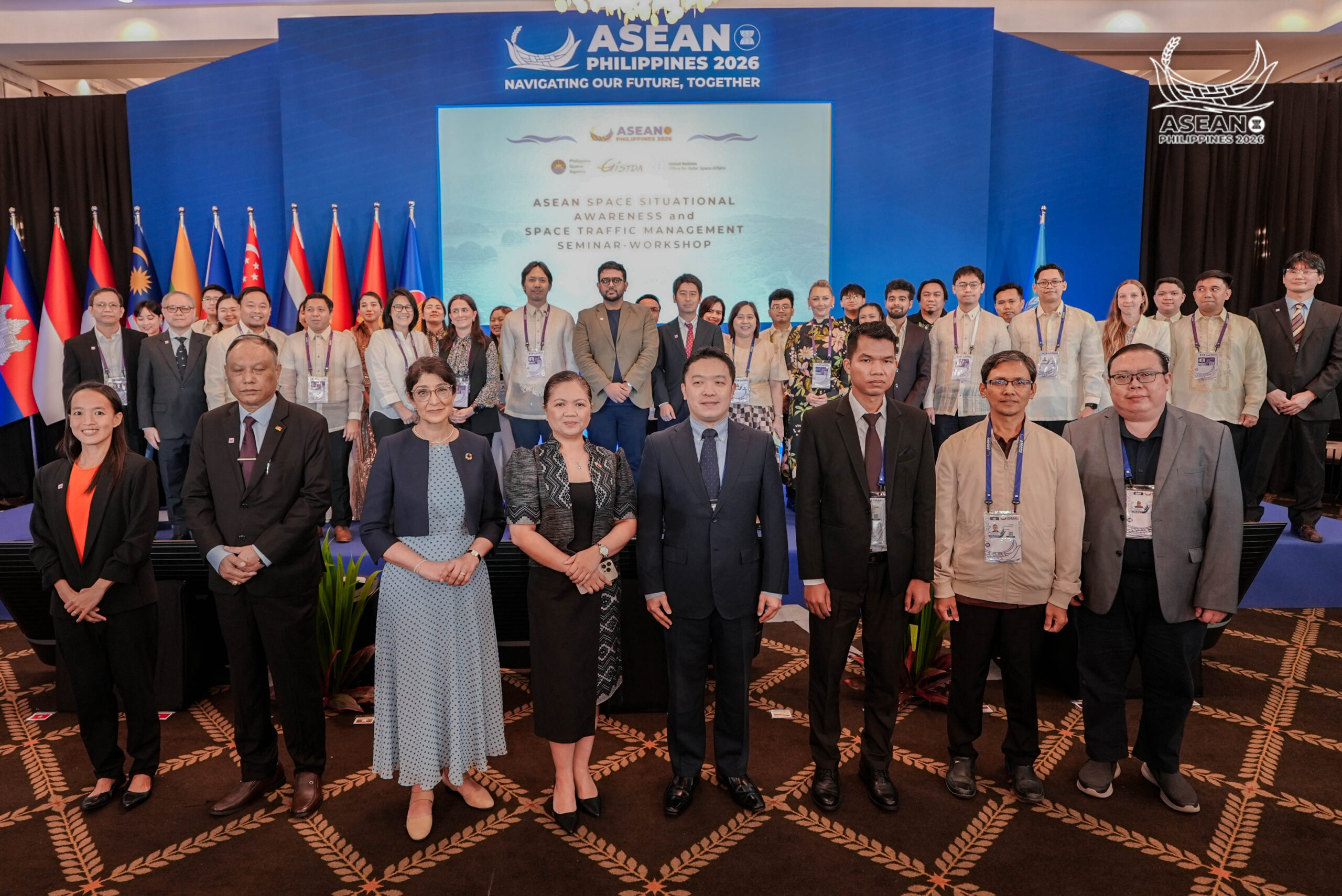
The Philippine Space Agency (PhilSA) hosted a two‑day ASEAN Space Situational Awareness (SSA) and Space Traffic Management (STM) seminar‑workshop on March 12‑13, 2026. The event was co‑organized with the United Nations Office for Outer Space Affairs (UNOOSA) and Thailand’s Geo‑Informatics and Space Technology Development Agency (GISTDA). Over 100 representatives from ASEAN member states, governments, academia and industry attended.
ASEAN Secretary‑General Dr. Kao Kim Hourn said, “For ASEAN—a region whose economies, disaster response systems, aviation, shipping, and digital connectivity are deeply dependent on space‑based services—the stakes are direct and concrete.” He added that the upcoming ASEAN Leaders’ Declaration on Space Cooperation will formalize the region’s commitment to responsible space governance.
UNOOSA Director Aarti Holla‑Maini explained, “What protects satellites, investments, and ultimately the services that space provides to our economies and our societies, is when that data is shared in what we call space traffic coordination.” She continued, “Space traffic coordination allows data to be translated into action. When operators communicate with each other, they can maneuver safely out of each other’s way.”
The workshop focused on five key topics. Experts discussed improving observation and tracking of orbiting objects. They examined how to turn data into operational coordination. Sessions covered space‑weather effects on satellites. Participants reviewed policy frameworks that support SSA and STM. They explored ways to build regional capacity through trust and data sharing.
PhilSA displayed an exhibit on monitoring rocket launches and debris that fall within Philippine territory. Deputy Director General Dr. Marc Caesar R. Talampas said, “As global launch rates continue to accelerate, debris shed during staging events and the uncontrolled reentry of large rocket upper stages pose growing hazards—not only to other spacecraft, but to civil aviation and to populations on the ground.” He urged ASEAN partners to broaden the regional SSA/STM framework to cover the full life cycle of space objects, from launch through reentry.
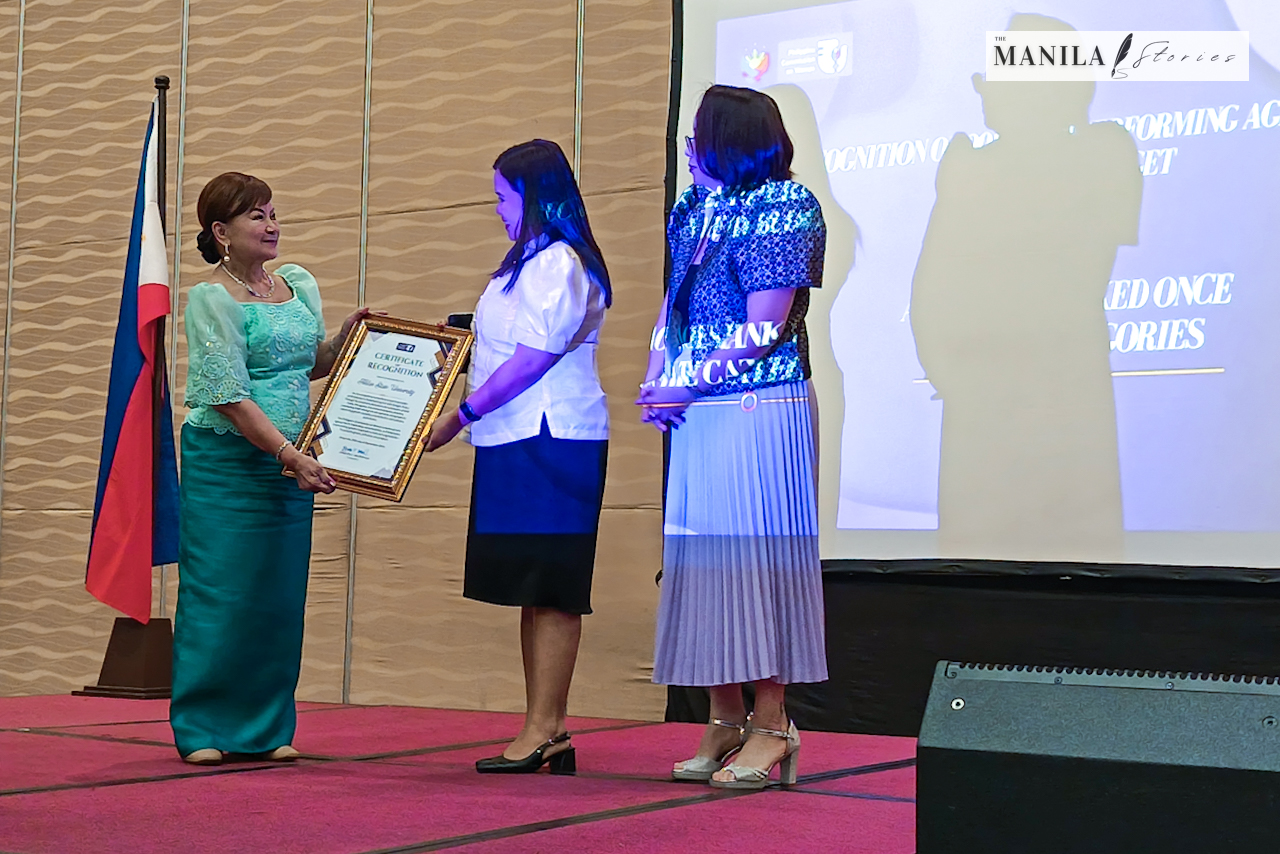
At the closing ceremony, PhilSA and UNOOSA signed a Memorandum of Understanding. The agreement will boost collaboration on space law, disaster risk reduction, capacity building and public engagement. It also includes a public lecture on space law and the release of PhilSA’s children’s activity book “Si Tala at ang Kanyang Lakbay Kalawakan!” The book will be translated into all six official UN languages.
PhilSA Ad Interim Director General Dr. Gay Jane P. Perez said, “As the Philippines chairs the ASEAN this year, we are also proposing an ASEAN Declaration on Space Cooperation. More than a formal statement, this declaration reflects a shared regional vision to strengthen collaboration in space science, technology and innovation, including cooperation in SSA and STM.” She added that the declaration will help the region use space technologies for disaster resilience, environmental sustainability, economic growth and inclusive development.
Dr. Hourn reiterated the same vision. He said, “As ASEAN’s space capabilities mature, the ambition must be matched with stewardship. This is what makes the anticipated ASEAN Leaders’ Declaration on Space Cooperation the most consequential commitment in this domain this year. I commend the Philippines, as ASEAN Chair, for driving this initiative forward.”
The seminar‑workshop marked a significant step toward a coordinated ASEAN approach to space safety. It highlighted the need for shared data, transparent communication and joint action to protect satellites and the services they enable.
ASEAN Holds First Regional Space‑Traffic Workshop in Manila