Benito Soliven, Isabela, is home to 1,209 hectares of banana plantations. Until recently, much of the banana plant was discarded after harvesting. Now, thanks to the Department of Trade and Industry (DTI), this abundant resource is transforming the town’s economy.

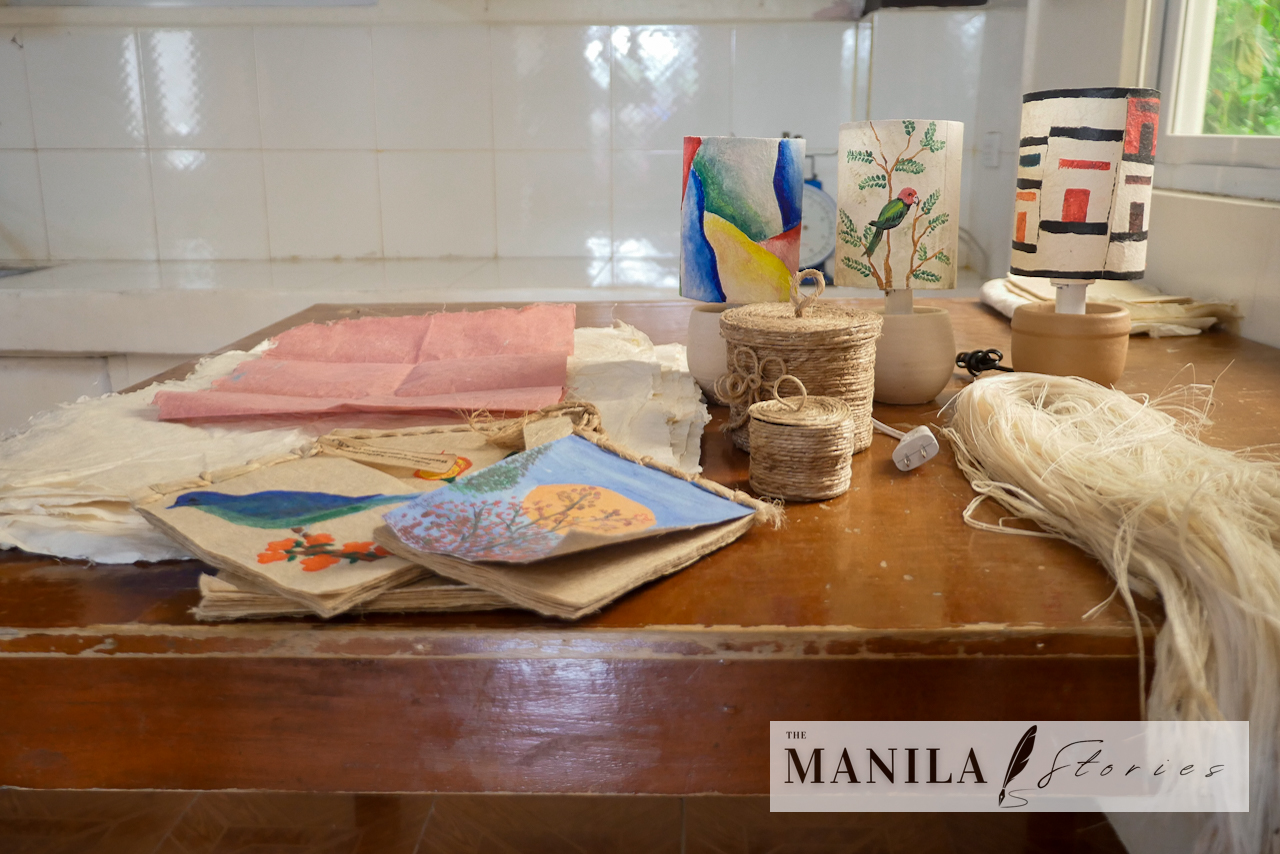
The DTI is spearheading a project to utilize banana trunks, turning them into valuable banana fiber. This fiber isn’t just used for one product; it’s powering a diverse range of creations. The most prominent example? High-quality banana paper.


The process is surprisingly straightforward. First, the banana trunk is separated into fibers. These fibers are then dried, boiled, and beaten into a pulp. Sometimes, bleaching creates a brighter, whiter paper. The pulp is mixed with water, scooped onto a screen, and allowed to drain. The resulting sheet of banana paper is then hung to dry.
This initiative isn’t just about creating paper. The softer banana fiber, gentler than abaca, is ideal for textiles. The DTI envisions expanding into banana textiles as well.
Rodelyn Grace Lungan, Benito Soliven’s municipal administrator, sees immense potential. The project generates jobs and income. The banana paper is competitive, offering a high-quality alternative in the paper industry.
Beyond paper sheets, Benito Soliven’s artisans are crafting lampshades, baskets, and other items from banana fiber. The versatility of the fiber is unlocking a wealth of creative possibilities.
The DTI’s program shows how a seemingly simple agricultural byproduct can transform a community. It’s a testament to innovation, sustainability, and the entrepreneurial spirit of Benito Soliven. The town’s banana plants are no longer just a source of fruit; they are a source of sustainable economic growth.