The Philippine Heart Association (PHA) is raising the alarm on heart failure. Medical experts label it an urgent national health threat.
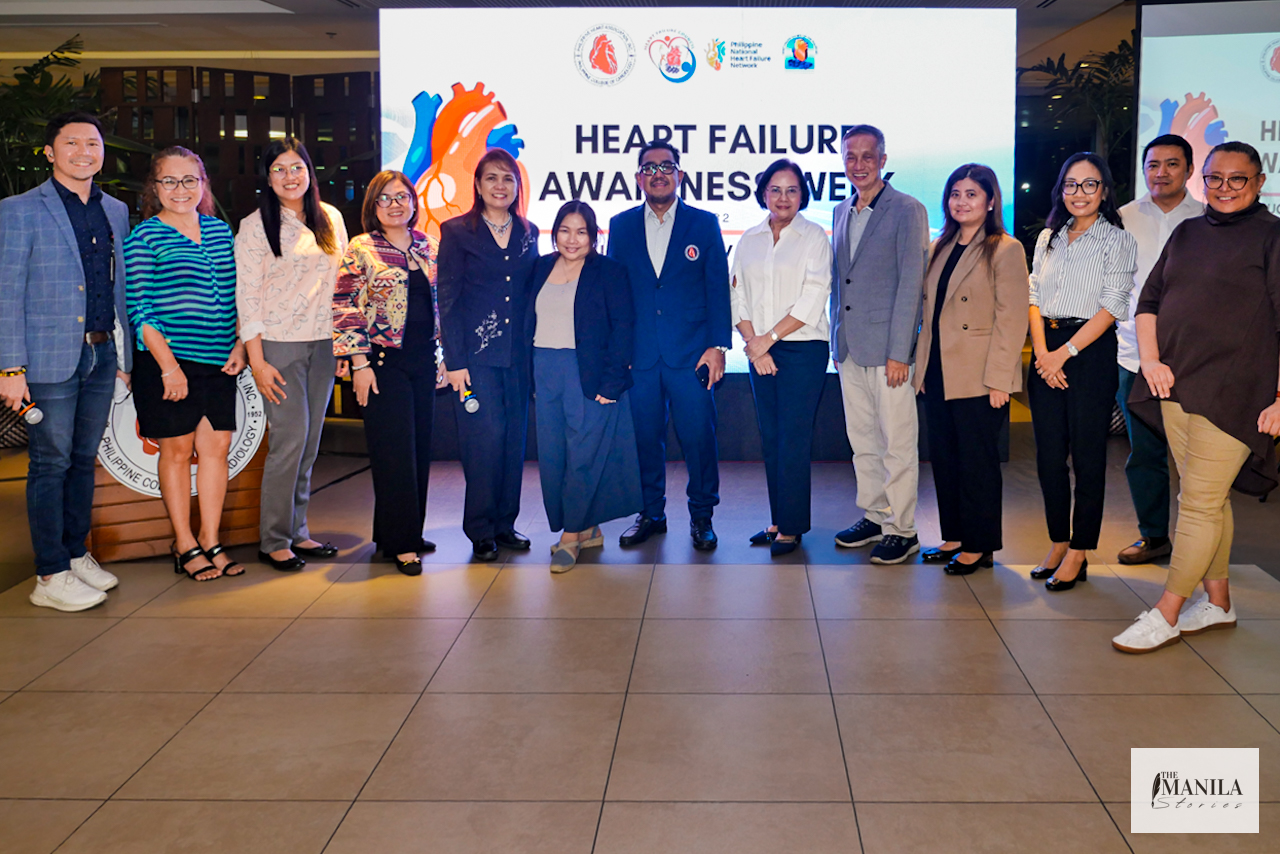
The group made the call during Heart Failure Awareness Week on April 14, 2026. The event took place at the Unilab Compound. The theme was “Educate, Innovate, Empower.”
Heart failure is not just a clinical diagnosis found in textbooks. It is a rising public health burden. It requires early detection and strong community action.
Dr. Erlyn Demerre is the Council on Heart Failure Chair and National HF Network Director. She said, “An ounce of prevention is better than a pound of cure. The goal should be early diagnosis and timely management, so patients do not travel down the road from mild HF to severe and disabling disease.”
Data shows heart failure affects 10.4 percent of the Philippine population. Risks include hypertension, diabetes, and smoking. Many Filipinos ignore early symptoms, such as shortness of breath and swelling. They often mistake these signs for simple fatigue.
PHA President Dr. Walid Amil emphasized the need for updated medical knowledge. He said, “We are focusing on heart failure because its prevalence continues to rise. There are many important updates in the management and treatment of heart failure that healthcare professionals need to learn and keep up with.”
Hospitalization costs are high. Public hospital stays can cost up to ₱80,000. Private care can exceed ₱300,000. Many patients return to the hospital within six months of discharge.
Experts suggest structured heart failure clinics to improve care. These clinics provide monitoring and medication management. They help prevent expensive readmissions.

The PHA is also running a “Heart Failure Caravan” across the country. It visits provinces to offer screening and education. Nurses play a major role in these community efforts. They are often the first to assess patients and provide support.
Dr. Amil expands, “But of course, we all know that awareness is just the beginning. We still have important challenges ahead, such as strengthening and establishing heart failure clinics nationwide. Expanding access to advanced therapies, including a very elusive, if I may say so, heart transplantation in the Philippines, and building sustainable heart failure rehabilitation programs to improve the quality of care of our heart failure patients. These are not small goals, but they are necessary if we truly want to change the outcomes.”
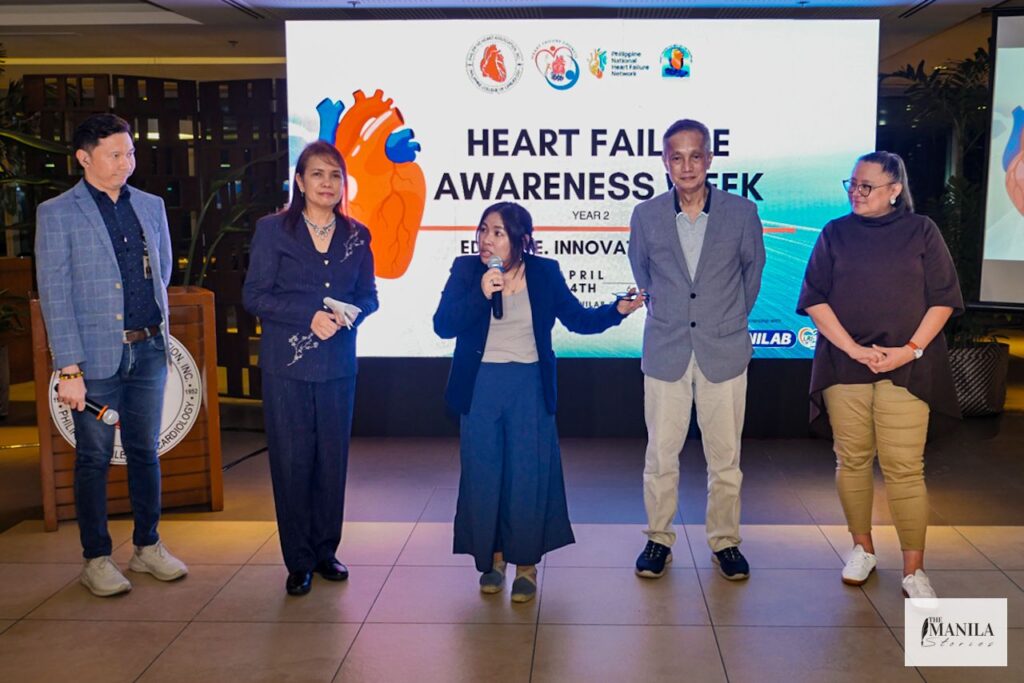
Doctors acknowledged that heart failure requires a team effort. Physicians, nurses, and pharmacists must work together.
Heart failure is a silent, slow-moving crisis. However, experts believe the trajectory can change. Early recognition and collective action can save lives.