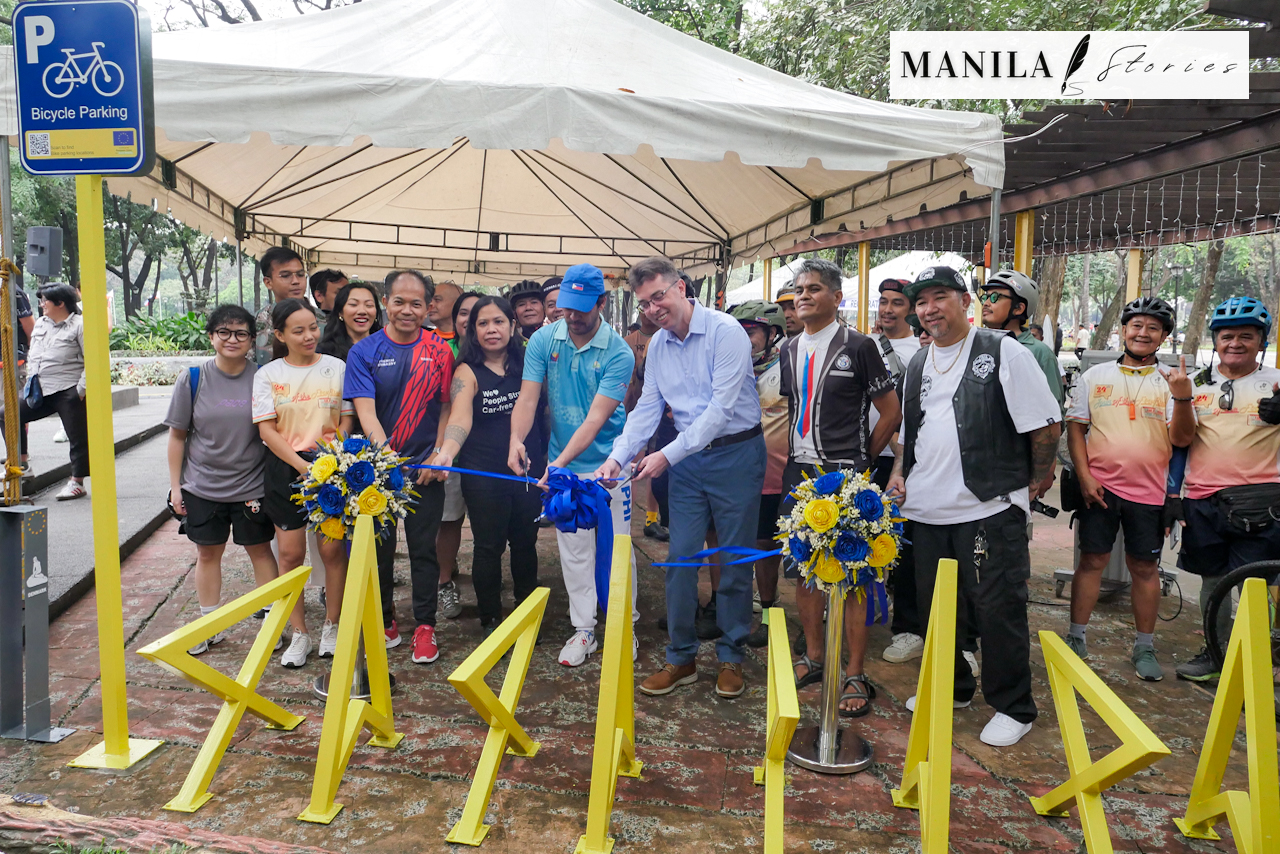
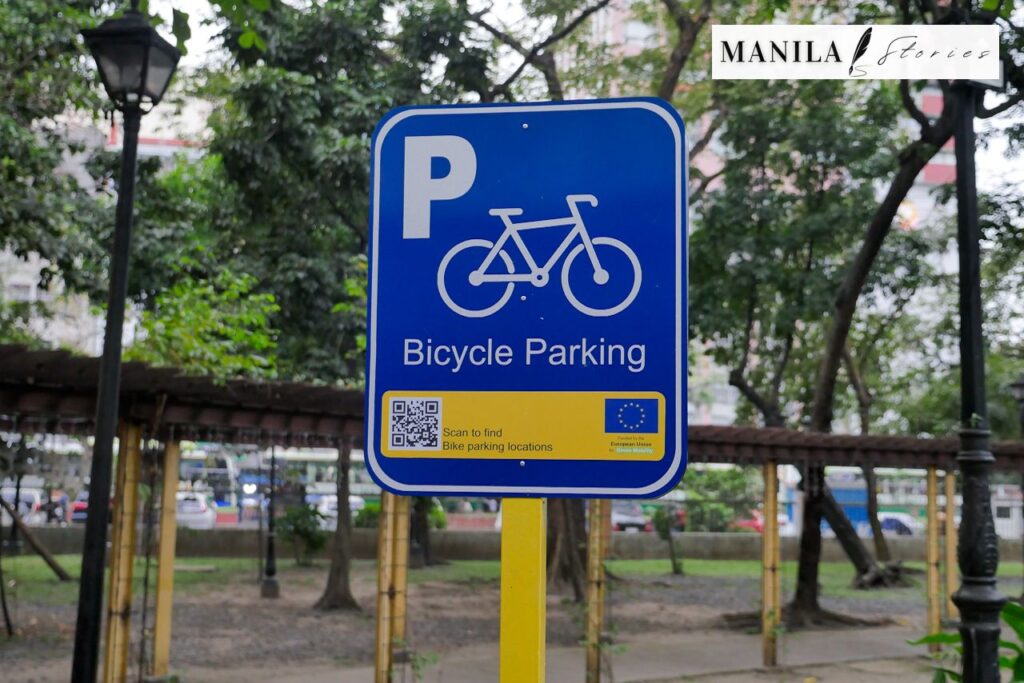
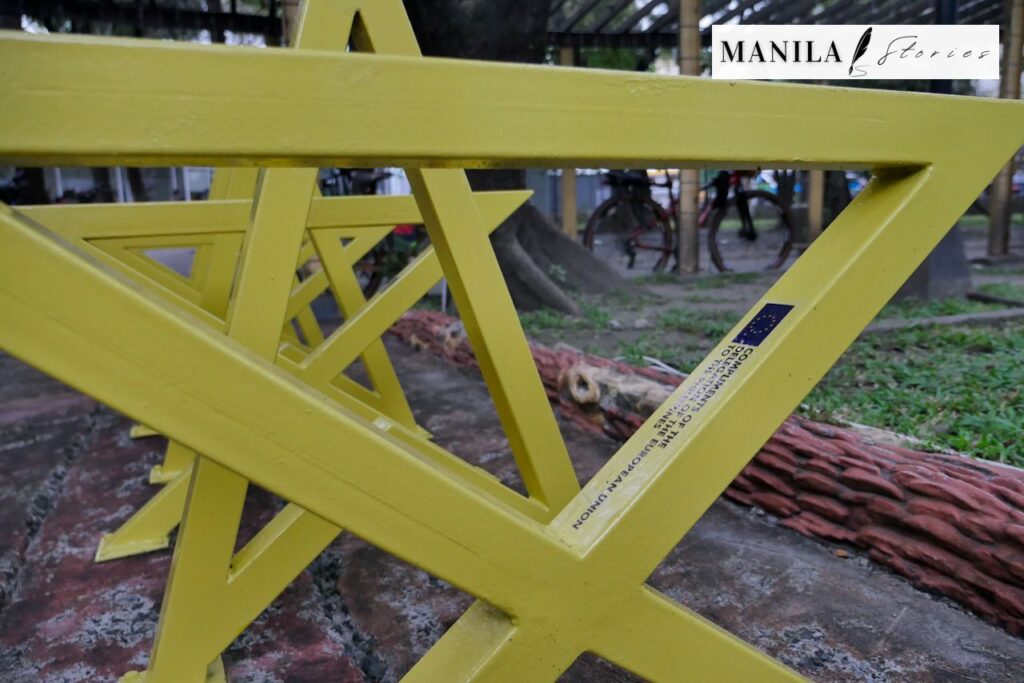
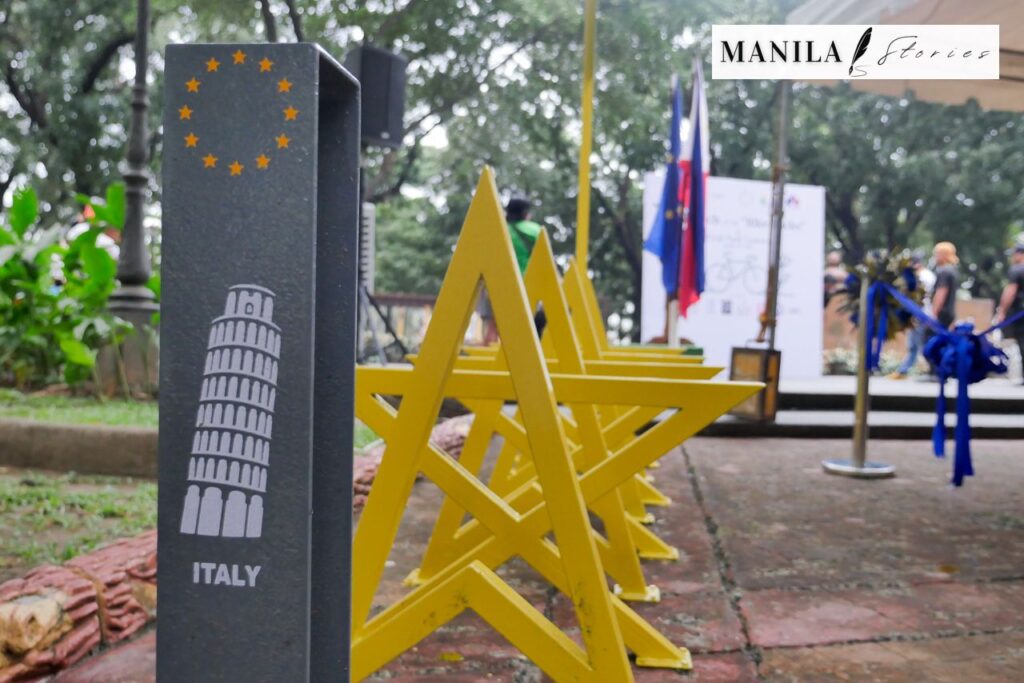
Cyclists and urban advocates gathered at Rizal Park on January 17. They celebrated the relaunch of newly refurbished bicycle racks. The racks were installed at the Noli Me Tangere Garden in Luneta. The European Union (EU) funded the project. It was done in partnership with the National Parks and Development Committee (NPDC).
The bike racks are part of a broader effort to promote sustainable urban mobility. The EU supports clean air and climate action in the Philippines. This initiative makes cycling safer and more accessible. It encourages more people to choose bicycles over cars.
EU Ambassador to the Philippines, H.E. Massimo Santoro, spoke at the event. He said promoting cycling is about cultural change. It’s about moving toward sustainable living. Every cyclist helps reduce air pollution. They also help build healthier communities.
“The EU is proud to support cycling,” Ambassador Santoro said. “These bike racks in Rizal Park show our commitment. We want cycling to be a real transport option for all.”
The racks are now more durable and user-friendly. They provide secure parking for bicycles. This makes it easier for visitors to explore the park on two wheels.
Jezreel Gaius A. Apelar, Deputy Executive Director of NPDC, also spoke. He said the project supports active mobility. It makes public spaces more inclusive. “This is about shared responsibility,” Apelar said. “We want sustainable, people-friendly parks.”
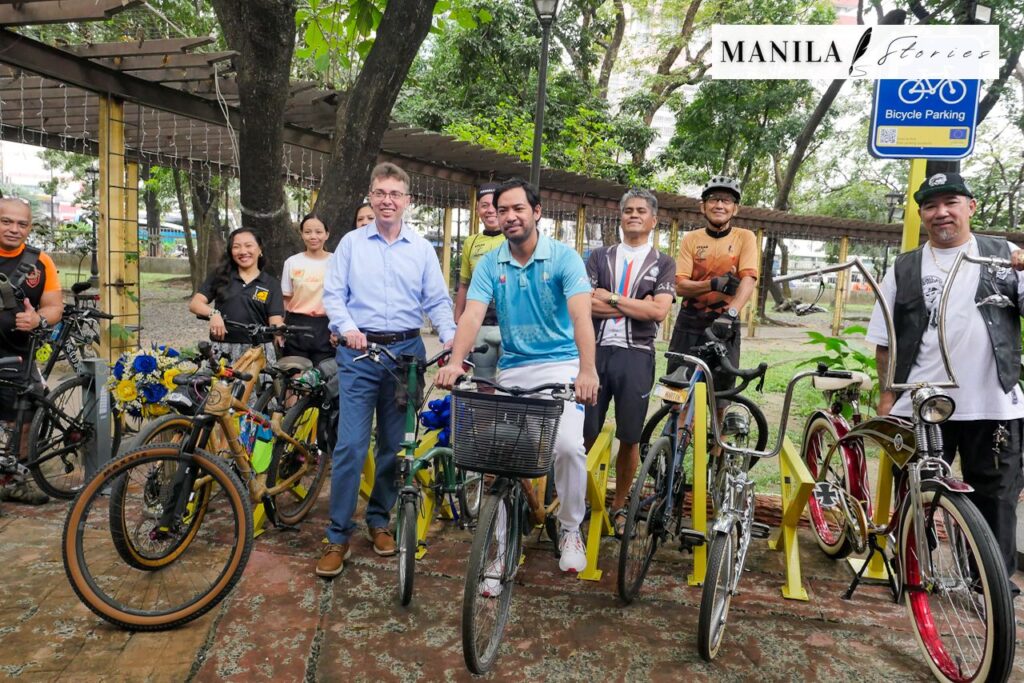
The relaunch was supported by local cycling groups. These include Kalyetista, CYCAD, and Cyclebros. The Firefly Brigade and Tiklop Society also joined. So did Pinas Low Ridaz BC and the Make it Safer Movement (MISMO).
These groups promote clean air and safer streets. They believe cycling is key to urban progress. Their members cheered as bike bells rang. The sound marked a call to action. Families and communities were urged to join the green shift.
“The bike racks are more than metal stands,” said Mia Bunao of Kalyetista. “They are a gift that builds community.” Kalyetista pushes for kinder, greener cities. “This project shows Pakikipag Kapwa,” Bunao added. “It’s about shared care and shared goals.”
Dr. Roselle Leah Rivera of the Firefly Brigade gave a poetic message. “We summon the city to the dusk-dance of wheels,” she said. “Pedals pulse like heartbeats in the cooling twilight.” She described bike lights as reborn fireflies. “Each ride sparks awareness,” she added. “Every mile brings climate courage.”
Pio Fortuno Jr., President of the Tiklop Society, called the day special. “This allows bikes at our most important landmark,” he said. The Tiklop Society promotes folding bikes. These are practical for city life and public transport.
The project supports the Philippines’ Paris Agreement goals. It helps meet Nationally Determined Contributions (NDCs). These aim to cut greenhouse gas emissions. Better cycling infrastructure supports this mission.
When people bike instead of driving, emissions drop. Traffic eases. Air quality improves. Cities become more livable. This project is a step in that direction.
The EU Delegation continues to back green projects in the Philippines. This bike rack initiative is one example. It shows how international cooperation can make real change.
Rizal Park is now more bike-friendly. Visitors can ride in, park safely, and enjoy the green space. This encourages more people to cycle regularly.
The event ended with a group ride. Cyclists toured the park together. They waved flags and rang their bells. It was a joyful scene. It showed the power of community and clean mobility.
The relaunched bike racks are a small but strong symbol. They stand for sustainability. They stand for health. They stand for a better future.
Ride on, Metro Manila. The green shift has begun.