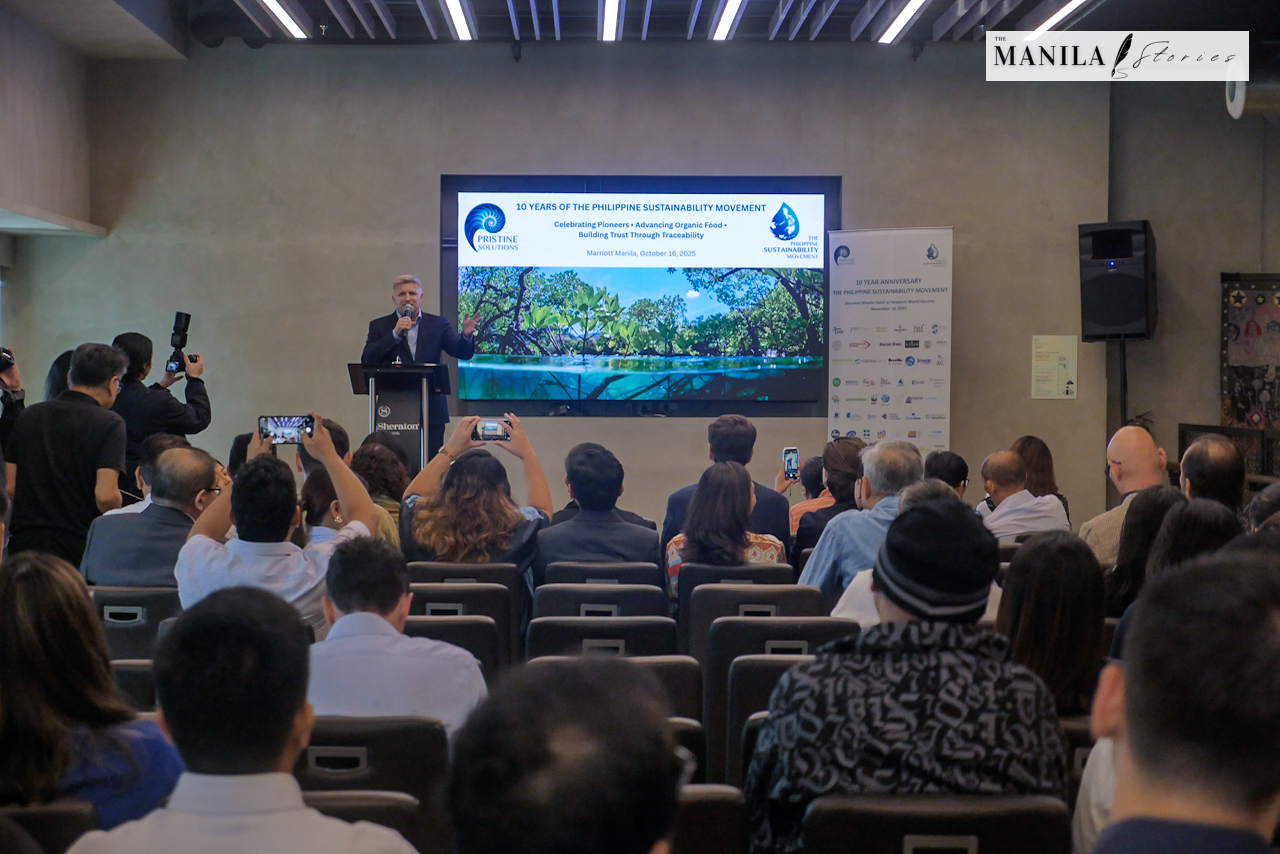
The Philippine Sustainability Movement celebrated a major milestone on November 10. It marked ten years of building greener food systems. The event happened at the Sheraton Manila Hotel. Leaders from hotels, restaurants, caterers, retail, and advocacy groups gathered there.
The movement, started by Pristine Solutions, focused on key goals for the next decade. These are advancing organic food, promoting certified responsibility, and strengthening traceability. The aim is a journey from farm to fork that everyone can trust.

Christian Schmidradner, Founder of Pristine Solutions, reflected on the past decade. “The movement became a strong collaboration,” he said. “Businesses, NGOs, and government agencies now work together.” They share a commitment to environmental stewardship. They also focus on ethical sourcing and food transparency. Schmidradner stated the next goal clearly. “Sustainability must become achievable for all,” he added. “We will help more organizations adopt responsible practices.” This creates tangible impact for communities, people, and the planet.
Discussions and experience rooms highlighted key areas. These included organic transformation, plastic reduction, animal welfare, and ESG integration. A major highlight was the launch of PYC Foods and One World Deli’s new ESG and Sustainability Framework. This program embeds environmental and social accountability into daily operations.


Roscila Anne Baylon, Head of Nutrition and Wellness at PYC Foods, stressed the importance of trust. “Trust and traceability are now central to food businesses,” she stated. “Our ESG program ensures food is safe and nutritious.” It also guarantees responsible sourcing. Production is transparent. “Consumers deserve to know where their food comes from,” Baylon emphasized.
Alexandra S. Castillo represented the global organic community. She is Naturland e.V.’s Philippines Coordinator. Castillo explained how organic practices build resilient food systems. “Organic farming goes beyond the environment,” she said. “It promotes animal welfare, biodiversity, and community well-being.” She called organic “one key way to achieve sustainability.” Naturland supports farmers. It helps businesses meet standards. It also empowers consumers to make responsible food choices.
This summit aligns with the “European Organic: Nurturing Every Juan” campaign. Naturland runs this with EU support. It aims to make European organic products an everyday choice. Education programs explain what organic truly means. They encourage businesses to offer organic options.
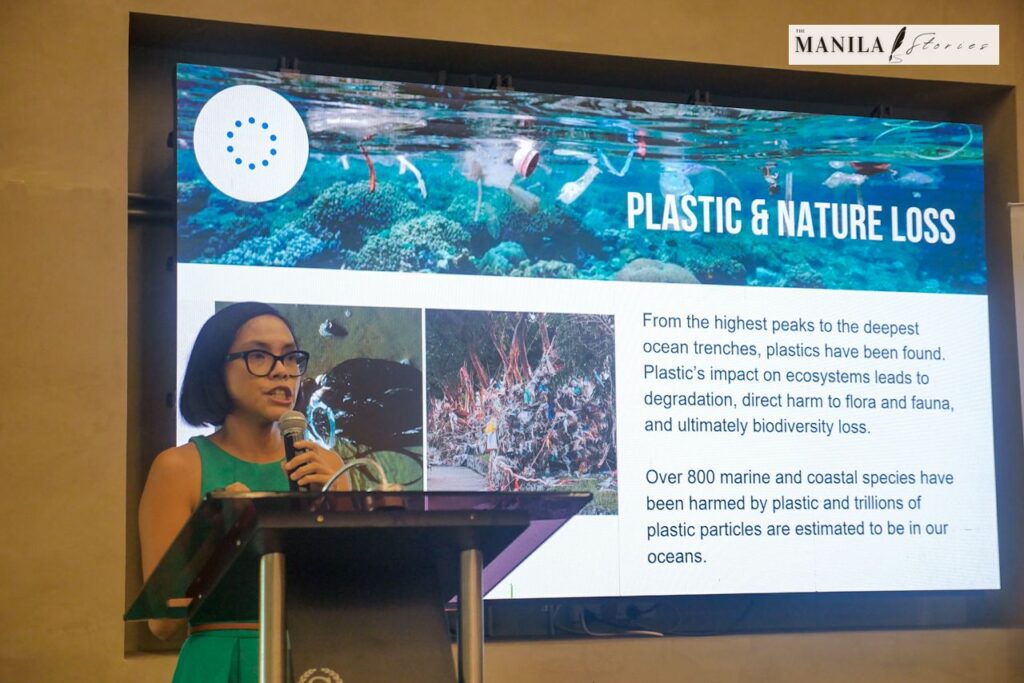
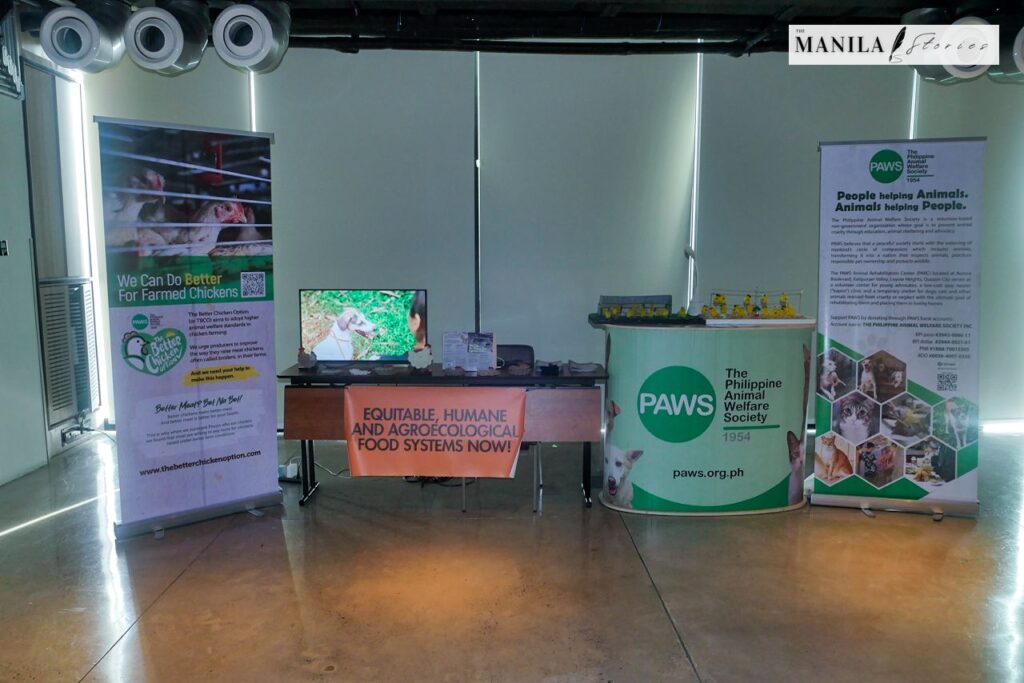
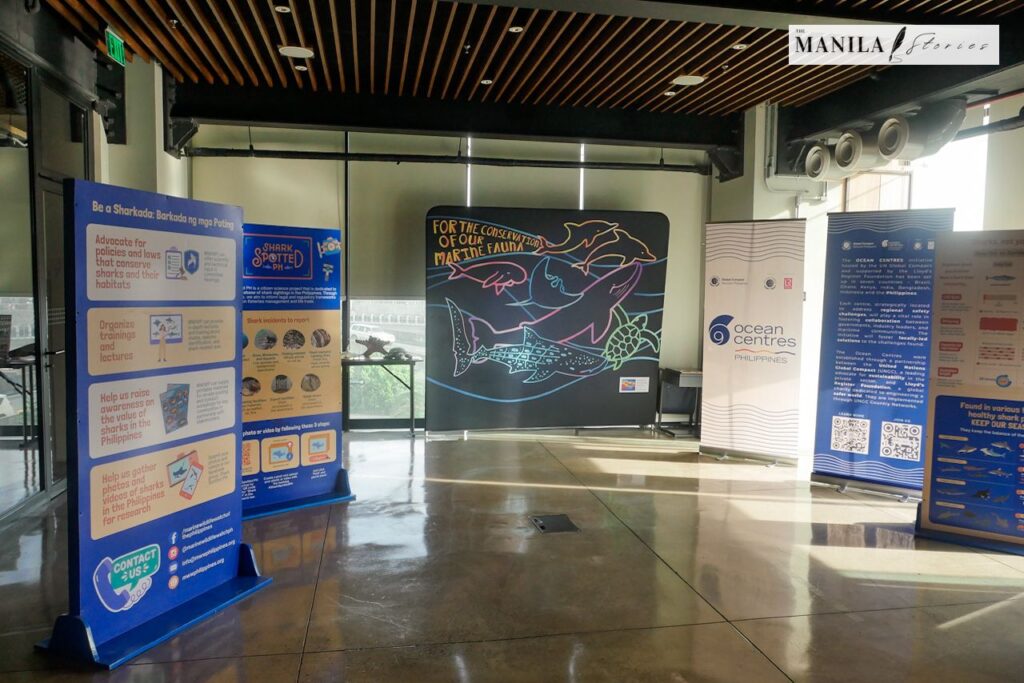
The event united major players. Attendees included Greenpeace, Control Union Philippines, PAWS, World Animal Protection, WWF Philippines, and the UN Global Compact Network Philippines. For ten years, the movement has driven collaboration. It raised awareness of sustainable practices in hospitality and food. Supply chains are moving towards environmental responsibility.
Looking ahead, the Philippine Sustainability Movement aims higher. It will scale its impact significantly. The goal is building resilient, responsible food systems. These systems will be rooted in accountability, transparency, and shared commitment. The next chapter for Philippine food systems has begun.