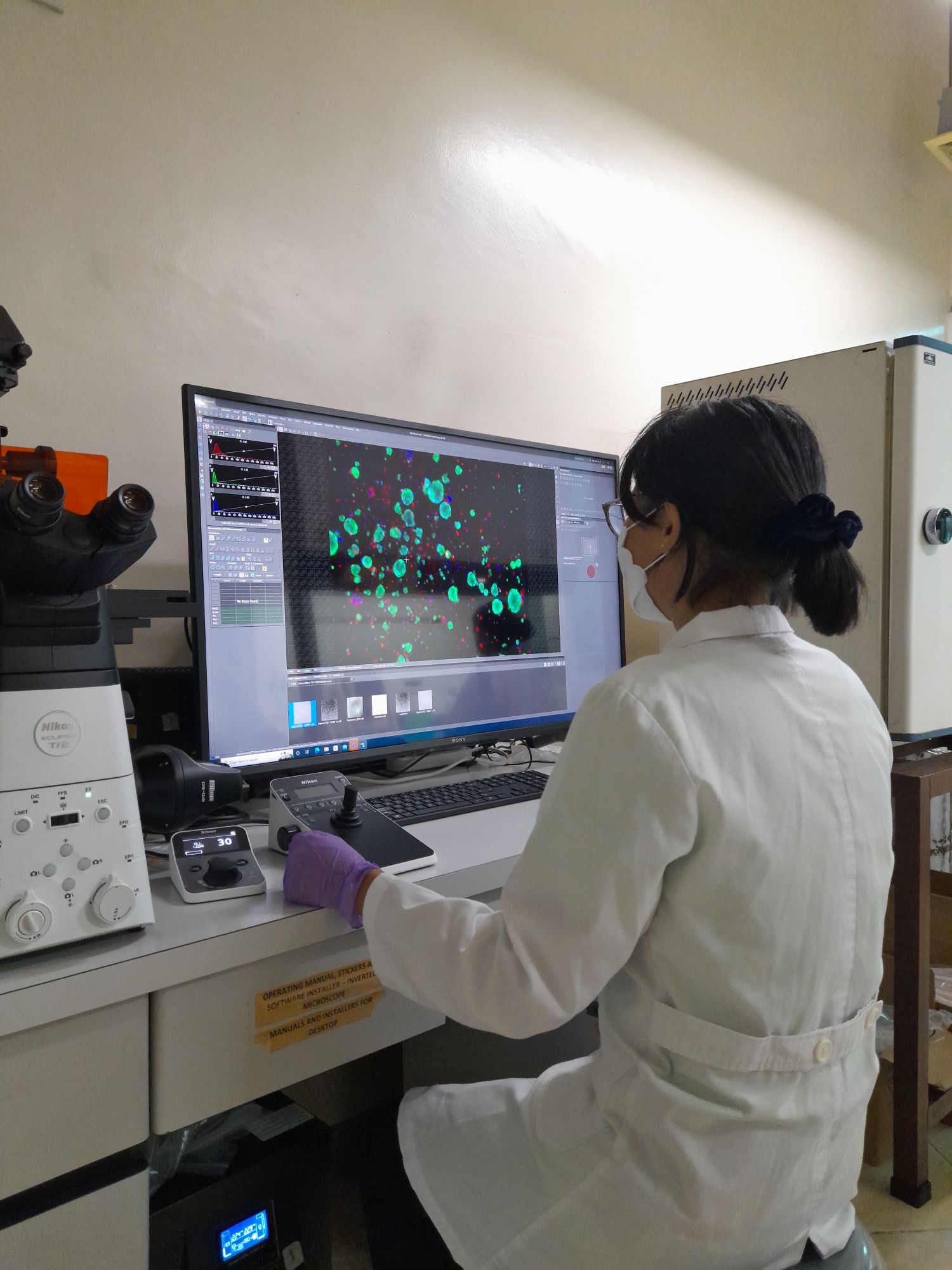
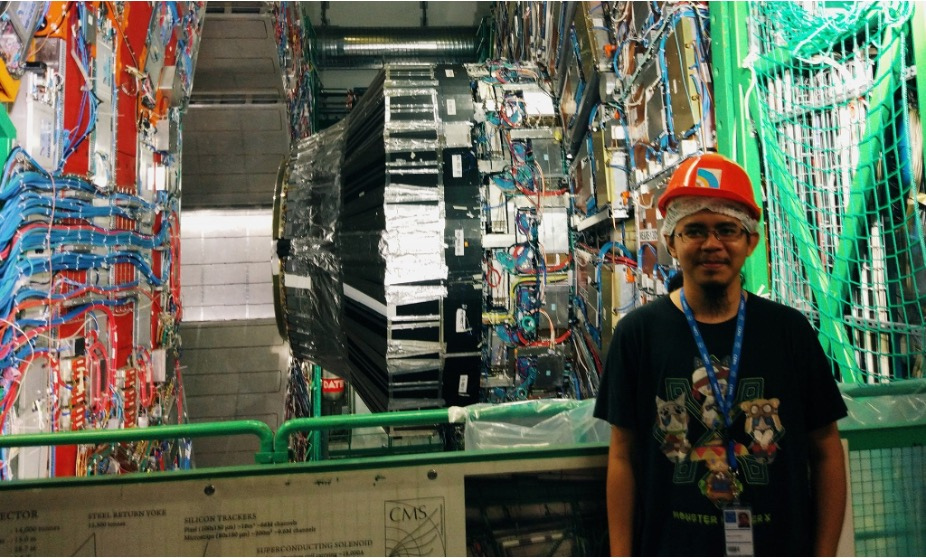

A University of the Philippines physicist is among thousands celebrating a monumental win. Dr. Marvin Flores, from the University of the Philippines Diliman, is part of the ATLAS Collaboration at CERN. This massive team just won the prestigious 2025 Breakthrough Prize in Fundamental Physics!
The ATLAS experiment, a colossal particle detector at the Large Hadron Collider (LHC), is a marvel of engineering. Measuring over 40 meters long and 25 meters high, it probes the deepest mysteries of the universe. The LHC smashes particles together at immense speeds, and ATLAS meticulously tracks the results. This has led to groundbreaking discoveries, including the Higgs boson.
This Breakthrough Prize recognizes ATLAS’s incredible contributions to particle physics. This includes precise measurements of the Higgs boson, studies of rare particle interactions, and explorations of matter-antimatter asymmetry.
“This prize recognizes the monumental effort of thousands of ATLAS collaborators,” says ATLAS Spokesperson Stephane Willocq. “It’s a testament to our dedication and ingenuity.”
Dr. Flores and his team at UPD have been involved in ATLAS research since 2021. They focus on searching for new physics beyond the Standard Model.
“Our work on modeling and simulation exemplifies ATLAS’s innovation,” Dr. Flores explains. “This recognition inspires us to keep asking fundamental questions.”
Former ATLAS Spokesperson Andreas Hoecker adds, “The successes of Run 2 showcase the Collaboration’s ingenuity—in collecting data and improving our understanding.”
The ATLAS Collaboration isn’t resting on its laurels. The LHC is currently in its third operation period, and upgrades are underway. Dr. Flores’s team, the High Energy Physics & Phenomenology (HEP-PH) group, is preparing for the next chapter. They are working towards greater experimental involvement, aiming to create an ATLAS Philippine Cluster with other universities.
“We’re preparing ATLAS detectors for the future,” Willocq concludes. “To harness unprecedented data and push our understanding of the universe.” The future of physics is bright, thanks to teams like ATLAS.