
A groundbreaking discovery from Ateneo de Manila University scientists is poised to revolutionize wound care, particularly in developing nations. Their research reveals the untapped potential of milkfish (bangus) skin. This skin is a readily available and often discarded byproduct of the Philippine fishing industry. It serves as a cost-effective and sustainable alternative for treating severe burns and other major injuries.
For years, artificial skin grafts have been crucial in treating extensive burns, where all layers of skin are damaged. These grafts protect exposed tissues and stimulate the regrowth of the patient’s own skin. Ateneo’s study is groundbreaking as it is the first to investigate using bangus skin. Previously, tilapia skin had been explored for this purpose. “Among the economically significant fish species in the Philippines, bangus is one of the most widely cultivated. However, limited research has been conducted on the suitability of milkfish skin. Researchers noted this gap in their published paper.
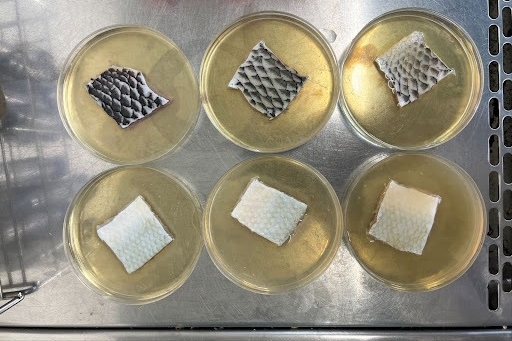
The research team, composed of Dr. Janice Ragaza and Bianca Patrice Go, compared fresh bangus and tilapia skin samples sourced from a Metro Manila market. After thorough cleaning and sterilization, some samples were treated with silver nanoparticles (AgNP) to inhibit bacterial and fungal growth. The results were remarkable. AgNP-treated bangus skin showed complete inhibition of microbial growth, performing comparably to the tilapia skin. Furthermore, microscopic analysis revealed that the bangus skin retained its crucial collagen structure, vital for successful skin grafting. “Given its abundance and potential collagen content, milkfish skin presents a valuable opportunity to expand the donor pool for fish skin grafting,” the researchers highlighted.
The implications of this discovery are vast, particularly for the Philippines. The abundance and widespread availability of bangus offer a readily accessible, affordable, and sustainable solution for wound care. This innovative approach reduces reliance on expensive imported medical materials, potentially transforming healthcare access in underserved areas. The researchers conclude that, “By demonstrating that milkfish skin can be effectively sterilized and used similarly to tilapia skin, this research provides innovative, cost-effective, and sustainable wound-healing solutions. This finding has the potential to transform wound care in underserved areas, improving patient outcomes in regions with limited access to advanced medical facilities.”
This research, published in BIO Web of Conferences in November 2024, titled “Determining the Applicability of Milkfish (Chanos chanos) for Skin Grafting through Microbiological and Histological Evaluations,” represents a significant leap forward in affordable and sustainable wound care. It transforms a common waste product into a valuable medical resource, offering a brighter future for burn victims and promoting environmental sustainability simultaneously. The study underscores the power of innovative research in addressing critical healthcare challenges in resource-limited settings.