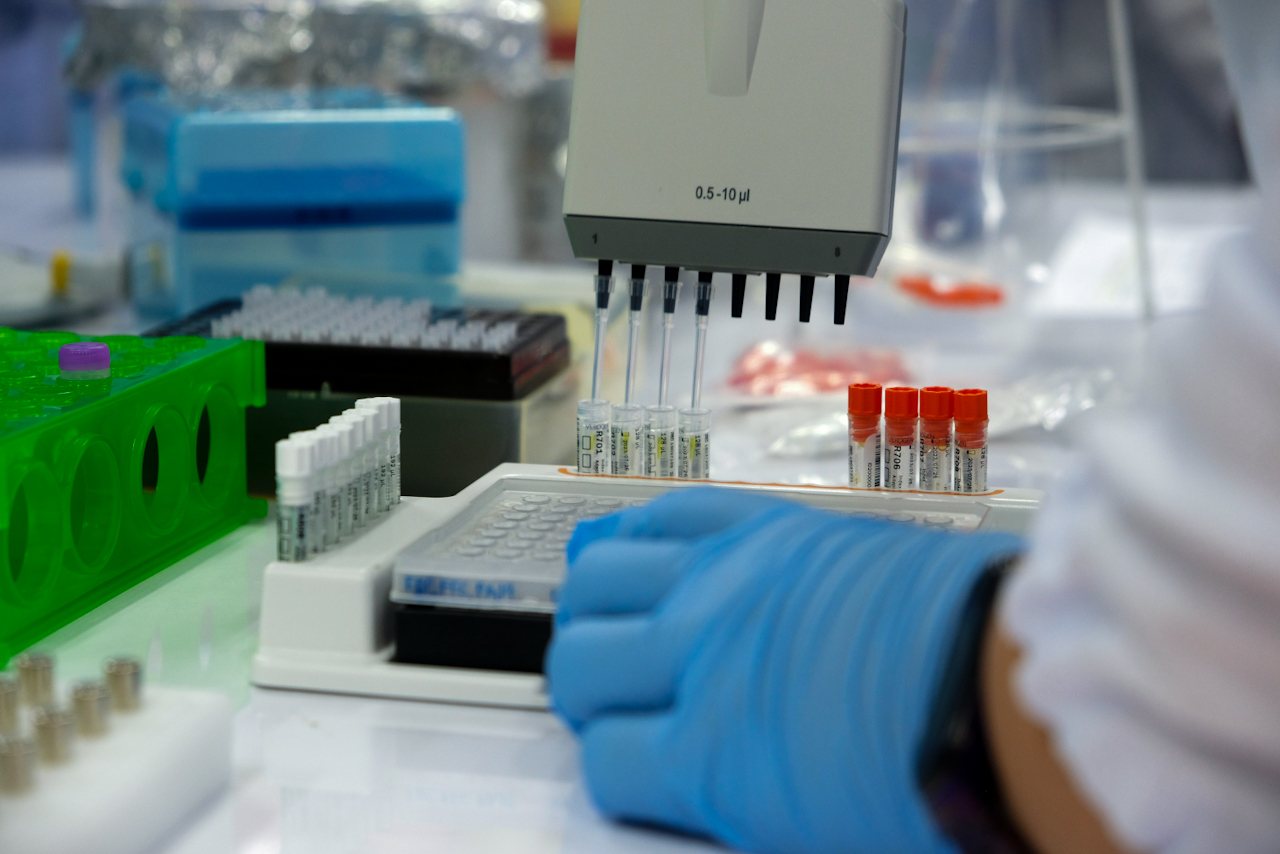
Researchers from the University of the Philippines Diliman have examined how massively parallel sequencing (MPS) could change forensic work in Southeast Asia. MPS reads DNA sequences in detail, while the traditional method—short‑tandem‑repeat (STR) profiling—measures only length differences.
The team surveyed forensic DNA laboratories in Brunei, Indonesia, Malaysia, the Philippines, Singapore, Thailand and Vietnam. They found that most labs still use STR profiling with capillary electrophoresis.
“For laboratories that do not yet use MPS, the biggest obstacle is funding and infrastructure—it’s difficult even to get started without financial support. This is not surprising for low- and middle‑income countries in Southeast Asia,” said Christian Estrella, a lead researcher. “Meanwhile, laboratories that already have MPS equipment face more operational challenges, such as limited population data, inconsistent reporting standards, and incompatibility with existing DNA databases.”
The study also noted a lack of legislation and limited court acceptance of MPS results. Judges are familiar with STR evidence, but they are hesitant to rely on newer sequencing data that can be harder to explain.
Despite the hurdles, the researchers see strong regional interest in MPS. The technology can help solve difficult cases, such as those involving degraded DNA from fires, disasters, or distant relatives. It can also expand DNA databases with markers that are more relevant to Southeast Asian populations.
“We recommend that each country establish at least one fully capable MPS laboratory as a national hub, where forensic services can be centralized to reduce costs and resource demands,” Estrella concluded. “However, this will only succeed with sustained government funding and strong political commitment. Convincing the government that MPS is a long‑term investment that strengthens national forensic capacity—not only for criminal cases, but also for disaster response, human identification, and human rights protection—is key to securing that support.”
The findings highlight both the promise of advanced DNA technology and the need for coordinated investment, legal frameworks, and training across Southeast Asia’s forensic community.
New DNA Sequencing Tech for Crime Labs and Beyond