Scientists have officially described a plant long used by the Bugkalot people as a new species. The shrub is named Clerodendrum kelli.
The Bugkalot call the plant “kelli.” They mash its leaves and mix them with food to help sick dogs. Their knowledge of the plant dates back generations.
Researchers found the shrub in the humid montane rainforests of the Caraballo Mountain Range. It grows only on Mt. Meddengen and in Sitio Binbin, inside the Pantabangan‑Carrangalan Watershed Forest Reserve.
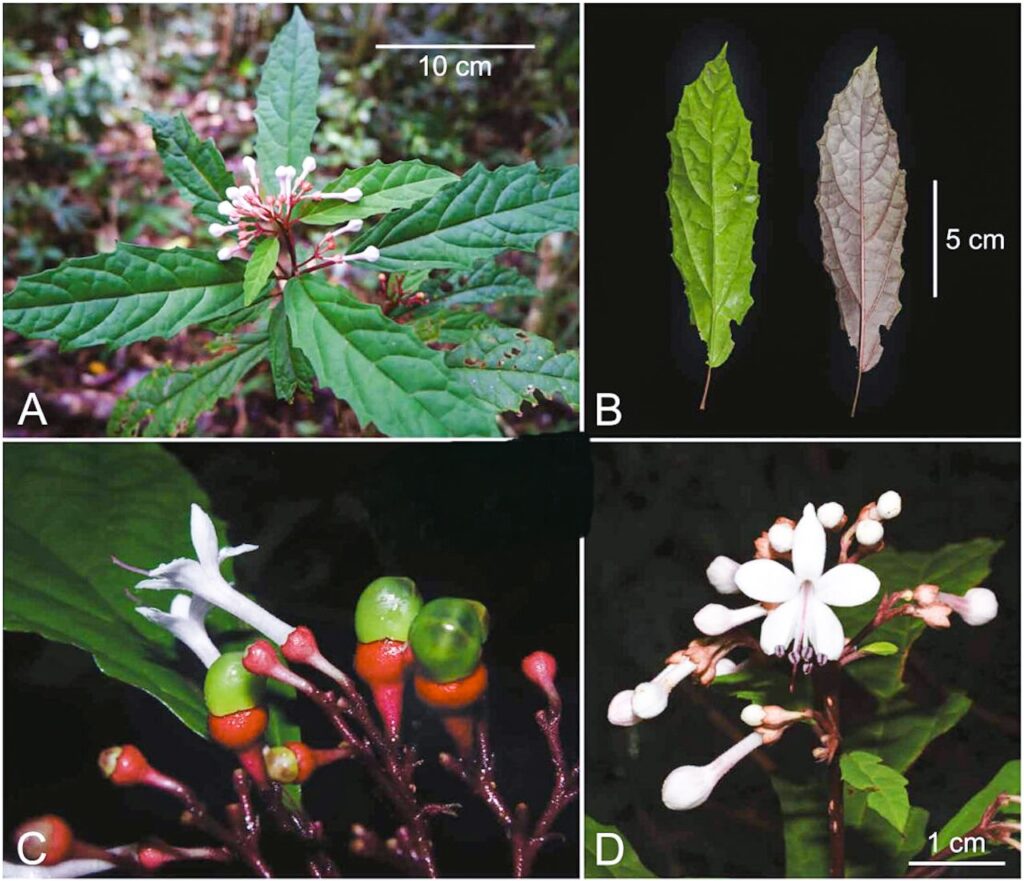
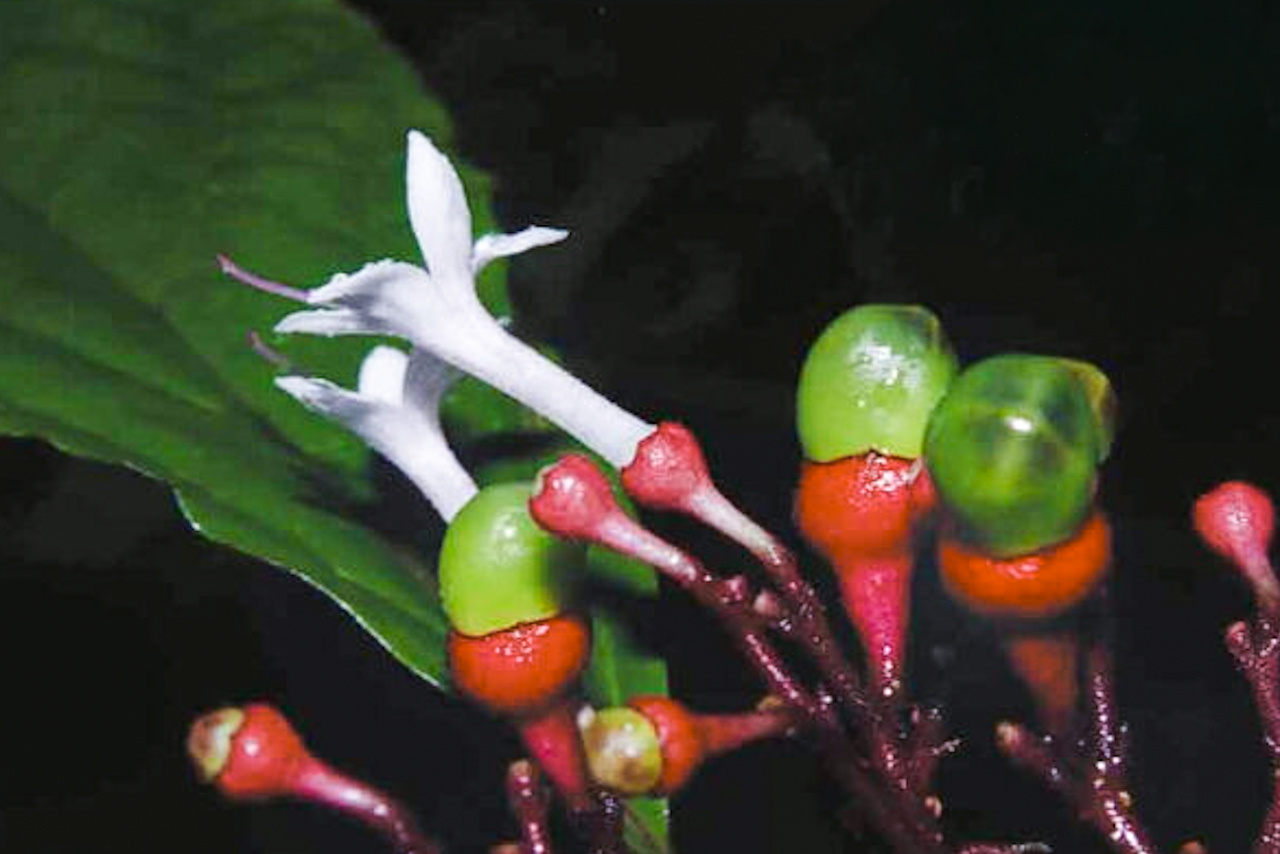
Clerodendrum kelli is a small shrub about one meter tall. Its leaves are oval and green with pale‑purple undersides. The white, tube‑shaped flowers have reddish‑pink bases and appear in loose clusters.
The plant is rare. It has never been abundant in the forest. Habitat loss from land conversion and natural landslides now threatens its survival. The species occupies just 8 sq km of steep ridge forest.
Because of this, scientists assess C. kelli as Critically Endangered. They warn that continued forest clearing and slope failures could drive the shrub to extinction.
The discovery shows how Indigenous knowledge can guide scientific research. It also underscores the urgent need to protect the shrinking habitat of this unique plant.
The findings were published in December 2025 in Gardens’ Bulletin Singapore by David J. R. Ples, John Patykowski, Leonardo C. Udasco, John C. A. Altomonte, Adriane B. Tobias, and Rene A. Bustamante.