The Philippines celebrates a milestone this week. It marks 10 years since the launch of its first microsatellite, Diwata-1.
The country turned to space technology after Typhoon Yolanda in 2013. The disaster caused massive destruction. Authorities struggled to get satellite images to guide rescue teams. This gap forced the nation to start its own space program.
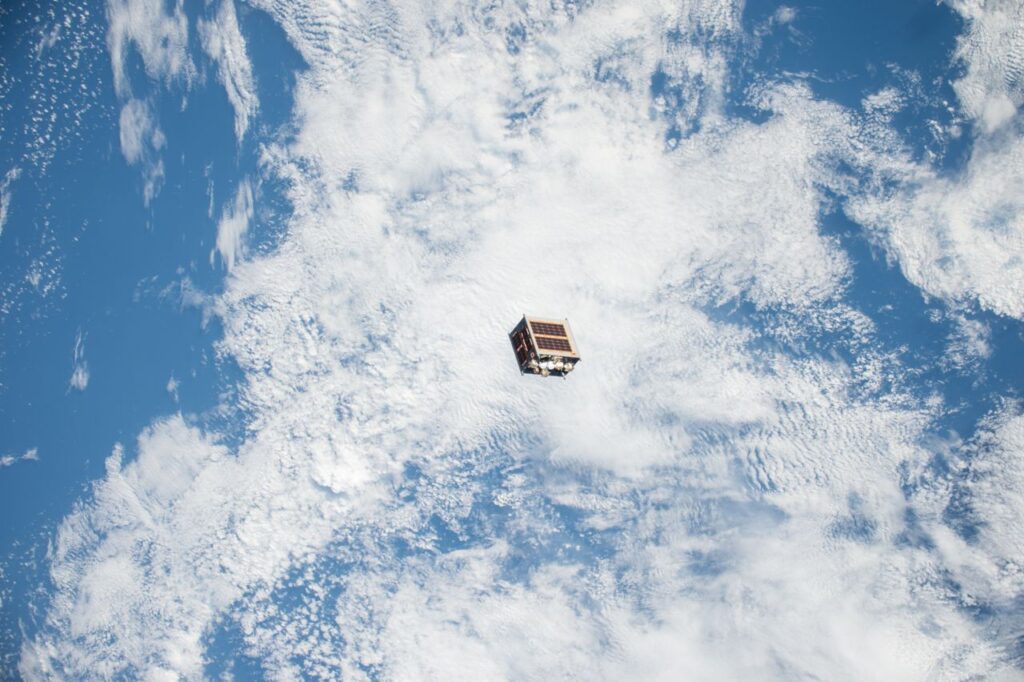
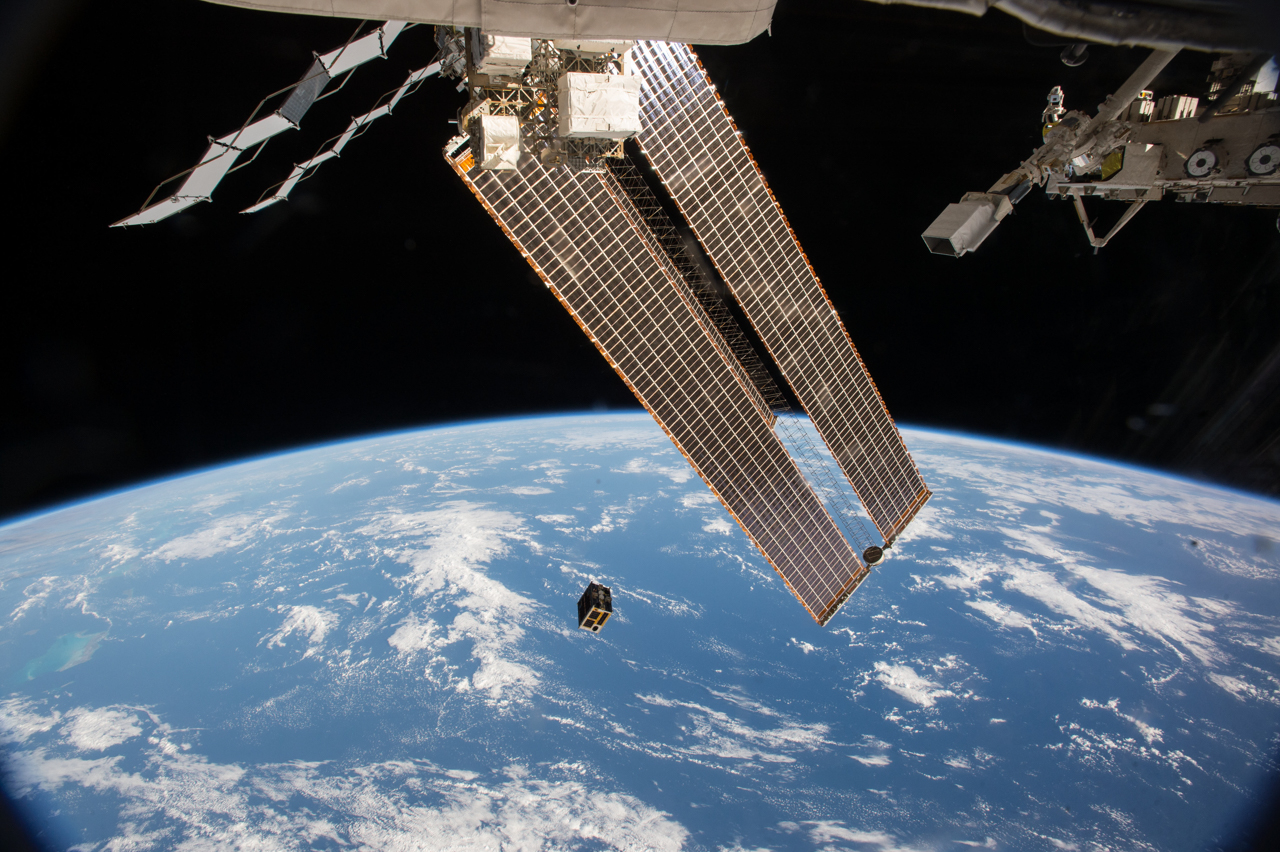
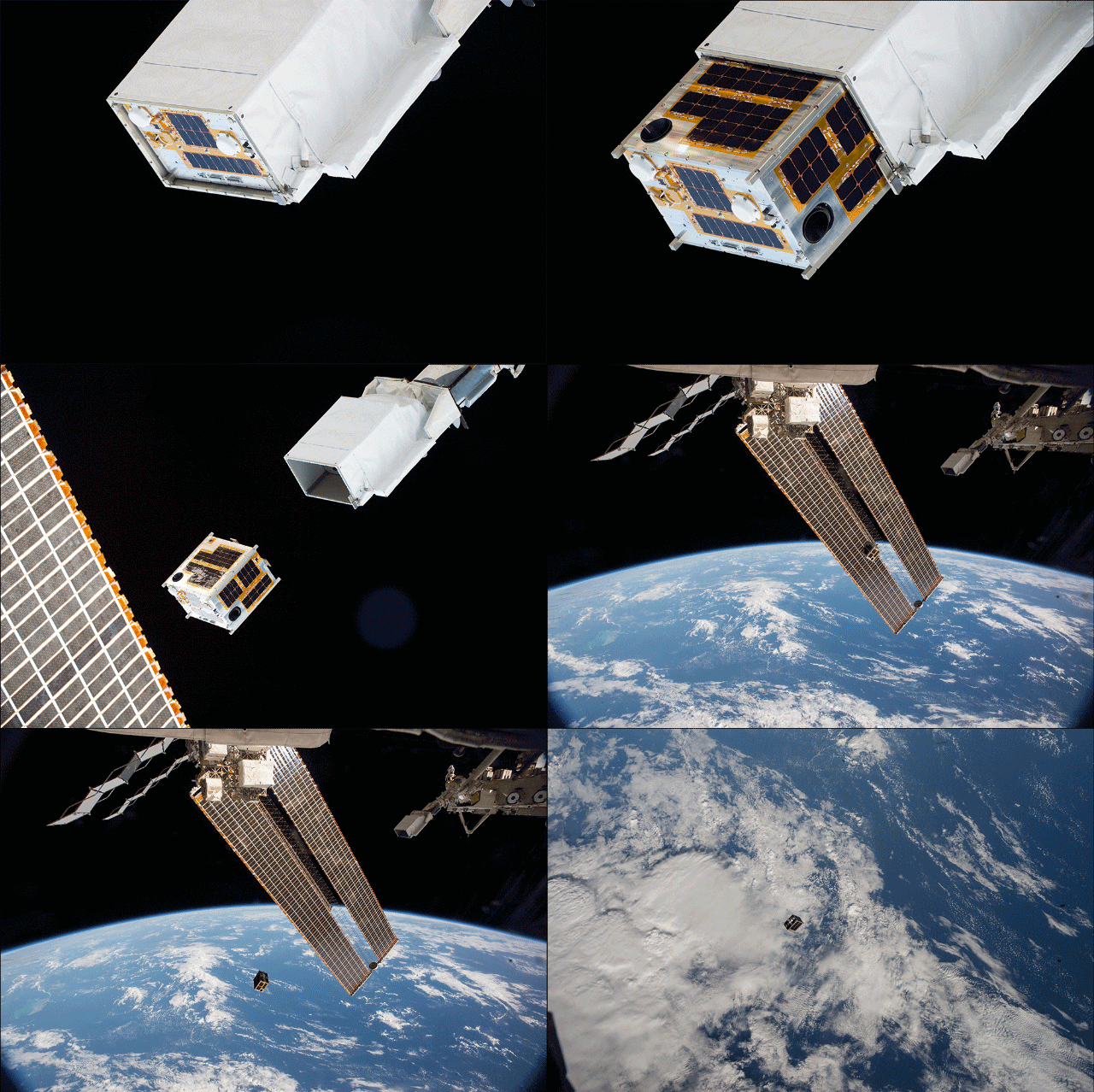
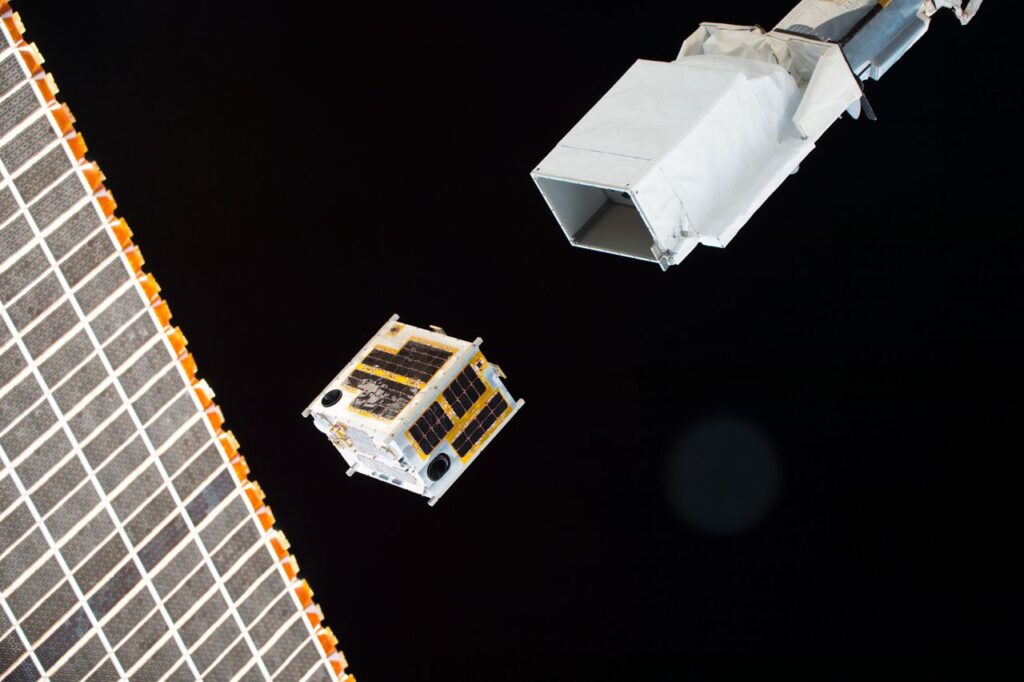
Engineers trained in Japan to build observation satellites. On April 27, 2016, the crew of the International Space Station deployed Diwata-1 into orbit. It was the first Filipino-built object in space.
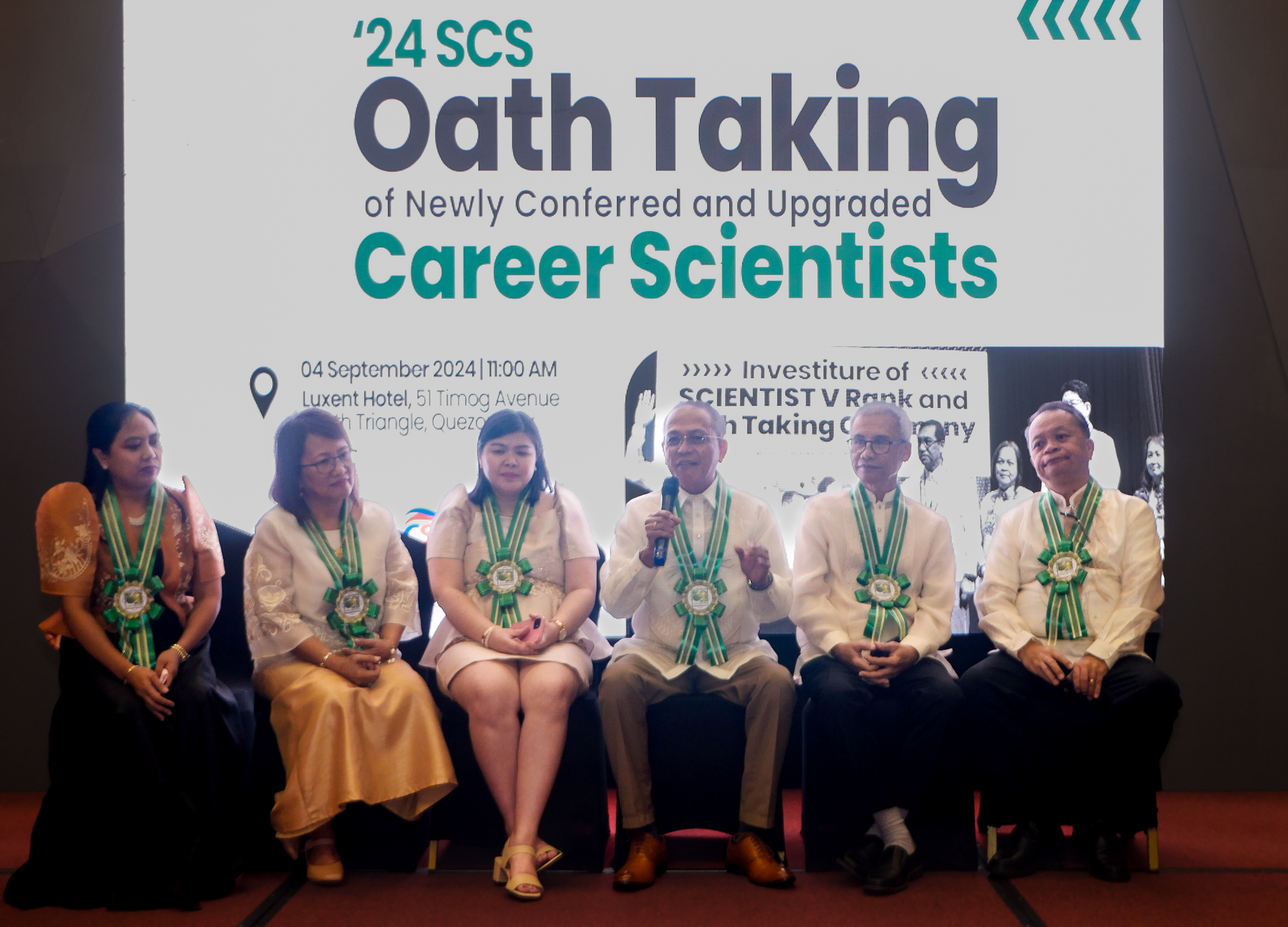
“The historical significance of Diwata-1’s ISS release is that we became a spacefaring nation,” said Gay Jane P. Perez. She served as project scientist for the mission. She is now the Ad Interim Director General of the Philippine Space Agency. “The Philippines established a presence in space through a satellite built and operated by Filipinos,” she added.
Perez noted the cultural shift the mission inspired. “Naramdaman natin, tayong mga Pilipino, na kaya pala nating marating ang space,” she said. This achievement broke the belief that only wealthy nations could access space.
The project taught Filipinos how to manage satellite data. Teams learned to task satellites and turn digital numbers into useful maps. Success led to the creation of larger satellites. These include the Diwata-2 and the Maya CubeSats.
The Philippine Space Agency, established in 2019, now oversees these efforts. Scientists currently use satellite data for disaster response. They monitor wildfires, oil spills, and earthquake damage. They provide this data to government agencies and local leaders.
The space program continues to grow. The nation plans to launch the MULA satellite by early 2027. It will offer higher precision for environmental monitoring.
Ten years ago, the Philippines faced a crisis. Today, it has built a lasting capability in space science. The legacy of Diwata-1 remains a symbol of national innovation.