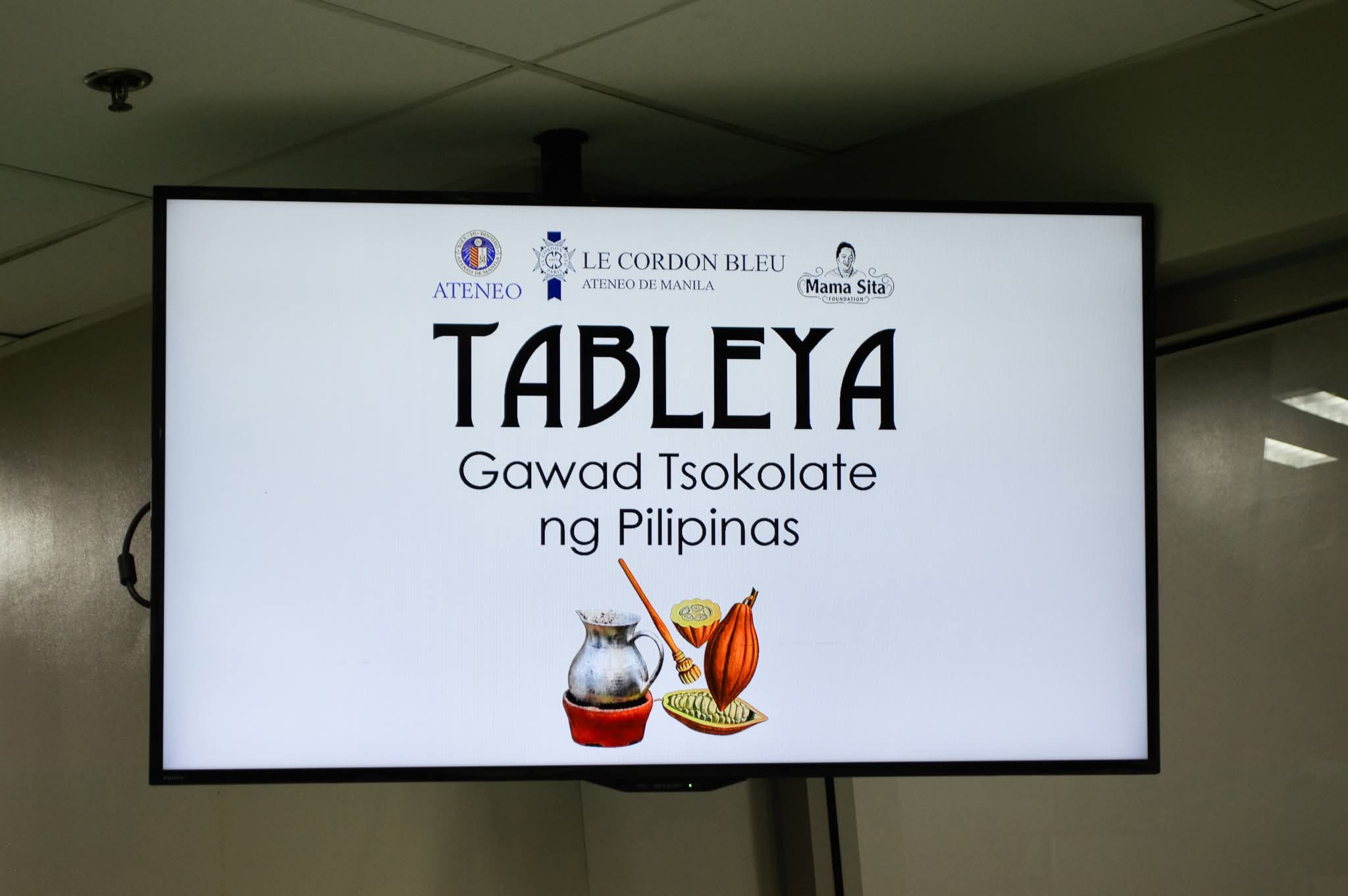
The Mama Sita Foundation, along with Ateneo de Manila University’s Cultural Heritage Studies Program, initiated the first Philippine Tableya Competition. This event took place on October 25, 2025, at the Le Cordon Bleu campus of Areté. The event celebrated a beloved Filipino tradition. Tableya is a rich hot chocolate drink. The event also advanced efforts to secure Geographical Indications (GI) for the Philippines’ cacao and tableya. Hosted as a demonstration, the event was held ahead of a planned 2026 nationwide competition. It drew students, food historians, judges, and heritage advocates. They came together to showcase the nation’s culinary legacy.
What is Tableya?
A traditional Filipino hot chocolate, tableya is made from cacao, a crop with deep roots in the Philippines’ agricultural history. The competition aims to highlight tableya’s unique “terroir”—a term adapted here as “kapookan” by food writer Ige Ramos. Kapookan describes the natural and cultural factors, such as soil, climate, and ancestral farming methods, that shape a product’s identity. By securing GI status, tableya and cacao could gain international recognition for their distinctiveness, much like Champagne or Parmigiano-Reggiano.
A Culinary and Cultural Milestone
The event served as a platform for student-driven advocacy. Under Dr. Fernando Zialcita’s Cultural Heritage course, students selected eight tableya brands from across the Philippines for a blind-tasting competition. Culinary expert Estela Duque curated the event, ensuring it balanced tradition and innovation. The judging panel included leaders like Felice Sta. Maria, Carla Villanueva, and Rosario Juan, who evaluated the tableyas for flavor, texture, and adherence to heritage practices.
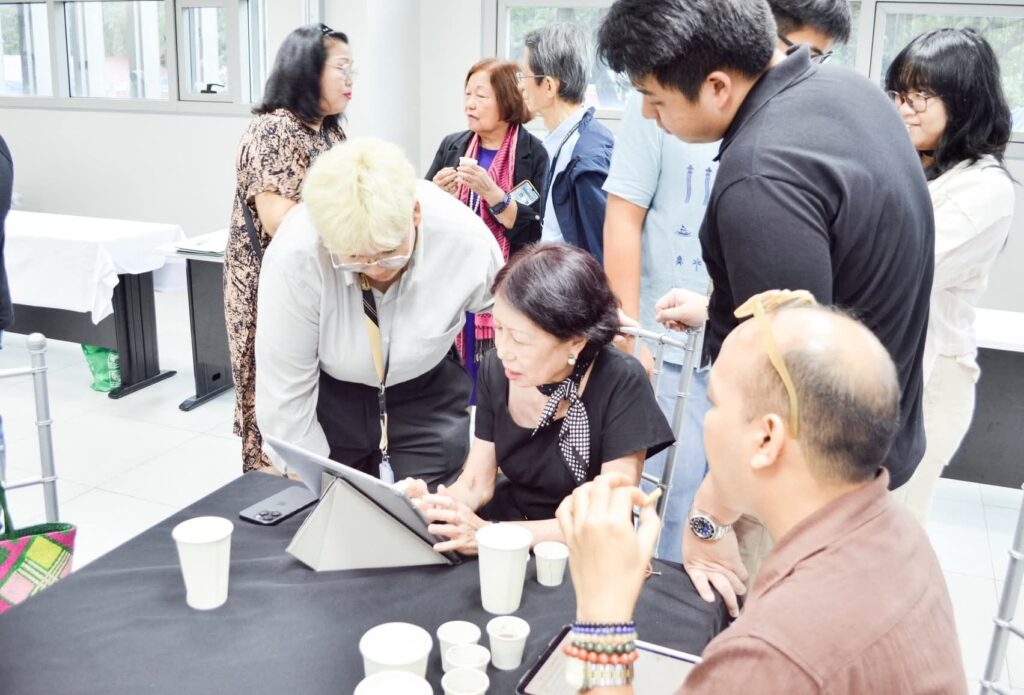
“There is no single ‘best’ tableya,” organizers emphasized. “This is about honoring our shared legacy and empowering the hands that craft it.” The competition was more than a culinary showcase. It was a call to protect and promote a tradition. This tradition supports cacao farming communities. Many of these communities rely on sustainable, small-scale practices.
From Local to Global: What GI Recognition Means
GI tagging is not just symbolic. It creates legal safeguards against imitation, boosts market value, and ensures quality standards. For the Philippines, securing GI for cacao and tableya could strengthen value chains. It could also elevate farming incomes. This move could attract global attention to its agricultural heritage. The Mama Sita Foundation, known for its work with heirloom crops, played a key role. Their curated merienda featured Heirloom Rice Champorado and Balatinaw Pinipig, showcasing how local traditions can thrive when valued and preserved.
Collaboration for Conservation
The success of the event hinged on partnerships. Ateneo’s John Gokongwei School of Management and Le Cordon Bleu offered academic expertise. They also provided culinary expertise. These elements embedded research and education at the heart of the initiative. “This is about sustainability and scalability,” said organizers. A nationwide competition in 2026 is already in the works, with goals to expand advocacy, research, and community engagement.
Future Goals and Community Impact
The organizers envision a future where tableya is recognized globally. It will become a symbol of Filipino craftsmanship. They also hope to inspire younger generations to appreciate and innovate within traditional practices. For farmers, GI recognition could mean better market access and resilience against industrial farming threats.
This launch marks the beginning of a collaborative effort. The goals are to preserve kapookan and support local food systems. It also aims to ensure Filipino chocolate holds a rightful place in global markets. As one judge remarked, “We’re not just making chocolate. We’re guarding a piece of our history.”
By bringing together heritage, education, and advocacy, the Philippine Tableya Competition has created a new standard. It aims for cultural and agricultural preservation, achieving this one cup of hot chocolate at a time.