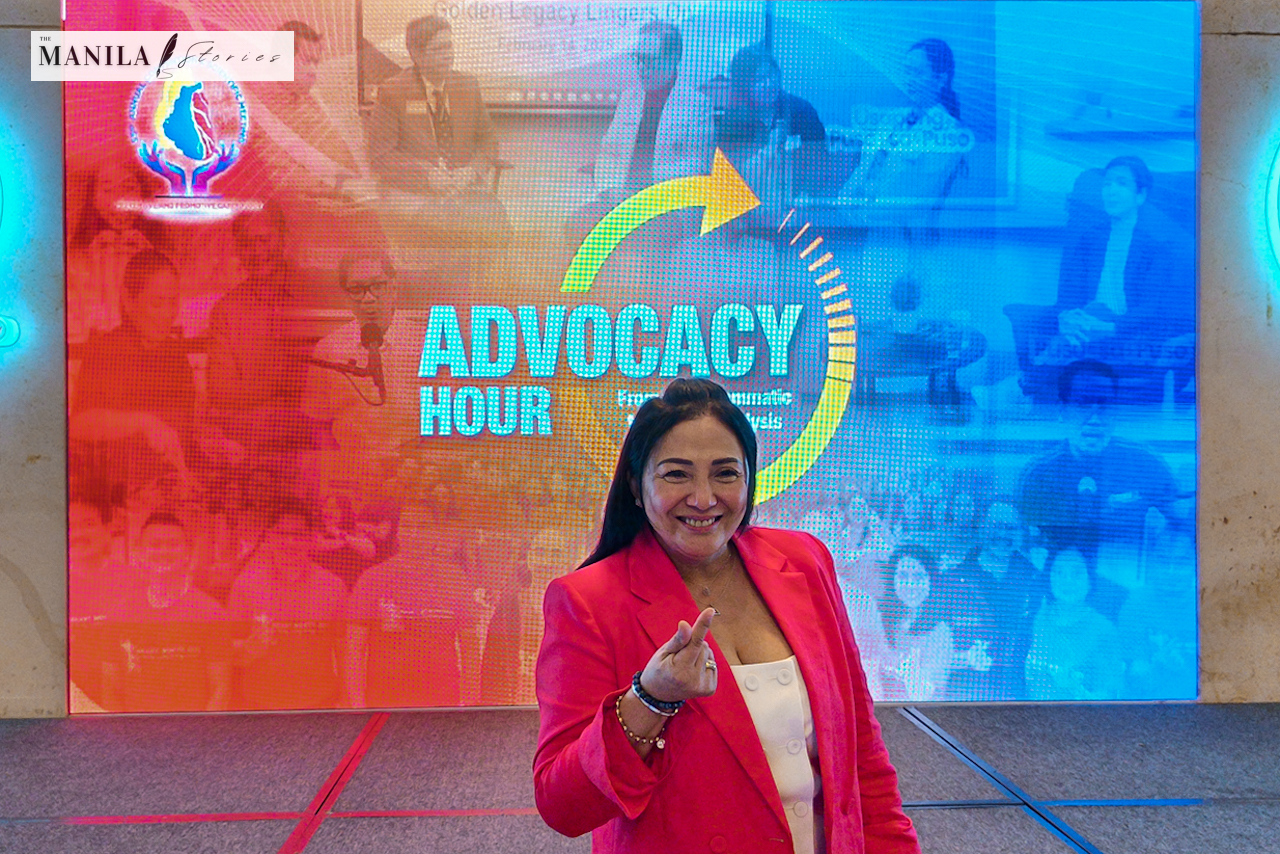


A multi-sectoral roundtable discussion, spearheaded by the German-Philippine Chamber of Commerce and Industry (GPCCI), the German Embassy Manila, and Boehringer Ingelheim Philippines, has shone a spotlight on the urgent need for integrated cardio-renal-metabolic (CRM) care in the Philippines. The event brought together medical professionals, patient advocates, academics, and industry leaders to address the rising incidence of interconnected cardiovascular, renal, and metabolic diseases.
Dr. Cherry Sevilla-Arenas of the Philippine Heart Center highlighted the critical need for equitable access to treatment. “Addressing CRM conditions isn’t just about clinical treatment,” she stated. “It’s about equity, education, and empathy. Many patients fall through the cracks due to fragmented care. We must align efforts across government, industry, and communities to prevent this.”
The patient perspective was powerfully voiced by Mr. Ralph Degollacion of the Healthy Philippines Alliance. He described the emotional, social, and financial burdens faced by CRM patients and their families. He emphasized the stigma and exclusion stemming from limited access to quality healthcare, including early diagnosis and treatment.
Dr. Rodney Jimenez of the Philippine Heart Association championed interdisciplinary training and unified workflows for CRM care. “We need institutionalized interdisciplinary training, unified care plans, and integrated support roles,” he advocated. “Disease registries and universal healthcare are also crucial.”
Dr. Greta Cortez of Boehringer Ingelheim Philippines discussed the shift towards a systemic understanding of CRM interconnectedness. She highlighted Boehringer Ingelheim’s “It Starts with U: Get CheCKD” initiative, focusing on chronic kidney disease awareness and screening.
A public health sector representative stressed the importance of strengthening the healthcare system to handle the increasing burden of chronic illnesses. They emphasized the need for culturally appropriate, high-quality care at all levels, including continued access to free consultations and medications for conditions like hypertension, diabetes, and hyperlipidemia.
The open forum saw participants from diverse backgrounds sharing concerns and potential solutions. Discussions focused on early intervention, unified data systems, community engagement, and integrated care models. Increased public awareness, improved workplace wellness, and continued public-private collaboration were also emphasized.
GPCCI President Ms. Marie Antoniette E. Mariano summarized the event’s significance. “This roundtable served as a launching point for unified action and healthcare delivery reforms for CRM,” she said. “We aim to create bridges between patients, practitioners, the business community, and policymakers.”
Dr. David Klebs, Economic Counsellor of the German Embassy Manila, reiterated Germany’s commitment to supporting CRM awareness and cross-sector partnerships. He underscored the value of long-term collaboration to strengthen public health education, policy implementation, and holistic care. The event concluded with a shared commitment to systemic, long-term improvements in CRM care in the Philippines.