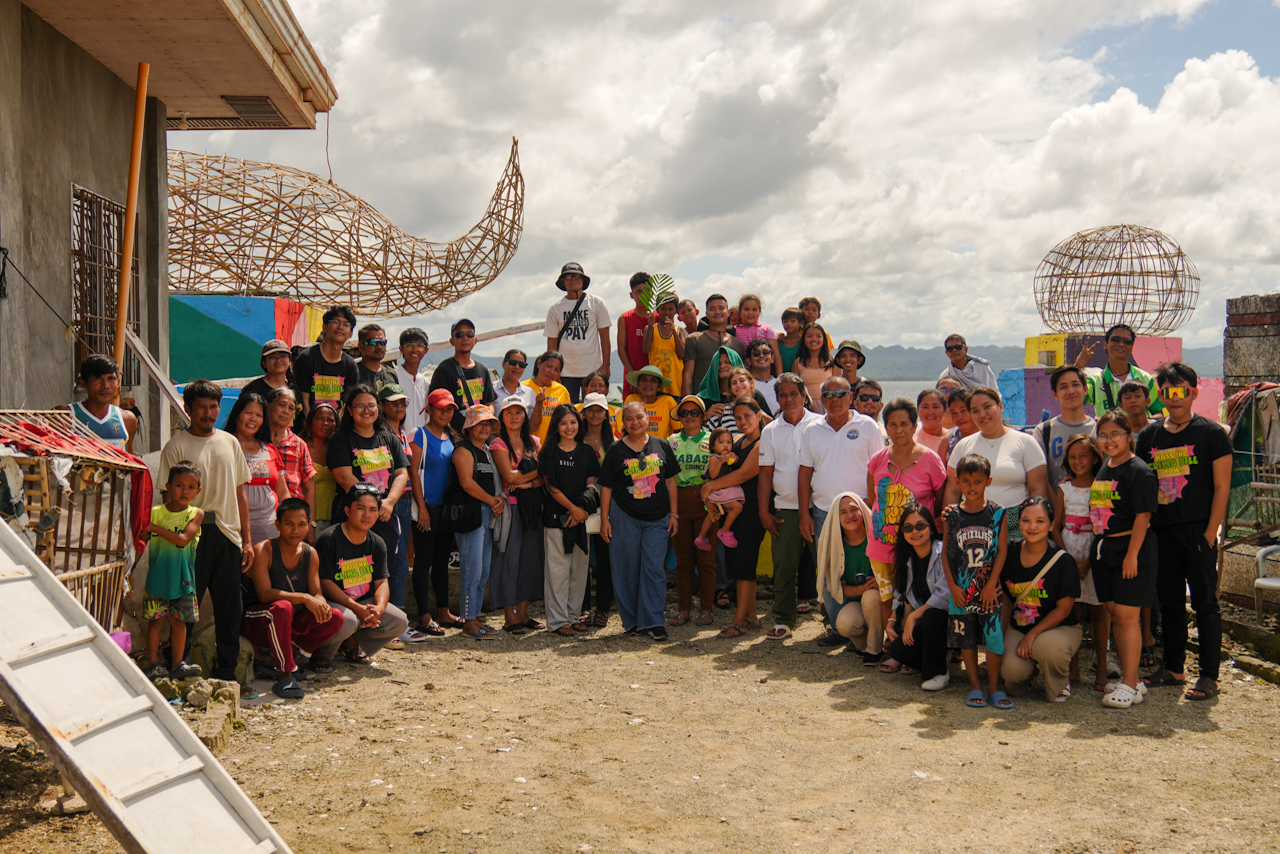
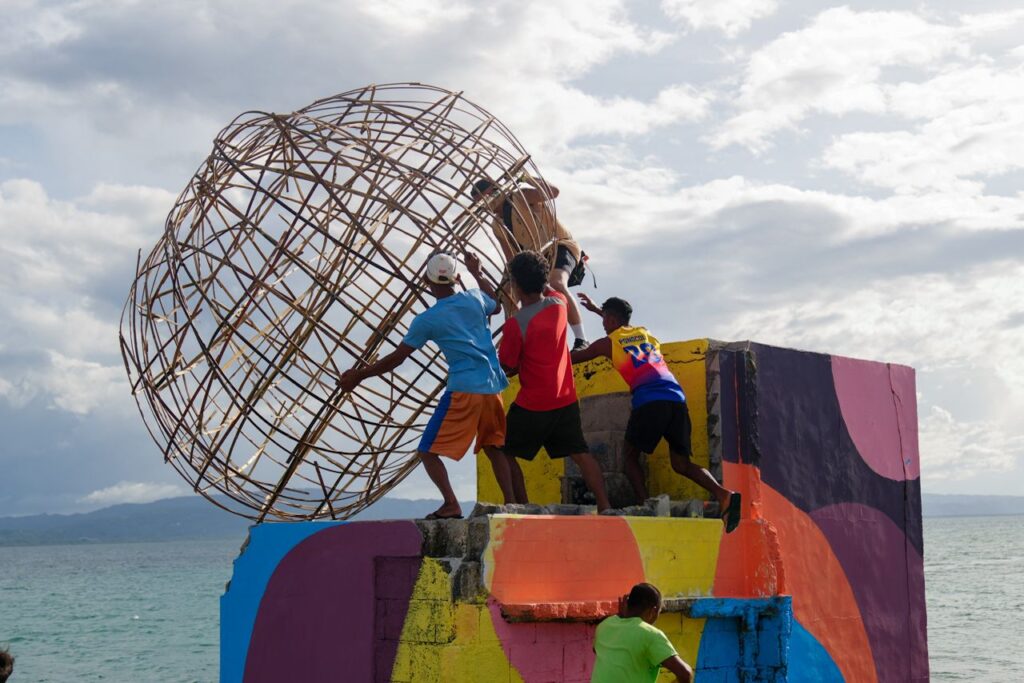
The survivors of Super Typhoon Odette in Bohol, Philippines, marked the fourth anniversary. The devastating storm that hit in December 2021 unveiled a powerful art installation. The installation, titled “Hagit sa Kaugma-on” (“Challenge of the Future”). It was created in collaboration with artist Leeroy New and Greenpeace Philippines. It highlights the lasting impacts of the climate disaster and the growing call for climate accountability.
The art piece uses locally sourced bamboo. It incorporates objects of memories that hold emotional significance for residents. These objects include fragments of homes. It included tools linked to local livelihoods. The livelihoods were damaged by the typhoon. The installation transforms lived experience into a public expression. A reminder of the ongoing demand for justice.
Niña Caren Caballa, a resident of Tubigon, shared her experience. “When Odette hit, everything we worked for disappeared in one night. Our home, our boats, our sense of safety for our children.” She emphasized that the community is tired of being told to be resilient. They want change that keeps their families safe. The installation holds not only their memories but also the fight they carry in their hearts every day.
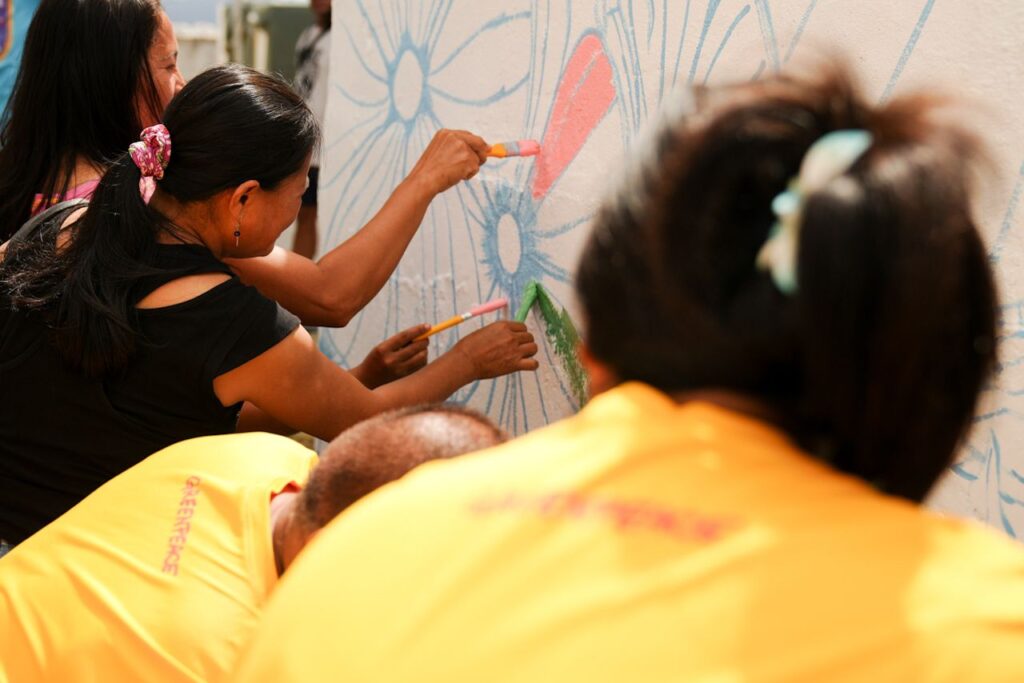
Many community members who helped create the installation are also claimants. They recently filed legal case in the United Kingdom against oil giant Shell. The case draws on new research showing that human-induced climate change more than doubled the likelihood and intensity of Odette. The installation offers a space while justice moves through the courts. A space where personal histories connect with a broader call for justice.
Leeroy New, the artist behind the installation, believes that art is part of actively creating a solution. “It’s not just something decorative or something to be collected by those who can afford it,” he said. “Art is embedded in our daily life, and it contributes to the betterment of society as a whole.” He added that creating something specific to this place is important. Working together with the community is crucial, and grounding it in local culture and creative identity highlights past experiences. It draws attention to the systems that shape these realities.
Super Typhoon Odette made landfall in Bohol on December 16, 2021. It left a trail of devastation. The province continues to confront this devastation today. The typhoon claimed 110 lives and caused more than Php 3.6 billion in damages to infrastructure and Php 6.6 billion in damages to agriculture. A total of 290,593 homes faced damage or destruction. Families were forced to rebuild with limited support. They had to navigate the typhoon’s long-term impacts.
Virginia Benosa-Llorin, senior campaigner at Greenpeace Philippines, emphasized that the devastation did not happen in a vacuum. “Fossil fuel corporations have known their pollution would intensify the climate crisis and they still chose profit over people,” she said. “Communities were left to rebuild, while companies like Shell continued to earn billions.” The installation sends a clear message. Communities have had enough. They are demanding accountability and a safer future for all.
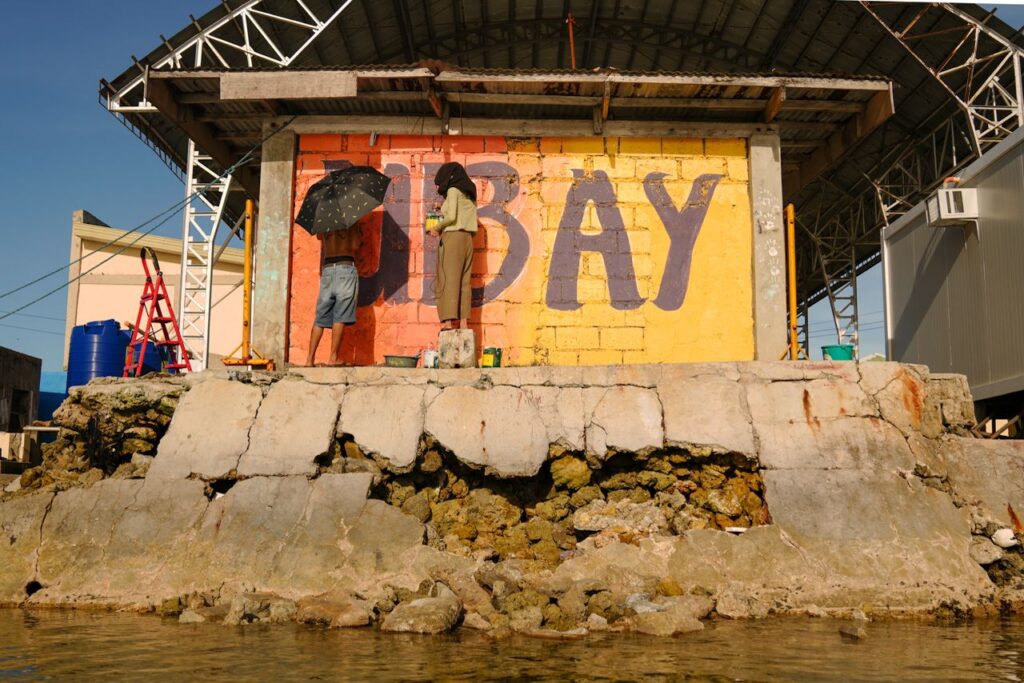
The Ubay Island installation builds on earlier community-led creative interventions. It highlights the growing role of climate-impacted communities in the Philippines. These communities are emerging as leaders in the global fight for climate accountability. As the Philippines marks the fourth anniversary of Super Typhoon Odette, communities reflect on the past. They affirm that remembrance can also be a source of strength.
Through shared memory, creative expression, and collective action, they are choosing courage over silence. They are working together to hold polluters accountable. They are also building hope for a safer future. Greenpeace is calling on the Philippine government to support the Odette Case. They urge the enactment of the Climate Accountability Bill. They also want to start the process to litigate carbon majors for climate impact damages to the Filipino people.
The group is also calling on all Filipinos to support the Bohol community plaintiffs to the case. They can do this by adding their name to the online petition. Another way is by following The Odette Case and Greenpeace Philippines on social media. By doing so, they can show their solidarity with the communities affected by Super Typhoon Odette and demand climate justice.
The fight for climate accountability is not just about seeking justice for past damages; it’s also about preventing future disasters. By holding polluters accountable, communities can take steps to reduce their carbon emissions. This helps mitigate the effects of climate change. The installation “Hagit sa Kaugma-on” serves as a powerful reminder of the devastating impacts of climate change. It emphasizes the need for collective action to address this global crisis.
The world continues to grapple with the challenges of climate change. The story of Super Typhoon Odette and the resilience of the affected communities serves as a beacon of hope. Communities can come together through art, activism, and collective action. They can demand climate justice. This unity builds a safer, more sustainable future for all. The installation will remain on display on Ubay Island. It serves as a testament to the power of community-led initiatives. It also highlights the importance of climate accountability.
Note: Greenpeace provided all the photos.


