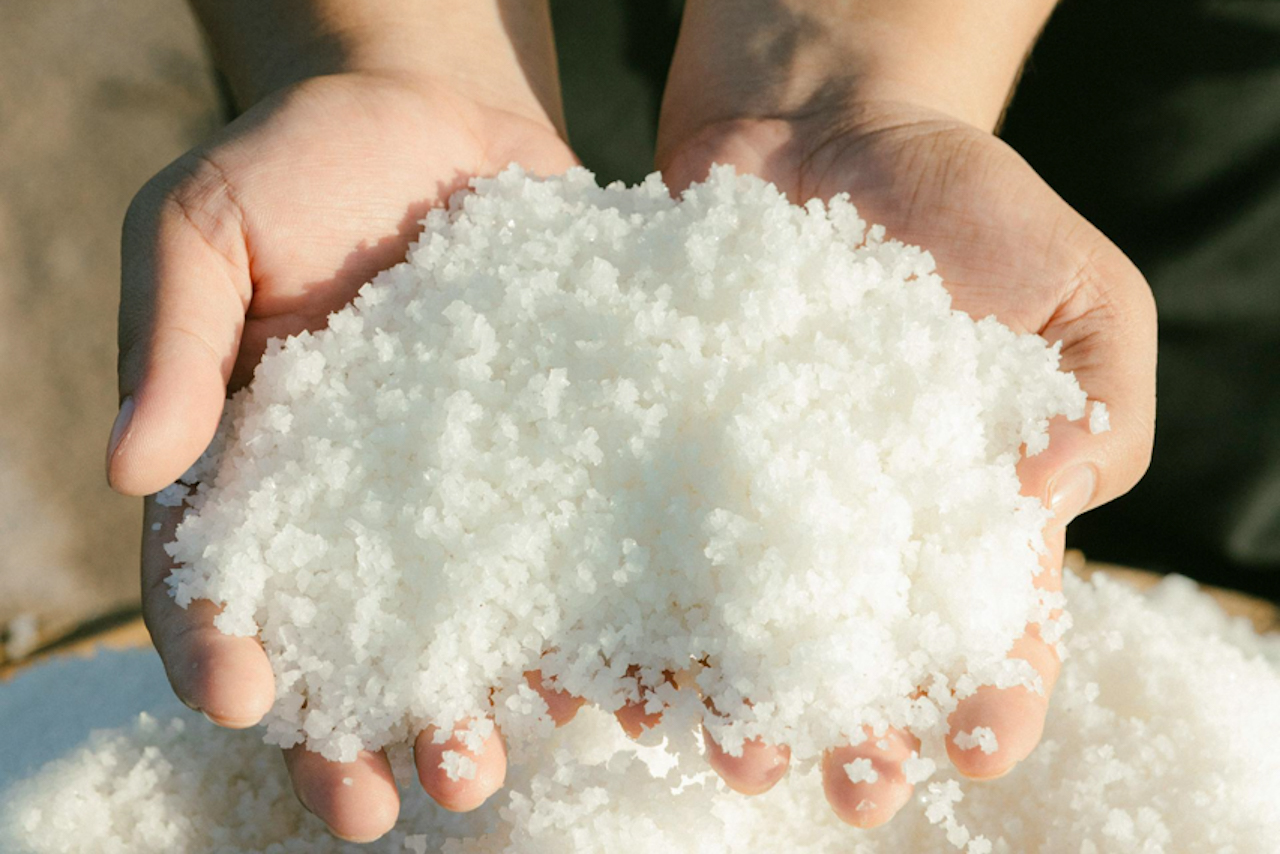
Metro Manila’s air has long been known for its poor quality. Thick with vehicle fumes, factory smoke, and construction dust. The city’s pollution comes from many human sources. However, a surprising new study reveals that nature also plays a crucial role. Sea salt—blown into the city from the nearby ocean—is now seen as a major player in the region’s air pollution.
Researchers from Ateneo de Manila University’s Manila Observatory and the University of Arizona led the study. They looked closely at tiny particles in the air called aerosols. These float in the atmosphere and affect both health and climate. Among them, sea salt particles stood out. They contain sodium and chloride—common elements found in ocean water.
What surprised scientists was how these sea salt particles change when they mix with urban pollution. They don’t just float alongside pollutants. They react with them. Chemical changes happen. One of the most important findings is a process called “chloride depletion.” Before the pandemic, heavy pollution made the air very acidic. This acidity stripped chloride from sea salt particles. The chloride was lost. It turned into gases that could harm human health.
Then came the lockdowns. When cities shut down during the COVID-19 pandemic, traffic and industry slowed. Emissions dropped. The air became less acidic. With fewer pollutants, the sea salt particles changed. Chloride was no longer stripped away as quickly. Sodium and chloride levels in the air actually increased after lockdown. That was unexpected. It showed that cleaner air lets more natural sea salt remain in the atmosphere.
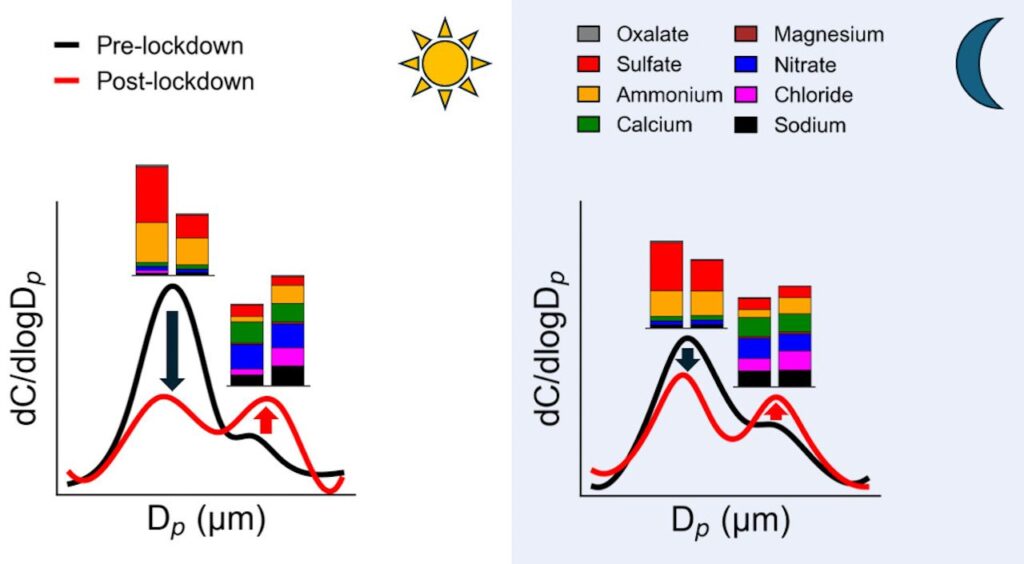
The study measured air samples day and night. It compared data before and after the lockdown. Aerosols were collected every 48 hours. This gave scientists a clear picture of how air chemistry shifted. At night, different reactions occurred. The urban environment continued to alter sea salt, but in varied ways depending on temperature and humidity.
Why does this matter? Sea salt may seem harmless. But when it reacts with pollution, it creates new chemical compounds. Some of these can be toxic. Others contribute to smog or affect how sunlight is absorbed in the atmosphere. These changes can impact both human health and climate patterns.
The researchers stress that sea salt is not a pollutant by itself. It’s natural. But in a polluted city like Metro Manila, it becomes part of the problem. The coastal location makes this effect stronger. Ocean air flows inland daily. This brings fresh sea salt into the city’s polluted atmosphere.
The findings are a wake-up call. Air quality policies often focus on cutting emissions. That’s still vital. But this study shows we must also understand how natural elements interact with pollution. Sea salt is more important than we thought. It’s not just seasoning on our food. It’s now seen as a “chemically reactive” part of urban air.
Grace Betito, Paola Angela Bañaga, and other scientists published their work in ACS Earth and Space Chemistry in October 2025. Their team included experts in atmospheric science and environmental chemistry. They urge policymakers to look deeper. Future studies should track weather, wind patterns, and gas emissions together.
Cleaner air during lockdown gave scientists a rare chance to study these effects. It revealed how human activity shapes even the most natural parts of our environment. Sea salt, once ignored, is now seen as precious data in the fight for healthier cities.
Better air quality models are needed. They must include not just pollution sources, but natural components too. Only then can Metro Manila—and other coastal cities—develop smarter, science-based solutions.