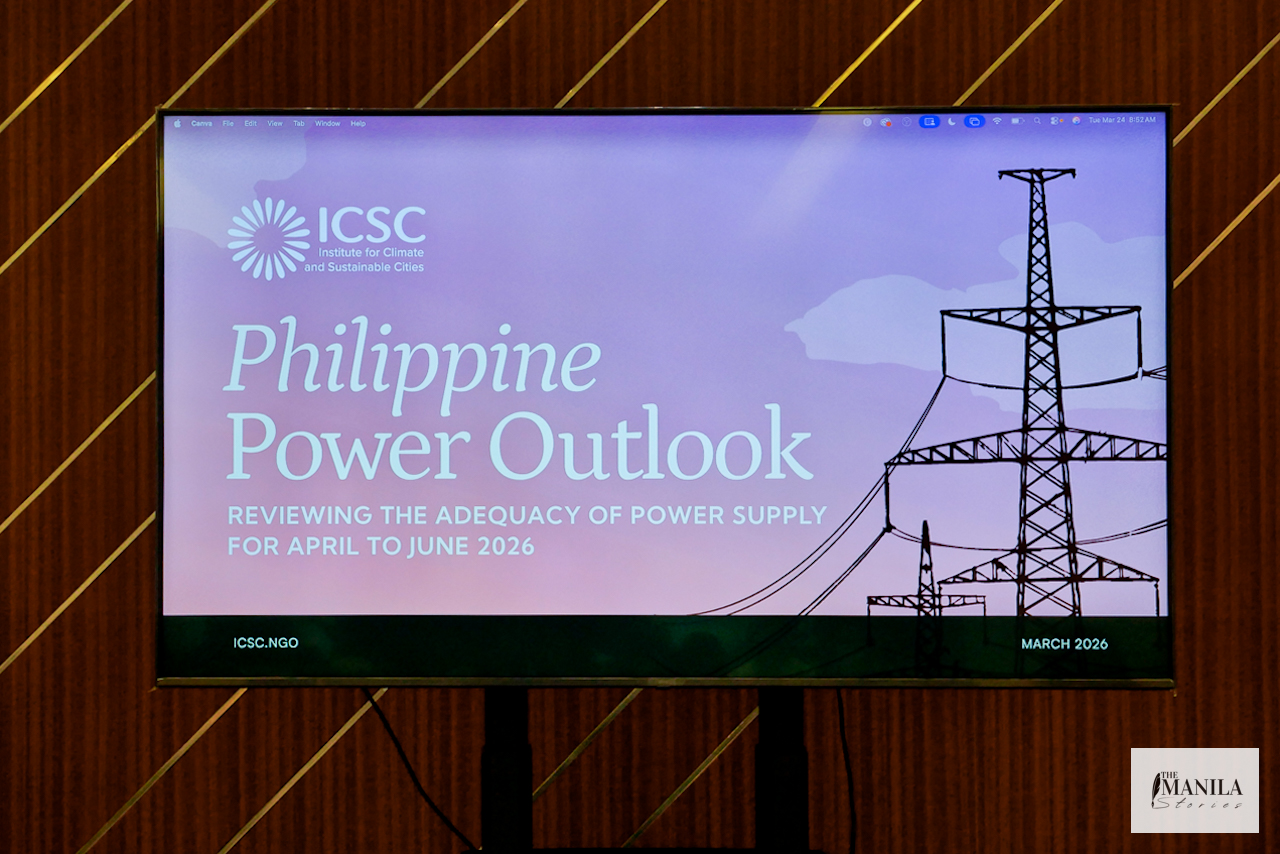
The Institute for Climate and Sustainable Cities (ICSC) says the Philippines will have enough electricity from April to June 2026, but reserve margins will be tight. The Luzon, Visayas and Mindanao grids can meet demand, but they are vulnerable to demand spikes, plant outages and HV‑DC line constraints.
Luzon’s supply will stay adequate if new capacity arrives on schedule. Phase 1 of the Terra Solar project is expected to add 1,785.7 MW. The Bugallon Solar Power Project should contribute 530.4 MW.
Visayas will rely on HV‑DC imports – up to 450 MW from Mindanao and 250 MW from Luzon. The region may trigger a yellow grid alert in May, even with these imports. The alert could worsen if Luzon and Mindanao tighten their own reserves and cut exports.
Mindanao is projected to keep normal reserves throughout the quarter. Existing generation should cover demand while still exporting to Visayas. The grid’s tightest moment is expected in late April, which may force a reduction in HV‑DC exports.
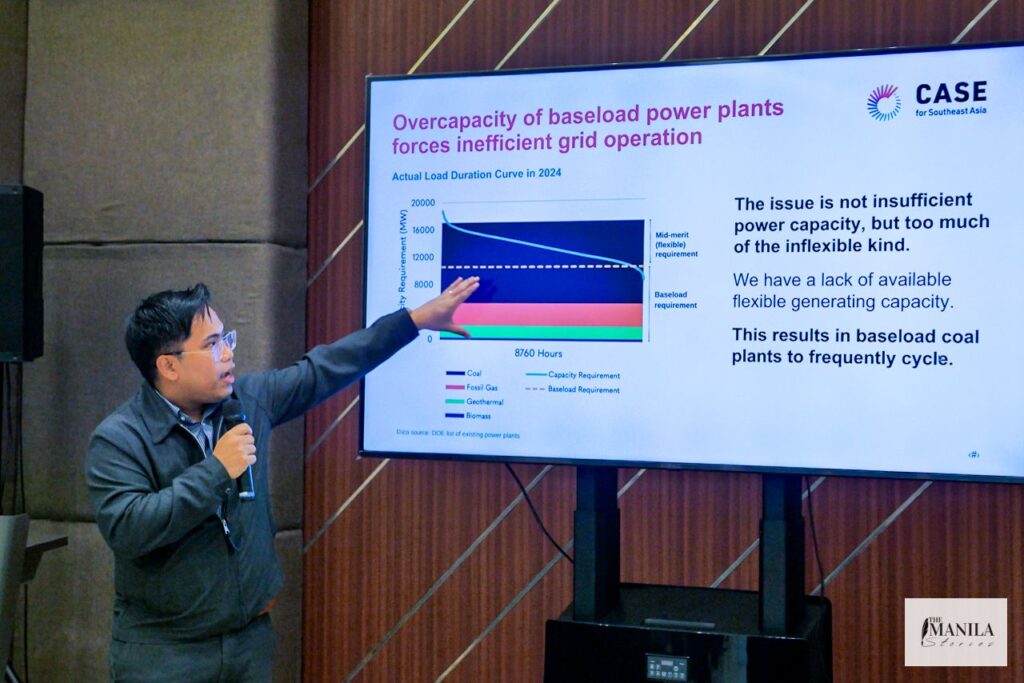
The outlook draws on the NGCP’s 2025‑2027 Weekly Power Outlook and the Department of Energy’s list of existing and committed plants as of November 2025. ICSC used conservative assumptions, including forced outages of about 700‑800 MW.
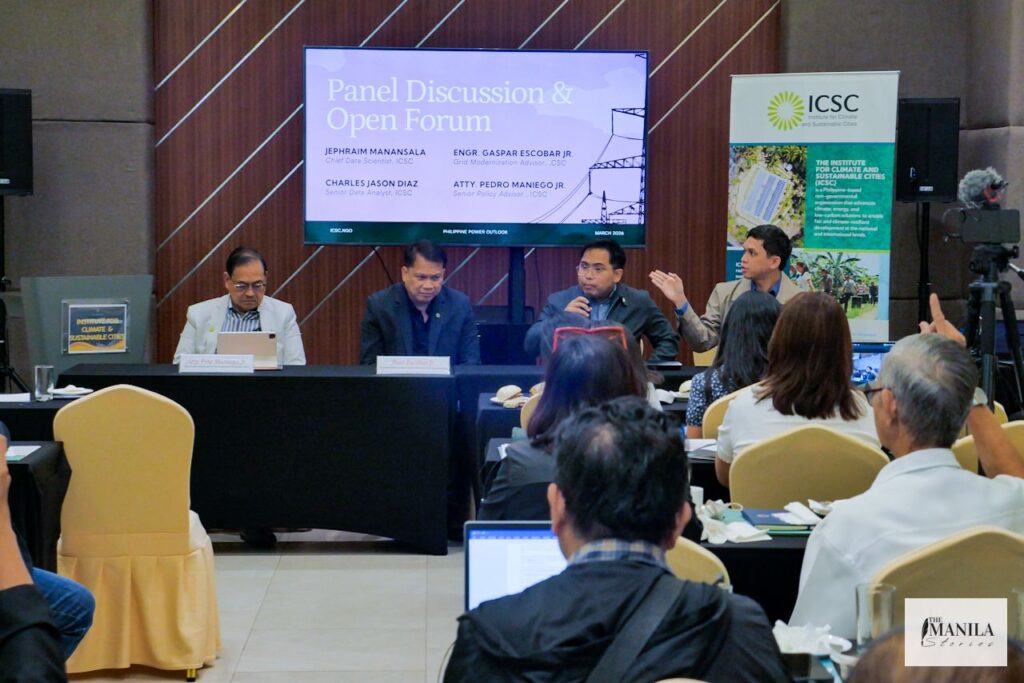
“If additional power plants go offline beyond what is expected, this could further aggravate the power outlook,” said Jephraim Manansala, ICSC’s chief data scientist. “It could lead to a more grave outcome, as available supply would be reduced.”
“This grid alert highlights the structural vulnerabilities that persist in the Philippine power system,” noted Charles Jason Diaz, senior data analyst. “It demonstrates that power supply challenges are not solely driven by high summer demand but are fundamentally linked to chronic forced outages of baseload plants and inadequate reserve margins.”
The ongoing Middle‑East conflict has raised concerns about LNG supply. Damage to Qatar’s Ras Laffan LNG hub may push Philippine electricity prices higher and strain supply, especially in off‑grid areas that rely on diesel generators.
“We have already identified a significant amount of available potential solar rooftop spaces across the country, and detected over 3,000 MW of existing solar rooftop capacity,” said Pedro Maniego Jr., senior policy advisor. “Solar and battery are already cheaper than coal and LNG. It does not have the problem of land conversion and interconnection, and it generates power where it is needed.”
“The bottom line is that we have plenty of renewable energy resources,” said Gaspar Escobar Jr., grid‑modernization advisor. “During crises, RE tends to become a hot topic — yet the technologies themselves have already existed for quite some time.” He added, “While strong policies are already in place, their implementation hasn’t been as aggressive as needed in the past. There is a clear need to intensify and accelerate RE deployment even beyond this crisis, so we can eventually move away from our dependence on imported fossil fuels and achieve energy security.”
ICSC urges better energy efficiency, stricter compliance with the Grid Operating and Maintenance Program, and smarter use of inter‑island power trades as short‑term fixes. The institute also calls for faster transition to a flexible, modern grid and for wider adoption of distributed renewable generation.
The full “Philippine Power Outlook: Reviewing the Adequacy of Power Supply for April to June 2026” can be read at website’s portfolio items.