Storms at the Shore: The Critical Gaps in PH Cyclone Preparedness

A new study by University of the Philippines meteorologists sheds light on how tropical cyclones behave near Philippine coasts. It reveals urgent needs for improved storm preparedness. The research covers […]

A New Species of Box Jellyfish Can Help Save Lives

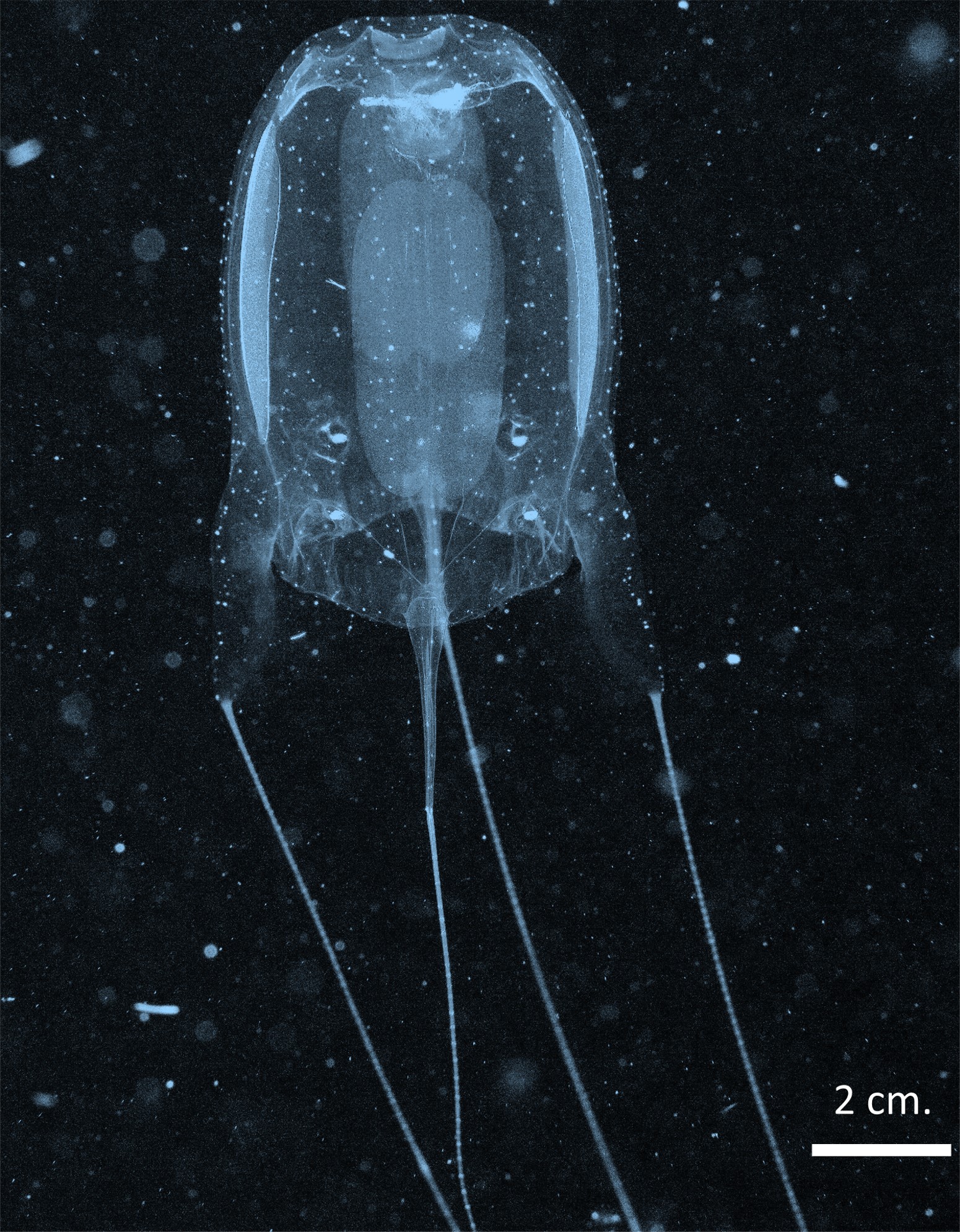
A new box jellyfish species wants to be discovered. A team of Filipino marine researchers attempts to study these new species in their natural habitat. These species live in hard-to-reach […]

UP Researchers Develop Hybrid Molecules to Halt Cancer Spread

Cancer in the Philippines is a growing crisis. In 2022, nearly 189,000 new cases were recorded. There were over 113,000 cancer-related deaths. This is according to the International Agency for […]

UP Mathematician Unlocks Quantum Complexity with New Mathematical Framework

A University of the Philippines Diliman mathematician has developed a groundbreaking framework to describe complex quantum operators. Dr. Arvin Lamando, from the Institute of Mathematics, collaborated with Dr. Henry McNulty […]

Philippines Opens First Metallomics Facility to Boost Marine and Medical Research

The University of the Philippines Marine Science Institute (UP MSI) launched the nation’s first dedicated metallomics facility on 22 October 22 2025. This milestone, led by Balik Scientist Dr. Irene […]

Tiny Light Shift, Big Discovery at UP Diliman

Scientists from the University of the Philippines Diliman have made a groundbreaking measurement. They recorded the elusive Goos-Hänchen (GH) shift in common, low-loss materials like silicon and gallium arsenide. This […]

Bird Perches and Poop to the Rescue: Low cost of Reforestation

Reforestation efforts are getting a boost from an unexpected source: bird poop. An international team of scientists, led by Dr. Jelaine Gan from the University of the Philippines, has found […]

Tree Holes: Vital Homes for Subic’s Forest Birds

Tree cavities are essential for many bird species. These birds use tree holes for nesting and raising their young. Some birds, like woodpeckers, can create their own cavities. These are called primary excavators. Other birds, called secondary cavity nesters, rely on natural or pre-existing holes.