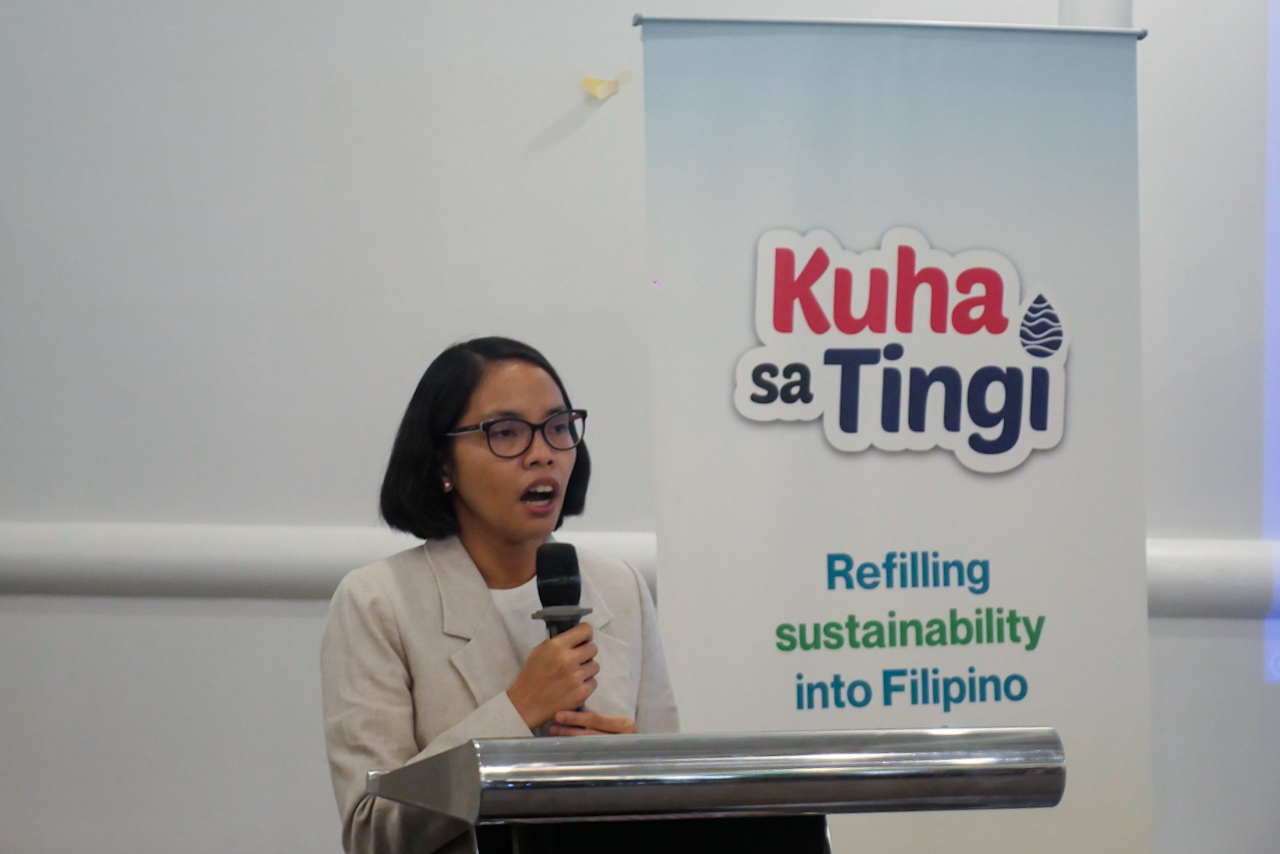
Greenpeace Philippines reports the success of the “Kuha sa Tingi” (Get a Tiny Portion) project. This is a sustainable initiative. It promotes refillable alternatives to single-use plastics. The project’s initiative is to bring back the Filipino culture of buying small proportions with reusable containers for household use. Greenpeace Philippines pioneered this initiative with RIPPLEx and the local governments of Quezon City and San Juan City in 2023.
The report highlights the project’s success with reuse and refillable systems. These are effective solutions to the plastic crisis we face today. A sound business model that benefits suppliers, retailers, consumers, and local government units that effectively protects the environment and communities. The investment in reuse and refill systems is large-scale. It creates better consumers and retailers according to new reported data. “This report shows reuse and refill systems will eliminate sachet pollution. This will happen when they are adopted at scale,” said Marian Ledesma, Greenpeace Philippines Zero Waste Campaigner.
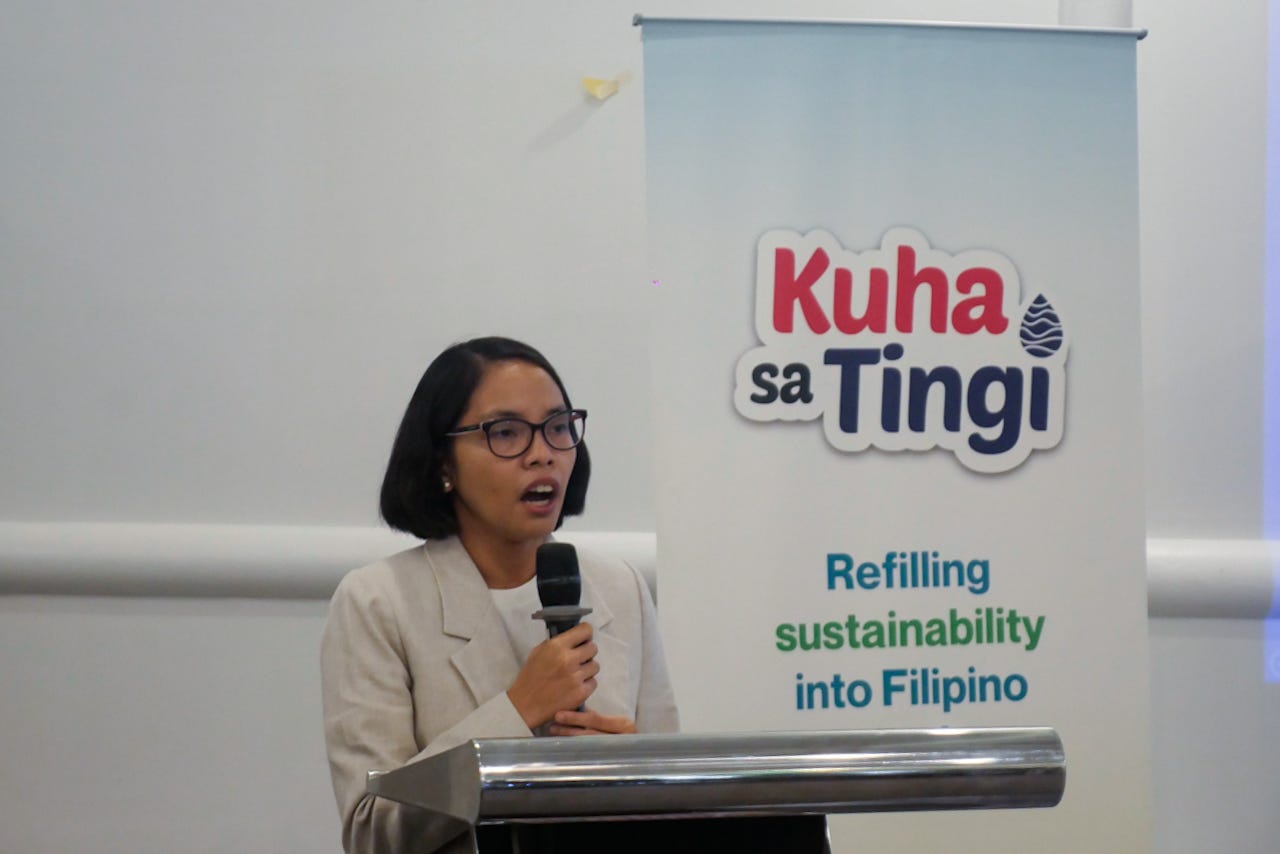
The report also recommends large-scale investment with stricter regulations to combat plastic sachets causing a large amount of pollution. These restrictions are solutions that can create a better scenario for the environment, the economy, and public health. “Kuha sa Tingi” project displaced more than 50,000 sachets during the pilot periods in San Juan City and Quezon City. In the same period, consumers experienced an average savings of 201% when opting for refills over sachets.
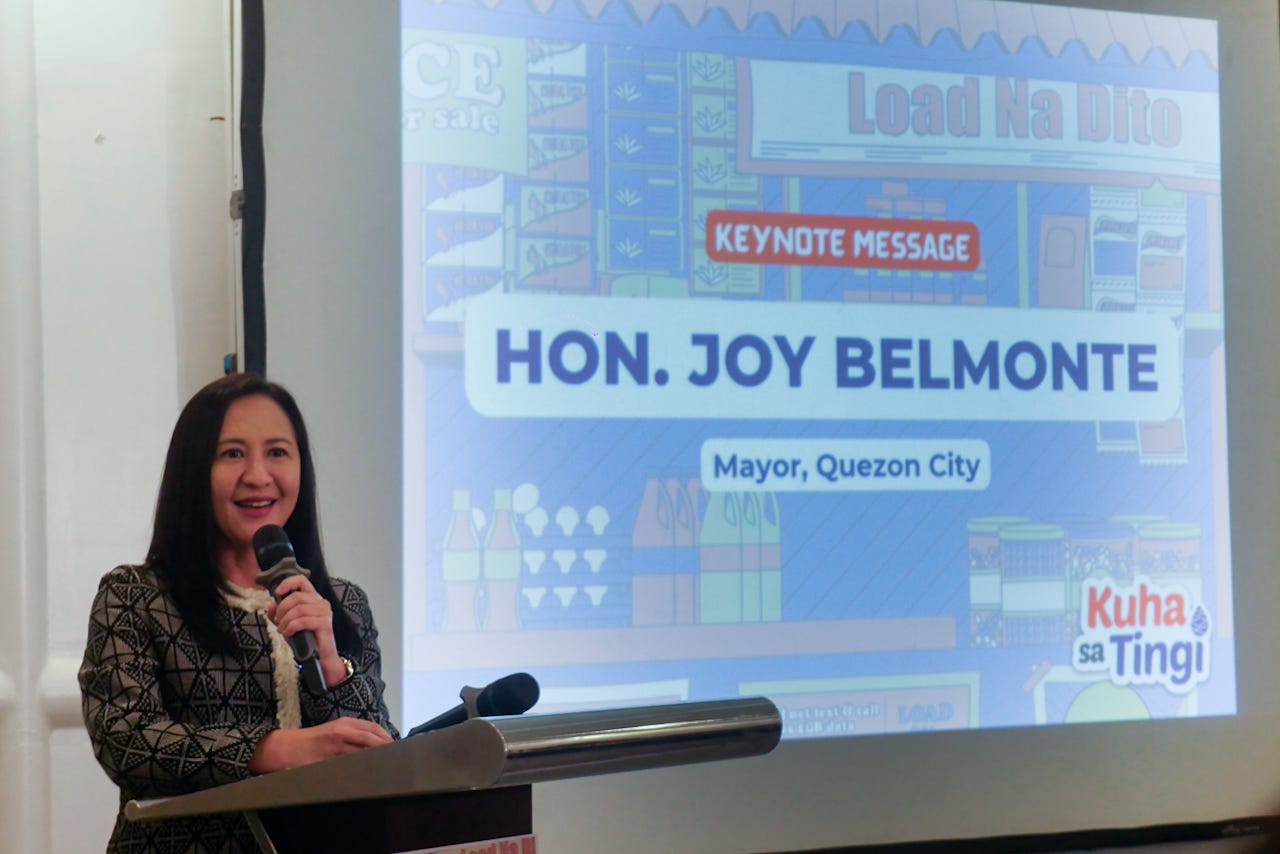
Mayor Joy Belmonte of Quezon City said, “Quezon City aims to reduce its solid waste generation by 50% in 2030. Sachet waste that clogs our waterways and drainage systems needs immediate action. Innovative programs like “Kuha sa Tingi” tackle this challenge head-on. We convert sari-sari stores into refill hubs. These hubs provide everyday essentials such as liquid detergent, fabric conditioner, multi-purpose cleaner, and dishwashing liquid. This empowers our residents to embrace a sustainable lifestyle by choosing reusable options. It creates a win-win solution that protects our environment, saves money for our residents, and increases income for store owners.”
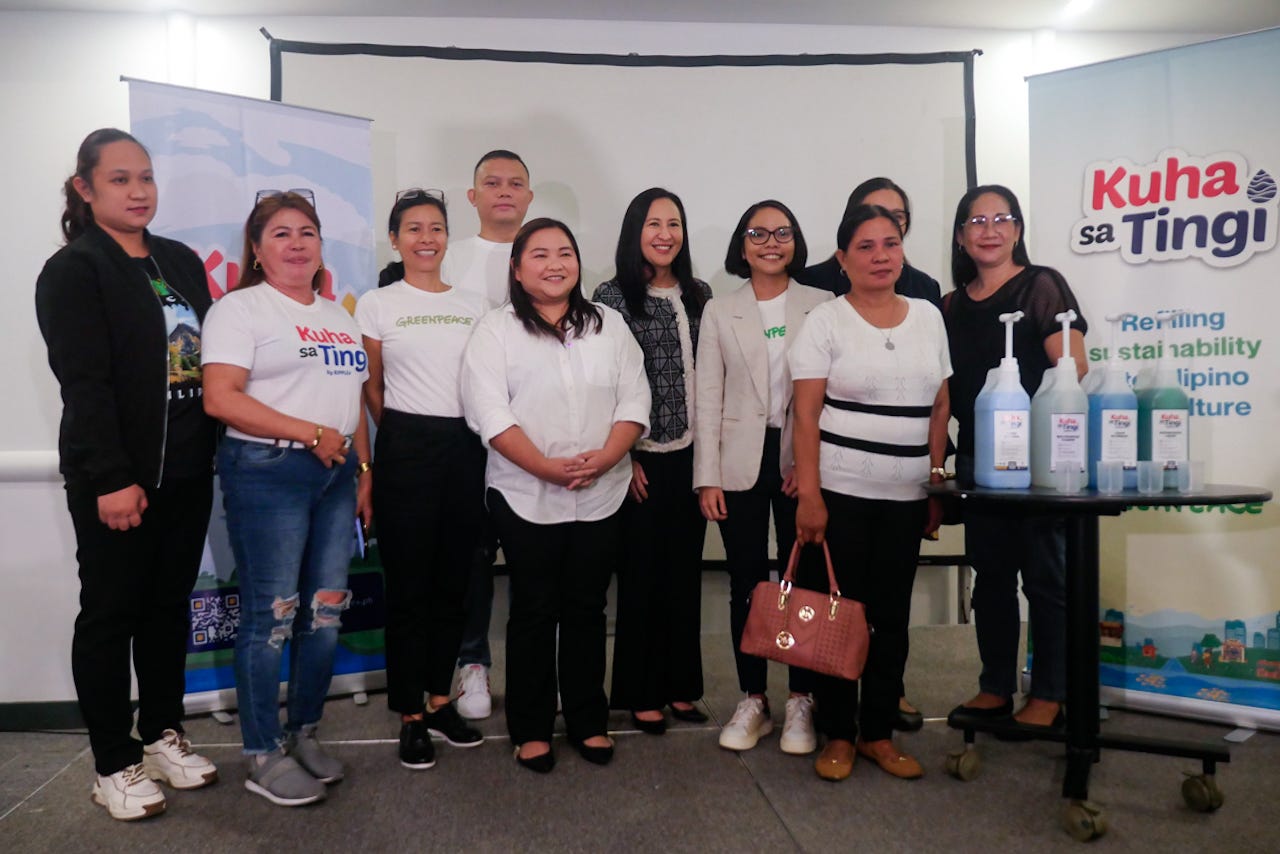
The participating sari-sari store owners experience an average increase of 15% in profit. Some even stop the sale of dishwashing liquid in sachets because of improved profitability or decreased demand. Local governments should support this kind of initiative. This support will encourage their citizens. It will also push corporations to change the way they do business.
Support through existing local government ordinances and the Ecological Solid Waste Management Act. The revision of the EPR Act strengthens the focus from plastic waste recovery and disposal to reducing plastic production. This change makes it an effective law.
The Greenpeace report shows how a simple project can be a large-scale solution. This is a sustainable solution where communities collaborate with the government. They do not sacrifice profit and most importantly, they save the environment.