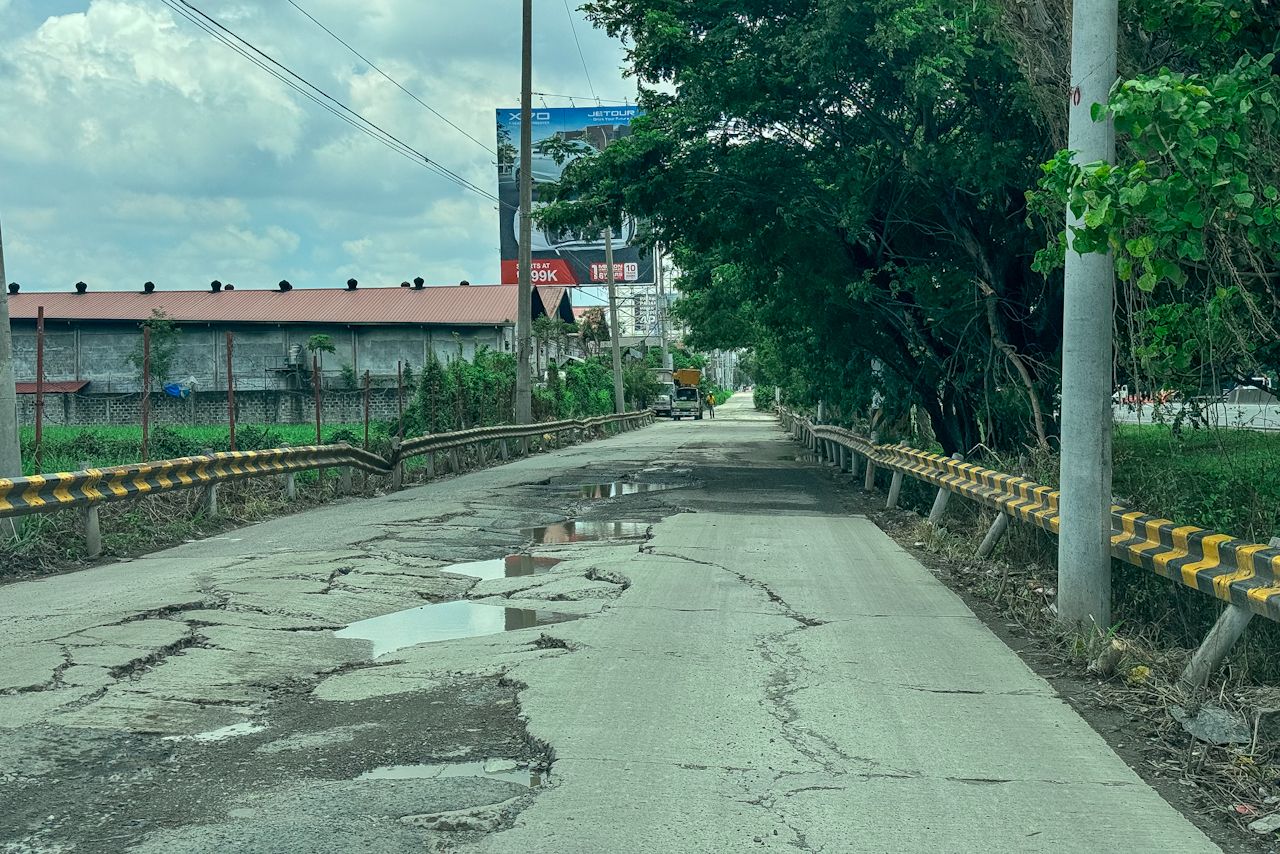
Tectonic motion, natural compaction of sediments, and excessive groundwater extraction with rapid urbanization is a growing concern. It drives land subsidence. Climate change further exacerbated this issue. It leads to rising sea levels and an increased frequency of flooding. Especially during high tides and typhoons. Researchers from the University of the Philippines at Diliman in Quezon City conducted a recent study from 2014 to 2020. Research with the UP Resilience Institute shed light on the rates of land subsidence in major cities in the Philippines.
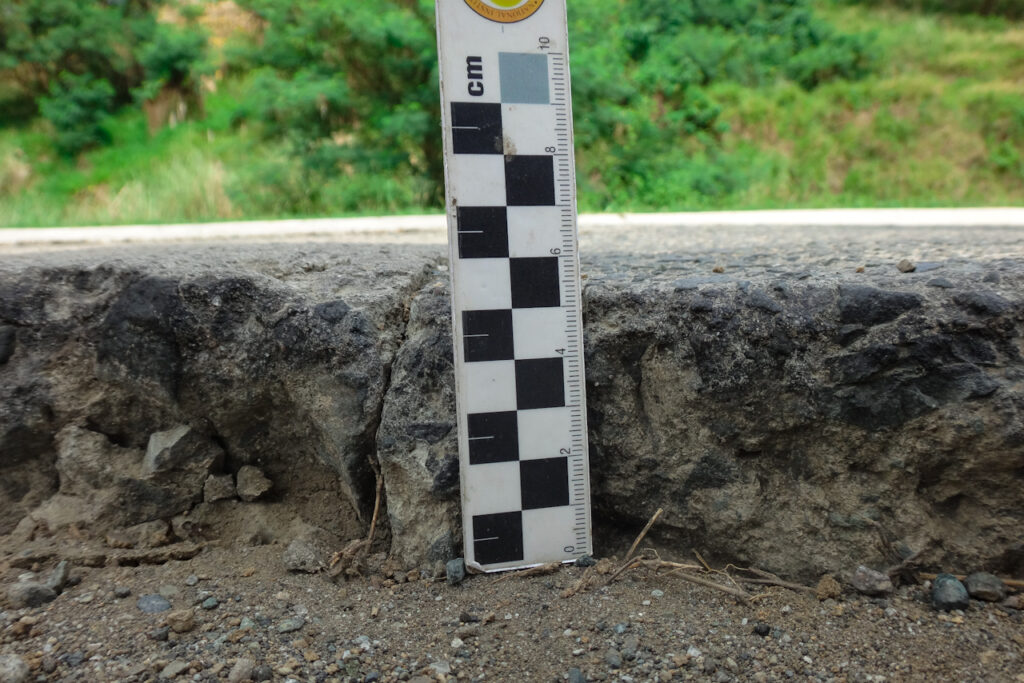
The findings revealed that Bulacan, in Greater Manila, experiences the most significant sinking rate at 109 millimeters per year. Other cities studied include Metro Cebu, Metro Davao, Metro Iloilo, and Legazpi City. They showed subsidence rates of 11 mm, 38 mm, 9 mm, and 29 mm per year, respectively. The researchers emphasized the importance of this data. It is especially critical in densely populated urban areas. Here, the impacts on the community are more pronounced. Younger geological formations beneath cities make them vulnerable to subsidence. This is particularly true in industrial and commercial zones where extensive constructions occur.
The study underlines the need for sustainable groundwater management and improved practices to mitigate subsidence. The National Water Resources Board has already recognized the researchers’ earlier findings. They have identified zones where groundwater usage restrictions are necessary. The team reflects on their prior study in 2010. They aim to update the deformation data. They want to understand the changes that have occurred in the Greater Manila area over the past decade.
Looking ahead, the research team plans to incorporate extra data on groundwater extraction across major metropolitan areas. They will update their findings to include recent years. The goal is to help ongoing collaboration with other researchers to further this important work. Their research is titled “Ground Subsidence in Major Philippine Metropolitan Cities from 2014 to 2020.” It was published in the International Journal of Applied Earth Observation and Geoinformation. This work contributes to the broader understanding of environmental management and resource inventory.