
Cancer in the Philippines is a growing crisis. In 2022, nearly 189,000 new cases were recorded. There were over 113,000 cancer-related deaths. This is according to the International Agency for Research on Cancer (IARC). These numbers are projected to rise sharply by 2050. Now, scientists at the University of the Philippines – Diliman are making strides in the fight against this disease.
Chemists Christian Angelo Concio and Dr. Susan Arco, along with collaborators from Taiwan, have created new hybrid molecules that may stop cancer from spreading. Their study introduces compounds called lithocholic acid-3,3′-diindolylmethane (LCA-DIM) hybrids, designed to inhibit a cancer-related enzyme called sialyltransferase (ST). This enzyme enables cancer cells to coat themselves with sialic acid. In doing so, they evade the immune system and move freely.
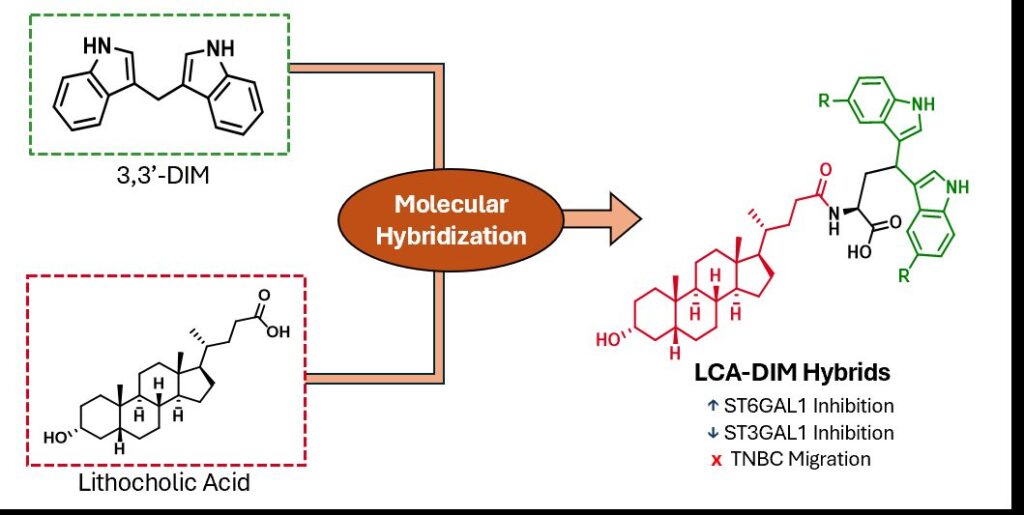
By targeting this enzyme, the hybrids prevent hypersialylation, a process linked to aggressive breast cancer growth. The team found their compounds selectively suppress ST6GAL1. It is an enzyme often overactive in triple-negative breast cancer (TNBC). TNBC is a hard-to-treat cancer type. In lab tests, the hybrids halted the spread of TNBC cells.
“Our approach is different,” Concio explained. Traditional cancer drugs like doxorubicin kill cells directly, often causing side effects and resistance. The LCA-DIM hybrids work by blocking metastasis—the spread of cancer—without destroying cells, potentially slowing disease progression.
The researchers hope to expand this technique to cancers like pancreatic and ovarian, which also show high ST6GAL1 activity. Next steps include testing the molecules’ safety and effectiveness in animals. Their findings were published in RSC Medicinal Chemistry, highlighting a potential breakthrough in targeted cancer therapy.
This work offers new hope as the global cancer burden grows, showcasing Philippine innovation in drug discovery.


