Scientists from the University of the Philippines Marine Science Institute (UP MSI) reported new discoveries in the Sulu Sea, Celebes Sea and southern Philippine Sea. The findings were presented on 3 February 2026 at Edgardo D. Gomez Hall.
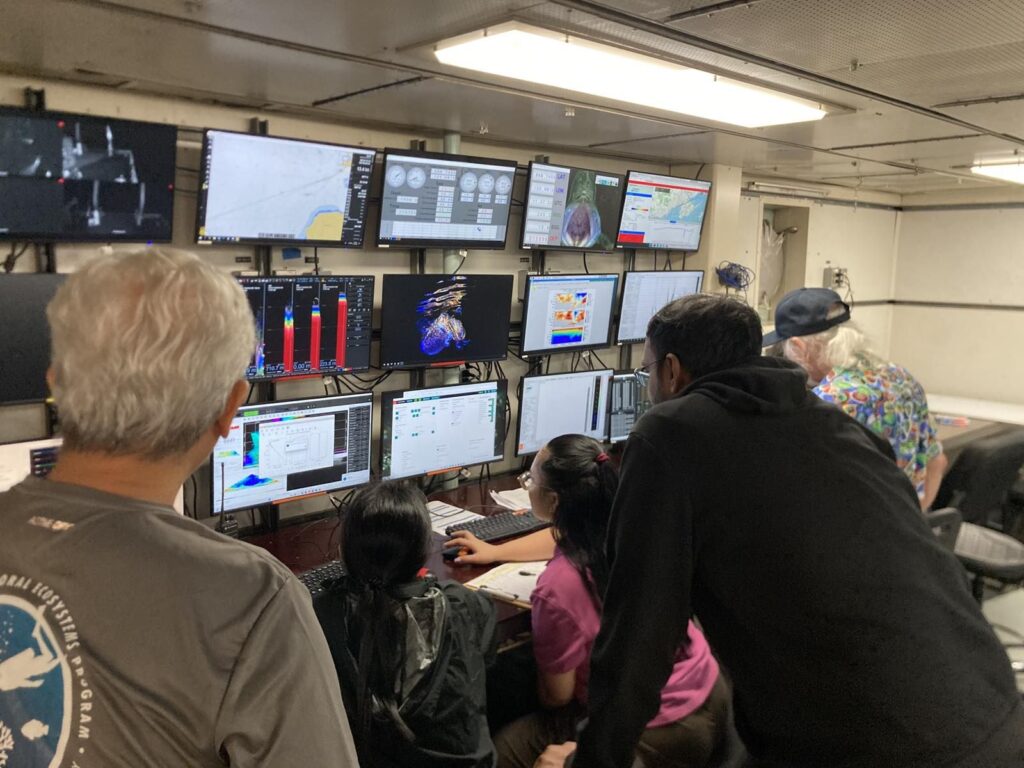
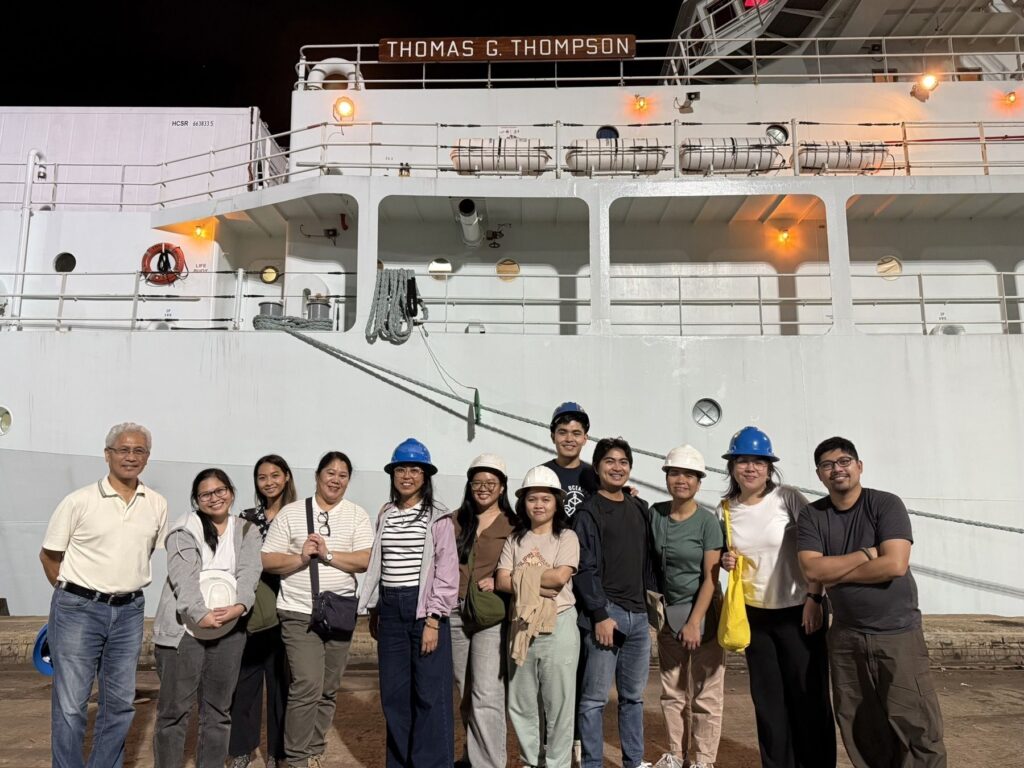
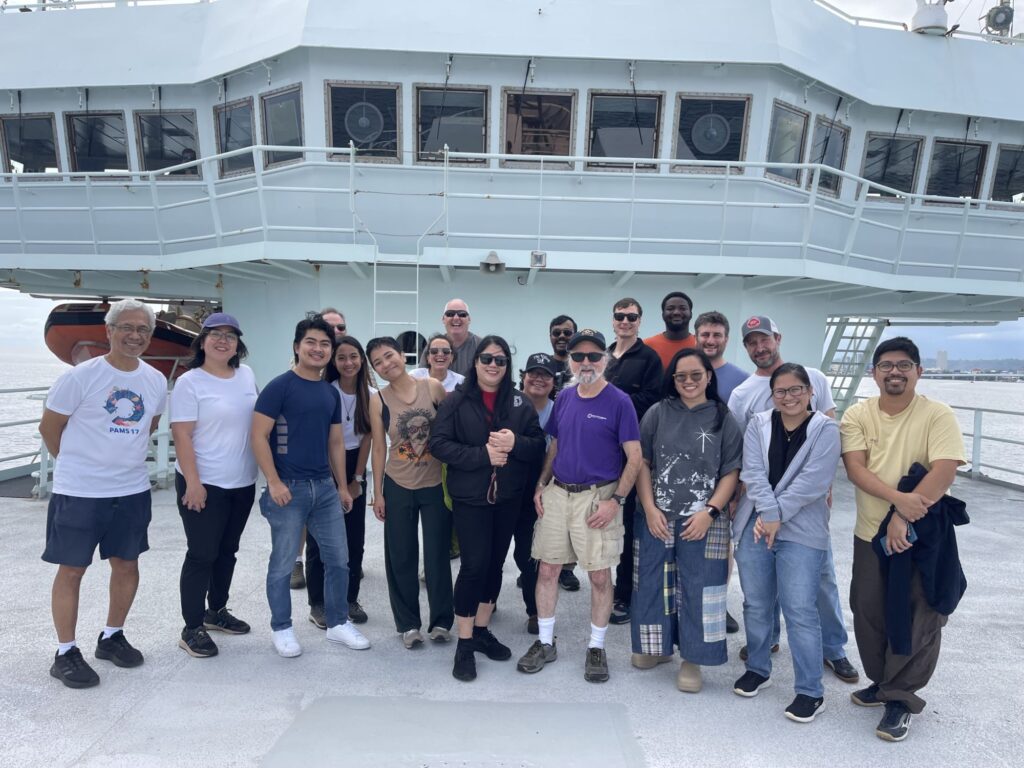
The expedition took place in December 2025 aboard the U.S. research vessel R/V Thomas G. Thompson. UP MSI led the trip with partners from the University of California‑Santa Cruz and Mindanao State University‑Naawan. Dr. Fernando Siringan headed the Philippine team. Dr. Daniel Orange was the overall principal investigator.
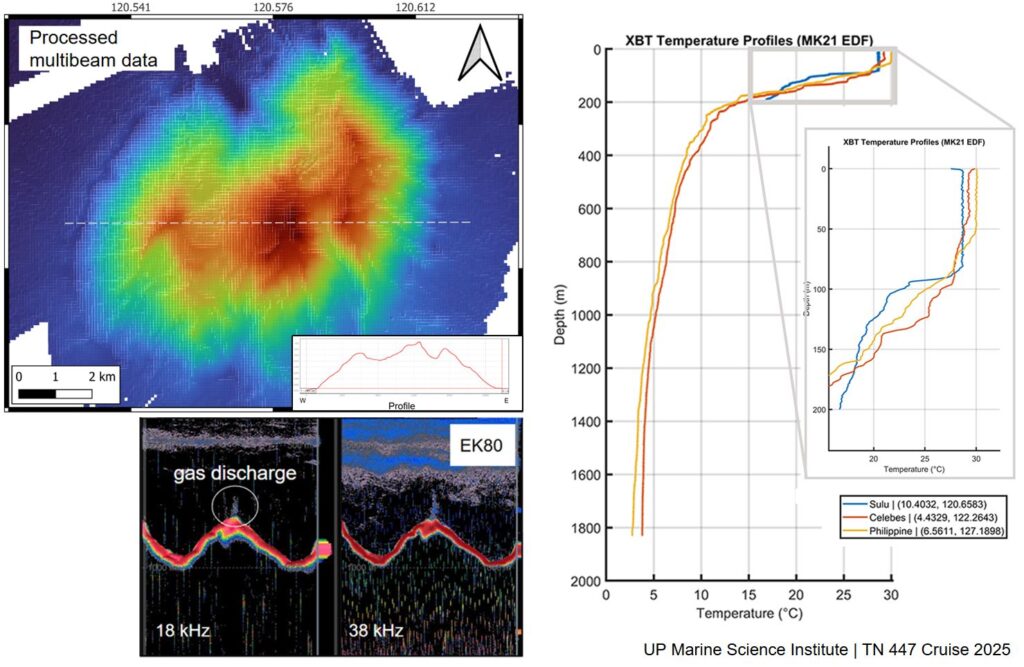
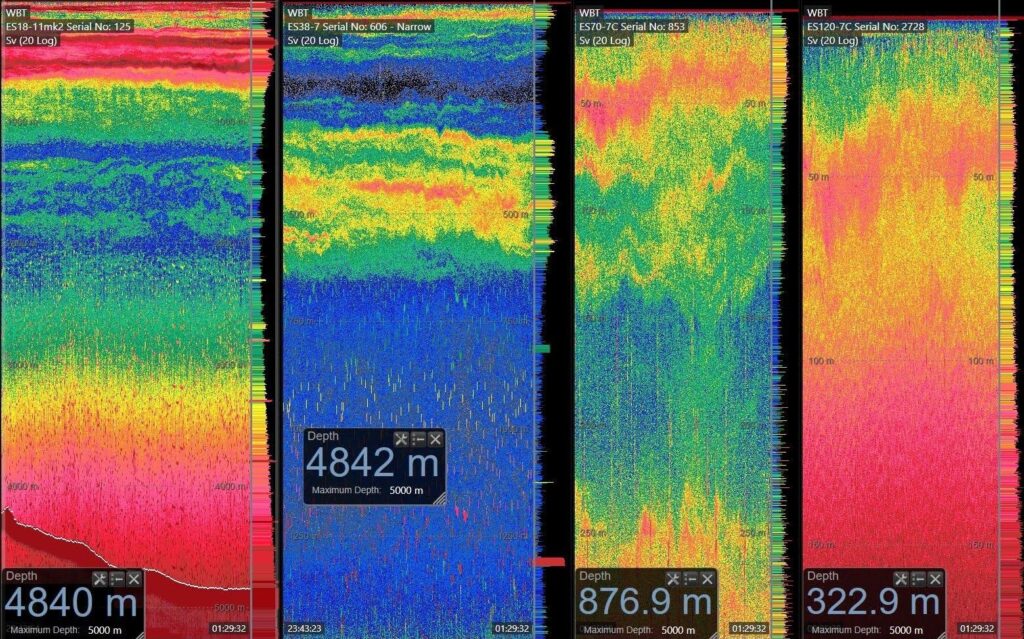
A hull‑mounted multibeam sonar mapped the seafloor. It confirmed several suspected submarine volcanoes. In the Sulu Sea, the EK80 water‑column sonar recorded a vertical anomaly that rose about 30 m from a volcanic summit. Dr. Siringan said the anomaly likely reflects hydrothermal gas release. He added, “Anywhere you have gas seeps and hydrocarbon seeps, the biodiversity is relatively unique compared to surrounding areas. That’s why it’s an area of interest for both geologists and biologists.”
In the Celebes Sea, a volcanic feature south of Balut Island appears to be a caldera. Dr. Siringan noted that such edifices often host rare marine life that could yield new bio‑compounds. He cited previous work on the Philippine Rise where his team found sea stars, sea lilies and Iridogorgia corals at 1 300 m depth.
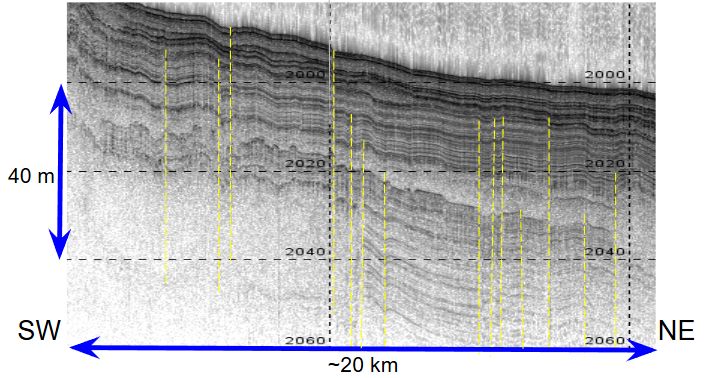
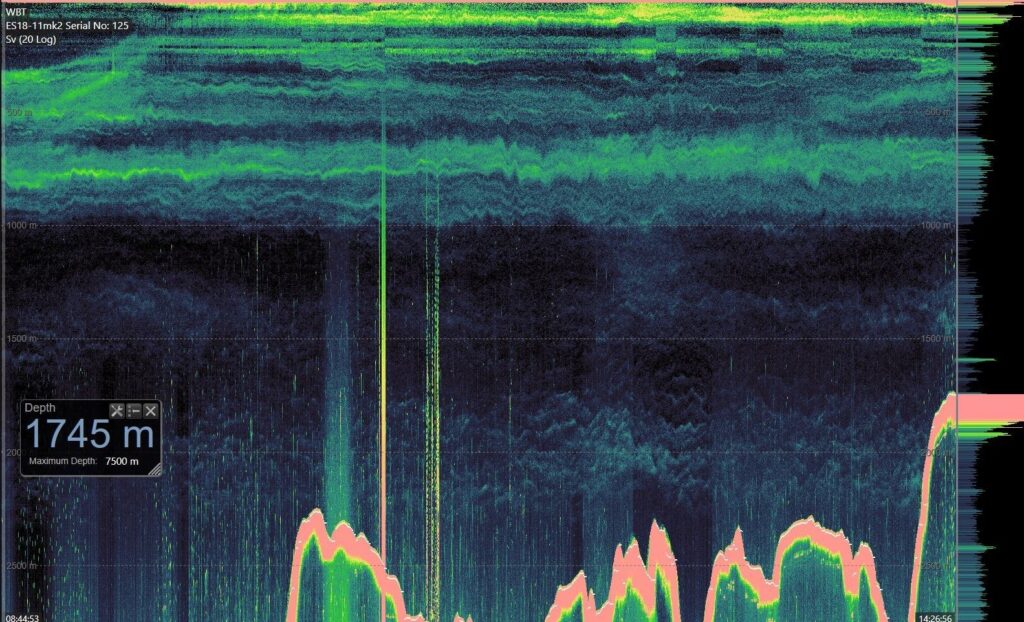
The survey also uncovered unmapped active faults off eastern Palawan. One fault along the continental slope shows a 10 m surface offset. Another fault zone runs 20 km along the projected extension of the Ulugan Bay Fault. These results match earlier French and German mapping and help explain the 5.1‑magnitude quake that struck Palawan on 11 June 2024.
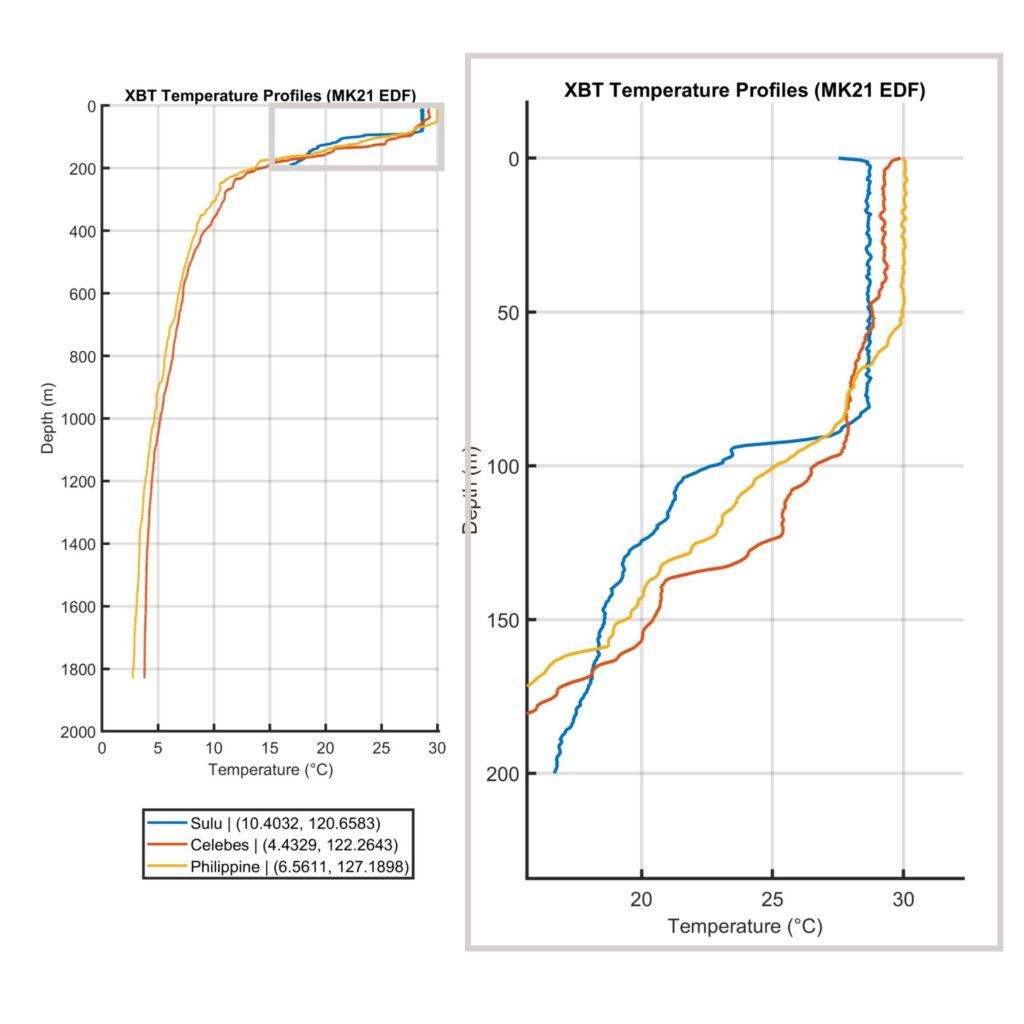
In the southern Philippine Sea, physical oceanographers measured a sharp temperature drop with depth. The expendable bathythermograph showed a 20 °C contrast between surface water and water at about 200 m. Dr. Charina Lyn Amedo‑Repollo explained, “The strong surface‑to‑deep temperature contrast observed in the southern Philippine Sea meets the thermal requirements for OTEC, indicating high potential for continuous baseload renewable energy, with additional applications for desalination, and seawater cooling.” She added, “We don’t only see water. We see opportunities for future work.”
The team also documented internal waves and tides generated where the Mindanao Current meets the Mindanao Undercurrent. These waves stir nutrients upward, supporting plankton growth and productive fisheries. Dr. Amedo‑Repollo said the findings link ocean physics to food security and the blue economy.
Former DENR Secretary Ma. Antonia Yulo‑Loyzaga called the research “critical.” Captain Armil Angeles (Ret.) of the Presidential Office for Maritime Concerns pledged support: “There’s a need for marine science research and to support marine science research. On our part as policymakers, we will do our part to support it.”
UP MSI Director Dr. Laura David concluded, “There’s a lot of attention on us because of the Coral Triangle, but I bet our deep sea is just as interesting.”
The expedition, funded by the U.S. Office of Naval Research, also marked the first water sample taken at 5 200 m depth in the Celebes Sea. The results highlight the Philippines’ under‑explored deep ocean and its promise for renewable energy, biodiversity and sustainable fisheries.