
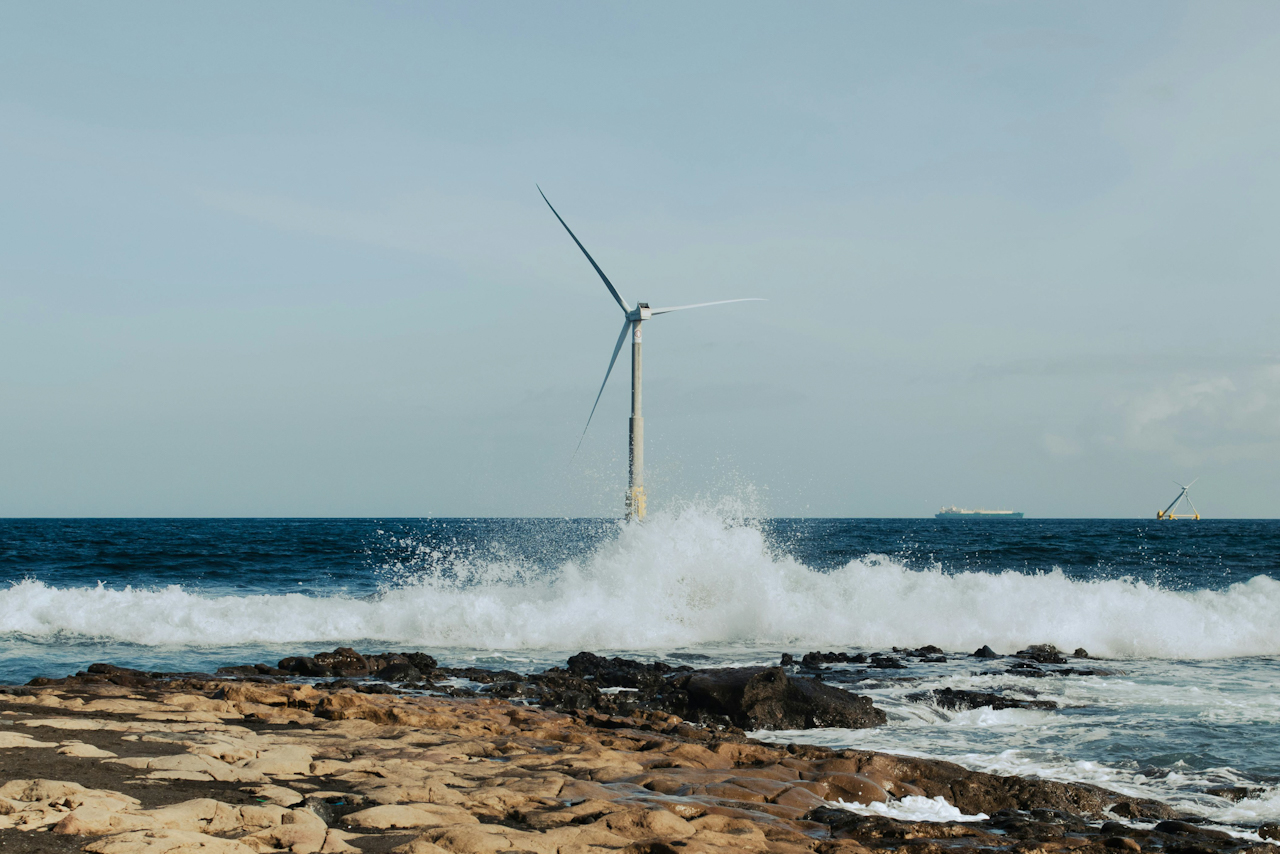
Ateneo de Manila University researchers are looking to the sea to solve the nation’s power needs. Justin Kyle O. Ricafort and King Harold A. Recto say tidal energy could transform the country’s energy landscape.
The Philippines has massive coastal potential. The researchers found that coastal waters hold a theoretical power of 170 gigawatts. The country’s current installed capacity is only 32 gigawatts.
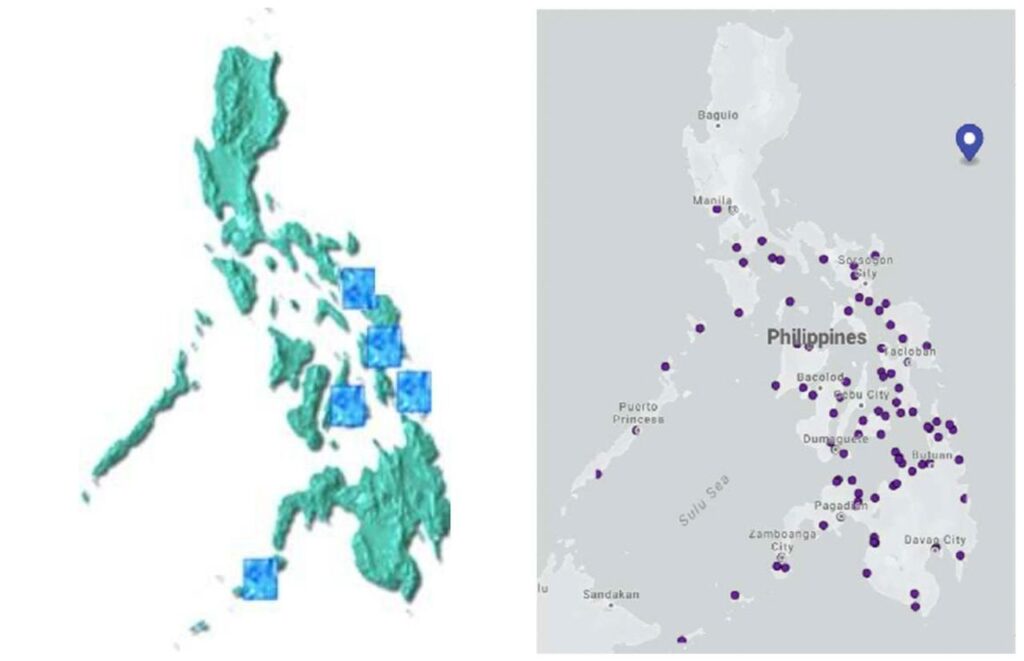
“According to independent studies, the Philippines’ coastal waters have a total theoretical potential power of as much as 170 gigawatts, compared to the country’s current installed capacity of 32 gigawatts,” Ricafort explained.
The team suggests that capturing a fraction of this energy is enough to meet local demand.
“Although not all of the ocean’s power is practically recoverable, harnessing even just 18 to 20 percent of the archipelago’s total tidal energy is theoretically sufficient to cover the Philippines’ current power consumption,” he added.
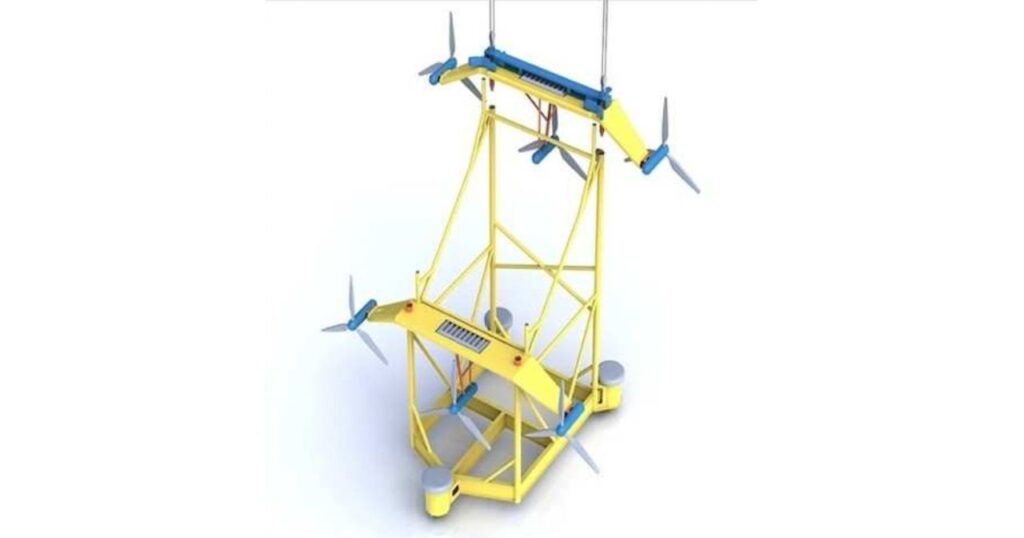
The researchers propose using submerged tidal-stream systems. These generators turn the movement of water into electricity. They identified the San Bernardino, San Juanico, and Cebu Straits as the best locations. These sites offer strong currents and are close to power grids.
A project is already underway near Capul Island in Northern Samar. Technicians are installing a one-megawatt system to replace diesel generators. The researchers believe this project will serve as a model for the rest of the country.
The Philippines currently relies on imported fuels like coal and natural gas. This leaves the nation vulnerable to global price changes. The researchers argue that tidal energy offers a more reliable path. It uses resources already present in Philippine waters.
Tidal power could also help solve the energy trilemma. This involves balancing sustainability, energy equity, and energy security. While the technology is currently expensive, the team notes that long-term investment will lower costs.
Ricafort and Recto presented their study, “Assessing Tidal Energy Potential in the Visayas,” at the IEEE Region 10 Conference in October 2025. The researchers believe the answer to the nation’s energy future has been moving along its shores all along.