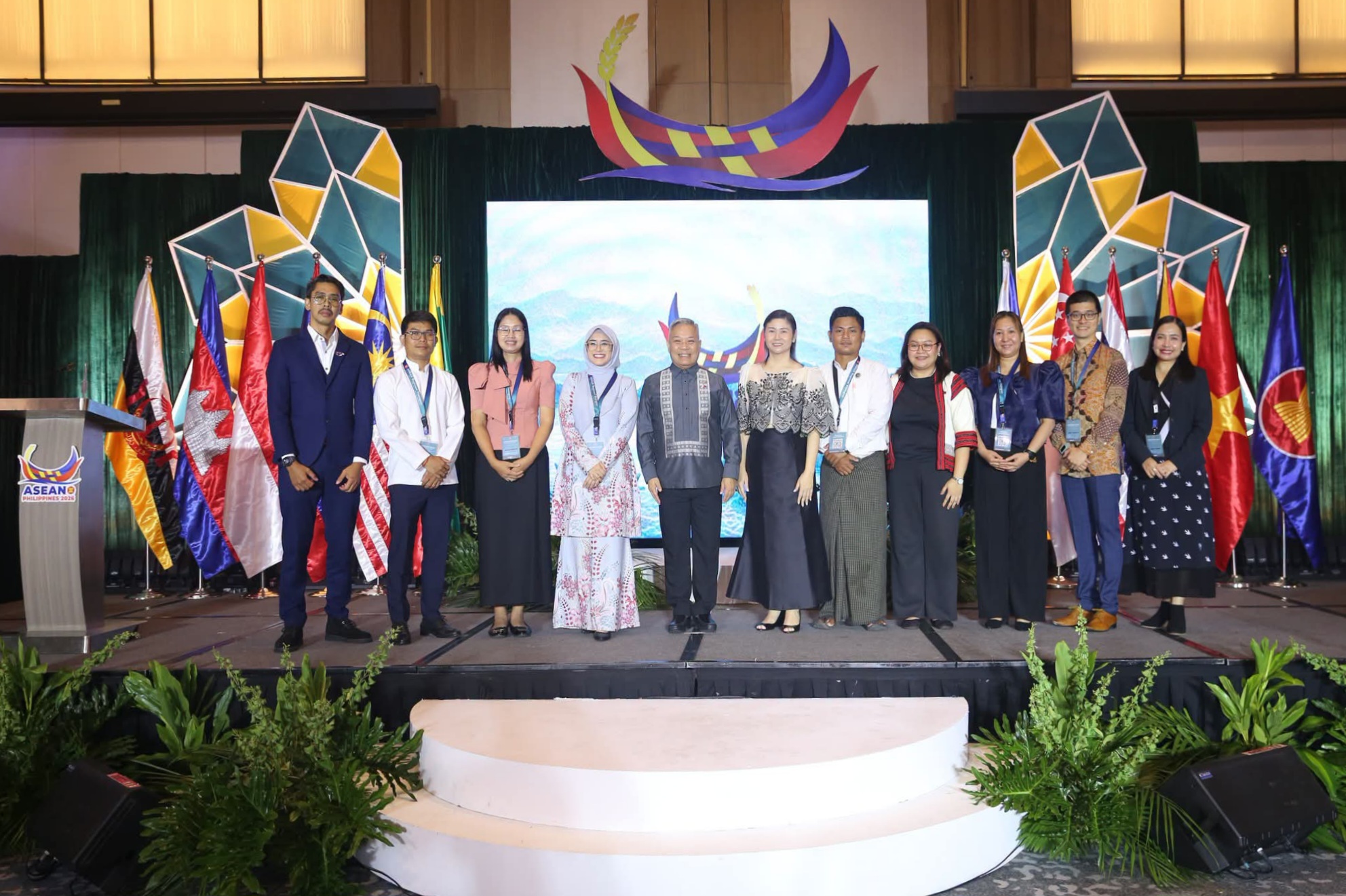
The National Commission for Culture and the Arts (NCCA) launched the ASEAN Regional Dialogue on Cultural Heritage Protection this week. The event runs from June 22–24, 2026.
The dialogue brings together heritage experts and government representatives from across Southeast Asia. The goal is to create stronger foundations for protecting the region’s diverse cultural treasures. The program builds on existing partnerships between ASEAN and Italy.
The host city of Mabalacat opened the event with performances by the Kapampangan art group, Arti Sta. Rita. Dr. Eric Zerrudo serves as the NCCA Chairman and the Philippines’ ASEAN Minister for Culture and the Arts. He delivered a message to the delegates and read a keynote address from President Ferdinand “Bongbong” Marcos Jr.
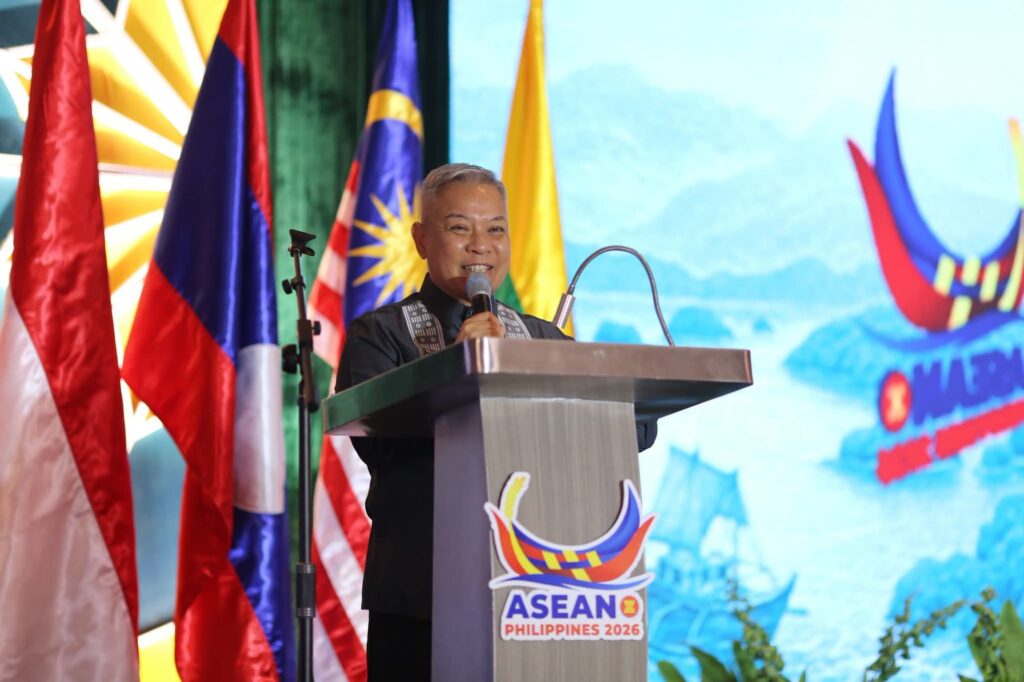
Dr. Zerrudo emphasized the value of collective action during his opening address.
“With our differing backgrounds and country of origin, I trust that this conference brings together diverse experiences, expertise, and perspectives from across ASEAN, reminding us that while our cultural heritage may be unique to each nation, the challenges of protecting it are often shared. And this dialogue brings these differences and common grounds to the fore,” Dr. Zerrudo said.
Ms. Annie Luis, a representative from the ASEAN Secretariat, provided updates on regional cooperation initiatives. She highlighted current projects aimed at safeguarding the region’s history.
The first day of the conference featured country presentations moderated by Dr. Ricamela Palis. Representatives from the Philippines, Malaysia, Indonesia, and Cambodia shared their national frameworks during the morning session. The afternoon session included delegates from Myanmar, Singapore, Thailand, and Viet Nam.
Participants discussed various aspects of heritage management. Topics included heritage law enforcement, site management, and museum practices. They also discussed digital documentation and the protection of intangible cultural heritage.
The event moved into thematic breakout sessions to foster practical solutions. These sessions focused on four key areas. The first area involved multi-agency coordination models. This included cooperation between cultural agencies, law enforcement, and customs authorities. The second area addressed the need for improved information-sharing and documentation systems.
The third area examined legal and policy environments. Participants discussed challenges in national framework implementation. Finally, groups explored capacity development and ways to fill institutional gaps in technical expertise and community engagement.
The dialogue shifts in its final days from theoretical discussions to applied learning. Delegates will visit heritage sites in Guagua, Bacolor, Clark, and Angeles City. These field trips allow participants to observe conservation practices and community stewardship in real-world settings.
The event concludes with plenary sessions. Participants will consolidate their findings and set priorities for future regional cooperation. These discussions will help shape the future direction of ASEAN heritage protection policies. The final synthesis will outline a path for sustained collaboration among member states.