
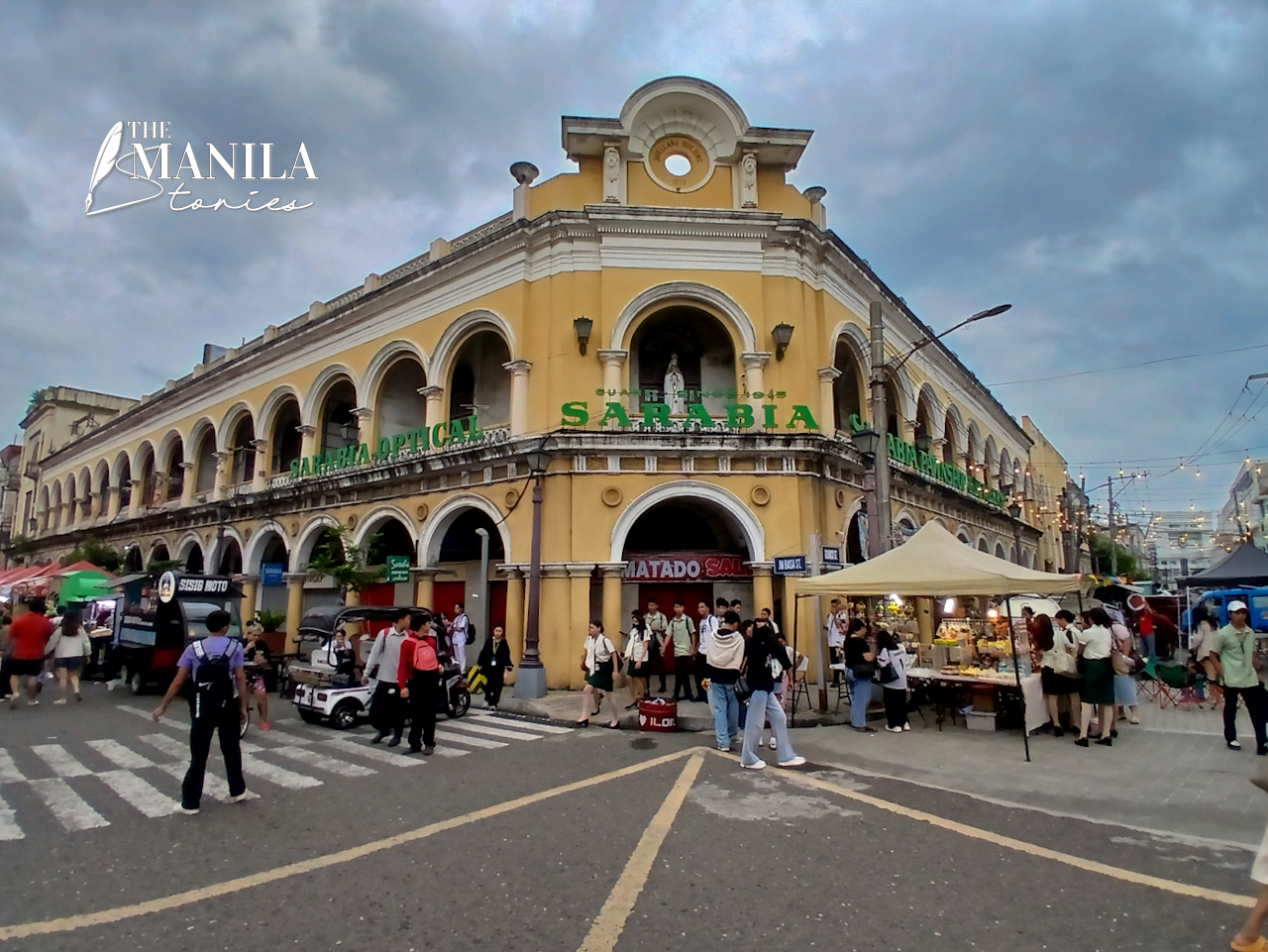
Celebrating its 89th Charter Day, Iloilo City has proven to the world that “good taste” extends far beyond what is served on a plate. Commemorating its establishment as a chartered city on August 25, 1937, under Commonwealth Act 158, the southern metropolis spent the entire month of August showcasing how its rich historical legacy drives modern economic success. Born from the historic 1937 merger of four towns and districts—the old towns of Iloilo, La Paz, Arevalo, and the port district of Jaro—alongside the historic districts of Molo and Mandurriao, the city has evolved into one of the Philippines’ most progressive and livable urban centers.
Under the leadership of Mayor Raisa S. Treñas, this year’s theme, “Celebrating 89 Years of Progress Toward a Better Iloilo City for All,” emphasized people-centered governance, inclusive economic growth, and direct public service delivery through the city’s RISE-to-Action agenda. Today, Iloilo seamlessly blends its architectural soul with a booming contemporary economy featuring a thriving Business Process Outsourcing (BPO) industry and sustainable urban planning.
Exquisite Flavors on and off the Plate
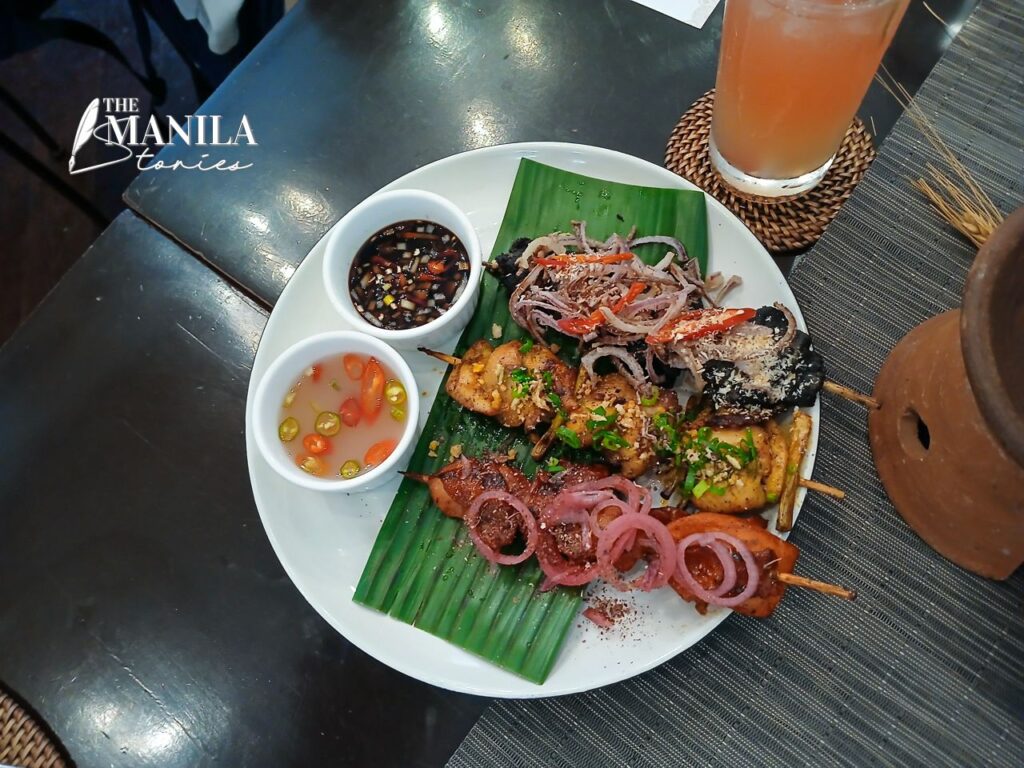
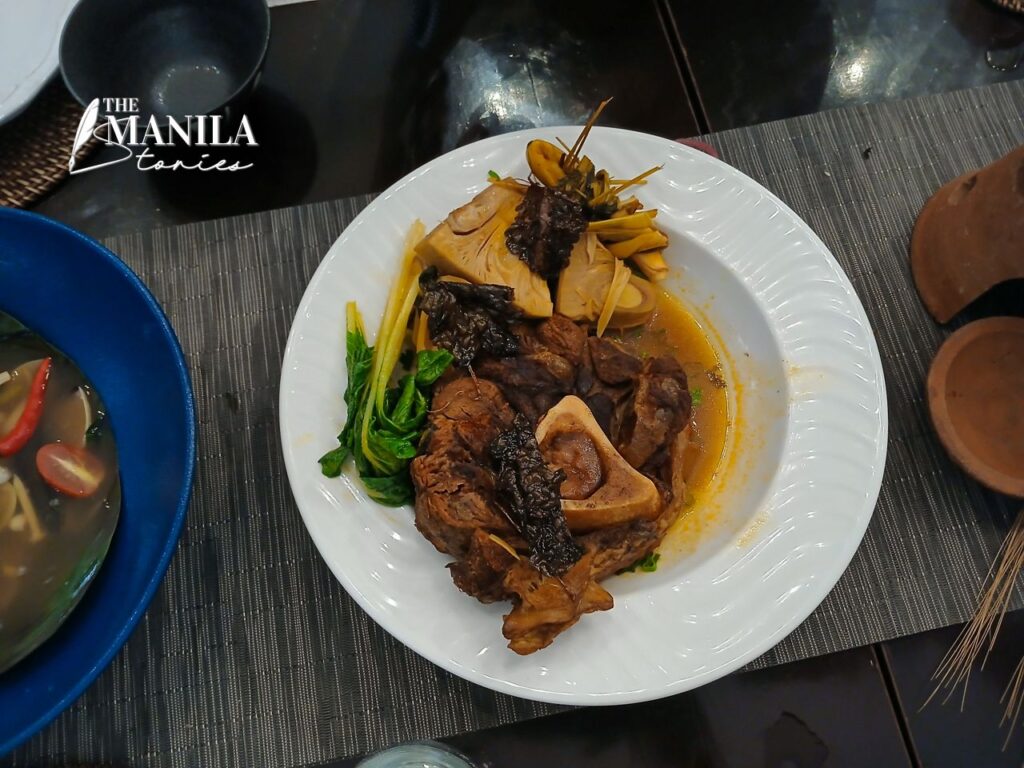
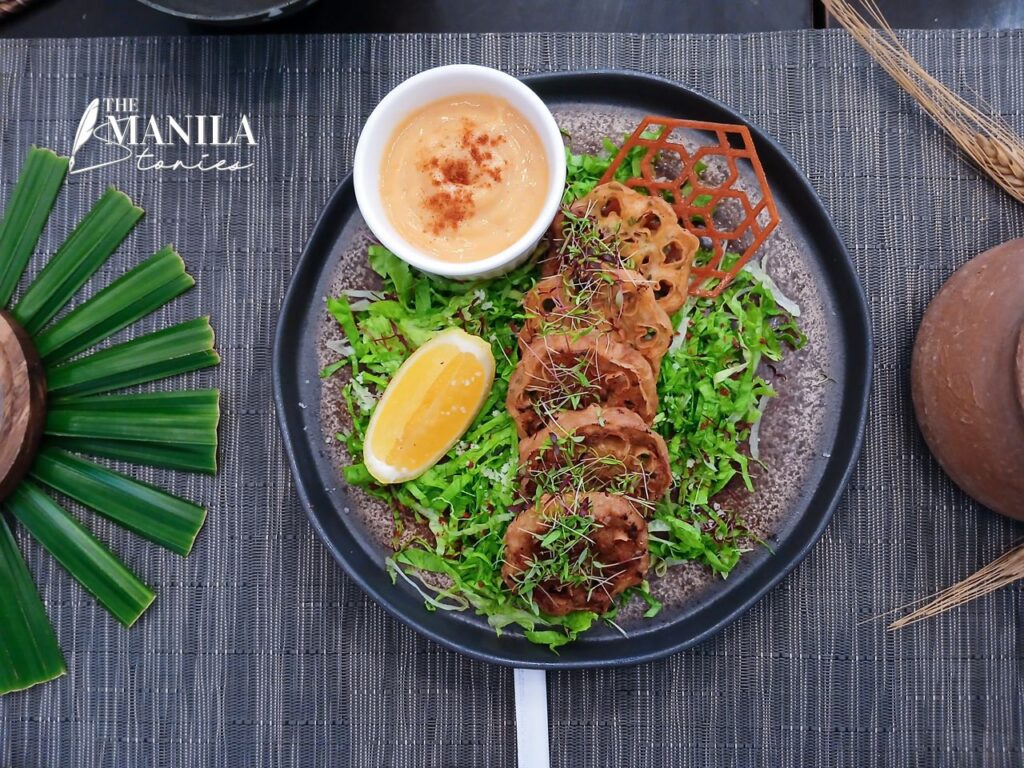
Officially designated as a UNESCO Creative City of Gastronomy, Iloilo City reigns supreme as the culinary capital of the Philippines. Yet, for Ilonggos, “good taste” is an all-encompassing philosophy that touches every facet of urban life.
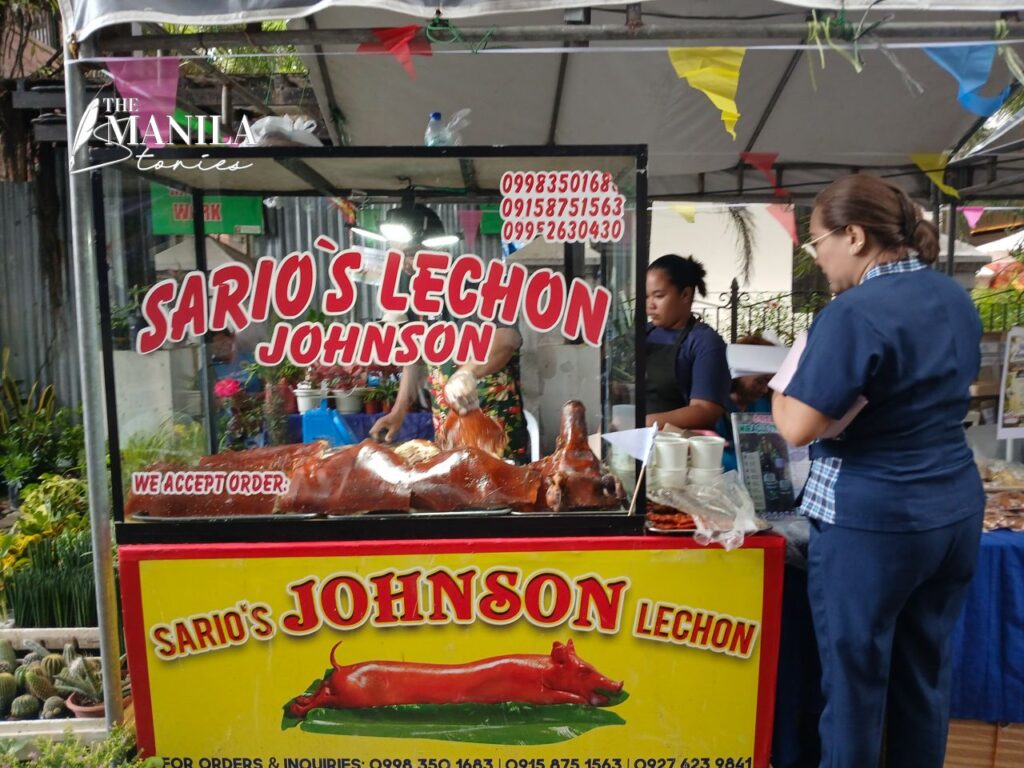
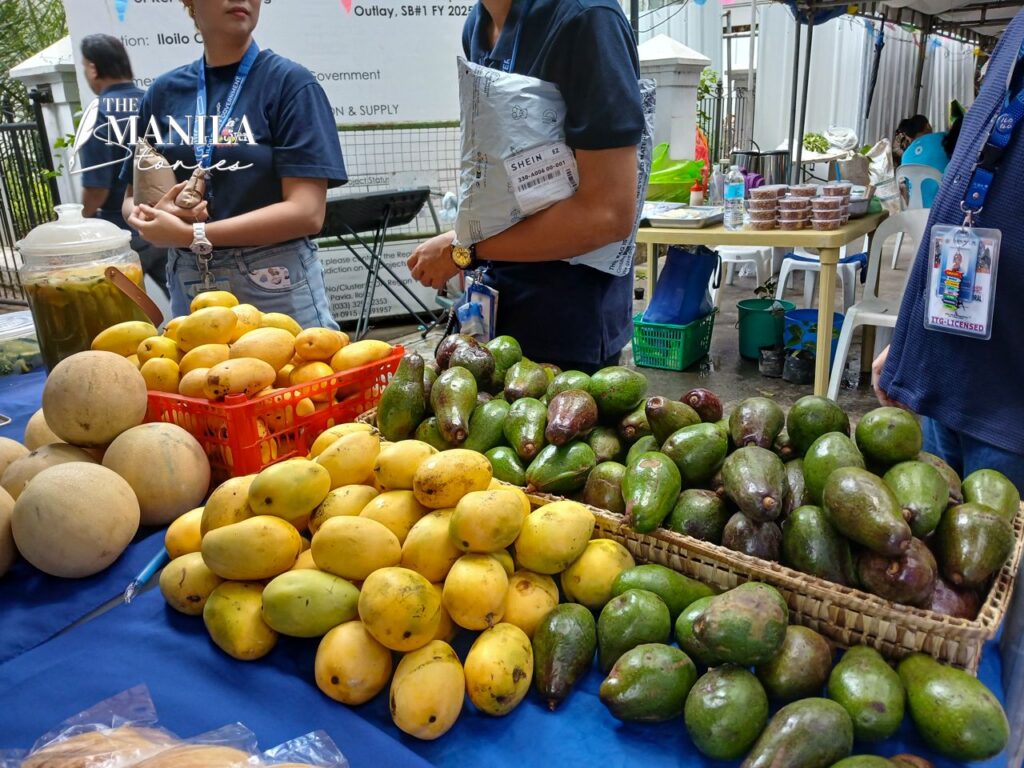
During the month-long Charter Day festivities, the city celebrated its famous flavors with free “Lutong Ilonggo” cooking classes at the Technical Institute of Iloilo City (TIIC), teaching locals and tourists how to prepare regional staples like KBL (Kadios, Baboy, Langka) and Laswa. Food festivals, pop-up cafes, and the famous Calle Real Night Market highlighted the city’s vibrant street food and coffee culture. Initiatives like the revitalized Iloilo Public Markets, along with community events like Merkado Lokal and Pangape Ta sa Merkado, provided local coffee roasters and micro-enterprises direct market access while giving visitors an authentic taste of local heritage.
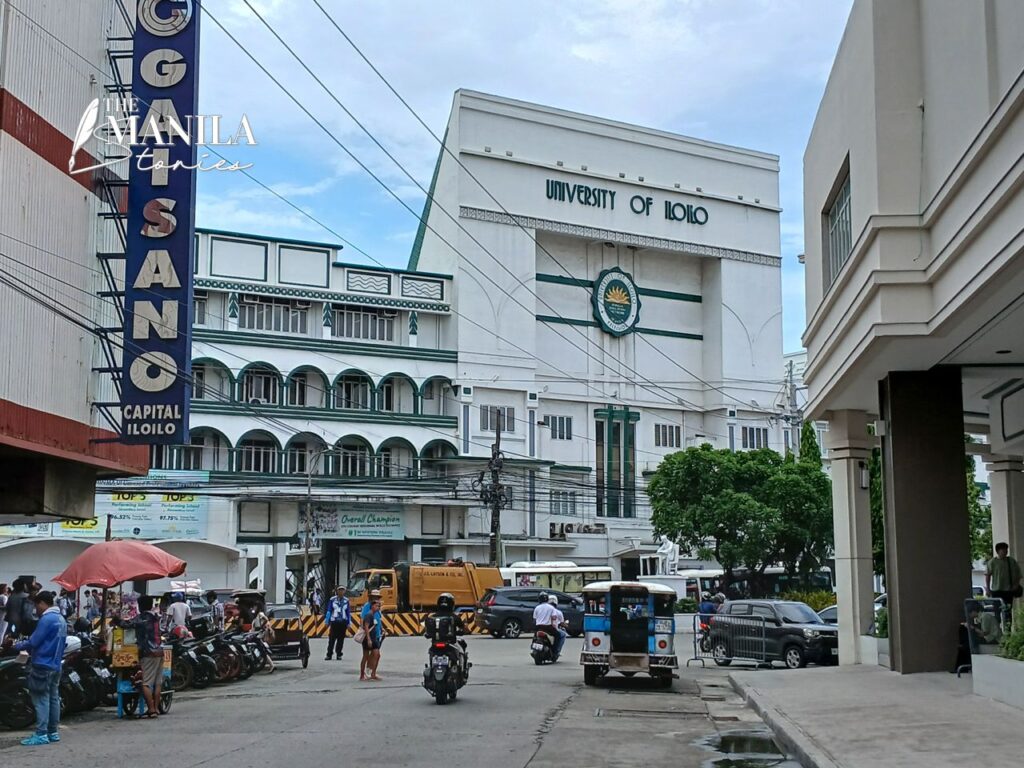
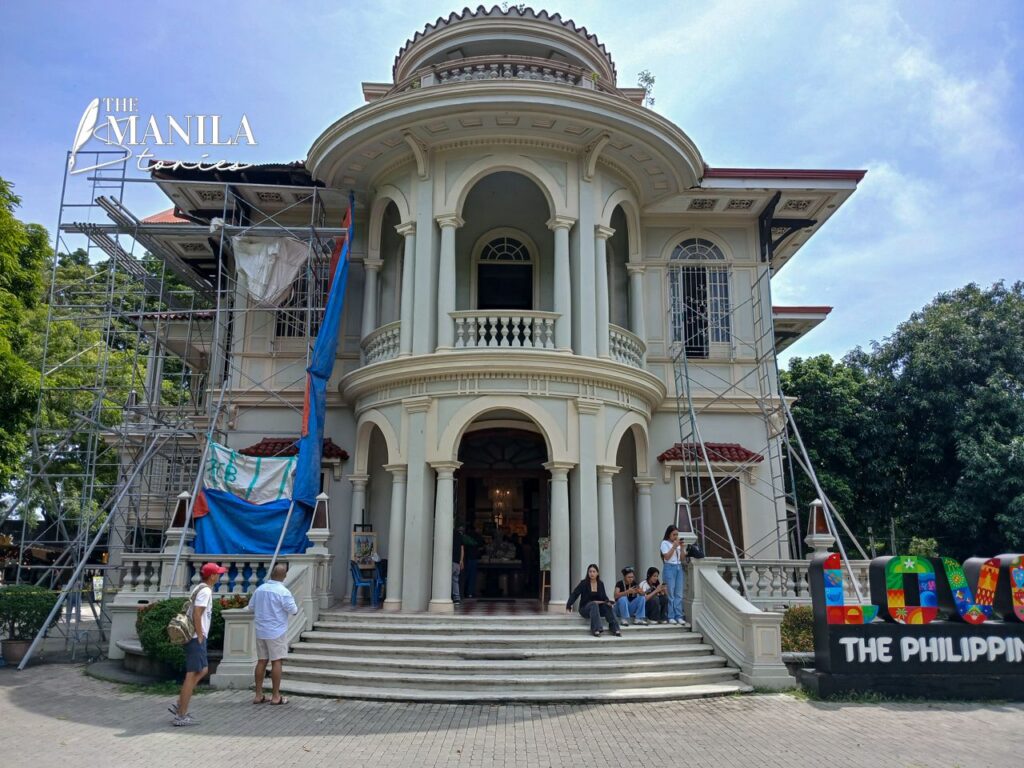
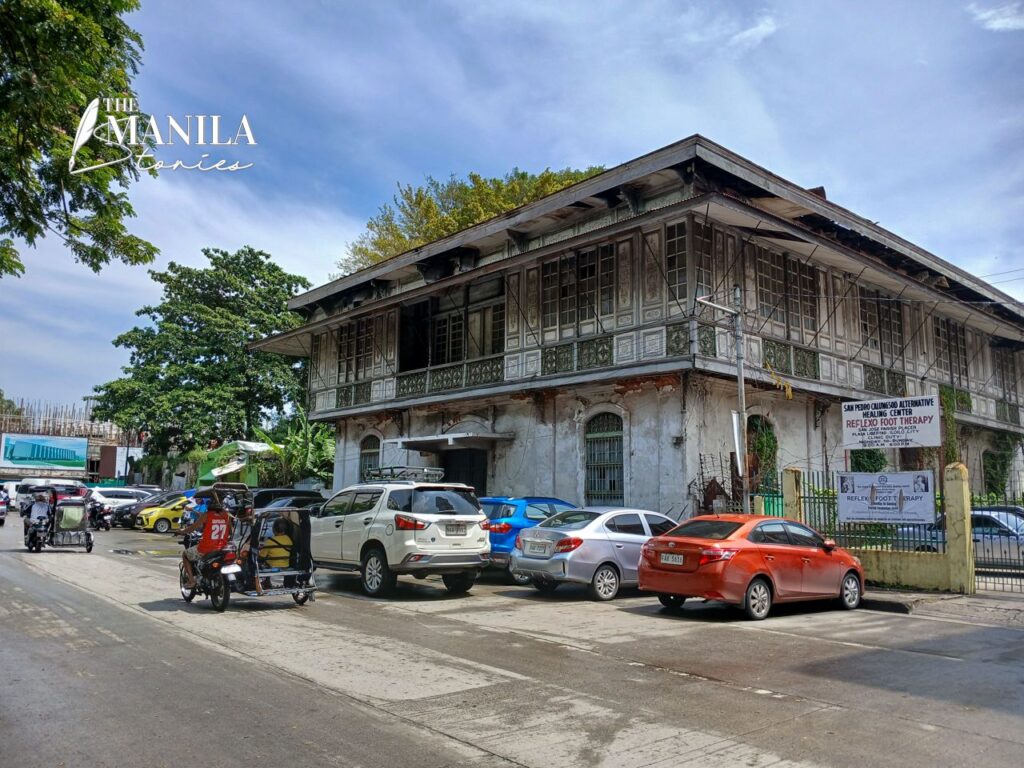
Architectural Elegance: Preserving the Past Through Adaptive Reuse
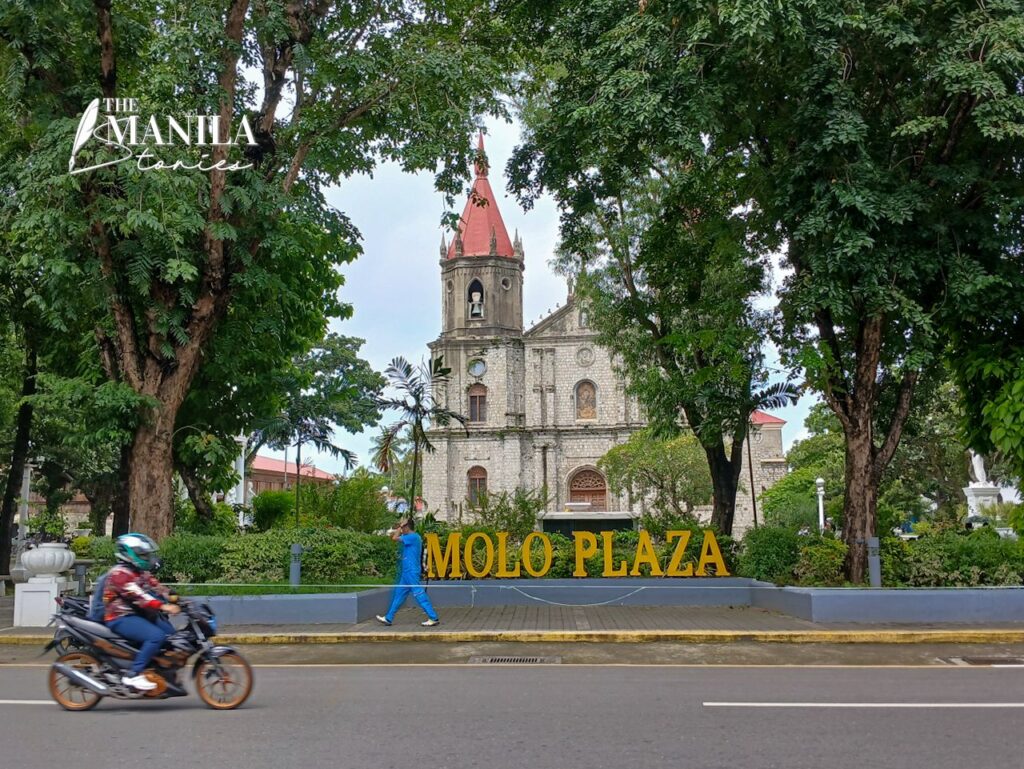
The city’s sophisticated taste is equally evident in its commitment to preserving historic structures while adapting them for the future. Tracing its roots to its 13th-century origins as Irong-Irong and its royal title “La Muy Leal y Noble Ciudad de Iloilo” granted by Spain in 1897, the metropolis takes immense pride in its architectural legacy.
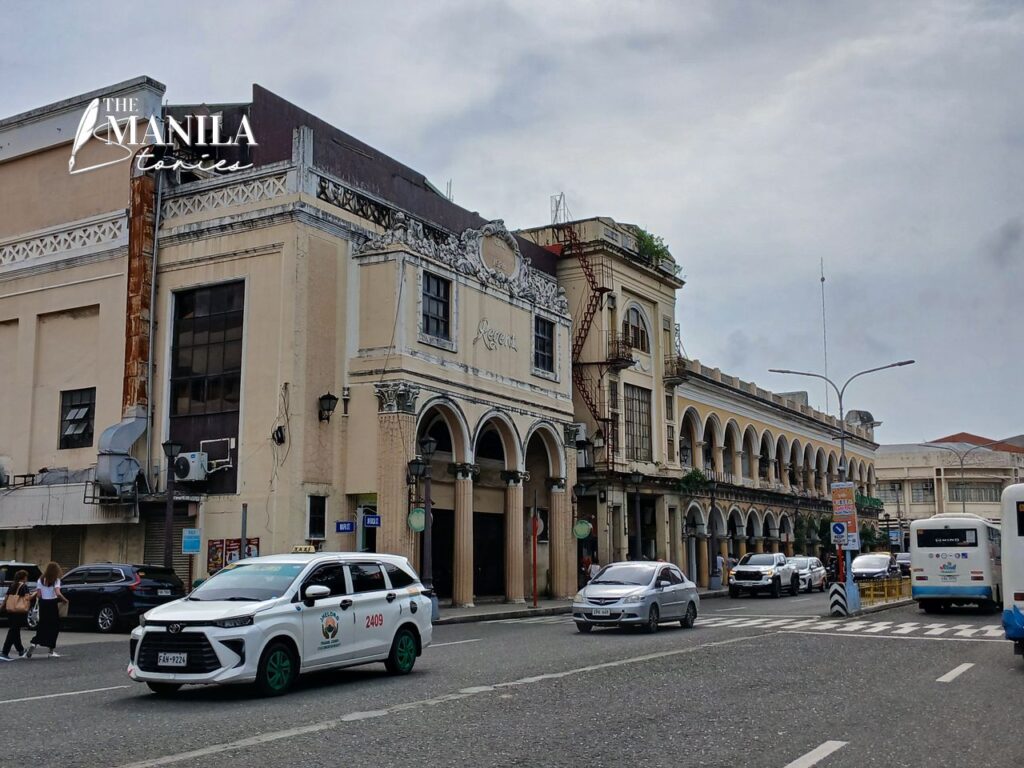
Rather than demolishing history to make way for modern concrete, Iloilo City has championed adaptive reuse. Spanish-era structures and American-period commercial edifices exist in perfect harmony with modern skylines:
- Heritage Mansions: Grand sugar baron estates have been restored into boutique hotels, art galleries, and cultural centers.
- Calle Real: Century-old commercial buildings along the historic downtown district now house modern corporate offices, retail spaces, and vibrant cafes.
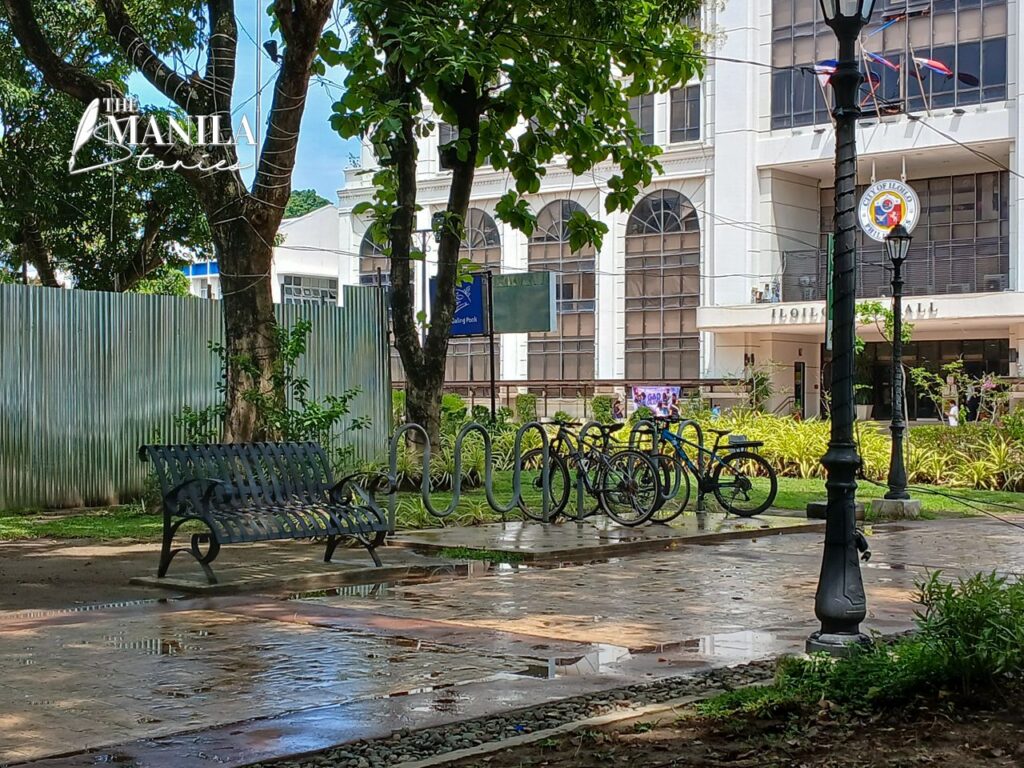
- Municipal Legacy: Historical public buildings continue to serve active community roles without losing their vintage structural integrity.
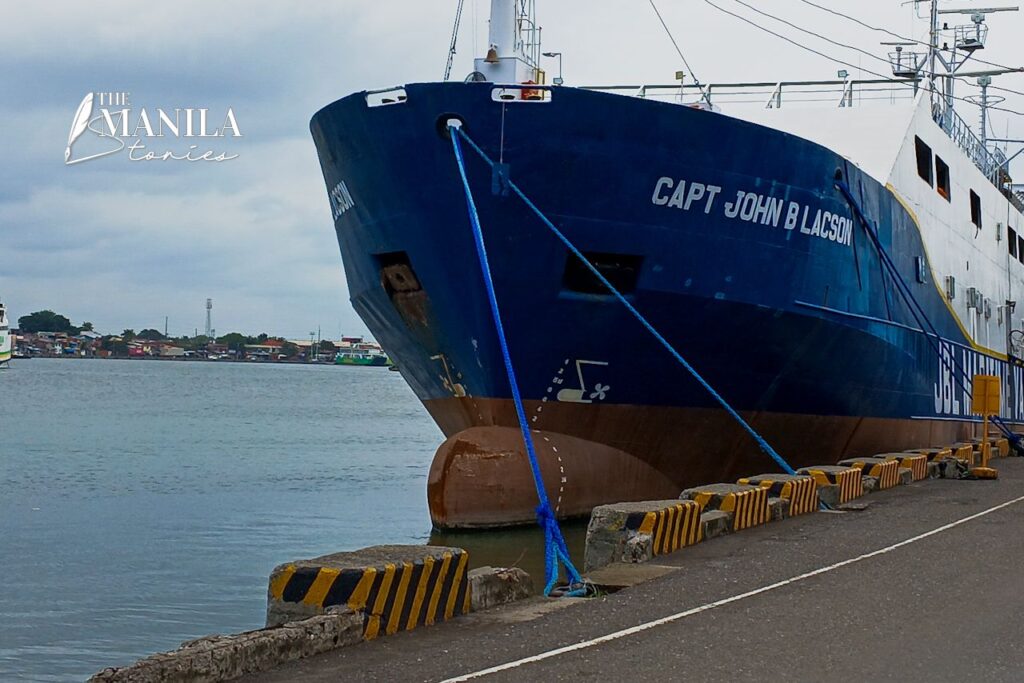
Human-Centric Infrastructure and Living Rivers
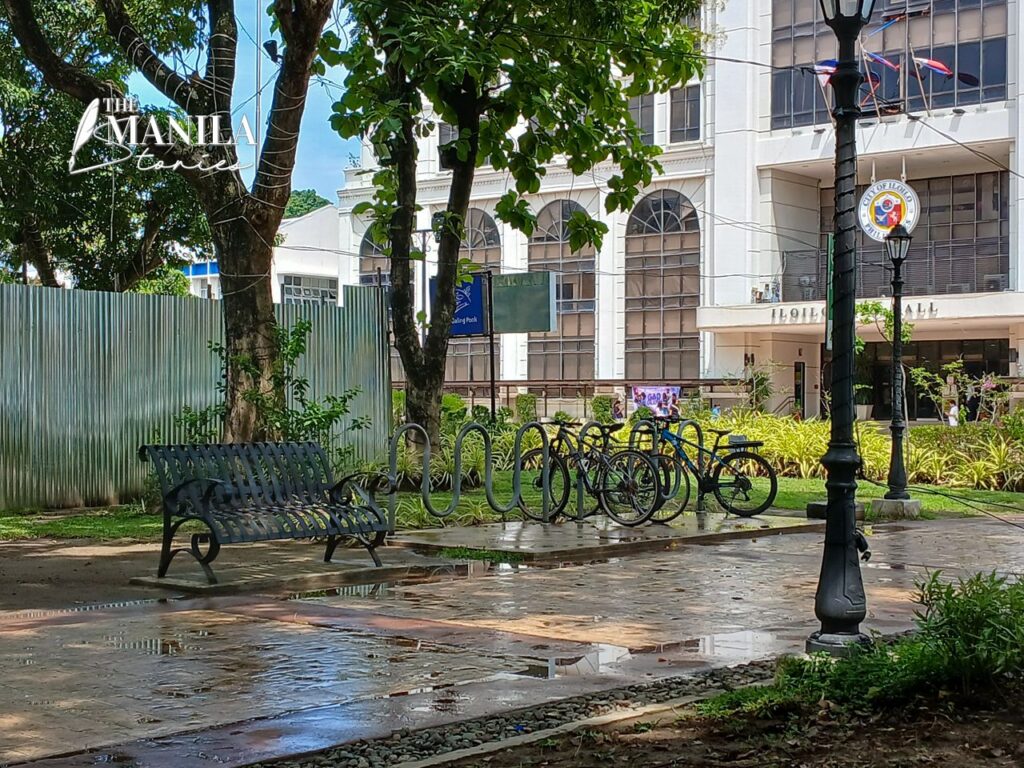
Iloilo City’s refined approach to urban planning places green mobility and safety at the forefront. Rather than designing streets exclusively for automobiles, the local government has prioritized vulnerable road users, assuring pedestrians and cyclists of safe, comfortable access across the metropolis.
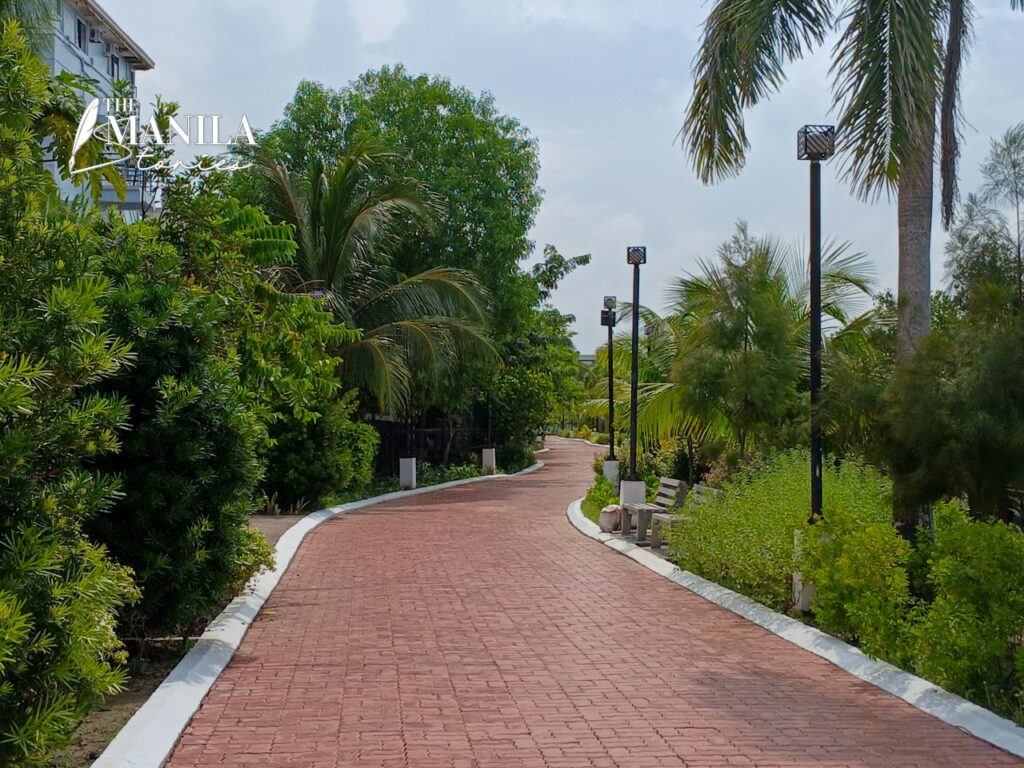
Through the world-famous Iloilo River Esplanade and an extensive network of protected bike lanes, commuters can safely ride and walk past heritage sites, lush mangrove parks, and modern commercial hubs.
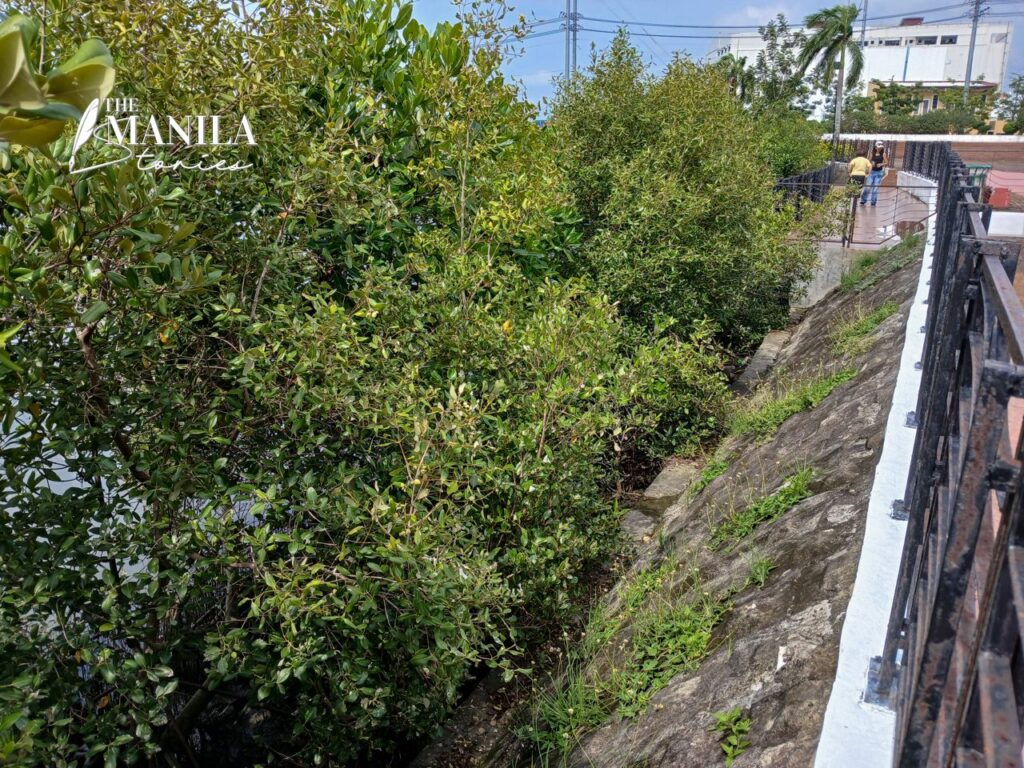
Equally critical is the city’s approach to environmental management. The flood control structures built along the Iloilo River serve a dual purpose: keeping human settlements completely flood-free while keeping the delicate aquatic bio-ecosystem alive and thriving. By integrating green engineering into flood management, the city maintains a living river system that supports biodiversity alongside urban resilience.
A Vibrant Month of Community and Cultural Honors
The 89th Charter Day celebration brought together community spirit, public service, and sports across every district:
- Public Services: A Mobile Civil Registration Caravan at Plaza Libertad offered free vital statistics services, while jobseekers accessed opportunities at the Public Employment Service Office (PESO) Job Fair at Robinsons Place Iloilo.
- Arts & Culture: The National Commission for Culture and the Arts (NCCA) supported the “HÁNAG” art exhibit at SM City Iloilo, while West Visayas State University (WVSU) hosted the Saot Ilonggo Dance Competition, GIG: RISE UP, and the “Voices that Matter” public speaking showcase.
- Athletic Tournaments: Sports events spanned volleyball, football, swimming, table tennis, billiards, pickleball, skateboarding, paddling, and traditional martial arts (Sambuwa Arnis, Pencak Silat, Taekwondo, Karatedo, and Boxing).
The festivities culminated on August 25 with the prestigious Mayor’s Night, where the city presented the Top 10 Outstanding Ilonggos Award to recognize individuals who have made exemplary contributions to local development. Through historical preservation, human-centered infrastructure, ecological balance, and culinary excellence, Iloilo City continues to prove why 89 years of progress is truly built on good taste.