
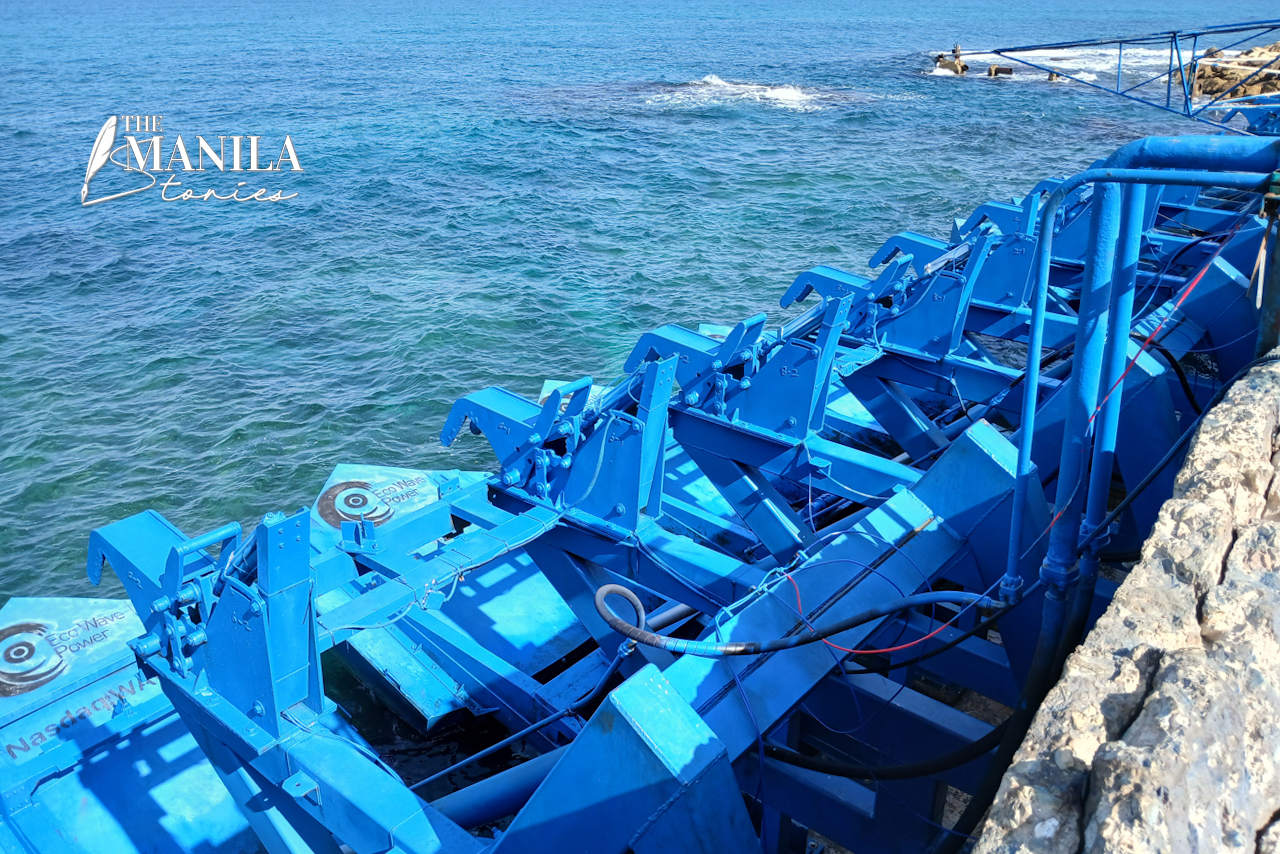
Waves crash hard against the shore, and they carry raw energy. A new technology transforms these coastal waves into clean, shore-connected power.
Eco Wave Power turns ocean tides into green energy. Israeli technology operates directly along the coastline. It hooks directly onto piers and breakwaters. Now, this clean energy can power Philippine city ports and rural island communities.
“Eco Wave Power’s mission is to assist in the fight against climate change by enabling commercial power production from the ocean and sea waves,” said Inna Braverman, Founder and CEO of Eco Wave Power.
A technology that fits well in a Philippine setup
The country has over 36,000 kilometers of coastline. Strong waves hit the shore daily. Major ports line the cities. Isolated villages sit on tiny islands. Import costs for diesel fuel run high. Wave energy provides a steady fix.
Inna Braverman and David Leb founded Eco Wave Power in 2011. They built the system to survive the open sea.
Steel floaters attach to existing sea structures. Ocean waves push the floaters up and down. This action moves hydraulic arms. The arms press fluid into land accumulators. Fluid pressure turns a generator on land. Clean power flows out. The fluid loops back into a sealed tank.
The main computer and energy hardware rest safely on dry land. Nothing sits on the sensitive ocean floor.
“Wave energy is one of the largest renewable energy sources that exists,” Braverman said. “With wave energy, you can generate around the clock.”
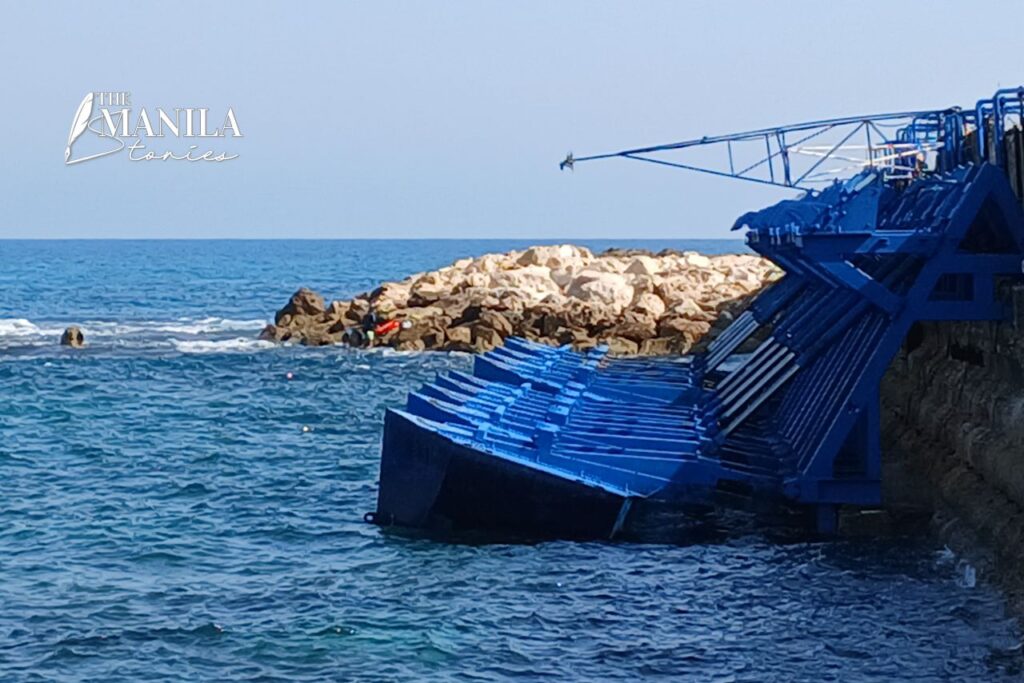
The company tested its pilot grid in Gibraltar for six years. It currently operates a grid-connected station at Jaffa Port in Israel. The small station supplies 100kW with almost 10 floaters. It also runs a pilot at the Port of Los Angeles. A major Megawatt commercial project is being built in Portugal.
Municipalities can use this system today
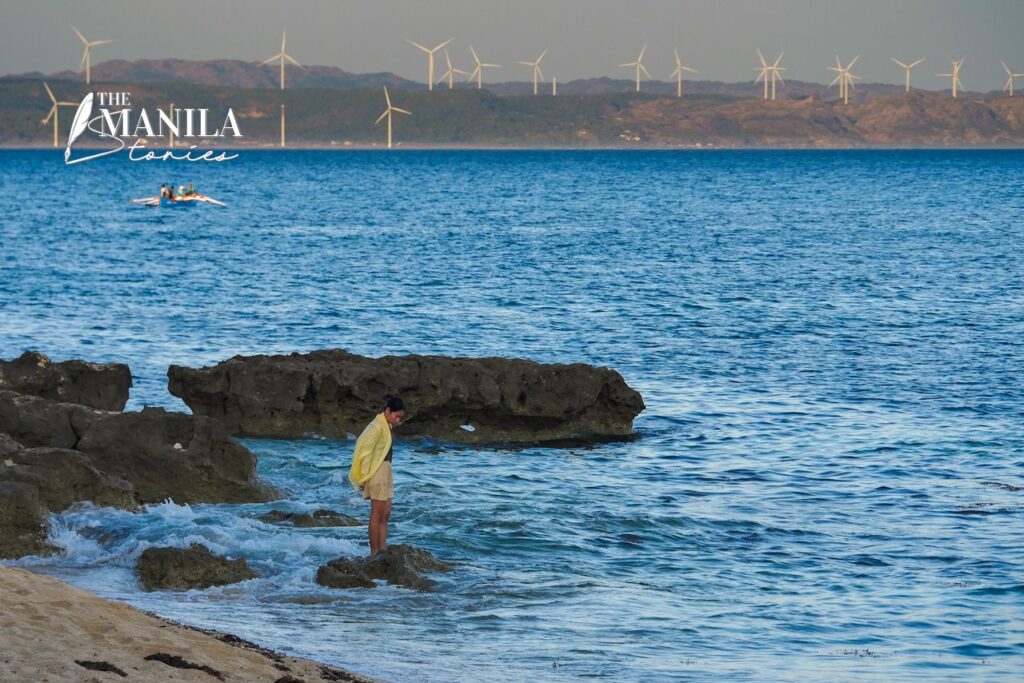
In cities and major ports, there is a need for power. Manila, Batangas, and Cebu have concrete breakwaters. The Ilocos Norte region also stands out as a potential site. Coastal towns in Ilocos Norte could use wave floaters along their rocky shorelines. This shoreline setup could replace environmentally harmful wind turbines near Pagudpud. Their existing wind turbines are old technology. Offshore turbine installations and deep underwater foundations can disrupt delicate marine ecosystems. Onshore wave floaters avoid underwater digging entirely.
Wave energy works well alongside solar farms. Solar power produces energy during bright daylight hours. Cloud cover, heavy rain, and nightfall stop solar production. Ocean waves roll day and night continuously. Combining wave floaters with solar panels creates a balanced hybrid power site. Solar panels supply peak daytime power. Wave floaters fill the gaps when the sun sets. This partnership keeps the local power flow steady.
In rural areas, distant islands lack stability. Fossil fuel generators cost too much to run. Wave floaters supply steady current to small island grids.
“Seeing the rehabilitation works officially commence is an important step forward for our project,” Braverman said. “Wave energy is moving from concept to reality.”
The Philippine government supports clean power through the Renewable Energy Act. The policy offers tax breaks for green projects. Local government units can fund projects directly. Port authorities can sign private power deals. Resorts can run independent systems.
The tech guards the marine environment. Floaters sit right on the surface. Workers perform no seabed drilling. Coral reefs stay safe. Fish habitats suffer no disturbance.
Typhoons strike the Philippines often. Eco Wave Power designs systems for extreme storms. Smart sensors track wave height. Waves over four meters trigger safety locks. Floaters rise out of the water automatically. They lock high against the concrete wall. Storm waves pass under the gear safely. Tsunami surges pass through without breaking steel.
The storm clears. Waves calm down. Floaters drop back down into the sea. Power generation starts up again.
Interested agencies can reach out directly.
You can visit Eco Wave Power online. Inquiries can be emailed to info@ecowavepower.com. Their main office takes calls at +972-3-509-4017.