
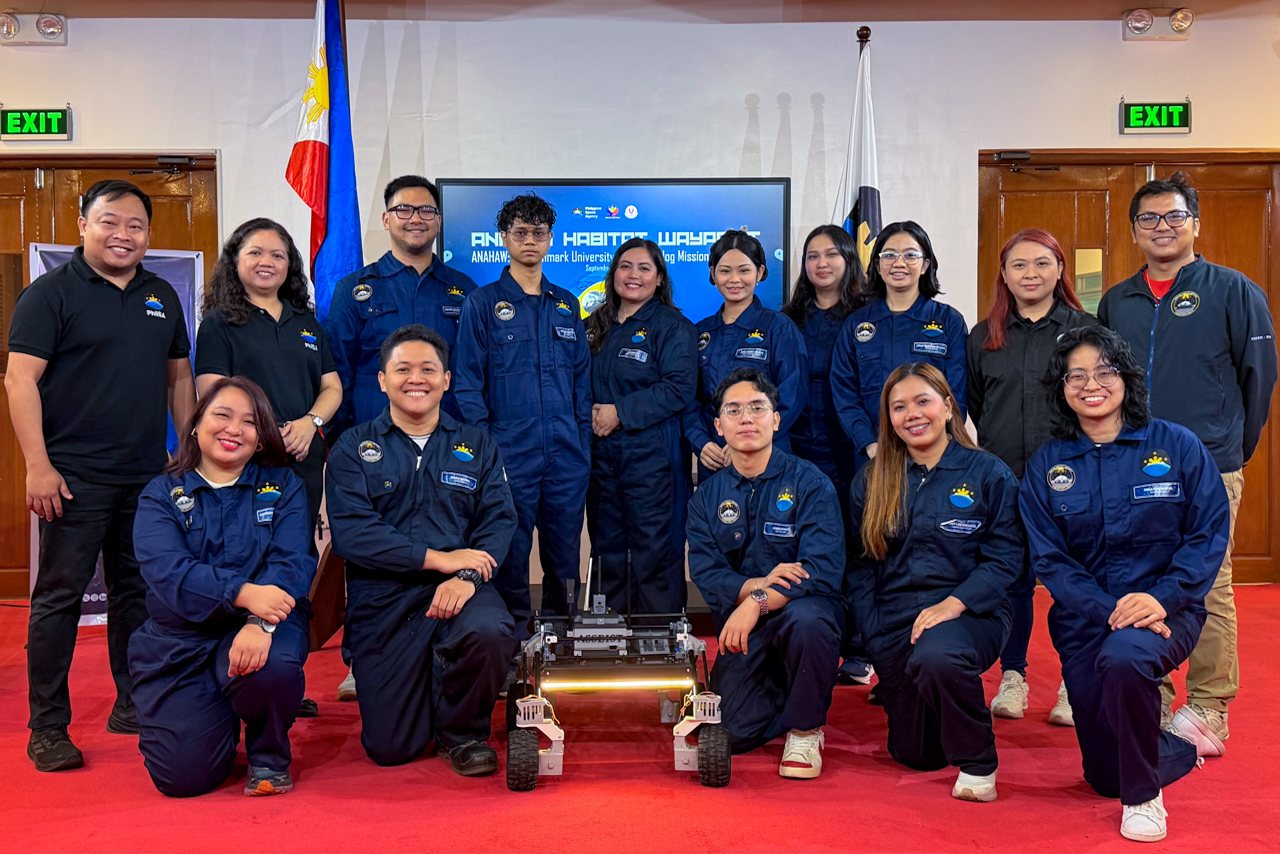
An all-Filipino crew completed a simulated space mission on Sept. 26. The Philippine Space Agency (PhilSA) led the project. It was the first Analog Habitat Waypoint mission. The team called the project the ANAHAW mission.
The mission lasted 24 hours. It took place at the Batangas State University Alangilan Campus. The school is also known as the National Engineering University. Batangas State University served as a partner for the study. The project acted as a model for future university space tests.
Analog space missions test life on Earth before real spaceflight. They recreate habitats on the Moon or Mars. Researchers test tools in these environments. Crews practice operations and study teamwork. They build readiness for extreme space conditions.
The Batangas facility recreated a lunar base. The team faced severe isolation. Resources were strictly limited. Communication delays simulated deep space. The crew managed many unexpected problems.
Six members lived inside the habitat. They came from diverse professional backgrounds. Suguru Vaughn Hernandez served as mission commander. Nathaniel Macato acted as flight engineer. Bianca Angeline Alcantara worked as a mission scientist. Yzhae Marrione Villaruel also served as a mission scientist.
Jeremaine Ko was the communications officer. Mary Audrey Amorao served as the health specialist.
A ground crew offered full support from mission control. Leemar Bonite directed the flight operations. Cindy Lou Macahilos was the capsule communicator. Angelo Manigo worked as a science technical officer. Catherine Raisa Mandigma also served as a technical officer. Erica Mae Santos also joined as a technical officer.
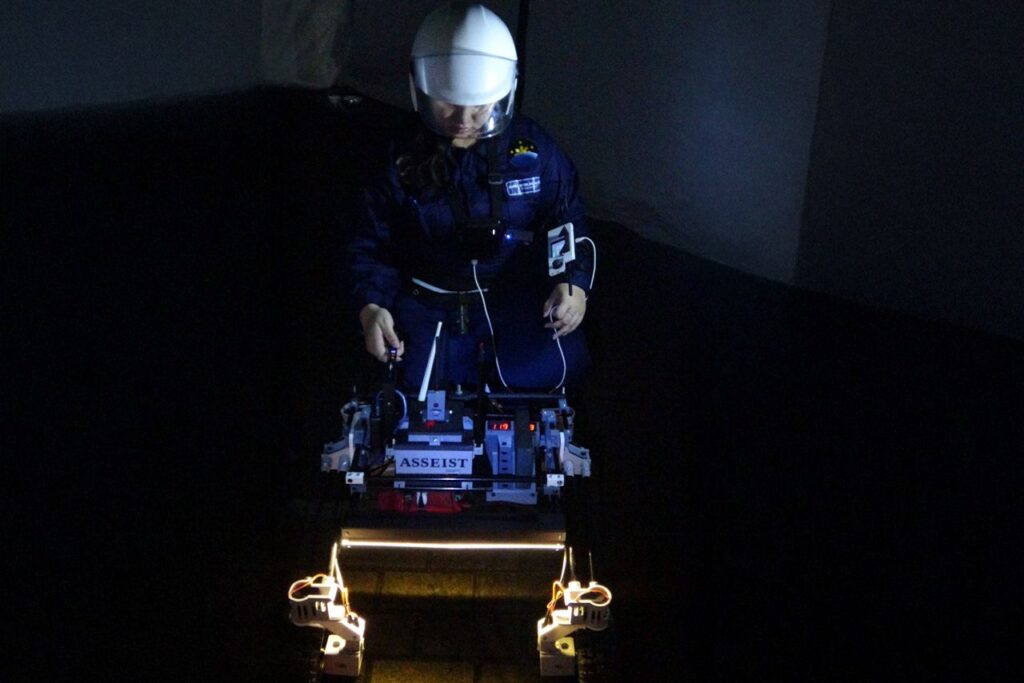
The crew ran many scientific tests. They worked directly with advanced rovers. The team studied human-robot cooperation. They tested a welfare mentoring system for the crew. The crew simulated emergency responses. Members collected bacterial samples from habitat surfaces. They also tested the growth of local food crops.
All participants completed a six-part training series earlier this year. The course taught basic analog concepts. Participants finished an assessment and group pitch. They proved their technical knowledge and team skills.
Kristine Atienza guided the team. She was the first Filipino analog astronaut. Atienza helped design the mission goals. She ran training sessions for the group. She mentored the crew during the project.
The test built vital national space capabilities. The Philippines gained insights into mission design. Researchers learned how to build better habitats. The data will create a framework for future tests. It supports local human spaceflight systems.
The space agency wants to expand the program. It plans to involve more local universities. Schools will share facilities and knowledge. This cooperation will build the national space network.
Philippine Space Agency Acting Director General Gay Jane Perez spoke about the future.
“Over time, we hope to build the Philippines into a regional hub for analog missions, a place where people can come together to train, conduct research, and cultivate the knowledge and skills needed for human spaceflight. What begins here as a scientific experiment can grow into something larger: a community, a national capability, and new opportunities for the Philippine space sector,” said PhilSA Acting Director General Gay Jane Perez.
Perez emphasized that the journey is just beginning.
“That journey continues with our first all-Filipino analog mission team. PhilSA intends to build on this by bringing together more universities, researchers, students, and professionals to conduct analog missions, develop experiments, test technologies, and learn from one another,” said DG Perez.
The ANAHAW mission is part of a larger plan. The country aims to send Filipinos into space. The project moves from Earth tests to real spaceflight. Future phases include candidate selection and astronaut training.
President Ferdinand R. Marcos Jr. met space officials on Sept. 24. He spoke with analog astronauts and agency leaders at Malacañang Palace. They discussed future space initiatives and national preparations.
President Marcos expressed confidence in the national program.
“Our Filipino analog astronauts are already testing here on Earth what it takes to live and work beyond it. I look forward to the day when a Filipino takes that science all the way to space,” said President Ferdinand R. Marcos Jr., after he met Filipino analog astronauts and PhilSA on 24 September 2026 to discuss the country’s initiatives on analog missions, human spaceflight preparations, and efforts to develop Filipino capabilities for future space exploration.
Several Filipino astronauts have trained abroad. Kristine Jane Atienza, Dr. Marvic Jon Alcantara, Florence Pauline Basubas, and Dr. Mark Angelo Purio completed overseas missions. They joined tests at HI-SEAS in Hawaii. They trained at the LunAres facility in Poland. They joined the Monsaraz mission in Portugal. They also finished the ADAMA mission in Australia.
These veterans brought critical knowledge back home. They studied crew operations and habitat hardware. They gained insights into isolation and space stress. Now they mentor new local recruits. They promote space science across the country.
The Philippine Space Agency remains the central space authority. Republic Act No. 11363 created the agency in August 2019. The law is also known as the Philippine Space Act. The agency works directly under the Office of the President. It leads national space policy and technology development.