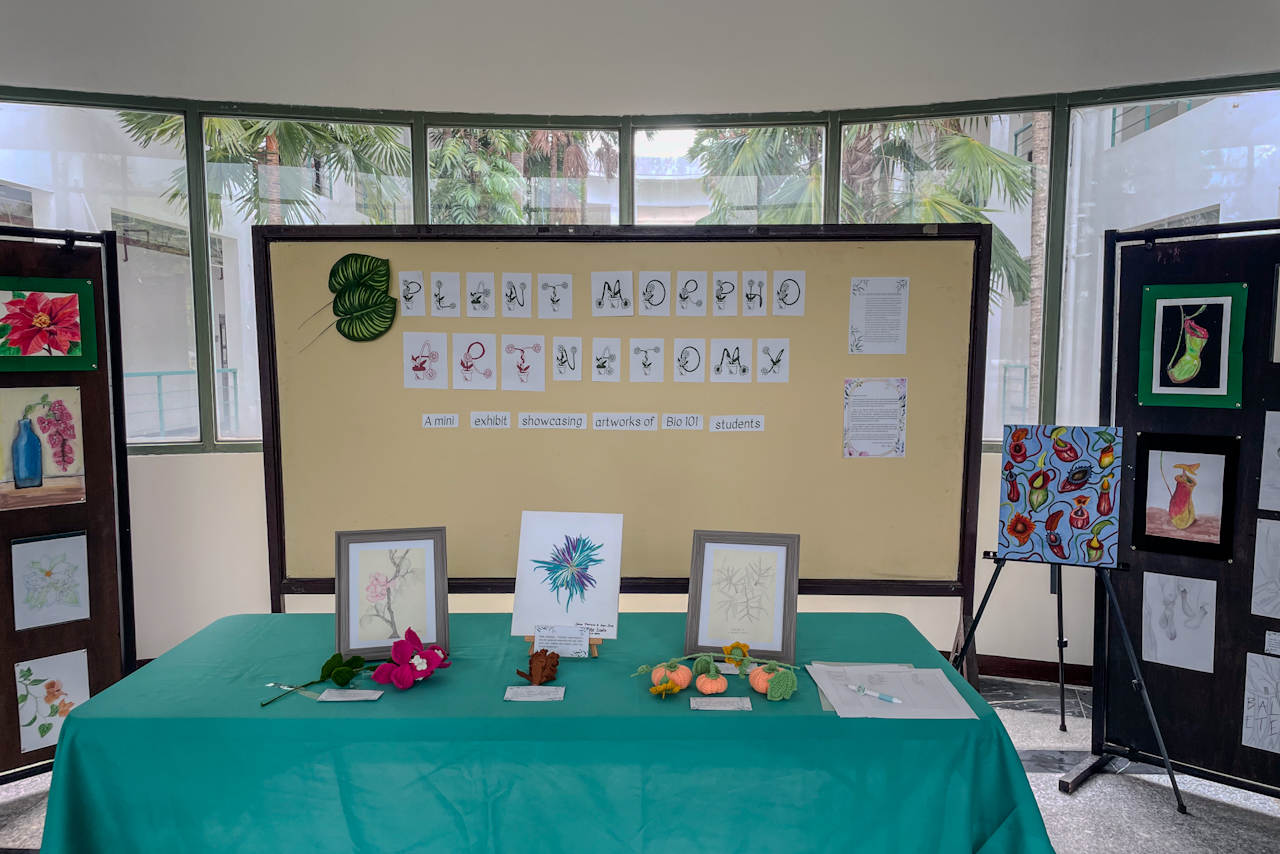
University of the Philippines Diliman biology students are showcasing the intersection of science and creativity. The Institute of Biology hosted the “Plant Morpho-ARTnatomy” exhibition this May. The show features plant specimens rendered in various media.
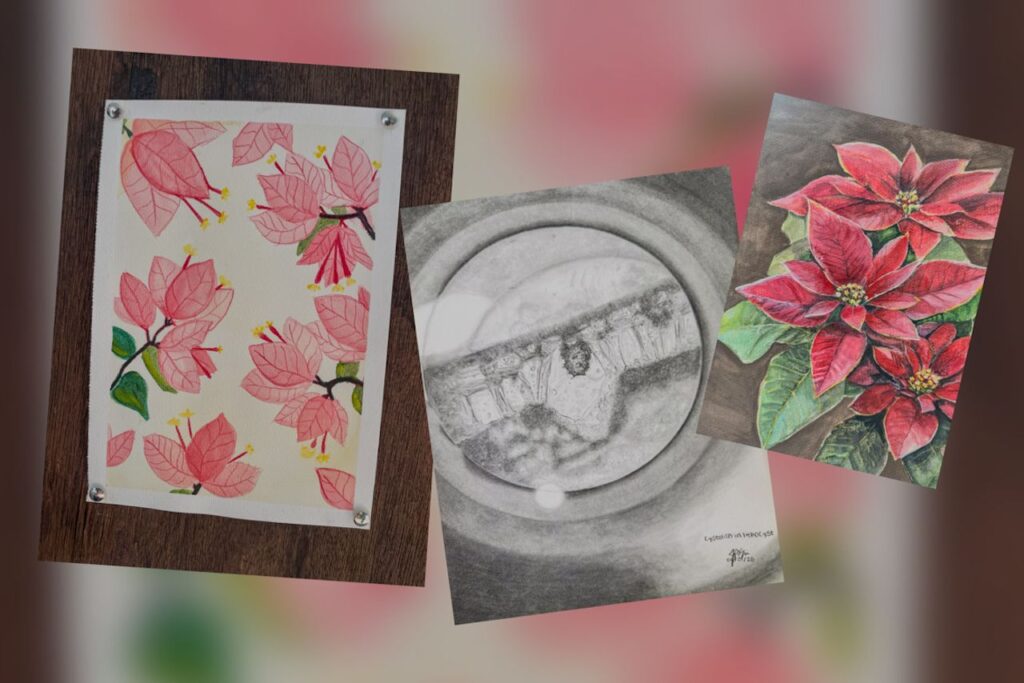
Students used charcoal, watercolor, pencil, acrylic, oil, and pastel. They worked on surfaces like canvas, wood, and paper. The pieces highlight plant structures like ferns, pitcher plants, and microscopic tissues.
Dr. Erika Marie Bascos leads the Biology 101 course. She said her own love for painting inspired the project.
“During the pandemic, my kids encouraged me to start painting,” Bascos said. “I found it relaxing and helpful for anxiety, and it came naturally to me given my background in teaching drawing-based courses.”
Bascos noticed students were already highly skilled at drawing study plates for class. This observation led her to propose the exhibition.
“I was surprised that so many students submitted, and that they each had different styles—some were crocheting, others made 3D works, and some used clay,” she said. “What stood out to me was how patient they were. One student even said, ‘Ma’am, I can’t do it,’ but in the end, his work turned out to be one of the best.”
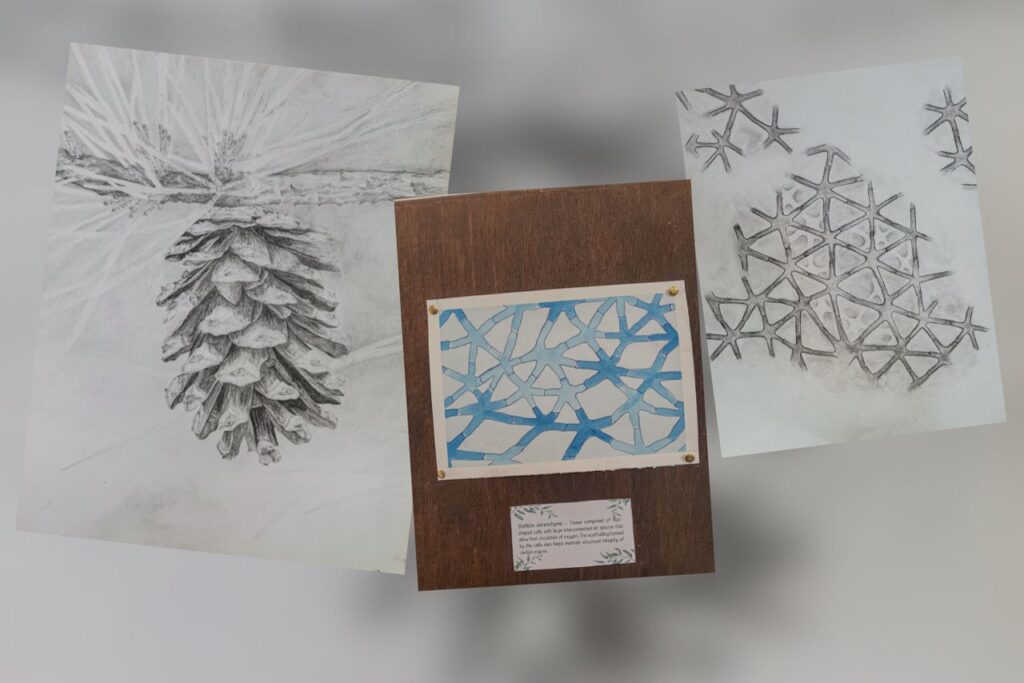
Student Janine Patricia Omalin displayed a drawing of a shortleaf pine. “I’ve been drawing ever since I was a kid,” Omalin said. “I made it during my break.”
Althea Bernice Javier, another student, painted star-shaped aerenchyma cells. “It’s my first time painting,” Javier said. “I used to draw before, but this is my first time to paint. It was good to have the experience.”
Bascos believes the project helps students explore new career paths. “Some of them may also want to become scientific illustrators,” she said. “That would be great because they already have a background in art, and they understand morphology and anatomy as students of biology.”
Many students plan to donate their works to the Institute of Biology. These pieces will serve as teaching aids for future classes.
“What they produced was more than just artwork—it was proof that science and art can beautifully coexist,” Bascos said.
The exhibit remains open to the public at the Institute of Biology until July 24, 2026.