
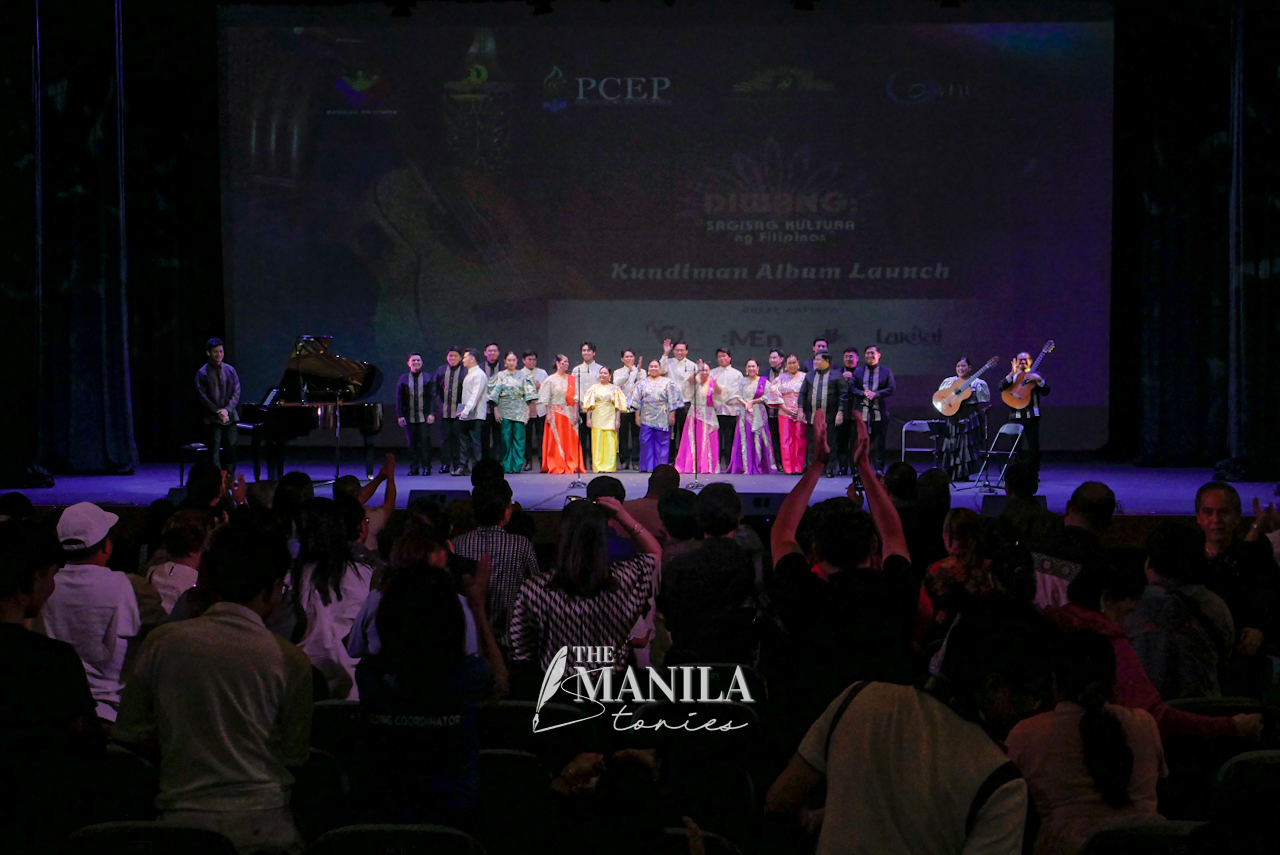
The National Commission for Culture and the Arts launched a landmark album celebrating classic Philippine music. An official program for the Diwang which is an album launch of the new Kundiman. The presentation was held on 05 November at the Metropolitan Theater.
It highlights a new Kundiman, a traditional genre of Filipino art songs and romantic ballads. These compositions feature smooth melodies, melancholy tones, and themes of devotion.
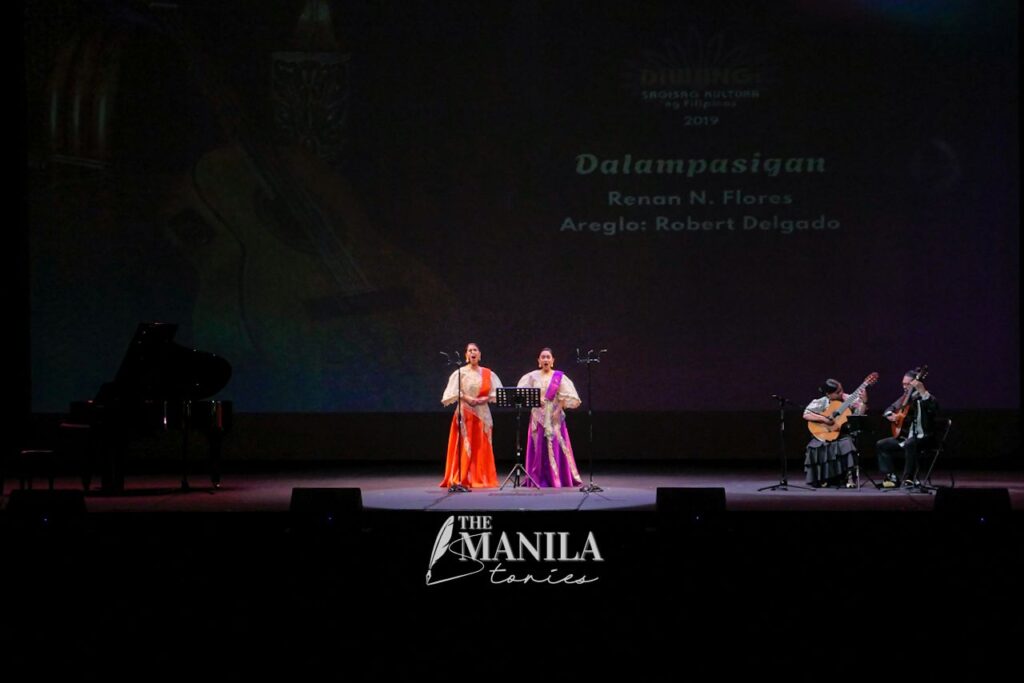
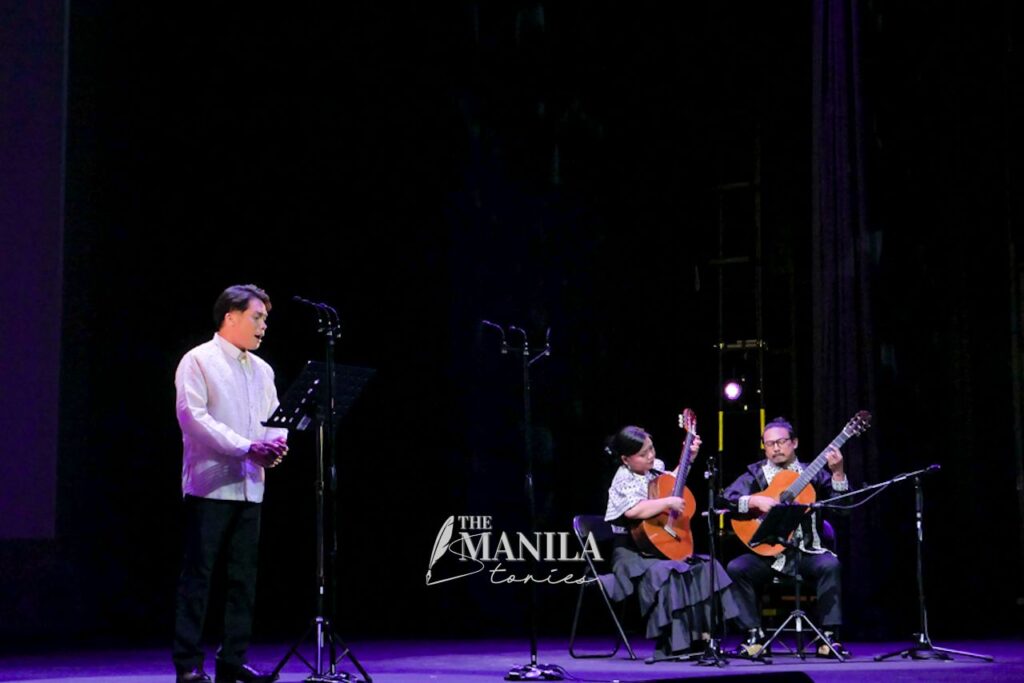
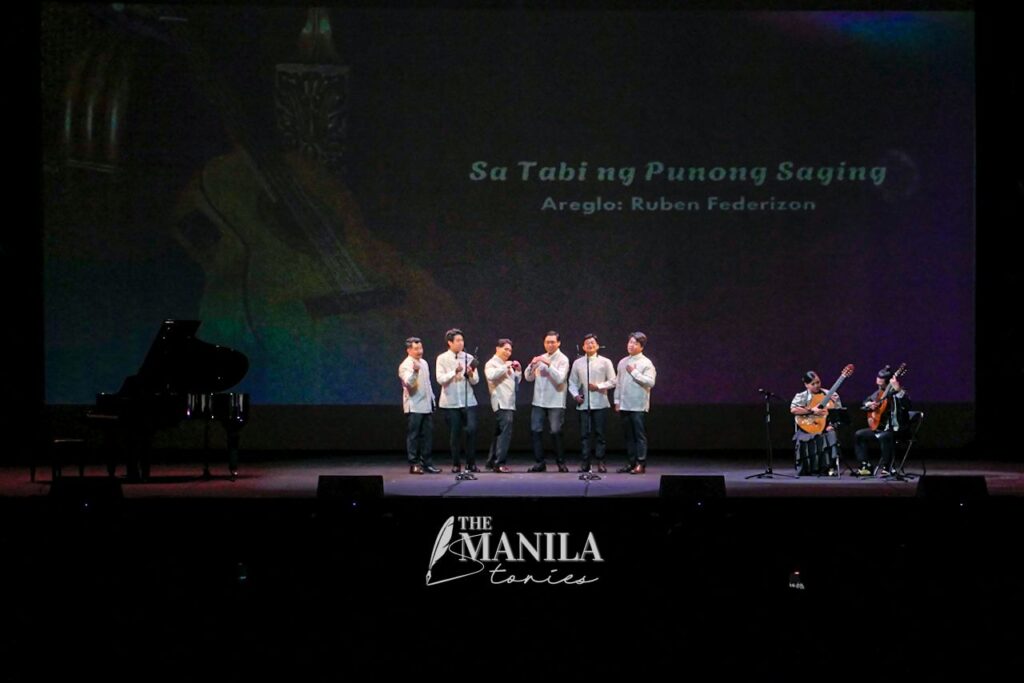
The album stems directly from a national cultural competition. The Philippine Cultural Education Program organized the event in partnership with the Department of Education. The competition fell under the flagship DIWANG: Sagisag Kultura ng Filipinas initiative.
Filipino songwriters and artists submitted original arrangements and interpretations. Judges selected the top musical entries from the submissions. The project organizers produced the chosen songs into tracks.
“This album preserves our musical heritage for future generations,” said Joseph Cristobal, director of the Philippine Cultural Education Program. “It transforms traditional art songs into vibrant tools for national cultural education.”The album launch brought competition winners and guest vocalists together on stage. Accompanied with pianists and Rondalla performers delivered live renditions of the recorded tracks. The venue added historical weight to the event. Architect Juan M. Arellano designed the Metropolitan Theater, which opened in 1931. The Art Deco landmark serves as a primary home for Philippine performing arts.
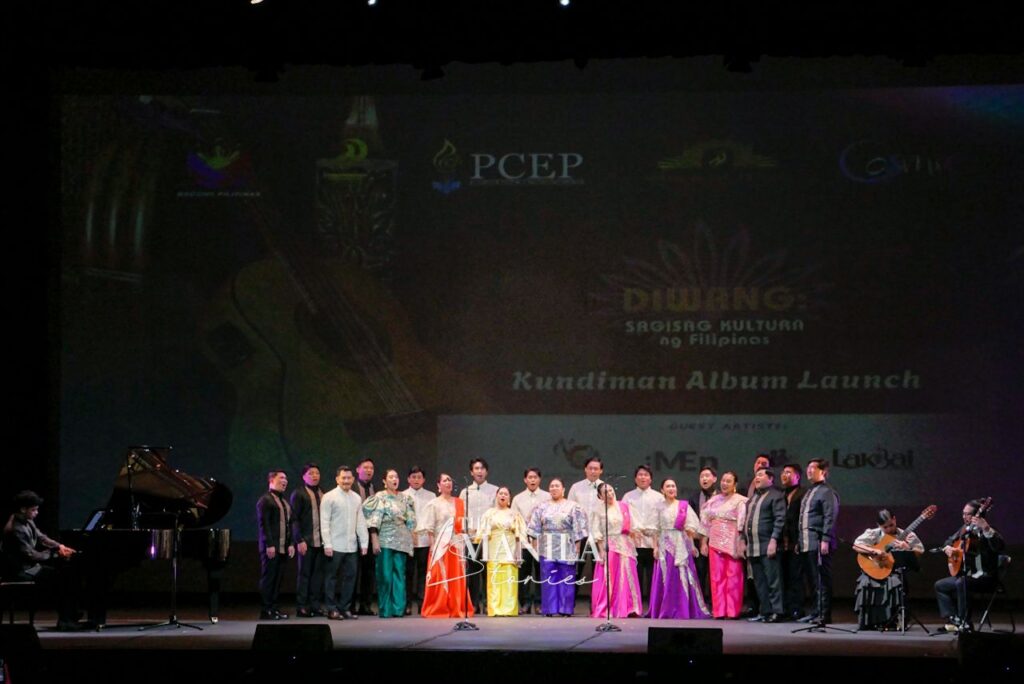
The album launch brought competition winners and guest vocalists together on stage. Accompanied with pianists and Rondalla performers delivered live renditions of the recorded tracks. The venue added historical weight to the event. Architect Juan M. Arellano designed the Metropolitan Theater, which opened in 1931. The Art Deco landmark serves as a primary home for Philippine performing arts.
“Bringing these historic melodies back to the Met honors our ancestors,” Cristobal said. “The venue connects our rich artistic past directly to our present showcase.”
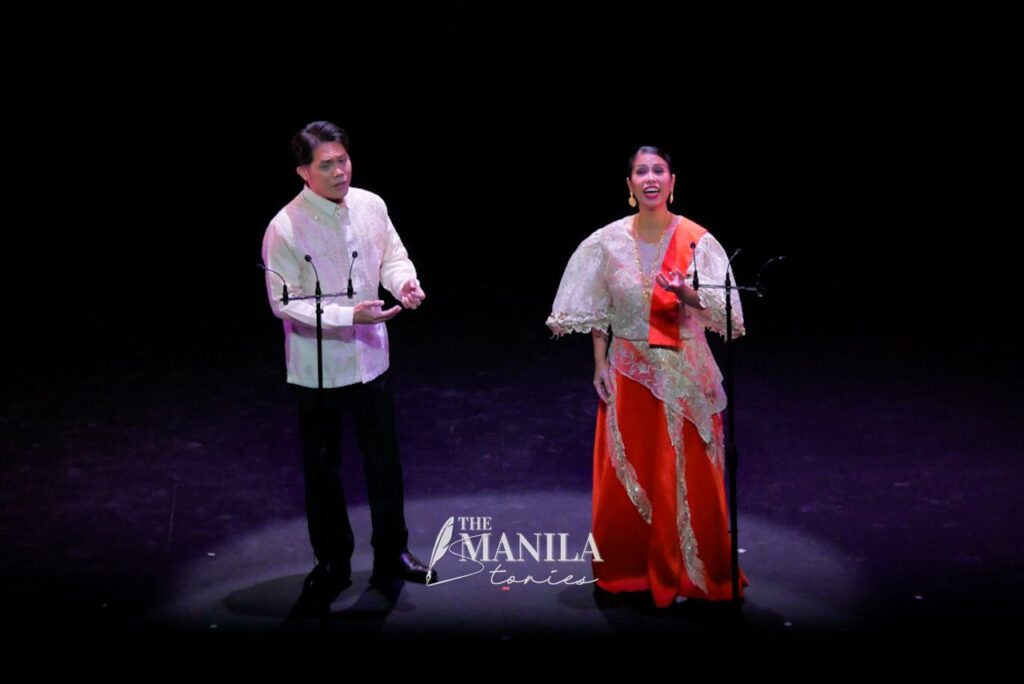
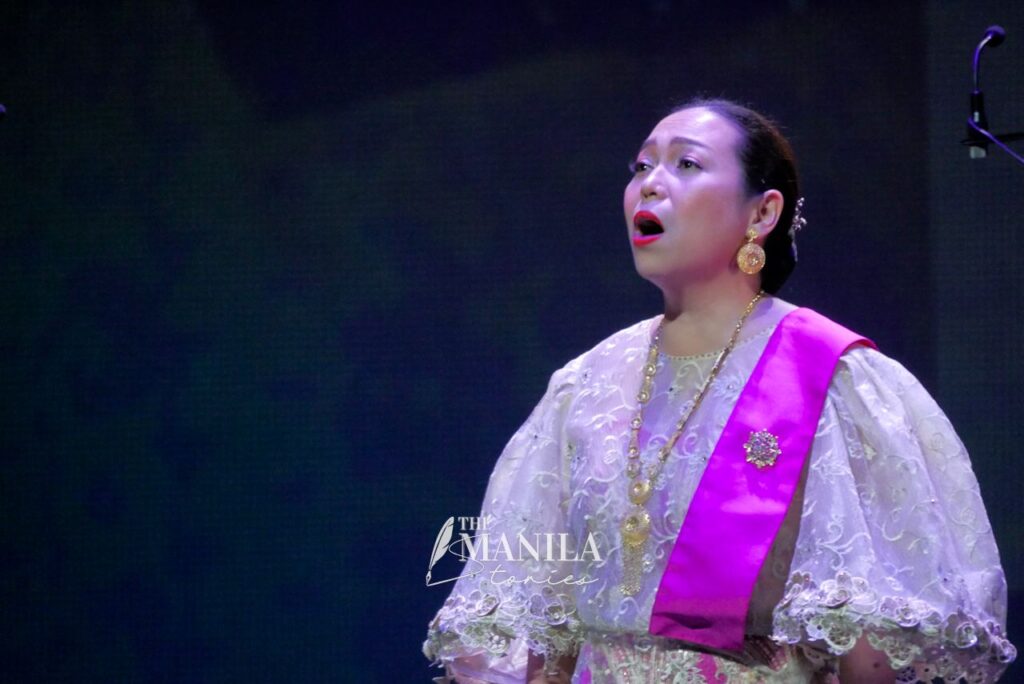
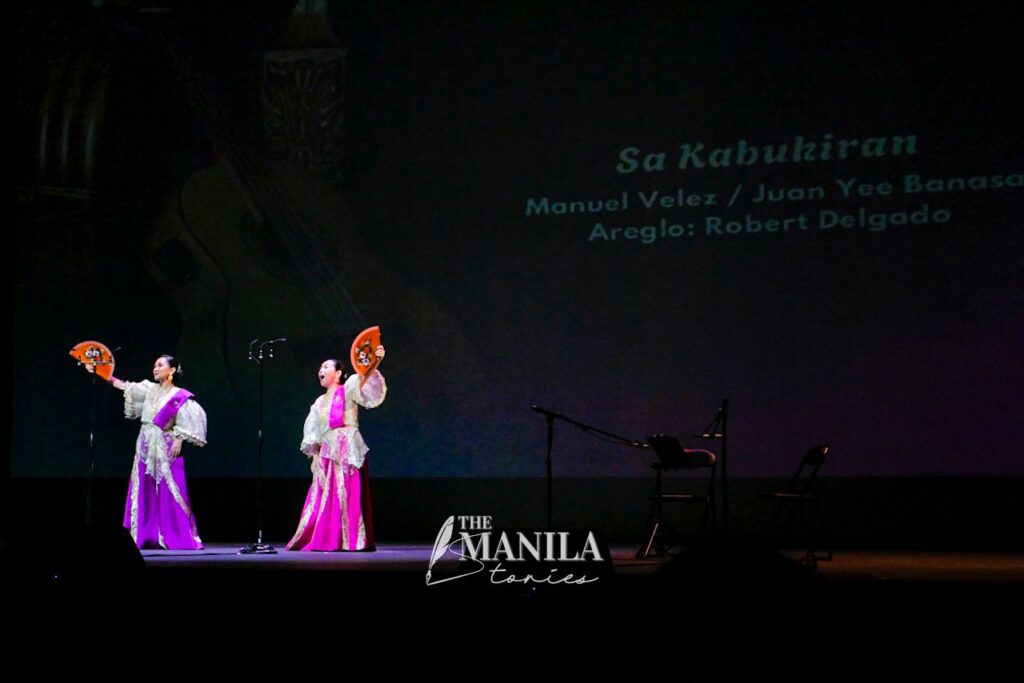
Musicologists trace the word Kundiman to a Tagalog phrase. The genre name comes from a contraction of “kung hindi man”. The phrase translates to “if it were not so” or “even if it be not.” Traditional serenades often used the line to express humble, selfless devotion. Over time, listeners shortened the phrase to describe the romantic musical style.
“Our goal is simple yet urgent,” said National Artist for Literature Virgilio Almario, who served as a competition judge. “We must keep classic Filipino music alive in our schools and daily lives.”
The National Commission for Culture and the Arts plans to distribute the album to public schools nationwide. Educational modules will accompany the recordings to support music instruction.
Organizers expect the compilation to inspire young musicians. The initiative aims to protect traditional art forms against modern cultural displacement.
“Kundiman is not a forgotten art form,” Almario said. “It is the living, beating heart of Philippine musical identity.”
Photos: George Buid, 2026.