
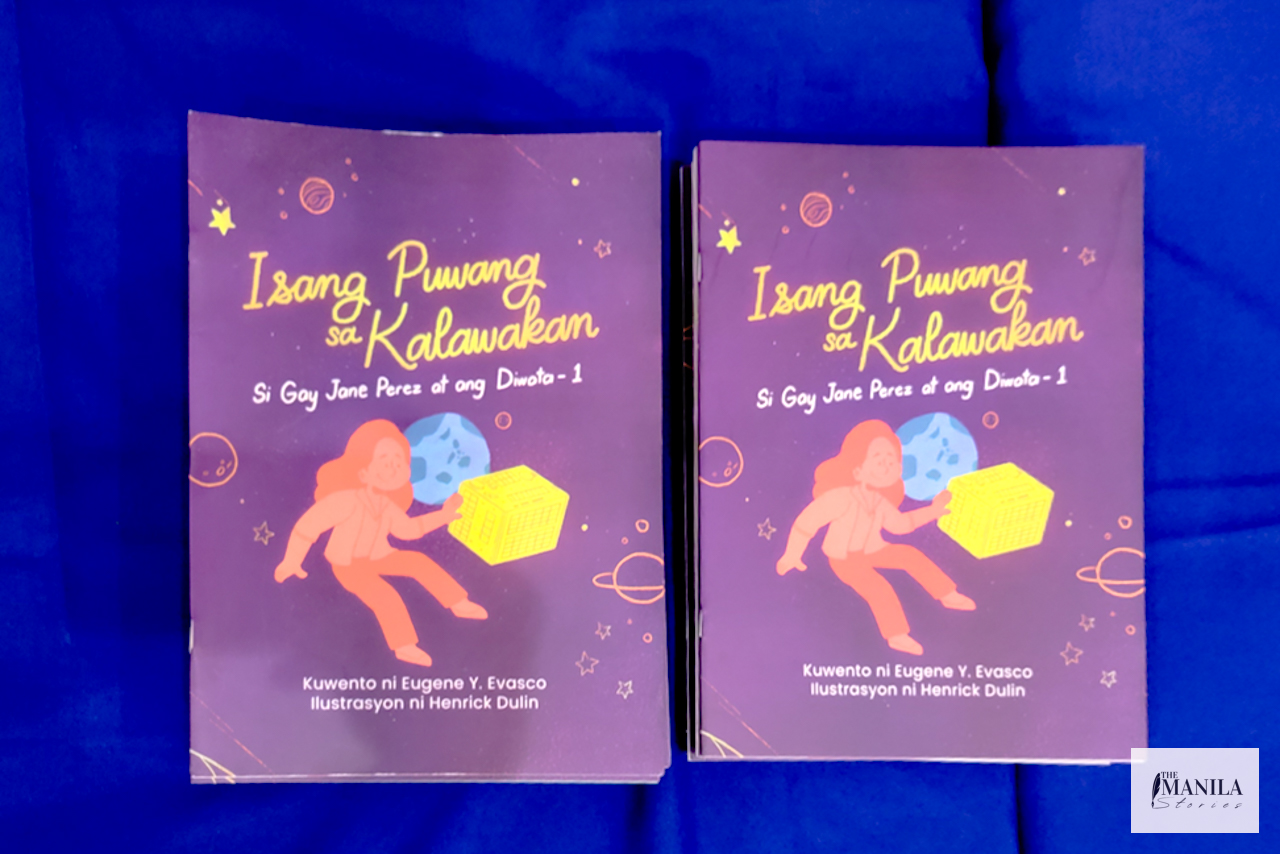
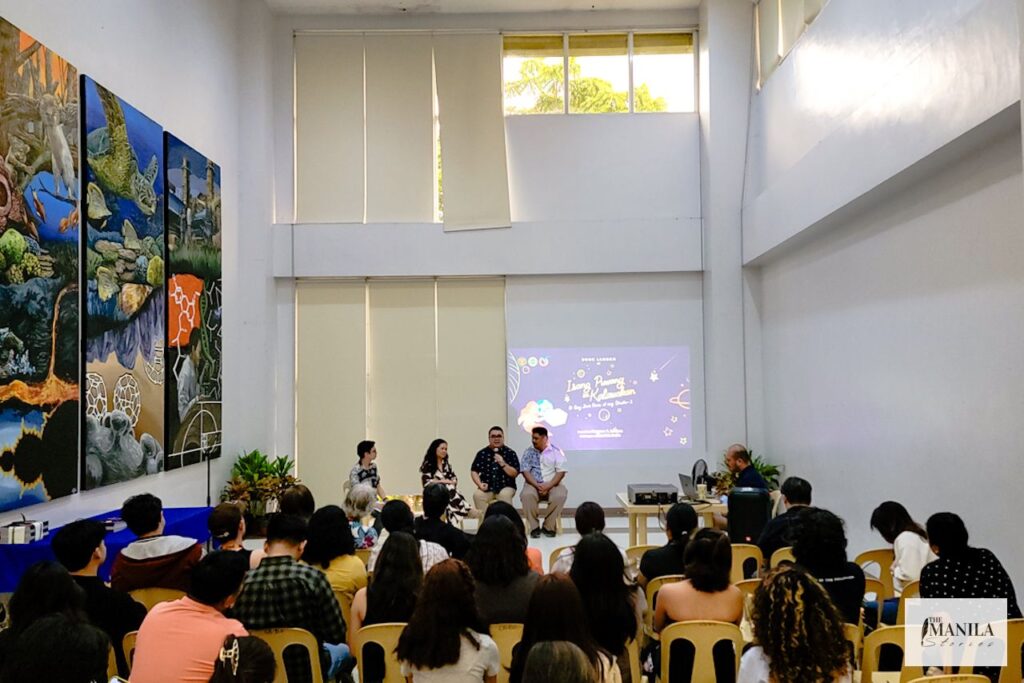
A crowd of teachers, parents, and students gathered at the University of the Philippines Diliman College of Science (UPD-CS) on Tuesday. The event marked the launch of Isang Puwang sa Kalawakan, the latest title in the Sulong Agham children’s book series.
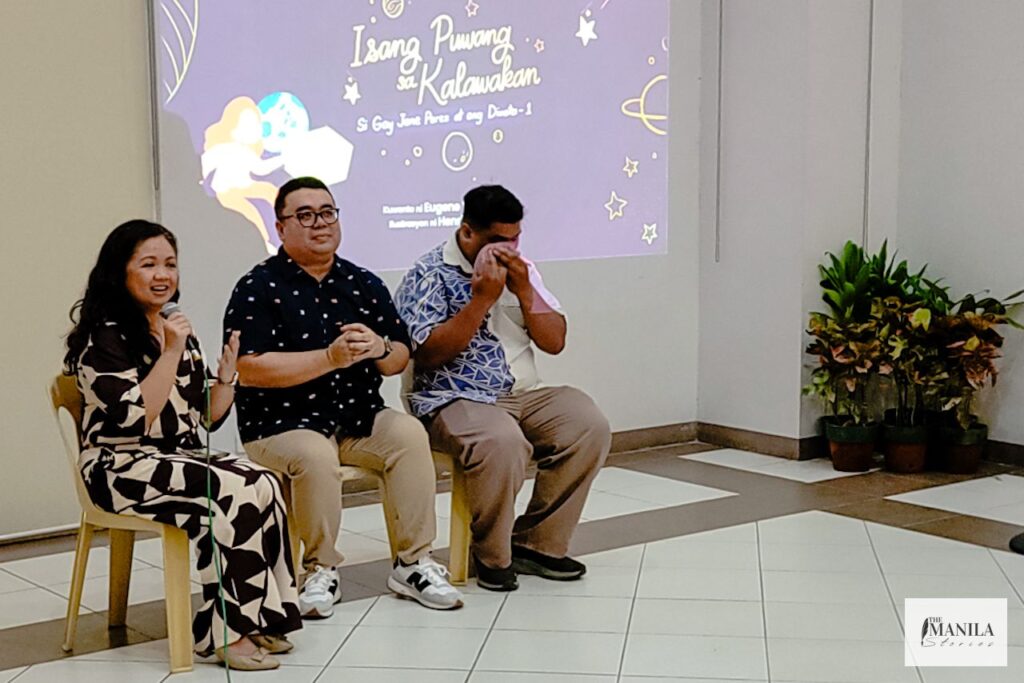
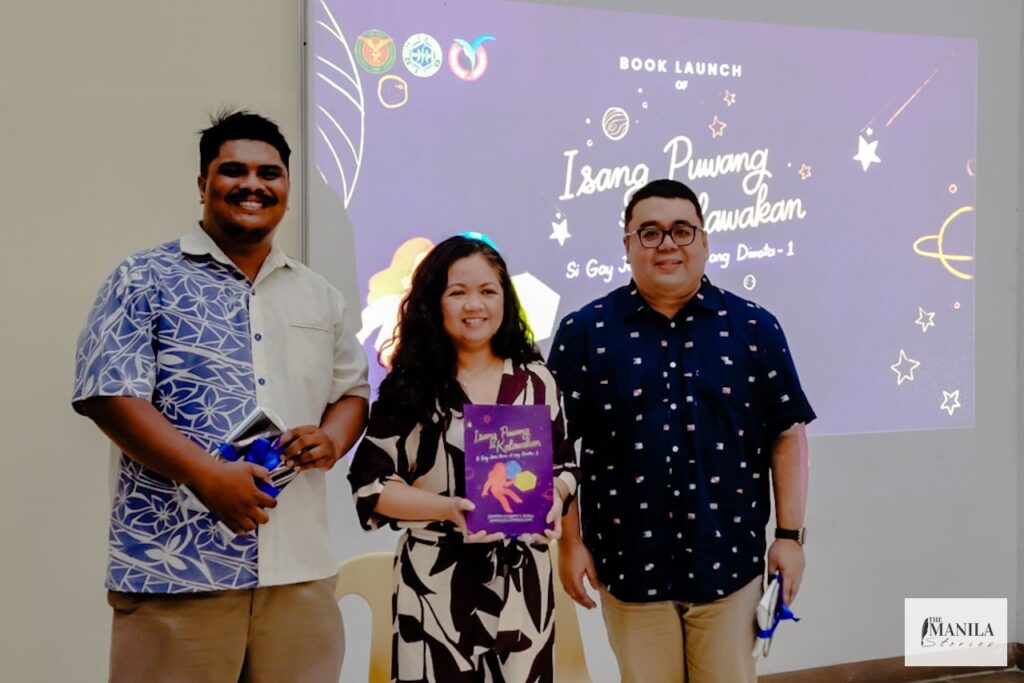
The book tells the story of Dr. Gay Jane Perez, director of the Philippine Space Agency (PhilSA) and professor at the Institute of Environmental Science and Meteorology. It follows her role in the first Filipino‑built satellite, Diwata‑1, and the hopes it sparked for young scientists.
Book author Eugene Evasco said he wanted a story that could inspire a new generation of Filipino space lovers. “When I wrote the book, I imagined a child looking up at the night sky and seeing a future they could help shape,” Evasco shared. “I hope they see that science is a path open to every child, especially girls.”
Illustrator Henrick Dulin brought the narrative to life with bright colors and simple lines. His drawings show a child watching a satellite lift off from Cape Canaveral and later viewing images of the Philippines from orbit.
Dr. Perez, who trained with the National Aeronautics and Space Administration (NASA) before leading PhilSA, spoke to the audience after the ribbon‑cutting ceremony. “Our journey began with Diwata‑1, a 50‑kilogram microsatellite designed by Filipino engineers,” she said. “It spent four years taking more than 30,000 images. Those pictures helped us prepare for disasters and understand our climate.”
She added that the book’s message is timely. “Our school system faces cuts that threaten math, science, and history,” Perez warned. “If we lose those subjects, we lose the tools to solve real problems. This book shows why science matters for our country’s future.”
Diwata‑1 was launched to the International Space Station on March 23, 2016. It was deployed into orbit on April 27, 2016. The satellite’s imaging payload aided disaster response, environmental monitoring, and weather forecasting. Its mission ended on April 5, 2020, when it burned up in Earth’s atmosphere.
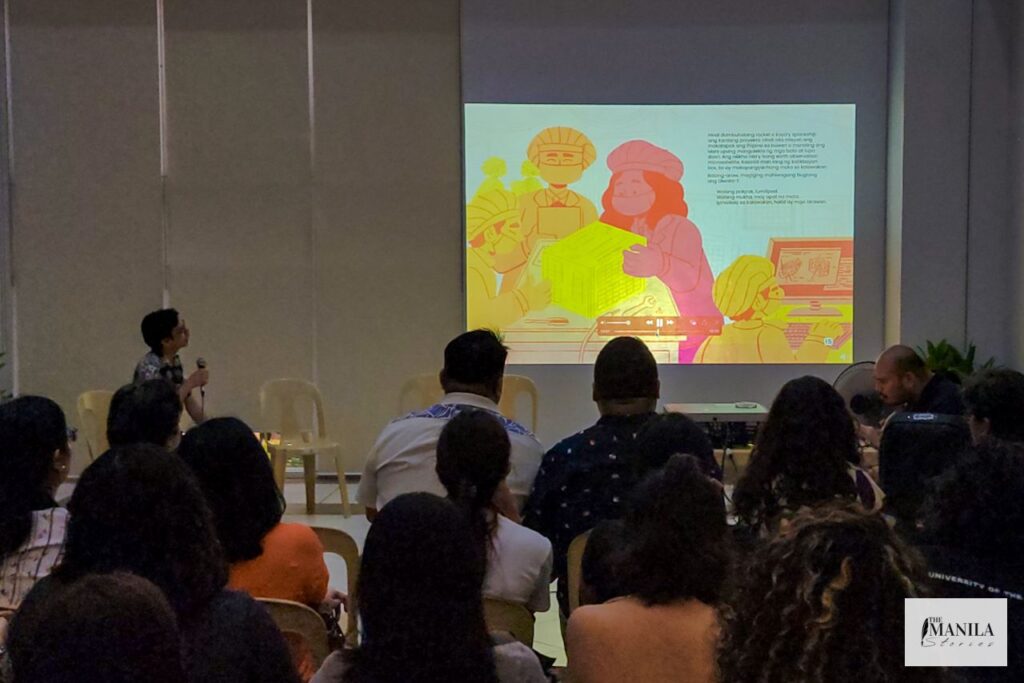
The launch event featured storytelling that included the Diwata‑1’s flight, a live reading of a chapter, and a Q&A session. Children asked Dr. Perez how she became a scientist. She answered, “I loved asking ‘why’ as a kid. I followed that curiosity, studied hard, and never gave up.”
Evasco highlighted the book’s role in the larger Sulong Agham series. “Each title focuses on a Filipino pioneer,” he explained. “Together they build a library of role models for our kids. ‘Isang Puwang sa Kalawakan’ is the first space‑focused story.”
The university praises the partnership. The College of Science is proud to host this book launch that can bridge research and community. Hopefully, the book reaches more classrooms in the archipelago.”
Copies of Isang Puwang sa Kalawakan will be distributed to public schools in Metro Manila and the provinces. The publisher, UPD-CS in partnership with Supling Sining, Inc., plans to release a Tagalog‑English edition later this year.
The book launch could boost Science, Technology, Engineering, and Mathematics (STEM) outreach. Stories like this can inspire children to study math and physics. Especially, when children see a Filipino woman leading a space agency. They know it’s possible for them too.
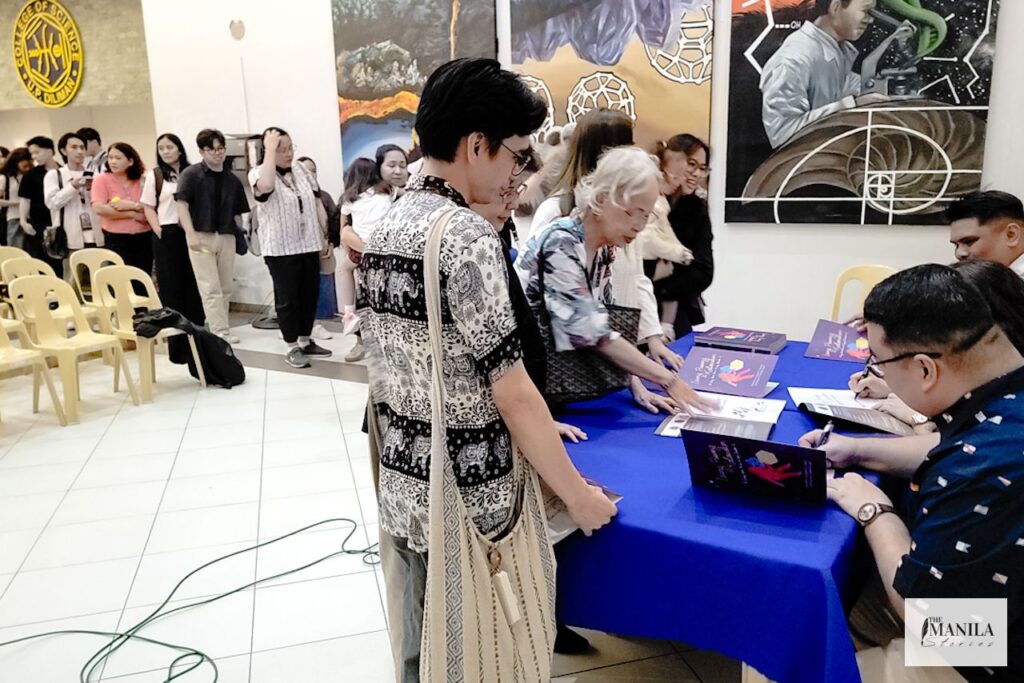
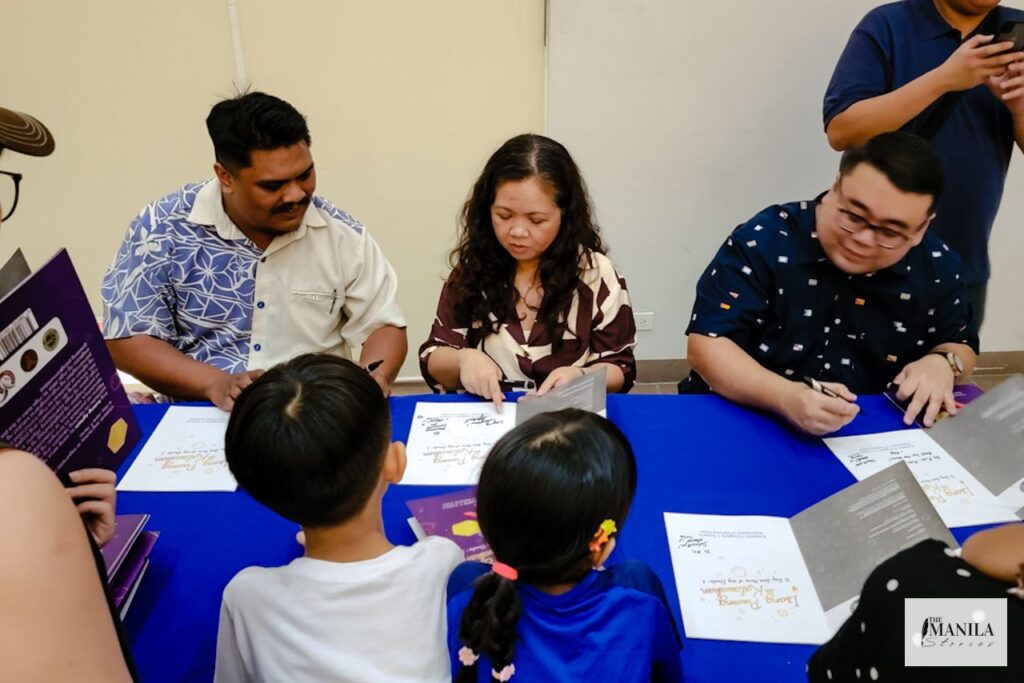
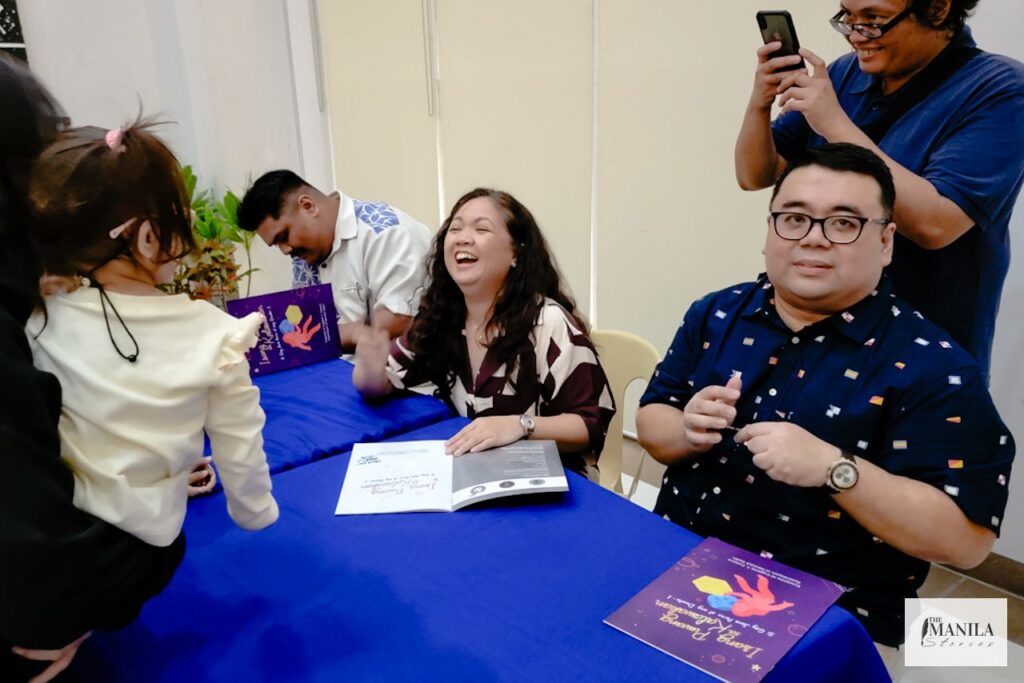
The event closed with the book signing. Children left with signed copies, a selfie with Dr. Perez, and a renewed sense of wonder.
Isang Puwang sa Kalawakan translates to “A Gap in Space.” The title invites readers to fill that gap with curiosity. As Dr. Perez reminded the audience, “The sky is not the limit. It is only the beginning.”