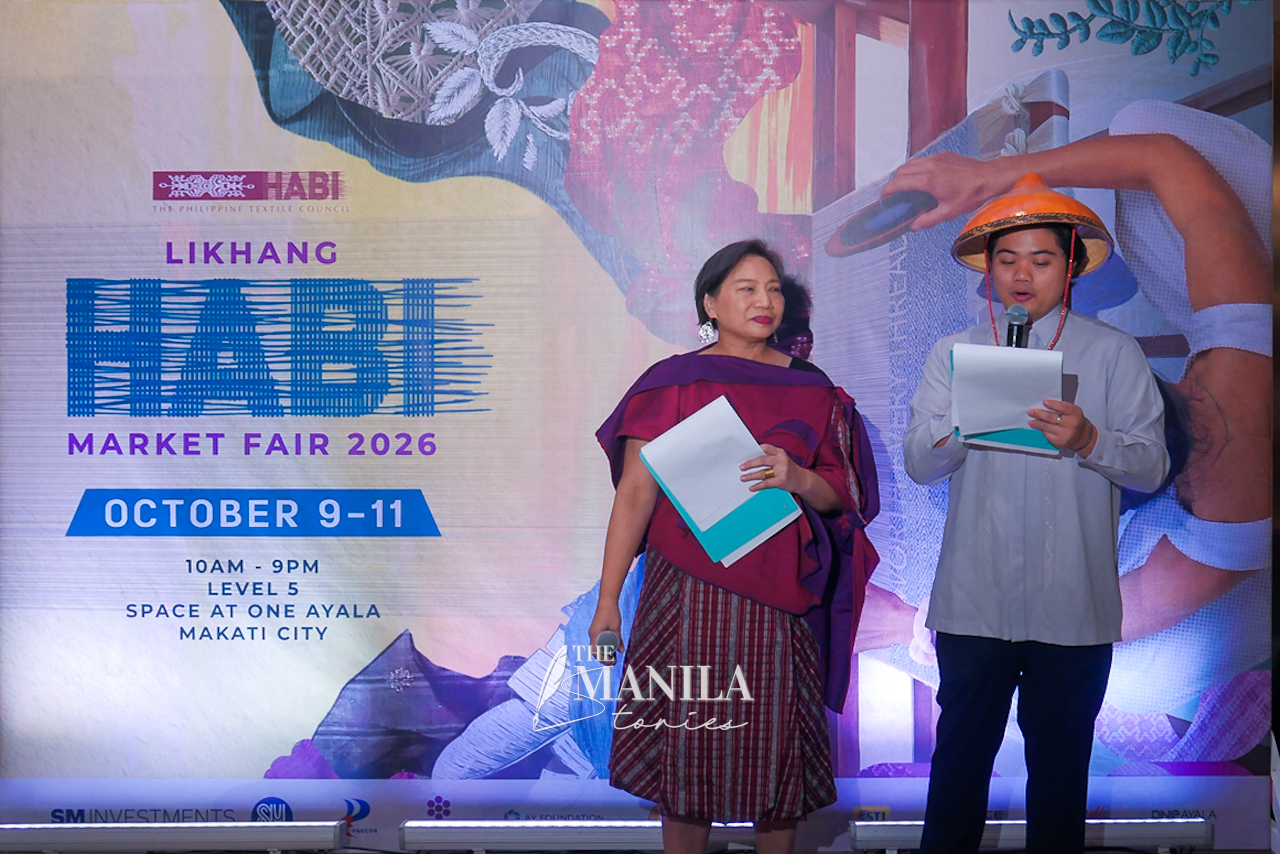
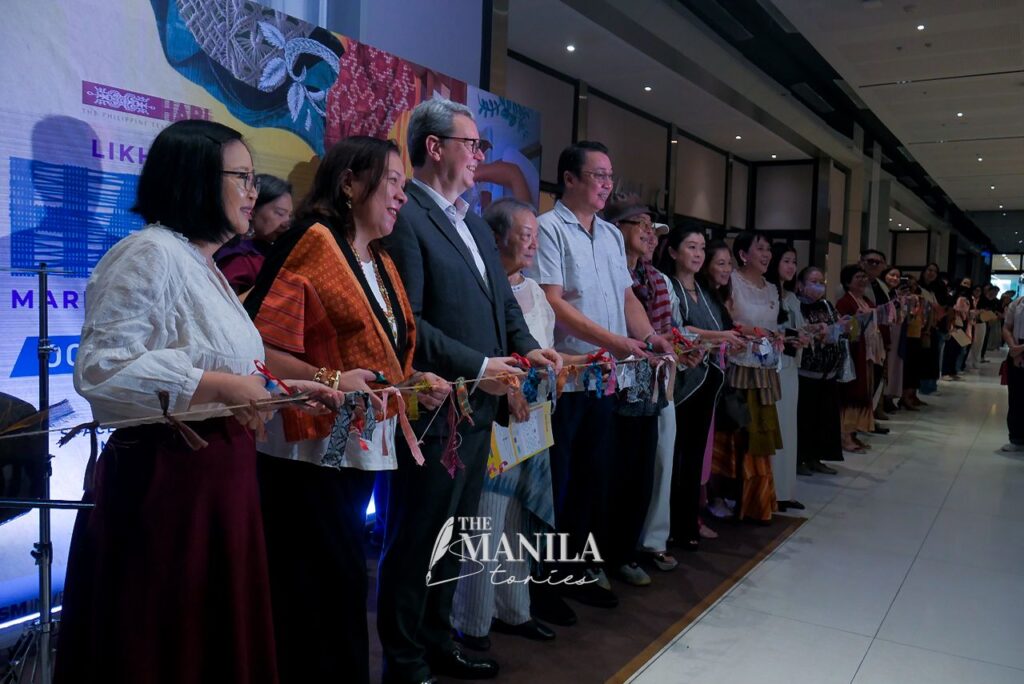
A grand celebration of indigenous Filipino textiles opens today. The 16th Likhang Habi Market Fair runs from Oct. 9 to Oct. 11, 2026. This year introduces a brand-new venue. The three-day event takes place at SPACE at One Ayala in Makati City. The official theme is “Worth Every Thread.” It highlights the deep cultural value of traditional craftsmanship.
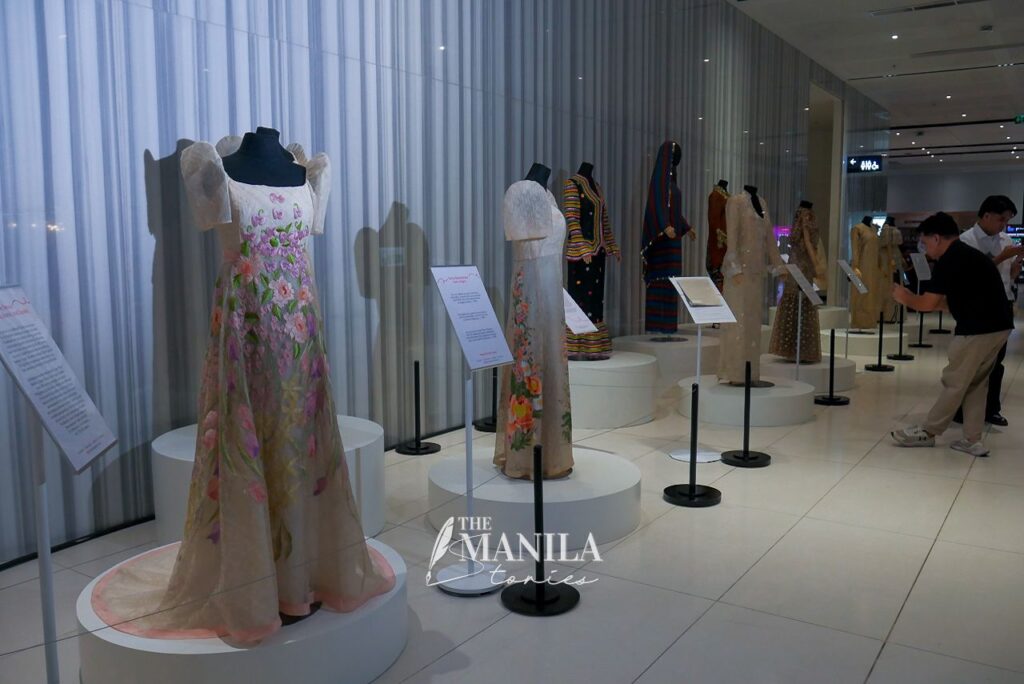
The 2026 edition offers exciting new experiences. Visitors can explore creations from over 100 makers. These include grassroots weaving communities and contemporary designers. The fair introduces a special heritage exhibit this year. The Benilde Fashion Museum will showcase 20th-century Philippine fashion.
Another major new highlight is the TELAserye Docu Screenings. This feature offers round-the-clock viewing of Philippine textile documentaries. Screenings include renowned GMA i-Witness episodes. Journalist Howie Severino leads a special talk-back session for “Kinakalingang Habi.” Mariz Umali hosts a similar session for “Agkulol.”
The fair also features special interactive activities. The Mahalina Foundation and Museo Pambata will host dedicated workshops. Visitors can view 40 stunning entries from two major weaving competitions. These include the 9th Lourdes Montinola Piña Weaving Competition and the 5th Eloisa Hizon Gomez Abaca Weaving Competition. A curated selection of food vendors will also offer regional specialties and artisanal treats.
The Likhang Habi Market Fair started small. It is now a major fixture in Philippine fashion. HABI President Emeritus Adelaida Lim witnessed this massive growth.
“Having been there from the beginning, I’ve seen the fair get bigger and bigger,” she said.
Lim noted a significant shift in public appreciation. Indigenous weaves are no longer reserved for special events.
“It was very encouraging… nakakataba ng puso to see the interest that has grown and to see how people have started to wear Filipiniana not just for special occasions but even to go to the office. So, it is no longer a costume, so to speak. It is already integrated into daily living.”
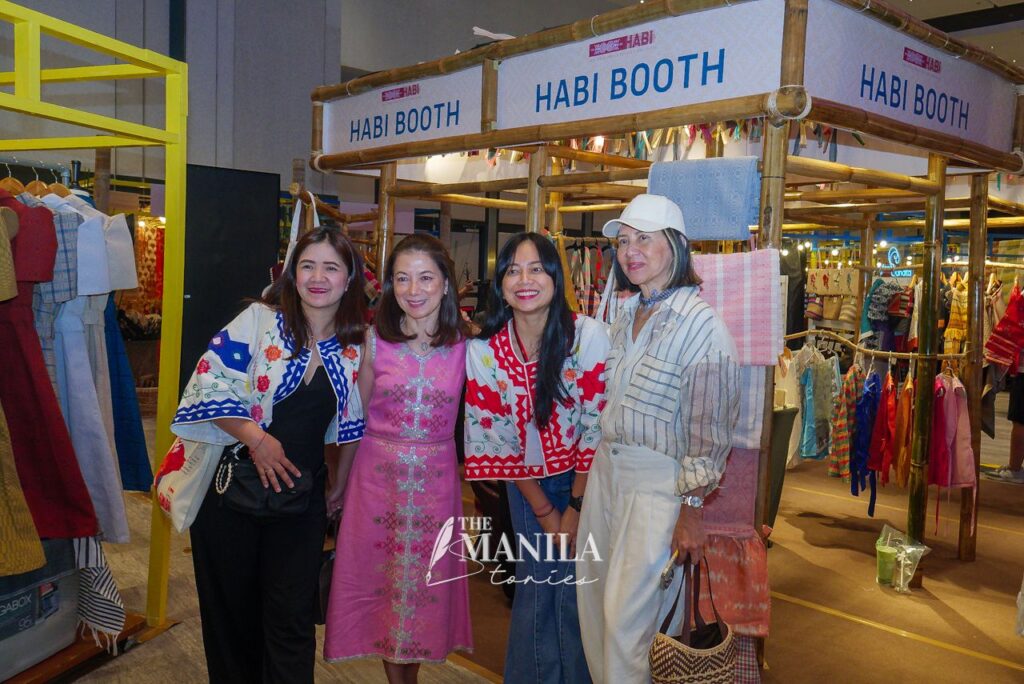
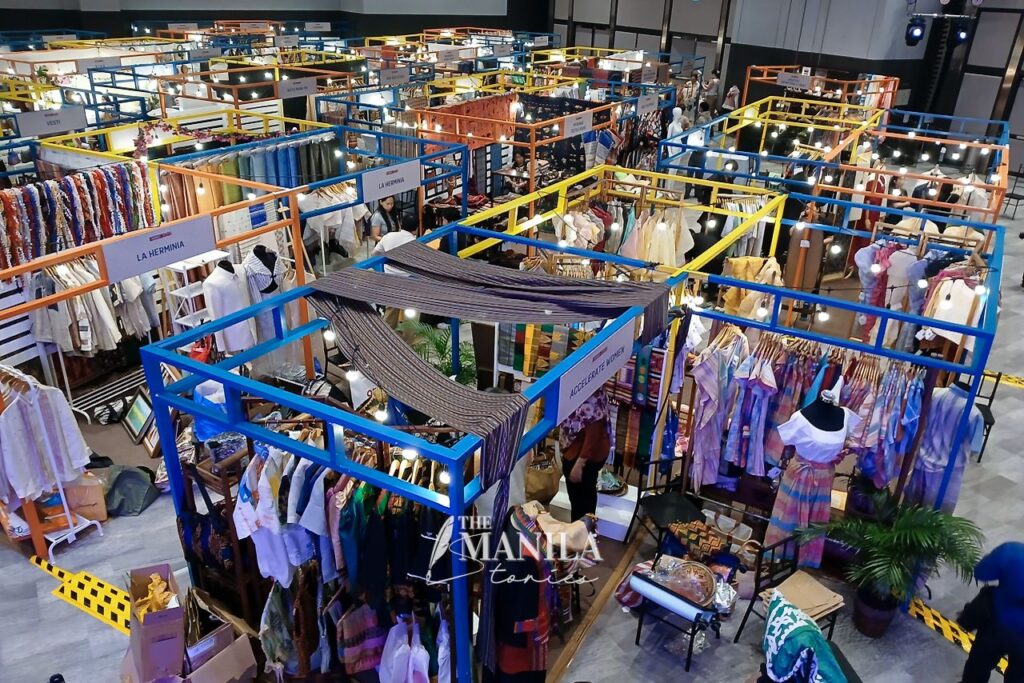
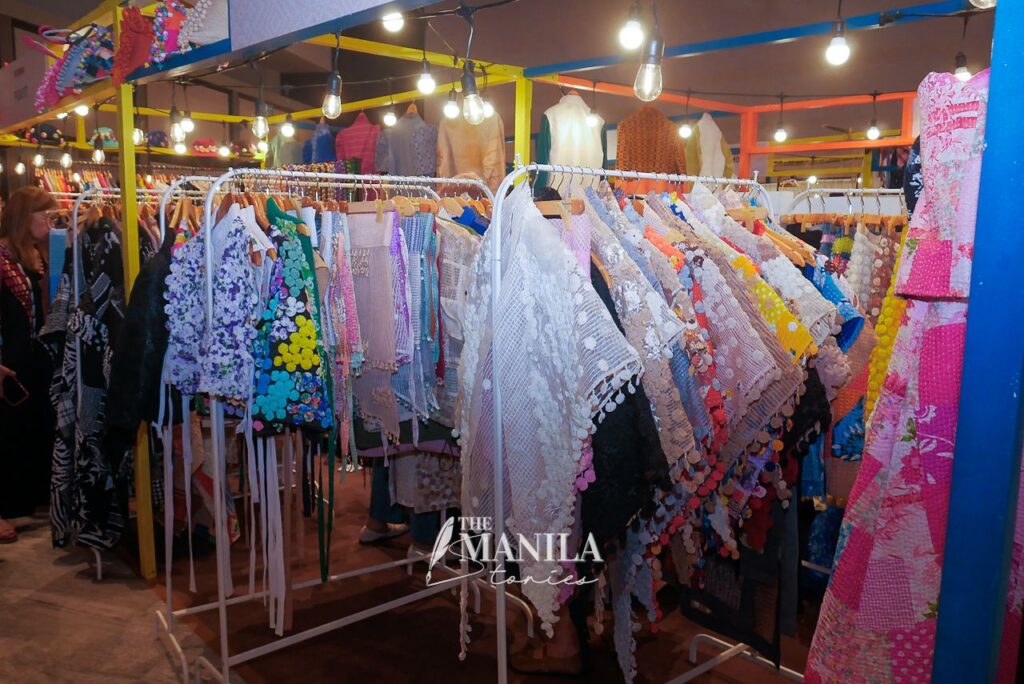
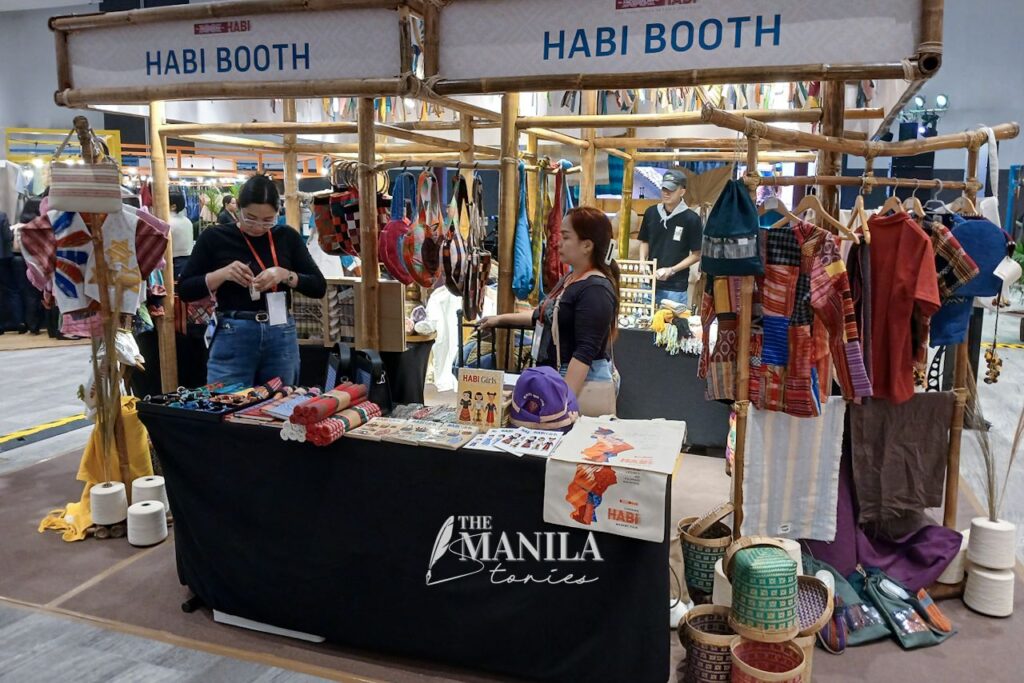
This growing market brings new questions. Consumers often wonder about textile pricing. HABI Council President Mia Villanueva addressed this directly.
“There have been many years when we’ve been asked, ‘Bakit ang mahal ng weaves?’ We decided to turn the question around: Why is the weave worth that much? What kind of skill, craftsmanship, time, and physical labor go into every piece?” she asked.
Villanueva emphasized the immense labor behind handmade products.
“When you understand what goes into making something by hand, using indigenous fibers and traditional skills, you begin to see why it is worth every thread.”
The journey of a weave begins long before the loom. Dr. Norma Respicio is a Professor Emeritus at the University of the Philippines Diliman. She highlighted the vast diversity of local textiles.
“There’s no less than 80 ethno-linguistic groups in the Philippines, and each one would have their own material culture and textiles,” she noted.
Every group offers unique contributions to the craft.
“You can just imagine the richness of Philippine culture in textiles alone. Each one would have not just their own designs but their own materials, like abaca or piña.”
Creating abaca cloth requires immense dedication. It involves many complex steps.
“There are so many processes. Prior to weaving, there are so many preparations. That’s why this textile weaving culture in the Philippines, particularly abaca, really shows us the ingenuity of the Filipinos,” Respicio added.
The fair provides a vital platform for local entrepreneurs. Jeanafer Fernandez runs Piña Seda Primera. She learned piña-weaving from her mother in Aklan. The fair helped her expand her business significantly.
“HABI is my first love!” she said.
Fernandez credits the event for her steady market success.
“That was where I gained experience and learned to talk to people, especially customers who would appreciate the products. I’m so grateful to God and to HABI because that was where I was able to showcase the products that I really want to be known for while helping artisans, weavers and embroiderers.”
Gloria Lim established the Rurungan sa Tubod Foundation in Palawan. Her group offers alternative livelihoods to remote communities.
“The reason why we went to weaving was because it was a dignified way for them to provide livelihood for their families and be in charge of their own time,” Lim explained.
The initiative successfully empowers local women.
“It was to give them the choice to stay with their family, provide livelihood and create their own path to empower the women of those areas.”
The Likhang Habi Market Fair connects their work to eager buyers. Lim remembers the sheer thrill of seeing students buy their items.
“Oh! We made it!” she recalled thinking.
Education remains a core mission for HABI. The fair features the Kwentong Kultura HABI Lectures. These discussions cover heritage preservation and community challenges. Professor Corazon “Cora” Alvina sits on the HABI board. She stressed the absolute importance of these talks.
“The overarching idea of HABI, which includes lectures and discussions, is the objective of conservation,” Alvina said.
Conservation goes beyond saving the physical cloth.
“Conservation is not only the safekeeping of the physical, the tangible, but also that of the knowledge surrounding weaving and clothing.”
Ultimately, the fair celebrates the soul of Philippine textiles. Gloria Lim believes a product’s value relies on deep human connections. She warns against creating items without emotional weight.
“One main thing that I really learned and was ingrained in me, I was super against emotional design. When I studied product development and design, it doesn’t matter how sustainable your product is, if people don’t care. From the makers all the way down to the people buying it, if they will throw it away tomorrow, it doesn’t matter,” she said.
Every single step of the process holds profound meaning.
“And within the community, from the plant all the way down to the loom, the fiber, the thread, it all matters.”
True luxury lies in understanding this entire journey.
“It’s about knowing the person who makes it. Knowing what’s important to you. Having these items that are handmade, you know where it is. Everything is from the land. That’s a luxury most people don’t know anymore.”