
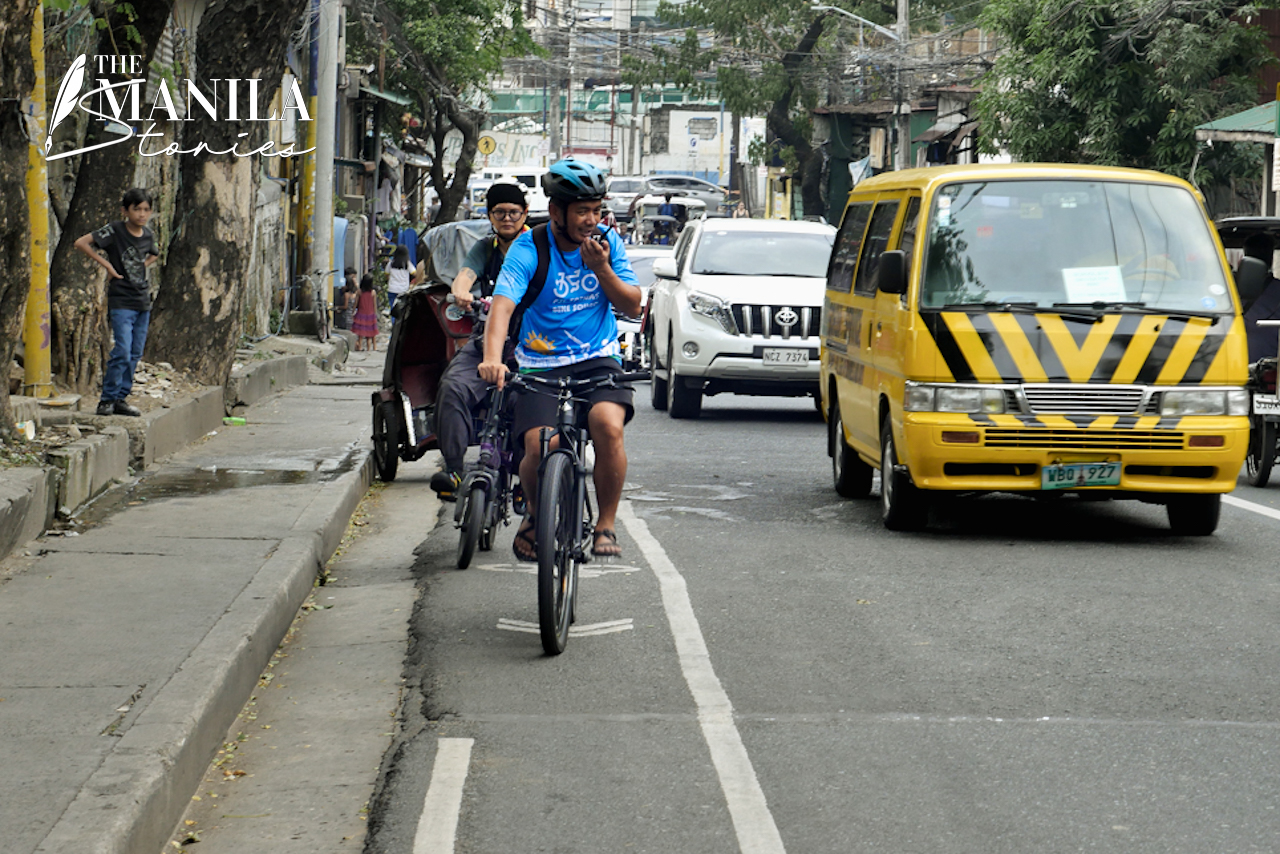
Mandaluyong City launched a new bike bus program on 23 July 2026. The event happened during the heavy late afternoon rush hour. More than 30 workers joined the special ride. Group organizers from 350 Pilipinas also participated in the event.
The Active Transport Office partnered with the advocacy group for the ride. The office operates under the City Traffic and Parking Management Department. Female bike patrollers led the large group through the city. The cyclists traveled along major roads and congested inner streets.
The route measured three kilometers long. It followed the exact path that most local government transport workers use daily.
Participants gathered at five in the evening for the recent ride. The group rolled out thirty minutes later. The journey started at the Mandaluyong City Hall.
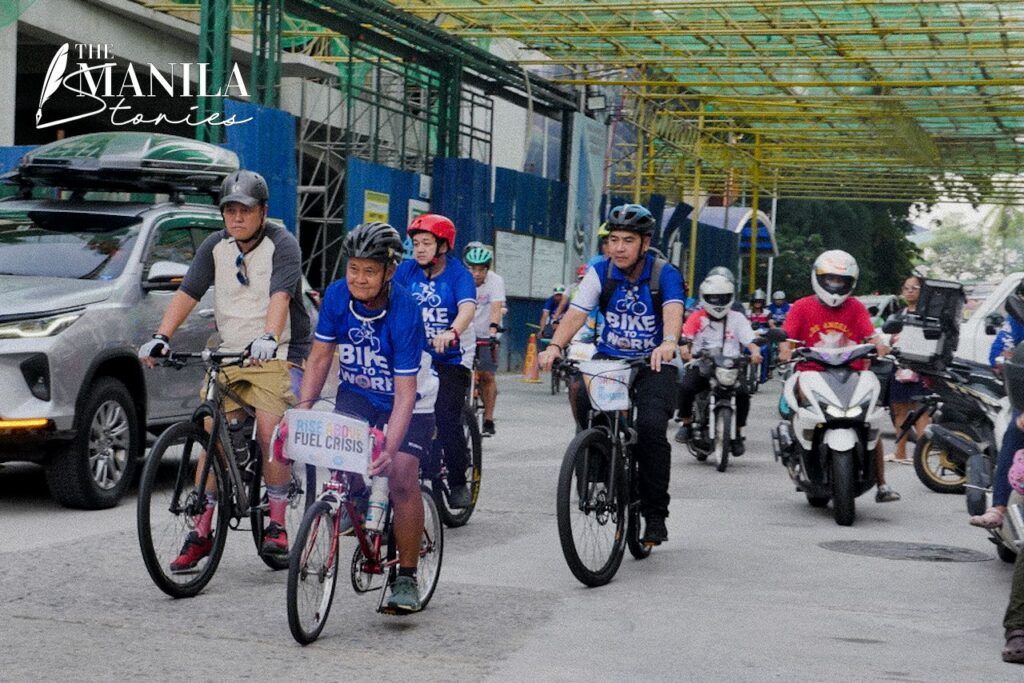
The route moved through Maysilo and Boni Avenue. Riders then crossed P. Cruz and Ortigas Extension. They continued down Fabella Road and Nueve Febrero. The three-kilometer journey ended at the National Center for Mental Health.
This new project follows an earlier event in a neighboring city. A workers bike bus launched in Quezon City last June. That event took place across two dates in June. Both cities share a goal. They want to make active transport safe and practical for all daily commuters.
Maria Rosana Ras spoke about the local program. She serves as the public relations officer for the transport office.
“As a government employee, biking to work is a practical transport option,” Ras said. “In our office, we bike to and from work, and following a regular route helps keep our colleagues safe and supported.”
Local transport officials believe frequent bike bus activity will inspire more workers to pedal to their jobs. They hopefully expect this initiative to grow. Yet, doubts occur despite the Mandaluyong City side tracks people’s safety on roads.
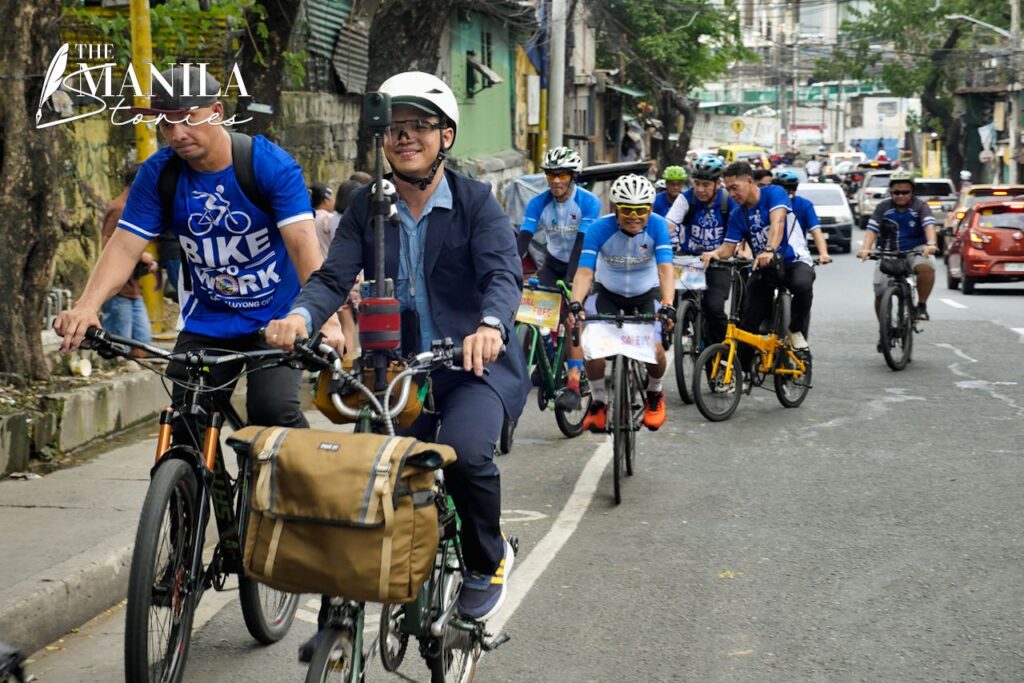
The recent ride highlighted a major need in urban planning. Cities must build a better infrastructure alongside physical bike lanes. Protected lanes and repair stations are important. Soft support systems are equally vital for daily commuters.
Event organizers also pushed for gender-responsive policies. These rules will encourage more women to use bicycles for daily travel. They want cycling to feel safe for everyone.
Jheny Dabu-Caguete shared her thoughts on the new urban mobility project. She works as a sustainable transport campaigner for 350 Pilipinas.
“Initiatives like the Bike Bus show that, with the right support, cycling can become a practical, safe, and inclusive option for everyday commuting,” Caguete said.
She noted the broader goals of the advocacy campaign. Cities must improve their institutional resources now.
“It challenges cities to expand institutional resources and to invest in interconnected systems that support urban mobility,” Dabu added.
Group rides offer a clear path toward a cleaner environment. They help lower the city’s carbon footprint.
“By mobilizing bike commuters and fostering regular, community-led rides, we can reduce reliance on motorized transport, improve urban air quality, and ultimately reduce emissions from the transport sector,” Caguete said.
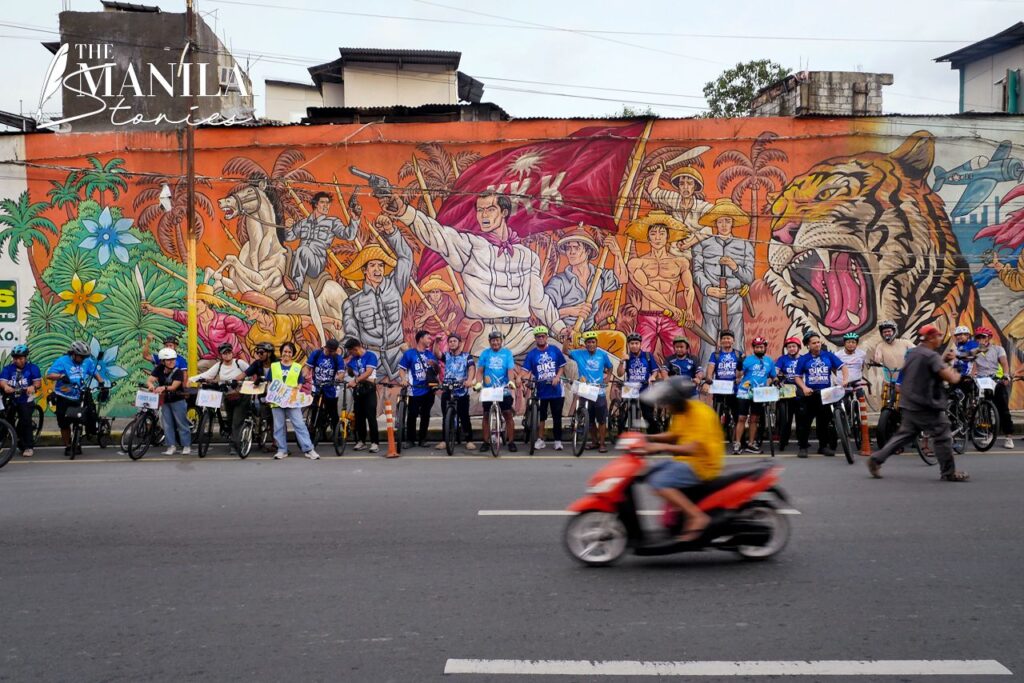
The timing of the ride aligns with national political events. The event occurred just before the State of the Nation Address by President Ferdinand Marcos Jr. Advocacy groups used the moment to demand better national funding. They want the government to increase the budget for active transport.
Funding for bike lanes and walking paths has dropped sharply in recent years. The national budget for active transport hit a peak in 2022. It reached two billion pesos that year. Funding fell to sixty million pesos by 2025. The budget saw a minor rise to one hundred five million pesos for 2026. Advocates want lawmakers to reverse this funding decline.
Mandaluyong City is a potential for a strong model on green transit. The city sits at the center of major business districts. It connects easily to other key Metro Manila cities. These neighbors include Pasig, Quezon City, and Manila.
Local cycling data shows strong local interest in green travel. The city recorded 14,354 cyclists during its annual bike count in 2025. Mandaluyong continues to host seminars and events to promote bicycle commuting.
350 Pilipinas organized the Mandaluyong event. The group focuses on climate action. Their work relies on scientific facts. Their mission is rooted in the principles of social and environmental justice.