
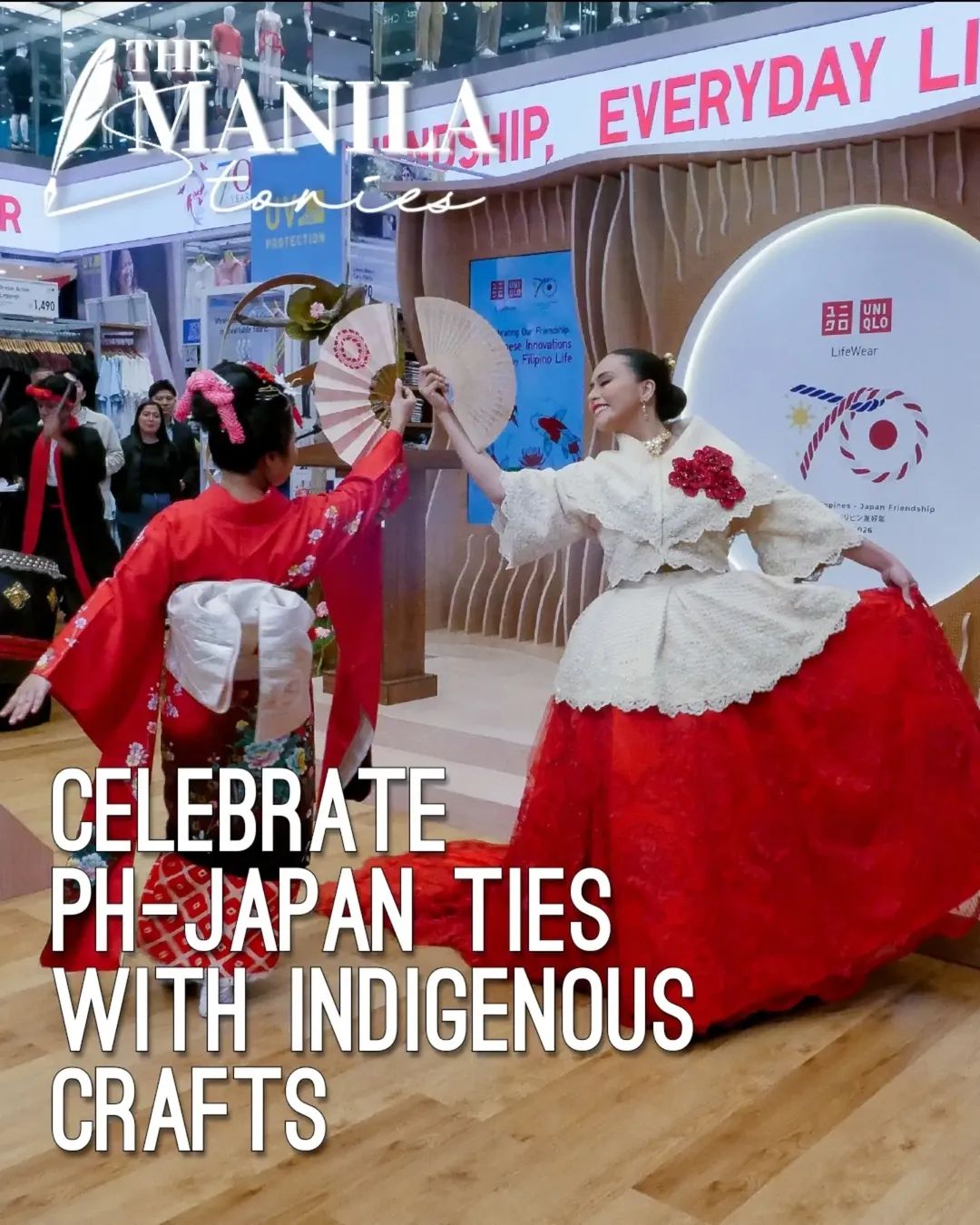
UNIQLO celebrated 70 years of diplomatic ties between the Philippines and Japan on Wednesday, July 29. The retailer also marked its 14th year in the country. The event highlighted textile designs from indigenous groups in Luzon, Visayas, and Mindanao.
The celebration featured the Re.UNIQLO project. This initiative turns fabric scraps into textile patches with traditional Filipino designs. The project began after early talks between Tourism Secretary Dita Angara-Mathay and UNIQLO. The Secretary urged the company to partner with local weaving communities.
“About a year ago, while serving as the Philippines’ Commercial Counselor in Japan, I approached four of Japan’s leading retailers with a proposal […],” Secretary Angara-Mathay said. “I invited them to work with us on co-creation projects inspired by Philippine icons, our natural resources, our creatives, and our shared commitment to innovation.”
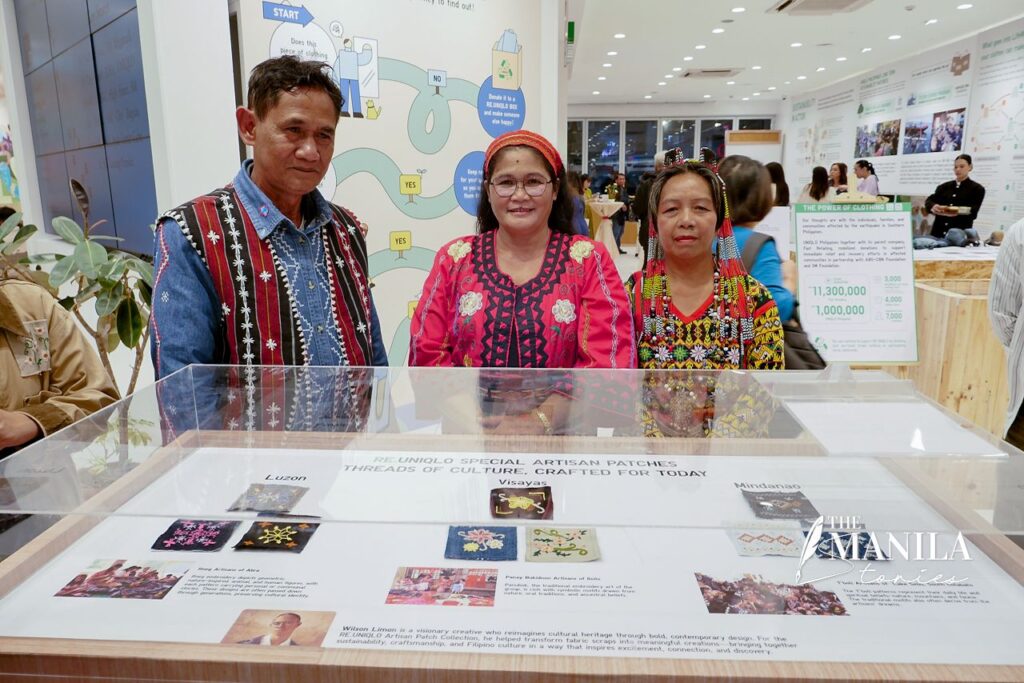
Indigenous groups from Abra, Iloilo, and South Cotabato hand-embroidered the patches on UNIQLO fabric scraps. Each piece is distinct and meaningful.
The Itneg School of Living Traditions created Luzon designs. Their work features geometric, nature-inspired, and human motifs that tell personal or communal stories.
In the Visayas, the Panay Bukidnon Artisans of Iloilo showcased “panubok.” This traditional embroidery features motifs from nature, oral traditions, and ancestral beliefs.
Meanwhile, T’boli artisans from Lake Sebu drew from daily life and spiritual beliefs for their intricate designs. UNIQLO stated that all proceeds from Re.UNIQLO will go directly to these artisan communities.
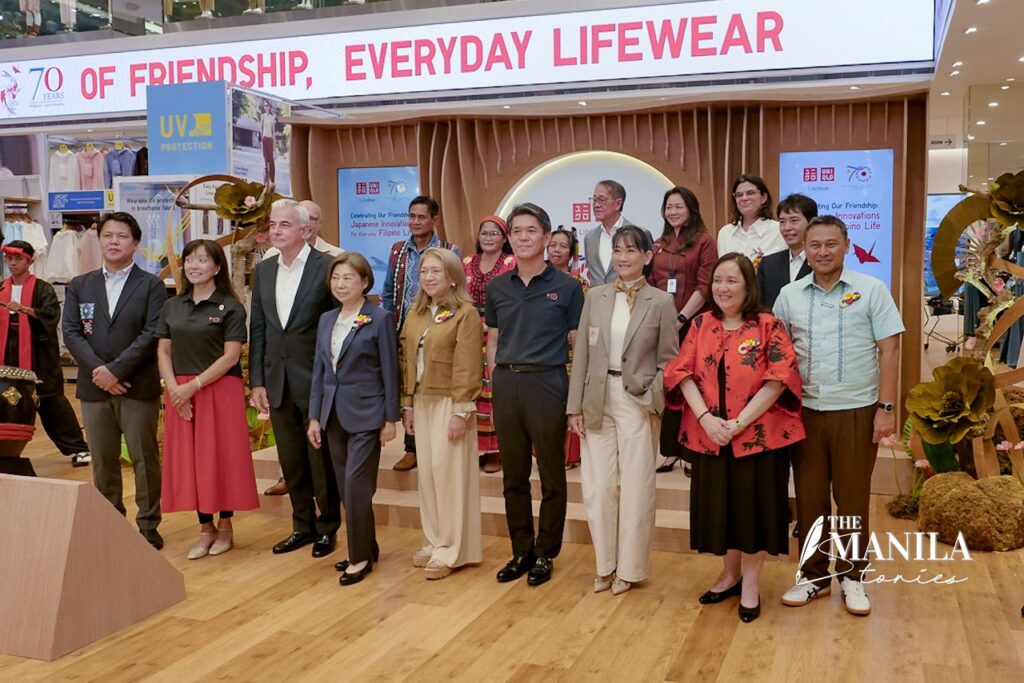
UNIQLO also partnered with Salcedo Auctions to unveil three art installations. The artworks celebrate Philippine-Japan friendship. Secretary Angara-Mathay helped start this collaboration by introducing UNIQLO to Richie and Karen Lerma and the Salcedo Auctions team. Creative direction from the team brought the installations to life.
The artworks combine iconic Philippine landscapes with traditional Japanese symbols, honoring Luzon, Visayas, and Mindanao. The Luzon piece features the Banaue Rice Terraces with origami lotus flowers. These flowers represent harmony between people and nature.
The Visayas installation pairs coconut trees with the Japanese crane. This pairing reflects shared values of renewal, balance, and longevity.
The Mindanao artwork uses Siargao waves and koi motifs. The koi symbolize resilience, movement, and enduring connections across the archipelago.
The installations emphasize sustainability and local craft. Builders used FSC-certified Japanese poplar wood from responsibly managed forests. Artisans from Nueva Ecija added handcrafted origami elements, blending Japanese artistry with Filipino skill.
UNIQLO also launched the AIRism for Education program for its anniversary. A portion of proceeds from selected AIRism innerwear products will fund 15 schools nationwide until May 2027. Through this program, UNIQLO aims to invest in youth as the foundation of the future.
“I would like to congratulate UNIQLO for showing that retail can help preserve culture and heritage,” Secretary Angara-Mathay said. “Around the world, you have demonstrated that innovation and heritage can thrive together.”
The Department of Tourism thanked UNIQLO for supporting Filipino traditions, creativity, and education. The agency also noted the company’s role in strengthening ties between the Philippines and Japan.
UNIQLO is a leading clothing retailer in the Philippines. It now operates at least 81 stores nationwide after 14 years of providing LifeWear to Filipinos.